



Warm Brown Oak Clock
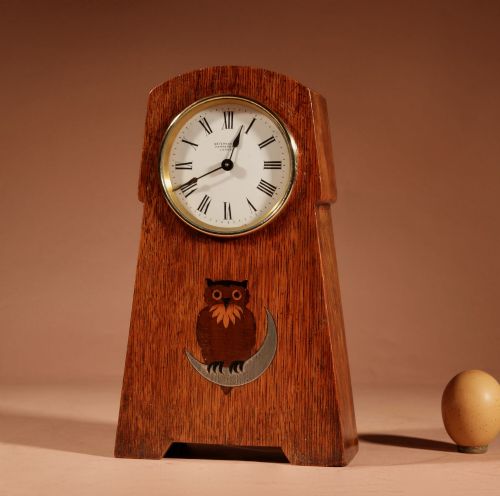
A warm brown oak clock brings rich grain and steady presence into a room, grounding the space with centuries of horological craft.
Warm Brown Oak Clock
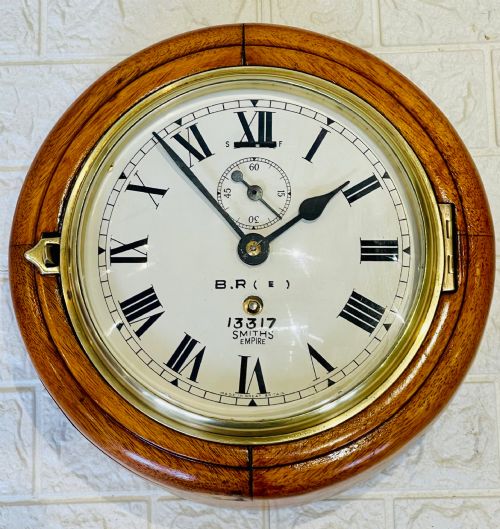
When you search for a warm brown oak clock, you encounter timepieces ranging from stately longcase clocks to compact wall and bracket formats. These items span periods from the Georgian era through the Victorian age and into the twentieth century, reflecting shifting domestic tastes.
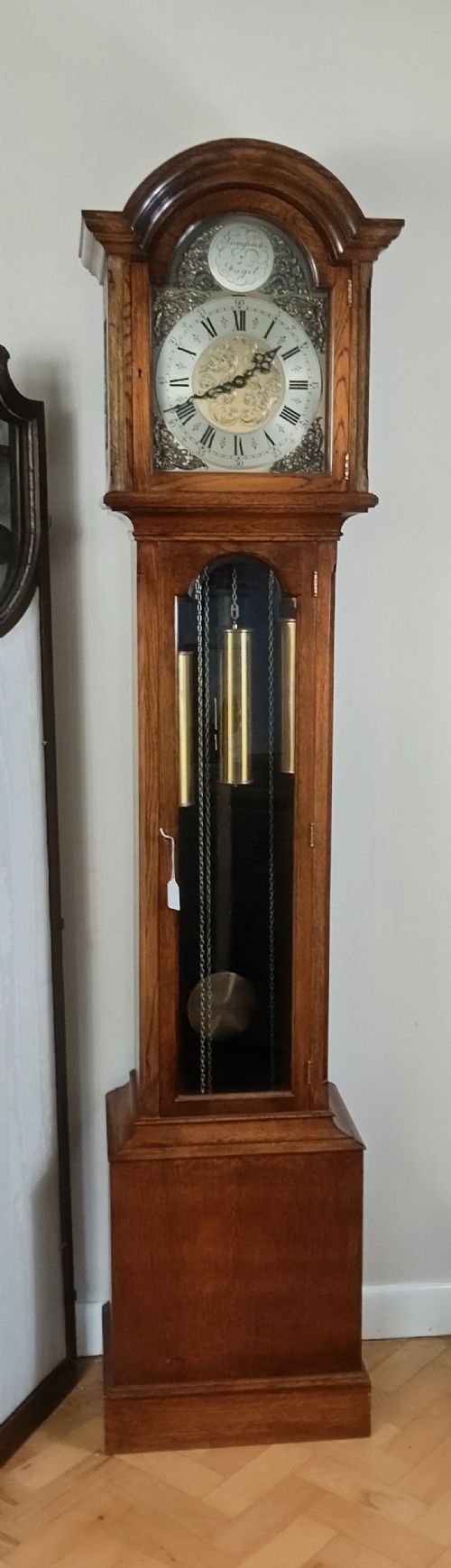
The most common examples on this page are tall grandfather longcase clocks, alongside regional wall clocks and occasional bracket pieces. Their timber displays deep honey tones and rich figuring developed over generations of use.
Materials and construction
Cabinetmakers built these clock cases predominantly using solid oak, sometimes pairing it with mahogany or striking pollard oak veneers to highlight the natural grain. Iron and brass components formed the mechanical movements, while glass protected the painted or brass dials.
Movements were engineered for eight-day or quarter-chiming functions, driven by weights or twin fusee mechanisms housed within sturdy timber cabinetry.
Warm Brown Oak Clock Retail Price Guide 2026
Typical asking prices for warm brown oak clock among the pieces listed under this phrase on Sellingantiques today, from the lower quarter to the upper quarter. They describe what is for sale here now, not the wider market.
Listings feature oak, mahogany, brass, and iron across Georgian, Victorian, and twentieth-century periods.
Assessing quality and craftsmanship
The distinction between standard examples and superior pieces lies in the crispness of the timber carving and the complexity of the internal movement. Finely figured pollard oak veneers and signed brass dials by notable makers elevate a piece above utilitarian timekeepers.
Proportion and dial legibility also govern value, where balanced dial layouts and well-preserved mechanical complexity demonstrate superior workshop standards.
David Craig Ford Path head·Pennington of Camberwell London·DeLa Salle And Christie London·Smith Chester
The Warm Brown Oak Clock Glossary
- Longcase clock
- A tall pendulum clock enclosed in a wooden case, commonly known as a grandfather clock. These floor-standing pieces often feature arched hoods and brass dials.
- Twin fusee
- A mechanical movement utilising conical pulleys and chains or cords to maintain equal driving force as the mainspring unwinds. This mechanism is prized for improving timekeeping accuracy in bracket clocks.
- Bracket clock
- A portable table or shelf clock, originating from an era when such pieces sat on wall brackets. They frequently feature detailed wood cases and striking mechanisms.
- Pollard oak
- Timber taken from trees that were pollarded, creating highly figured, clustered grain patterns. Cabinetmakers utilised this decorative wood for veneers on luxury clock cases.
- Dial
- The face of the clock where the hours and minutes are displayed. Dials can be constructed from brass, painted metal, or silvered brass plates.
Warm Brown Oak Clock: Frequently Asked Questions
How do I wind a mechanical oak clock?
Most eight-day movements require a key to lift the internal weights or tension the springs via winding holes on the dial face. Care must be taken not to overwind the mechanism.
Consulting the specific requirements of the movement ensures the gear train remains undamaged during regular maintenance.
Where should I place a longcase clock?
Longcase clocks need a stable, level floor against an interior wall to ensure the pendulum swings evenly. Placing them away from direct sunlight and drafts preserves the oak case.
A secure vertical mounting prevents distortion of the timber tall case over time.
How do I identify a Georgian oak clock?
Georgian pieces typically display straightforward proportions, classical architectural hood details, and square or arched brass dials. The oak timber often shows a deeper, mellow patina.
Examining the interior construction and hinge types helps confirm the eighteenth-century origin of the cabinet.
What maintenance do these wooden clocks require?
Routine care involves occasional dusting of the oak exterior with a dry cloth and professional oiling of the movement every few years. Avoid using modern chemical polishes on antique timber surfaces.
Keeping the environment at a stable humidity prevents the oak case from splitting or warping.