

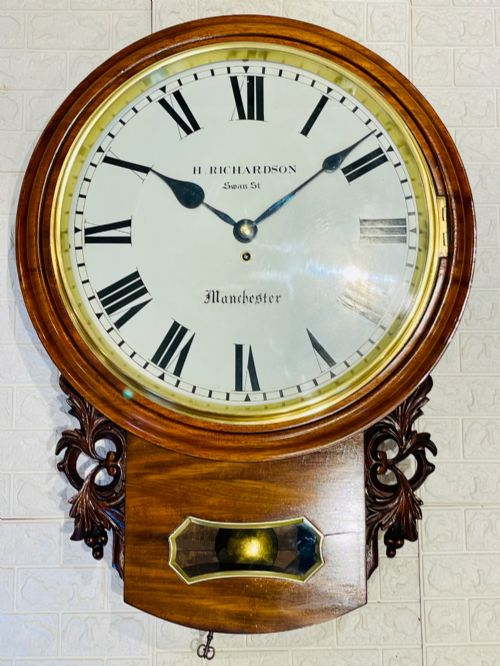
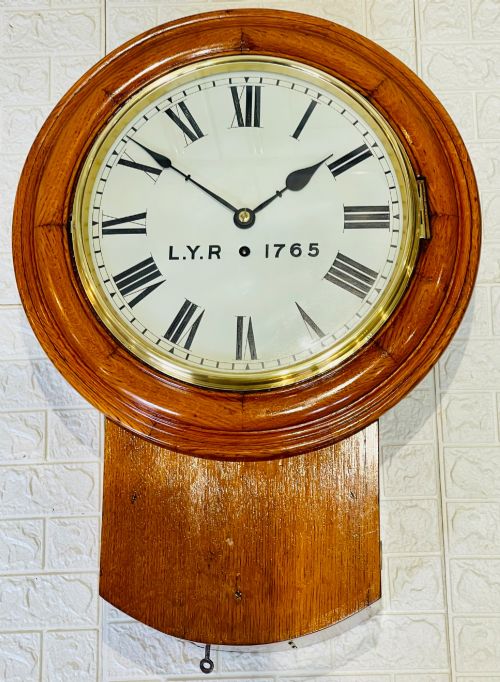
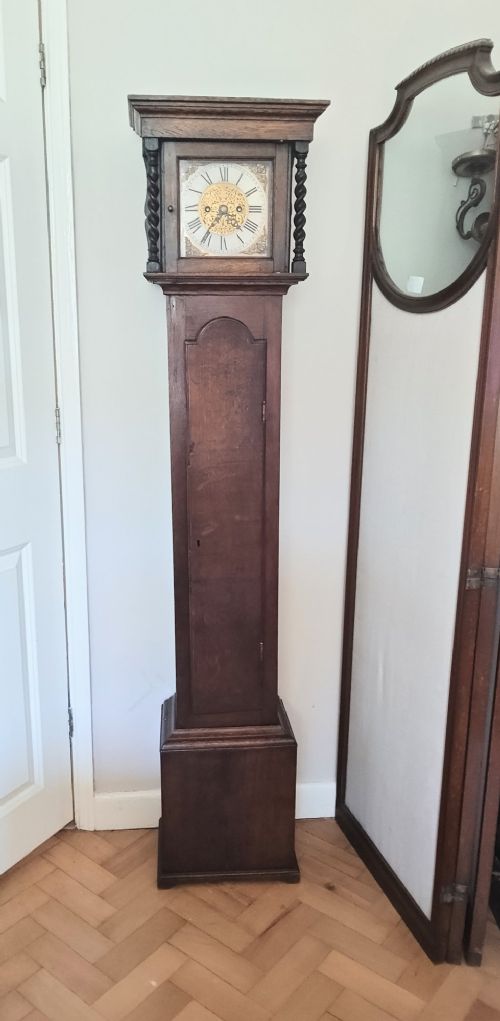

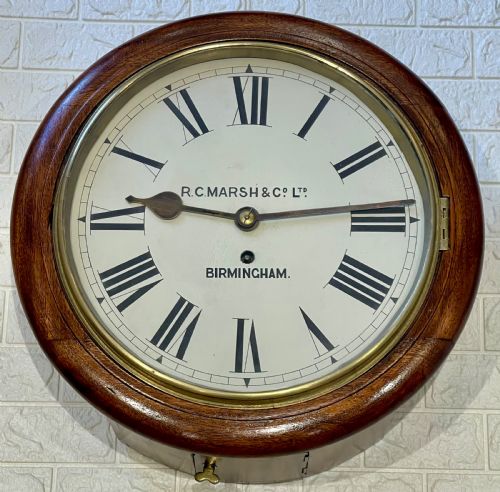
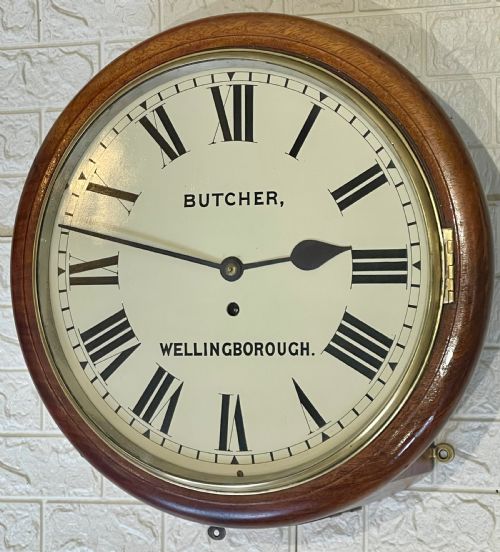


Victorian Oak Pendulum Clock
These victorian oak pendulum clock pieces are solid timber timepieces that bring working nineteenth-century mechanics into any room.
Victorian Oak Pendulum Clock
A victorian oak pendulum clock brings together robust nineteenth-century timber cases and weight-driven or spring-driven movements. When you search for a victorian oak pendulum clock, you encounter both wall-mounted dial clocks and tall freestanding longcase examples.
The pieces appearing on this page span the Victorian era alongside related nineteenth-century periods, utilising dense oak alongside mahogany and walnut highlights. Wall clocks often feature fusee movements, while taller versions range from compact thirty-hour hooded formats to eight-day grandfather clocks.
Regional variations appear across Britain and continental Europe, including Scottish interpretations and Black Forest carvings. Each format serves a distinct domestic space, from hallway timepieces to prominent kitchen or office dial clocks.
Materials and construction
Makers built these clock cases predominantly from solid oak, sometimes combining mahogany or walnut for contrast and moulding details. Dial faces frequently incorporated brass bezels, protective glass covers, and painted enamel with clear numerical markings.
Internal movements relied on iron, brass, and cast components, driven by chains or weights via fusee or eight-day striking mechanisms. Carved ornamentation on cases involved traditional hand woodworking techniques rather than modern machinery.
Victorian Oak Pendulum Clock Retail Price Guide 2026
Typical asking prices for victorian oak pendulum clock among the pieces listed under this phrase on Sellingantiques today, from the lower quarter to the upper quarter. They describe what is for sale here now, not the wider market.
Some railway station clocks bore the scars of punctual guards tapping the wooden bezel to hurry late passengers along.
Assessing quality in movement and case
Quality separates simple mass-produced timepieces from master-built examples through the precision of the fusee or striking movement and the crispness of the oak carving. Superior pieces retain original dials, untouched timber patination, and smooth mechanical operation.
Lesser items may show mismatched components, heavy timber replacement, or poorly executed later carvings that obscure the original nineteenth-century proportions.
David Craig Ford Path head·J. Hummel of Worcester
The Victorian Oak Pendulum Clock Glossary
- Fusee
- A conical pulley used in spring-driven clocks to ensure even power delivery as the mainspring unwinds. This mechanism helps maintain accurate timekeeping throughout the running period.
- Longcase clock
- A tall freestanding weight-driven timekeeper housed in a wooden trunk with a pendulum swinging inside. These units are also known colloquially as grandfather or grandmother clocks depending on their height.
- Drop dial clock
- A wall clock featuring a circular dial mounted above a lower wooden trunk that houses the pendulum. These were widely used in railway stations, offices, and public houses during the nineteenth century.
- Grandmother clock
- A smaller, more compact version of the traditional longcase clock, typically standing under six feet tall. They were manufactured to fit domestic spaces with lower ceilings.
- Dial clock
- A wall-mounted timepiece dominated by a clear circular face designed for easy reading from a distance. They rely on fusee or pendulum movements housed directly behind the dial.
Victorian Oak Pendulum Clock: Frequently Asked Questions
How do I wind an eight day clock?
Use the appropriate winding key to turn the arbors clockwise until resistance stops the movement. Take care not to overwind the mechanism.
Ensure you support the case or pendulum gently during maintenance to avoid throwing the beat out of alignment.
Where should I hang a wall clock?
Mount your wall clock on a solid interior wall using fixings rated for the weight of the timber case. Avoid exterior walls subject to dampness or significant temperature swings.
Keep the clock away from heavy vibrations, such as slamming doors, which can disrupt the pendulum swing.
Why does my clock keep stopping?
Stopping often occurs because the clock is out of beat, meaning the pendulum is not swinging evenly from side to side. Adjust the case position or the crutch wire carefully until the tick sounds uniform.
Another common cause is the need for a professional clean and lubrication of the brass gears.
How do I tell an original Victorian clock apart from later copies?
Examine the timber construction for period-appropriate joinery, hand-cut screws, and natural ageing of the oak surface. Original movements will show wear patterns consistent with nineteenth-century handcrafting.
Check the dial and movement numbers to ensure the components belong together rather than being assembled from disparate parts.