

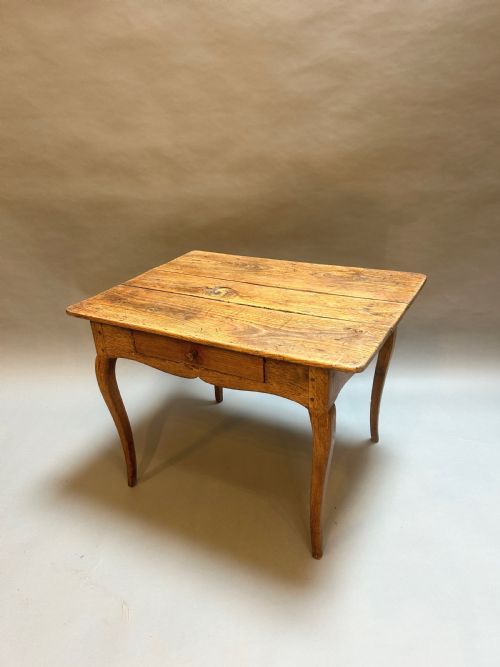


Warm Brown Lamp Table
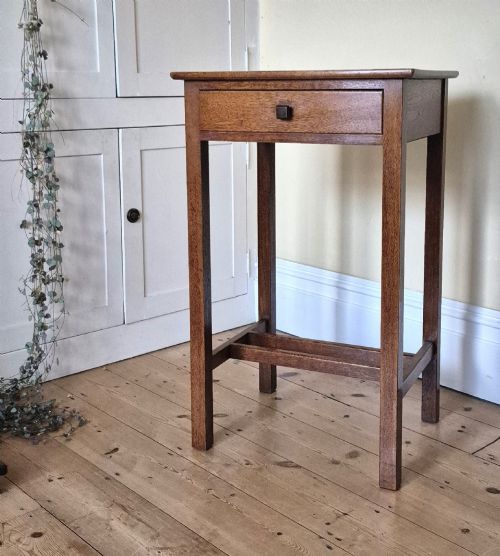
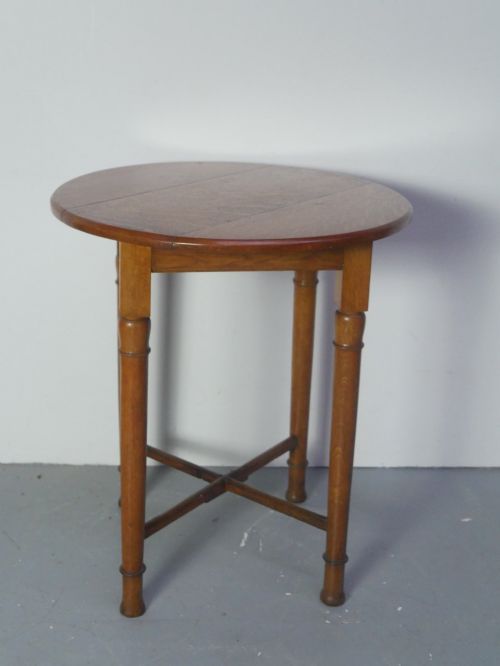
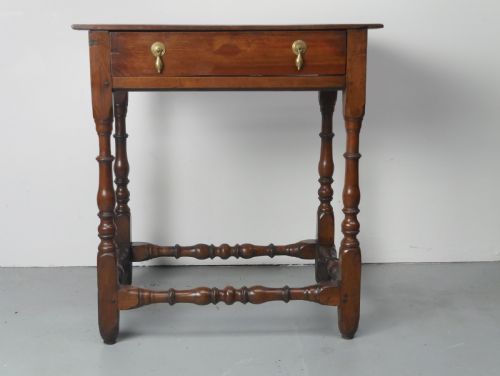
A warm brown lamp table brings rich tone and compact utility to a room, offering a sturdy surface for lighting alongside period character.
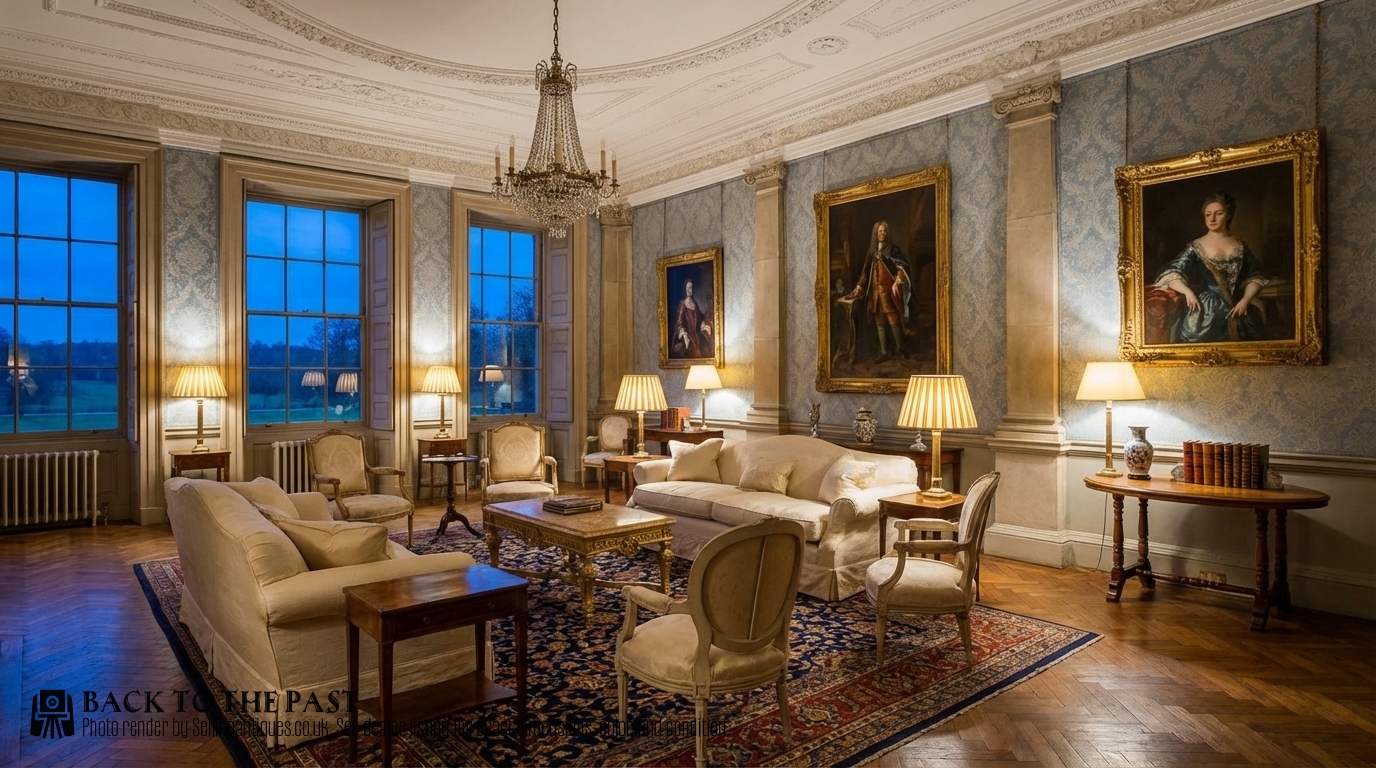
Understanding the warm brown lamp table
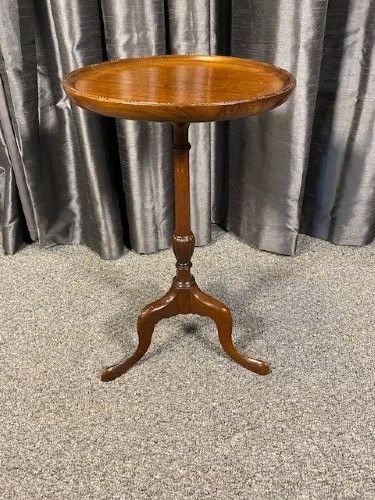
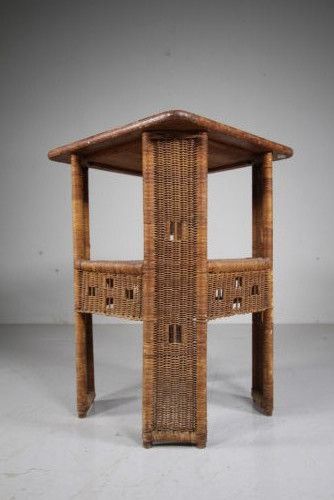
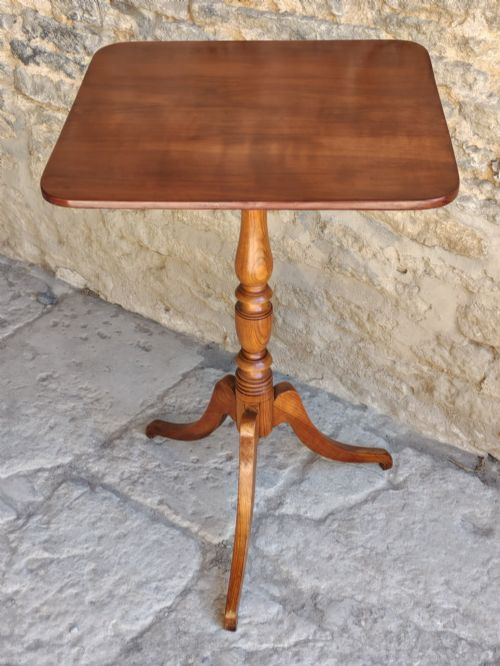
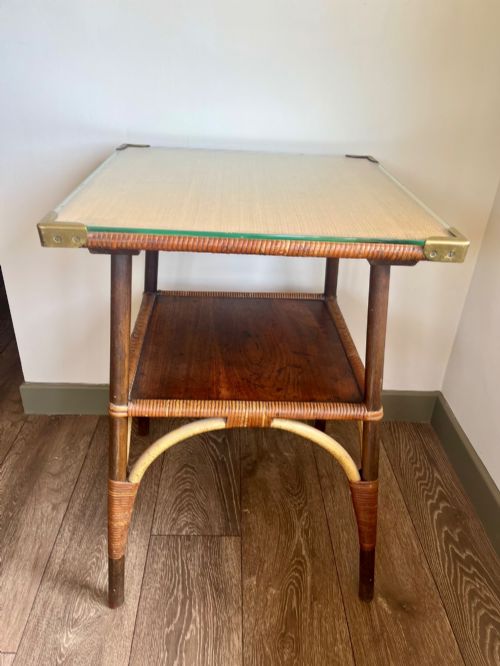
A warm brown lamp table takes the form of an occasional table, a side table, or a two-tier occasional table designed for placement beside seating. These pieces emerge from the Victorian, Edwardian, and 1920s periods, spanning dates from eighteen sixty through nineteen twenty.
The material palette centres on rich timber tones including mahogany, walnut, oak, and teak. Buyers encounter compact side tables and occasional tables that double as lamp surfaces, reflecting both Victorian craftsmanship and early twentieth-century utility.
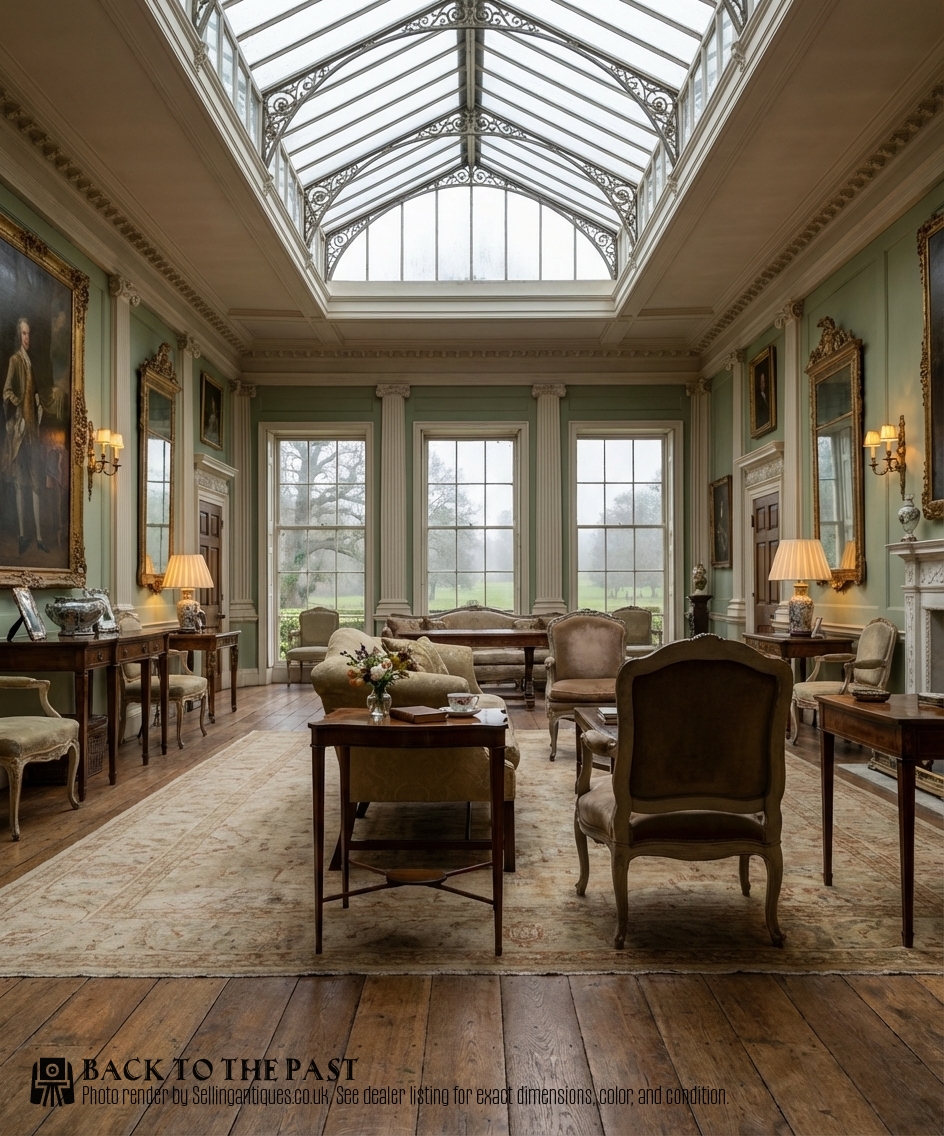
Materials and construction
Cabinet makers utilised dense hardwoods such as mahogany, walnut, oak, and teak to build durable foundational frames. These primary timbers provide the deep, warm brown coloration characteristic of the group.
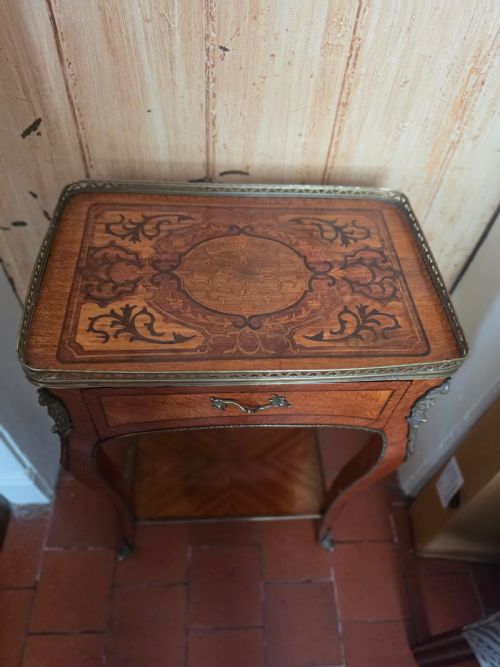
Surface decoration incorporates contrasting elements like satinwood and boxwood, alongside inlaid marquetry and carved detailing. These techniques add visual texture to the timber surfaces without compromising structural integrity.
Retail Price Guide 2026
Typical UK retail prices for warm brown lamp table, calculated from the Sellingantiques database of over a million retail prices indexed since 2003. This retail price guide relies exclusively on Sellingantiques data; no external sources or auction records are used, so the figures do not describe the wider market.
Timbers represented include mahogany, satinwood, oak, boxwood, teak, and walnut.
Assessing quality and character
Quality separates pieces through the precision of their timber selection and decorative execution. Tables featuring intricate inlaid marquetry or refined boxwood and satinwood details sit at a different level from plain functional examples.
The choice between carved teak, figured walnut, and standard oak dictates the visual weight of the furniture. Finer examples display harmonious grain patterns and deliberate stylistic flourishes from the Aesthetic Movement or Edwardian era.
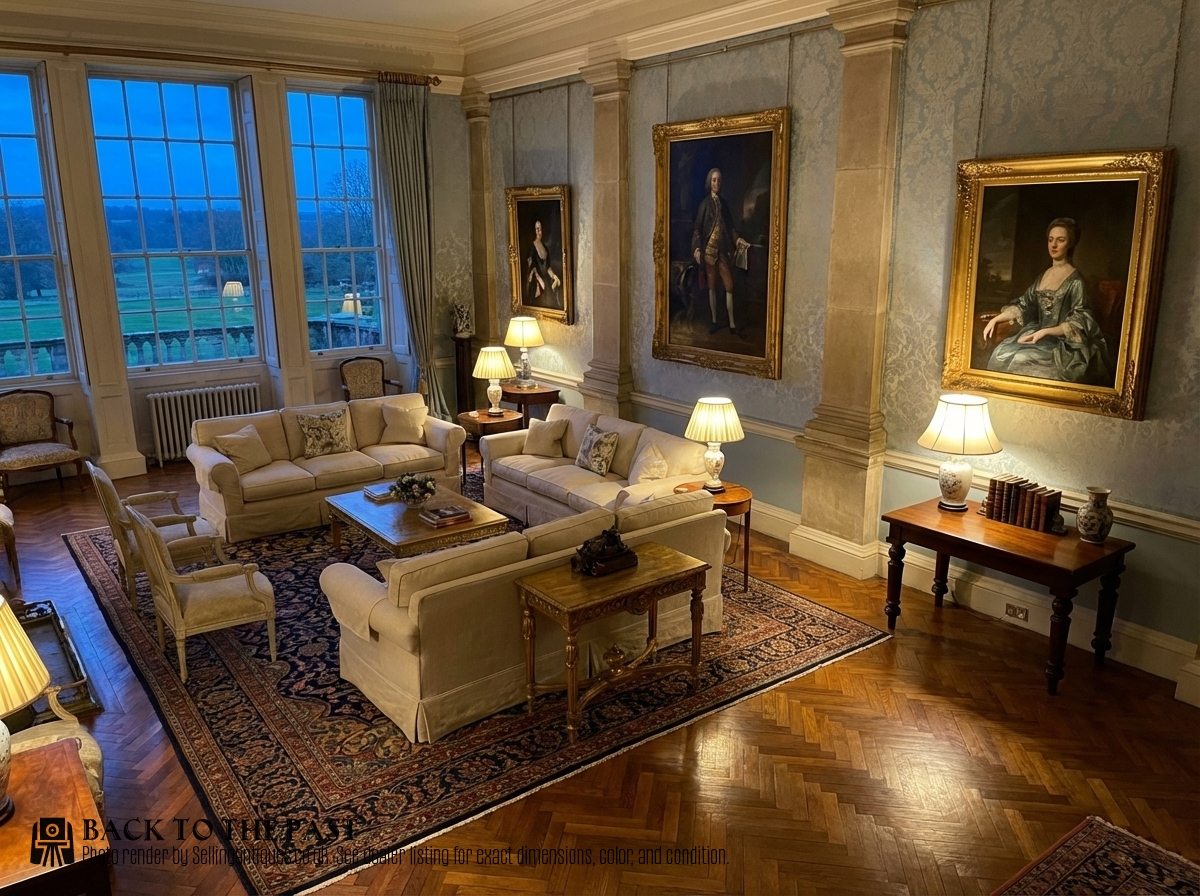
The Warm Brown Lamp Table Glossary
- Occasional table
- A small, movable table intended for occasional use in a sitting room or parlour. It functions easily beside a chair or sofa.
- Marquetry
- The art and craft of applying pieces of veneer to a structure to form decorative patterns. This technique appears on tabletops to create detailed imagery.
- Aesthetic Movement
- A late nineteenth-century design style emphasising visual beauty over narrative subject matter. Pieces from this movement often display refined proportions and dark timber.
- Two tier
- A furniture design incorporating a main upper surface and a lower shelf. The secondary shelf provides additional space for display or storage.
Frequently Asked Questions
What is a warm brown lamp table?
A warm brown lamp table is a compact piece of antique furniture built to hold a lamp beside seating. These items typically take the form of occasional tables or side tables.
Peculiar to the Victorian, Edwardian, and early twentieth-century periods, they utilise woods like mahogany, walnut, and oak to deliver deep colour and practical surface area.
How were these tables used historically?
Historically, these tables served as movable surfaces in domestic sitting rooms and parlours. They held lighting, books, or decorative objects within easy reach of seating.
Their compact size allowed servants or residents to reposition them easily around the room according to daily requirements.
How do I live with an antique table?
Living with an antique table involves placing it in a low-traffic spot where its timber surface remains safe from excessive moisture or heat. Regular dusting preserves the polished finish.
Using coasters and avoiding direct sunlight protects the antique mahogany, walnut, or teak from fading and ring marks over time.
How do I tell Victorian from Edwardian tables?
Victorian tables often feature denser, darker timbers like walnut and mahogany, occasionally with Aesthetic Movement influences or carved elements. They reflect the heavier proportions popular in the nineteenth century.
Edwardian pieces tend toward lighter styling, sometimes incorporating satinwood inlay and two-tier designs that lighten the visual footprint in a room.