

Walnut Stretcher Table
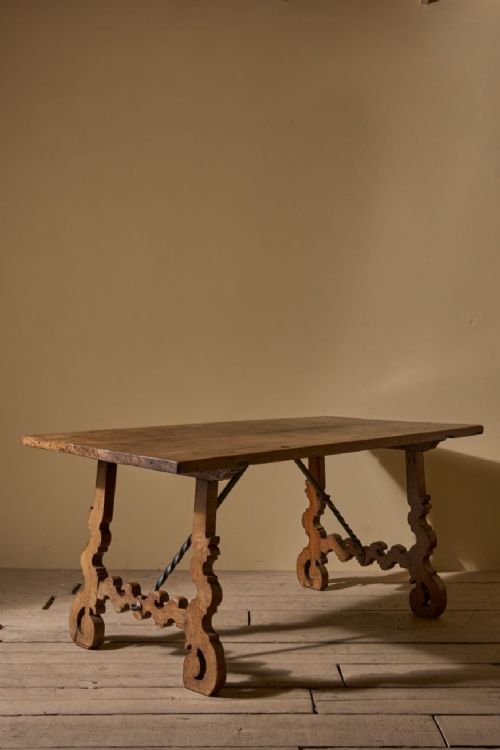
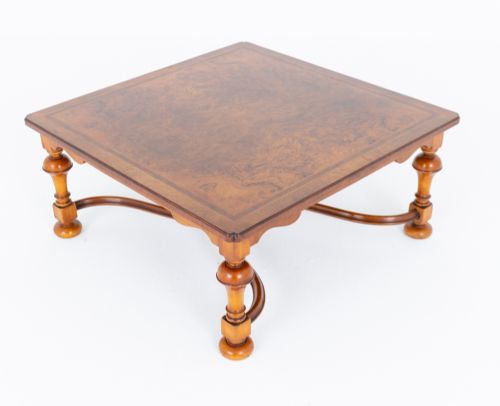
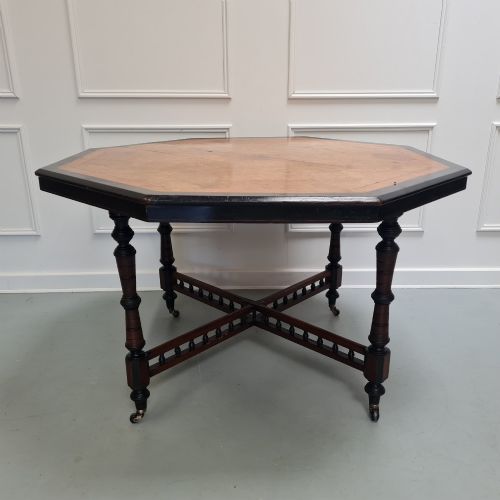
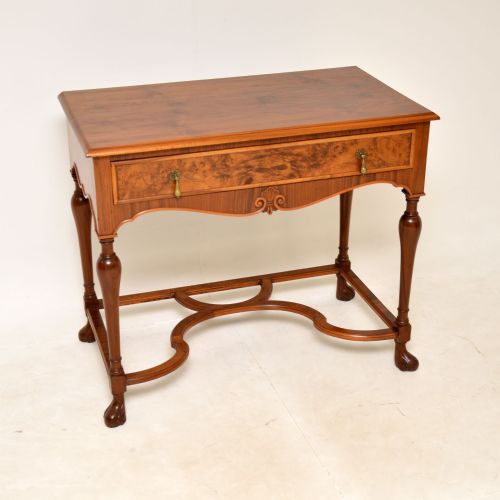
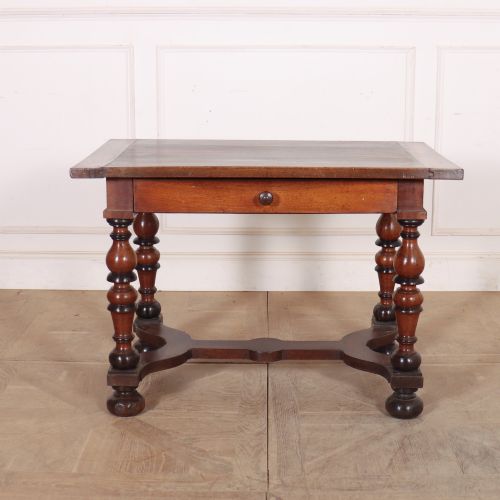
A walnut stretcher table offers a sturdy underframe combined with rich timber grain, serving as a handsome centrepiece for any room.

Walnut Stretcher Table
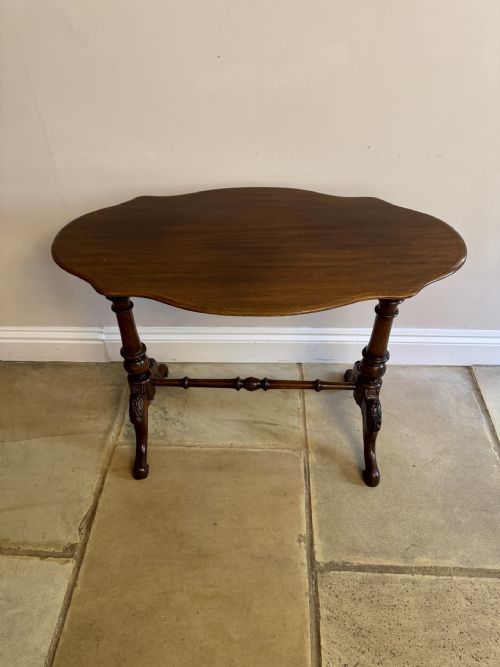
A walnut stretcher table is a domestic surface held together by lower rails between the legs, appearing frequently in Victorian iterations alongside earlier seventeenth and eighteenth-century examples.
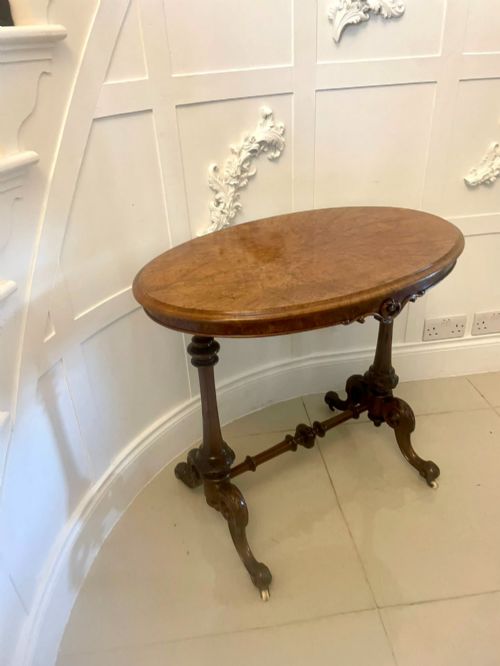
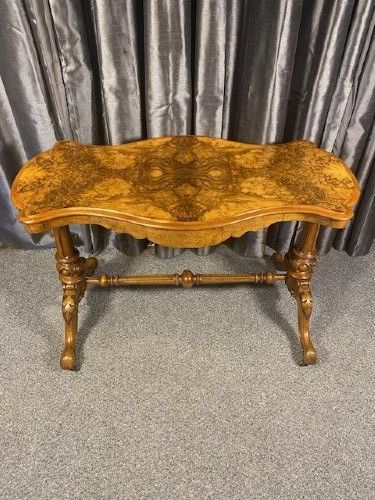
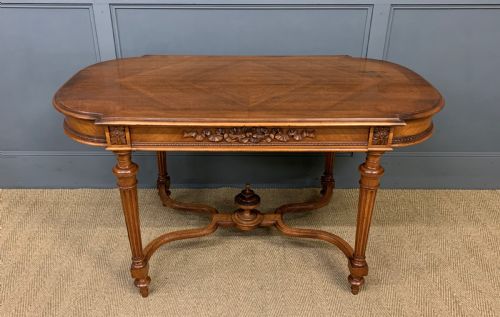
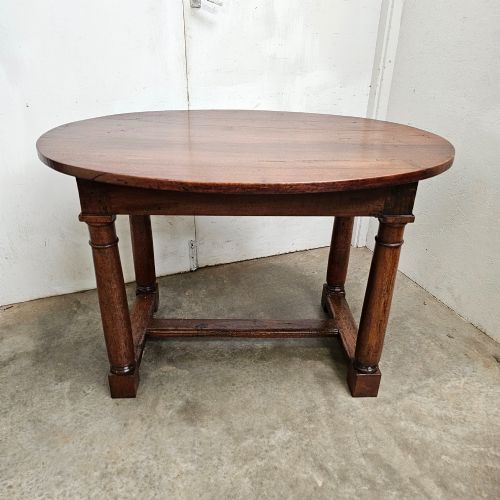
Buyers encounter numerous side, occasional, and centre table formats when searching for this phrase, often built with oval, kidney-shaped, or rectangular tops.
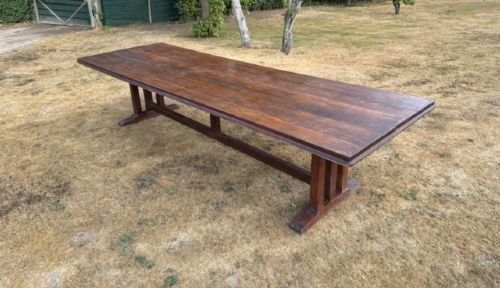
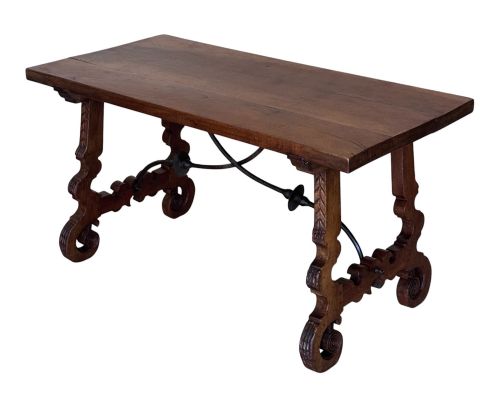
Originating across English, French, and Spanish workshops, these pieces range from austere refectory forms to highly decorative Victorian library and games tables.
Materials and Construction
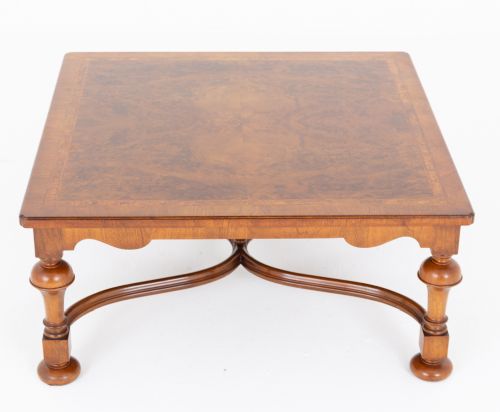
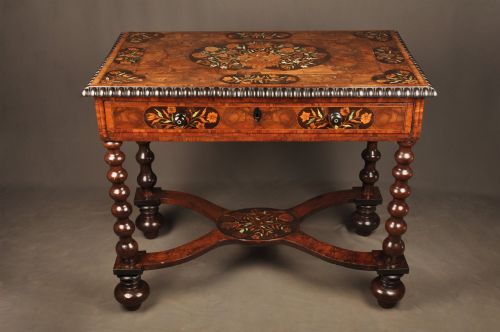
Cabinet makers utilised solid walnut and figured burr walnut veneers over secondary timbers, often embellishing tops with marquetry inlay and brass fittings.
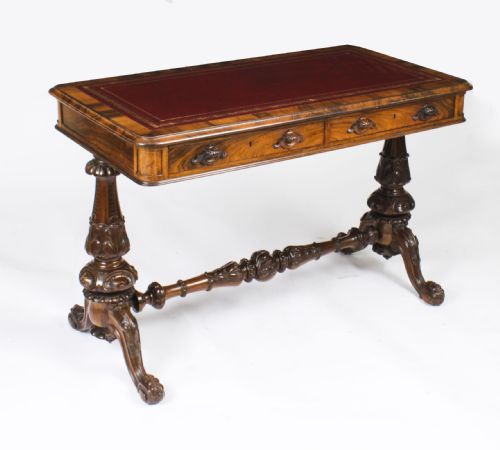
Structural rigidity relied upon timber stretchers turned into barley twist or shaped configurations, connecting the legs near the base.
Victorian makers occasionally hid tiny stationery drawers beneath kidney-shaped tops, perfect for keeping stray nibs.
Assessing Quality and Execution
Quality rests upon the selection of the timber grain, where symmetrical burr walnut veneer patterns elevate the visual impact of the top.
The crispness of carved stretcher legs and the tightness of joinery separate standard production pieces from exceptional workshop creations.
Edwards & Roberts·W J Mansell
The Walnut Stretcher Table Glossary
- Stretcher
- A horizontal rail connecting the legs of a table to provide structural stability and rigidity. It often runs close to the floor between all four legs.
- Burr Walnut
- A wood veneer taken from the warted growth on a walnut tree, yielding highly figured and swirling grain patterns. Cabinet makers prized it for decorative table tops.
- Marquetry
- The art of applying pieces of veneer to a structure to form decorative patterns and pictures. It appears frequently on Victorian and seventeenth-century surfaces.
- Refectory Table
- A long, narrow dining table originally built for monastic dining halls. Later revival versions utilise walnut timber and sturdy lower stretchers.
- Lowboy
- A small seventeenth or eighteenth-century dressing table with drawers, raised on relatively tall legs connected by stretchers.
Walnut Stretcher Table: Frequently Asked Questions
What is a stretcher table?
A stretcher table is any dining, side, or occasional table featuring horizontal connecting rails between the legs below the main top.
These underframe supports add rigidity while defining the architectural style of the piece.
How do I date a walnut table?
Dating relies on examining the construction methods, secondary timbers, hardware, and prevailing decorative styles of the era.
Earlier pieces show hand-cut joinery and solid timber construction, while Victorian examples frequently employ complex veneers.
Where should I place a stretcher table?
These tables suit hallways, living rooms, and studies as functional surfaces for lamps, writing, or display.
Freestanding centre versions allow placement in the middle of a room to showcase grain patterns from all angles.
How do I care for burr walnut?
Burr walnut benefits from protection against direct sunlight and extreme humidity changes to prevent veneer cracking.
Regular dusting with a dry cloth maintains the polished finish without requiring heavy chemical polishes.