
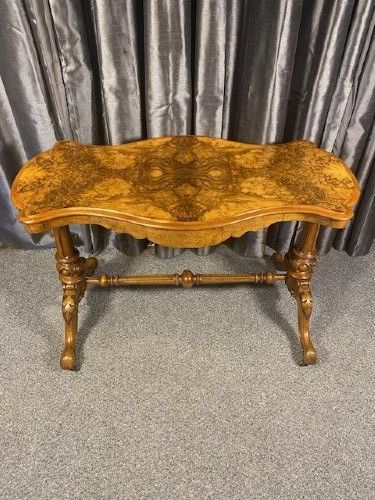
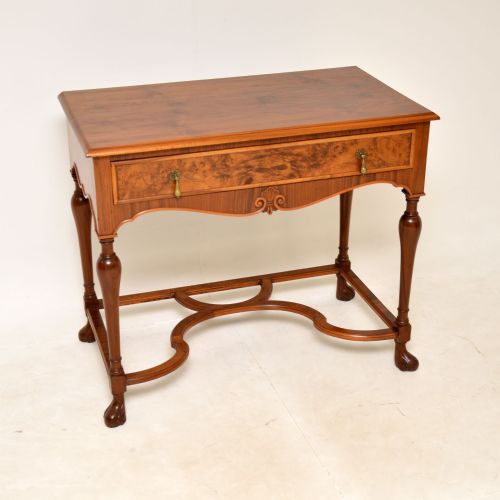


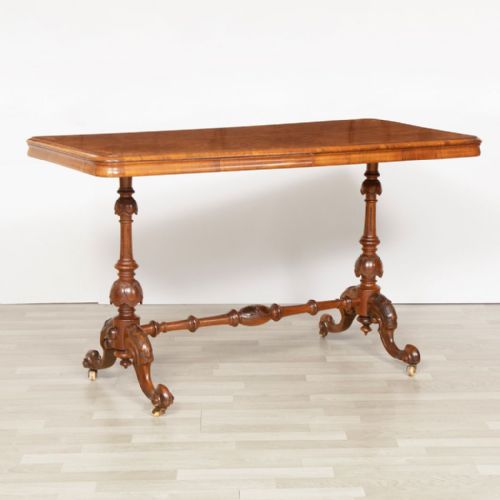


Burr Walnut Stretcher Table
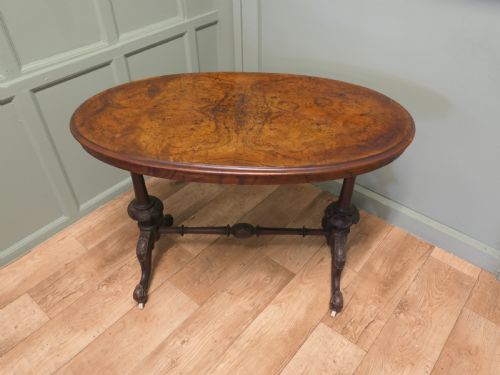
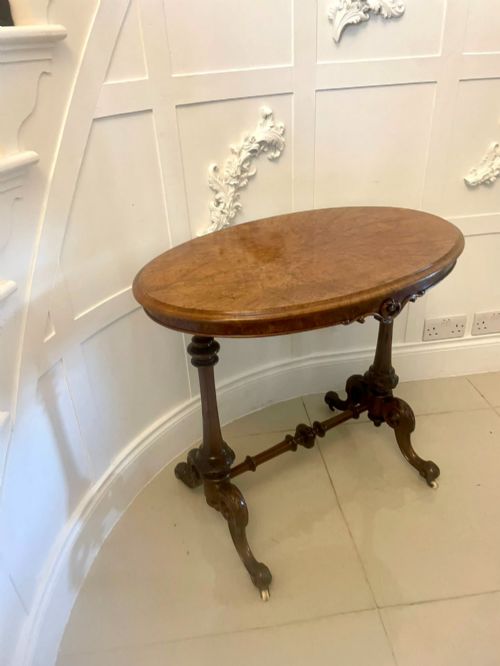
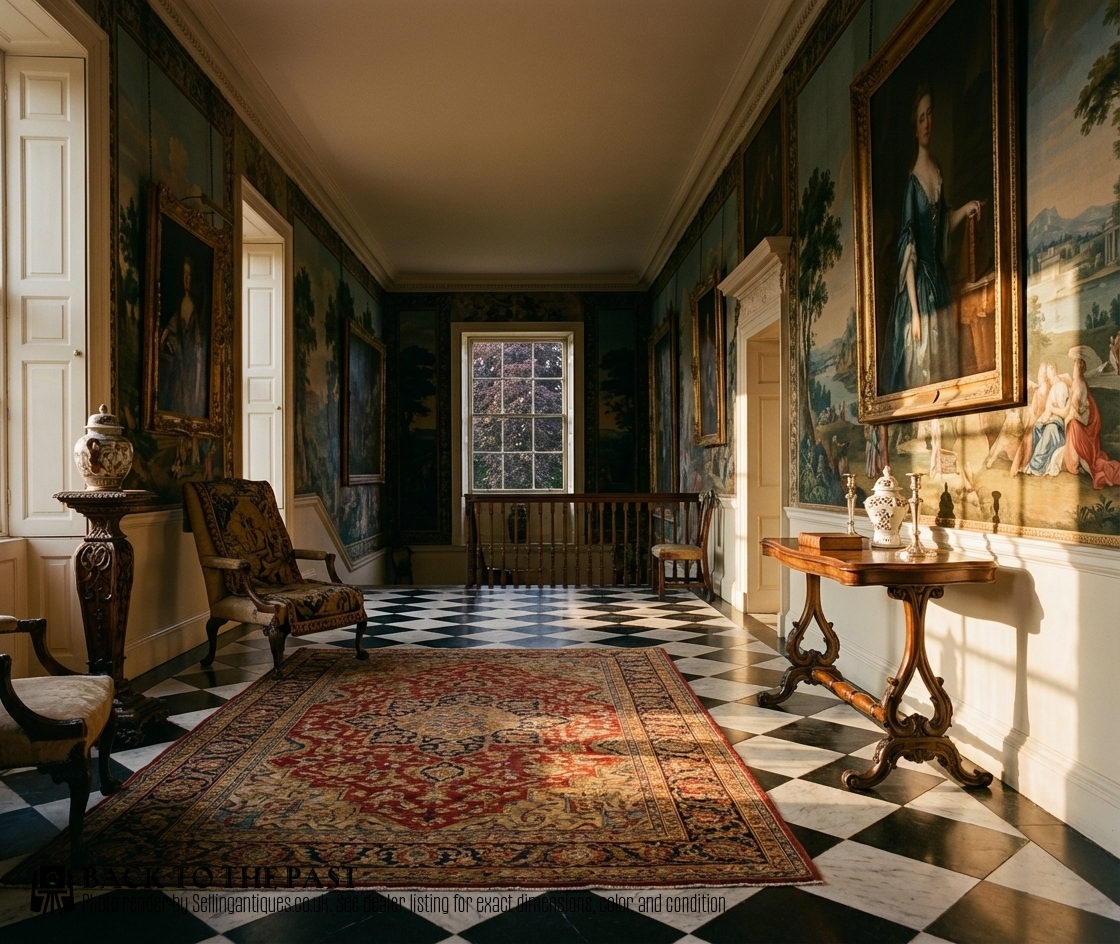
Burr walnut stretcher table pieces combine rich wood grain figures with sturdy lower bracing, offering both practical surface space and distinct period character.
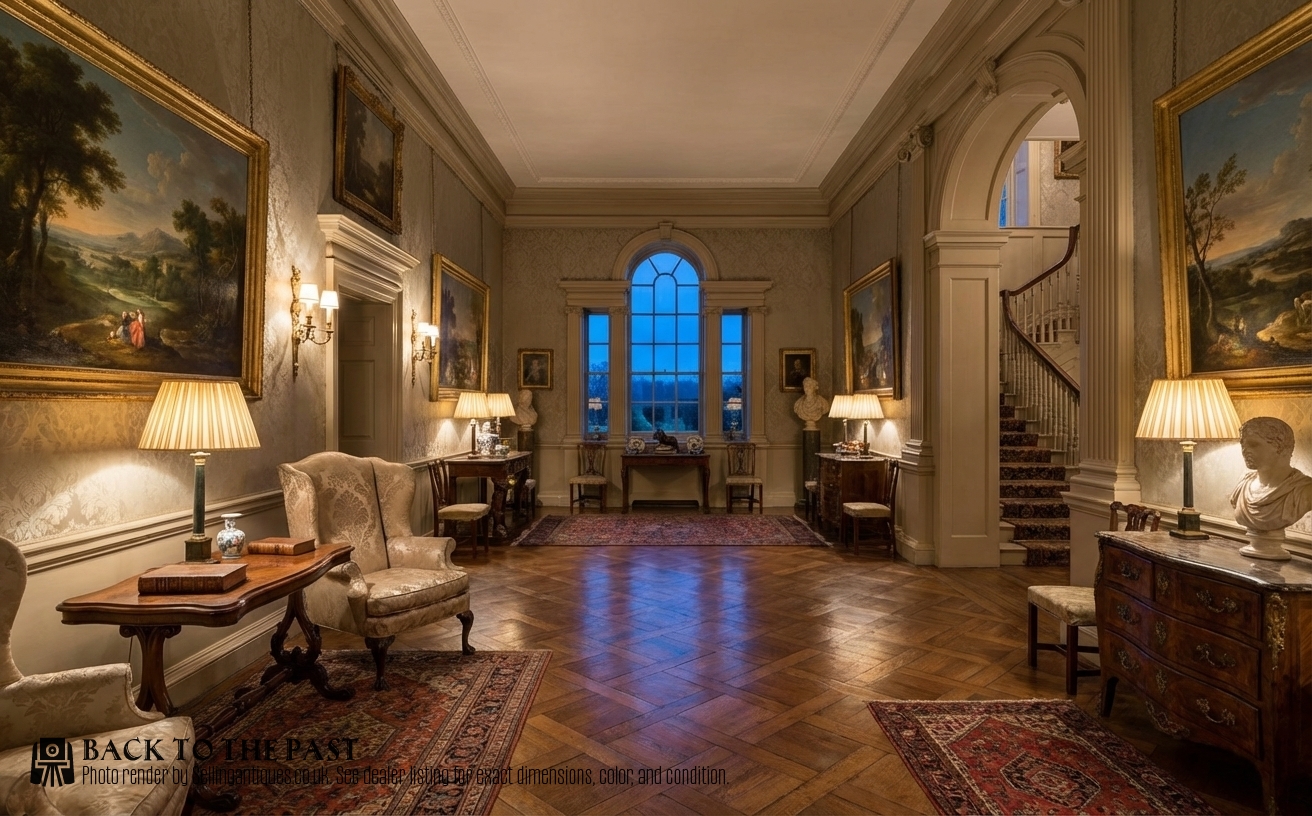
Burr Walnut Stretcher Table
A burr walnut stretcher table brings together a highly figured timber top and a stabilizing lower framework connecting the legs. Most examples found here date from the Victorian period, spanning the mid-to-late nineteenth century.
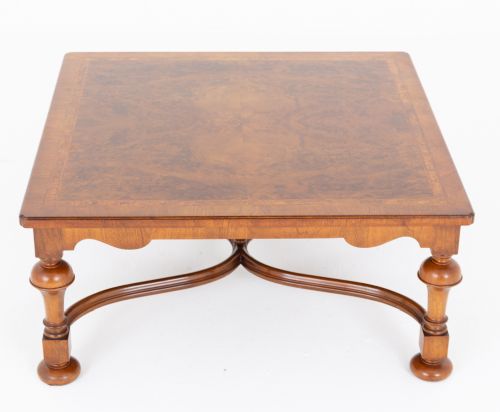
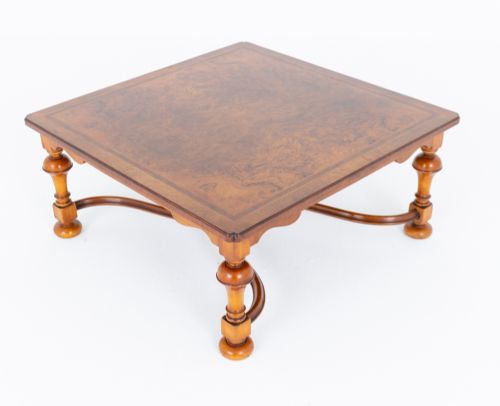
The selection ranges from dedicated stretcher tables to related occasional, centre, and games tables featuring similar timber and bracing. These pieces served diverse domestic functions in nineteenth-century rooms, acting as writing desks, tea surfaces, or central display furniture.
Victorian makers utilised the striking natural grain patterns of burr walnut to create visually engaging surfaces. The inclusion of a stretcher base provided structural reinforcement while enhancing the architectural silhouette of the furniture.
Materials and construction
Cabinet makers applied thin veneers of burr walnut over solid secondary timbers to create the distinctive swirling patterns on the tabletops. Boxwood and wood inlay work frequently embellished the borders and surfaces, adding linear contrast to the figured brown walnut.
The underlying framework relied on timber construction, with brass hardware appearing on castors or hinges for folding games surfaces. Ebonised wood details and carved elements occasionally accented the legs and stretcher bases of Victorian pieces.
Joinery techniques united the top, legs, and connecting stretchers into a rigid structure capable of withstanding daily domestic use. The careful selection of timber grain ensured each table displayed a unique decorative pattern across its primary surfaces.
Listings feature burr walnut stretcher tables predominantly from the Victorian period, alongside nineteenth-century occasional and centre tables incorporating boxwood inlay.
Assessing quality and craftsmanship
Quality in a burr walnut stretcher table rests upon the density and symmetry of the burr grain across the top. Finer examples display harmonious grain matching and crisp, intact inlay work without disturbance to the polished finish.
Structural integrity of the stretcher base and leg joints separates standard items from superior pieces. Well-executed carving, precise joinery, and original brass fittings indicate higher standards of nineteenth-century workshop production.

W J Mansell
The Burr Walnut Stretcher Table Glossary
- Burr walnut
- A figured veneer sliced from walnut tree growths containing knot clusters. This timber produces intricate, swirling patterns highly prized in nineteenth-century cabinet making.
- Inlay
- The technique of embedding contrasting materials such as boxwood into the walnut surface to form decorative motifs. It defines the borders of many Victorian tabletops.
- Centre table
- A freestanding piece designed to be viewed from all sides rather than placed against a wall. Many burr walnut examples function in this manner within a room.
- Games table
- A convertible surface featuring a foldover top intended for cards or board pastimes. Some variations incorporate this mechanism alongside the stretcher base.
Burr Walnut Stretcher Table: Frequently Asked Questions
What is a burr walnut stretcher table?
A burr walnut stretcher table is a nineteenth-century wooden furnishing characterised by its figured burr walnut veneer top and a stabilizing lower stretcher frame connecting the legs.
These pieces were built primarily during the Victorian era for domestic use as centre, side, or games tables.
How do I date a burr walnut table?
Dating relies on stylistic clues, construction methods, and materials recorded from the mid-nineteenth century onward. Victorian examples frequently combine walnut veneers with boxwood inlay and turned stretcher supports.
Earlier seventeenth-century revivals also appear, reflecting later interpretations of Carolean or William and Mary designs.
Where should I place a centre table?
A centre table is finished on all sides, making it suitable for placement in the middle of a room or prominent open spaces. They function well as central display surfaces or occasional writing desks.
Ensure adequate clearance around the stretcher base for comfortable seating or movement.
How do I care for burr walnut veneer?
Maintain burr walnut by keeping the timber away from direct heat sources and strong sunlight to prevent veneer drying or fading. Regular dusting with a soft, dry cloth preserves the polished finish.
Avoid excessive moisture and use protective pads beneath items placed on the surface.