
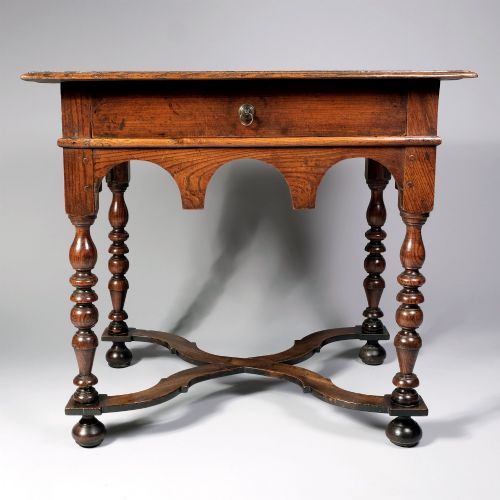
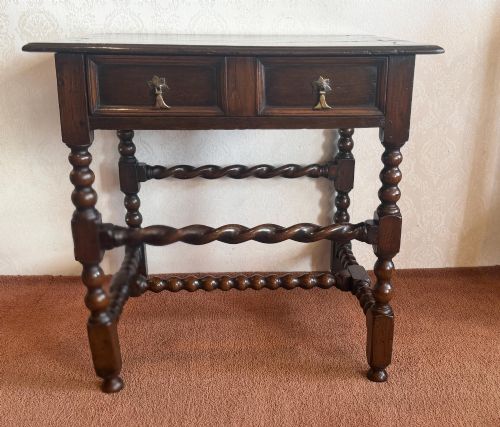


Carved Stretcher Accent Table
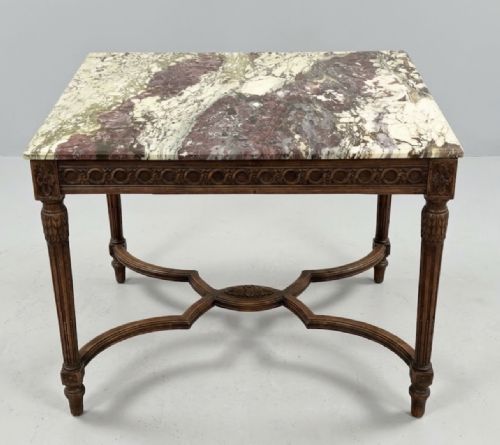
A carved stretcher accent table brings solid timber warmth and structural detail to a room, offering practical surface space atop turned or shaped underframes.
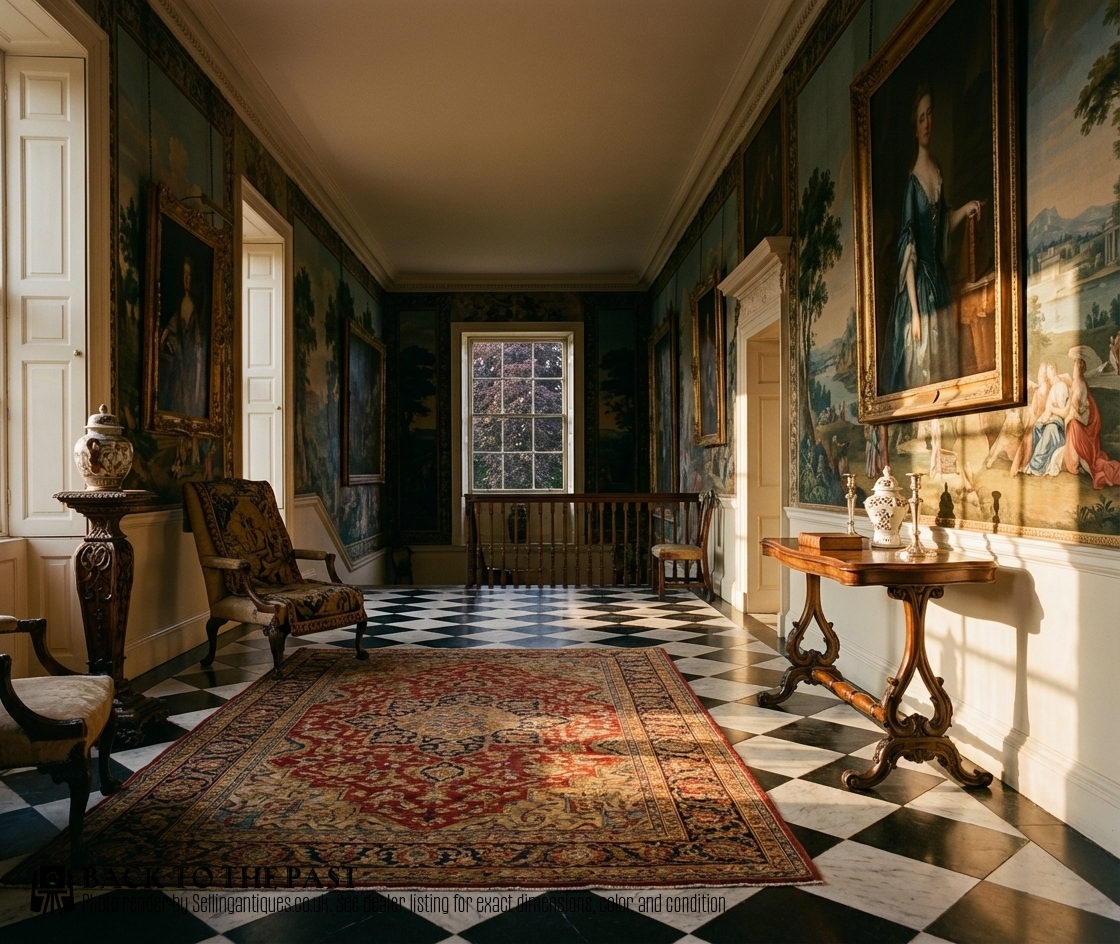
Carved Stretcher Accent Table
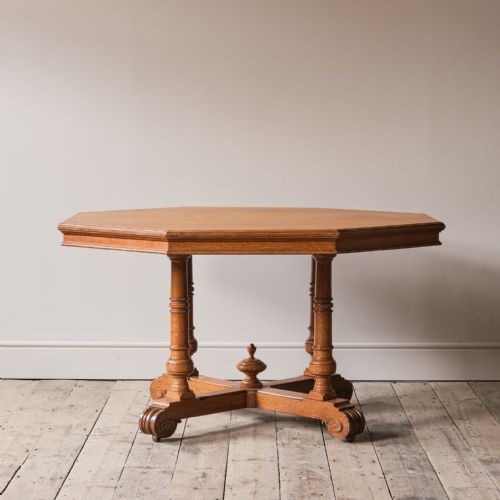
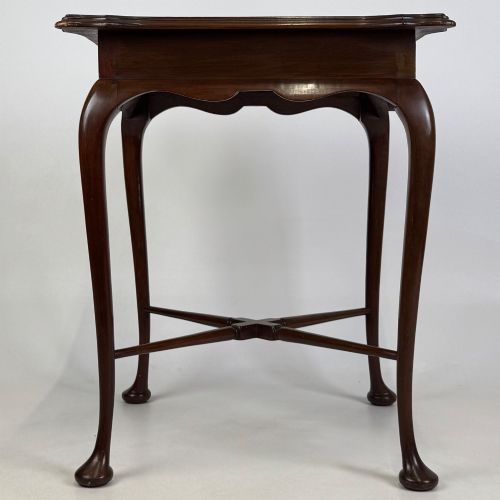
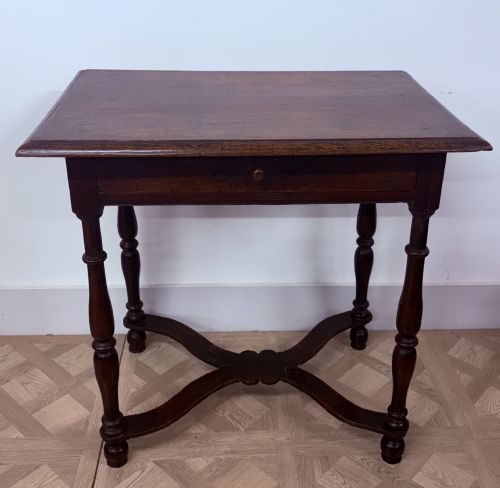
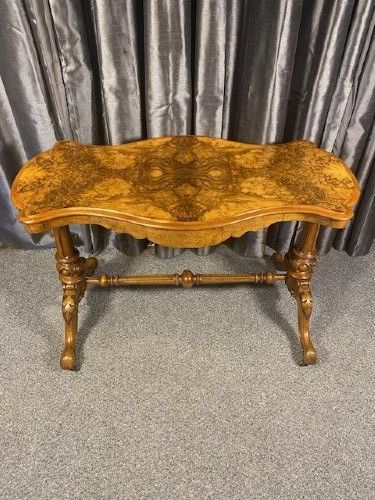
When searching for a carved stretcher accent table, buyers encounter a diverse selection of occasional, side, and centre tables spanning several centuries. The nineteenth century yields numerous walnut, oak, and mahogany examples, often incorporating elaborate turning or carved decoration beneath the top.
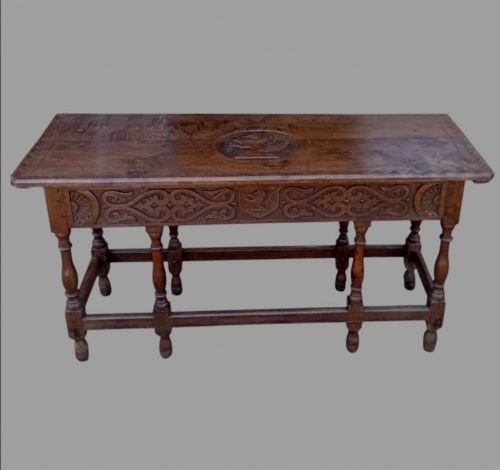
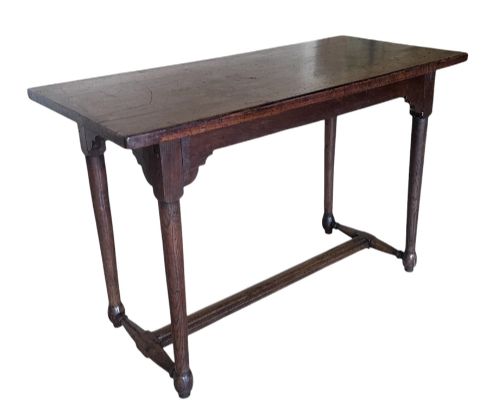
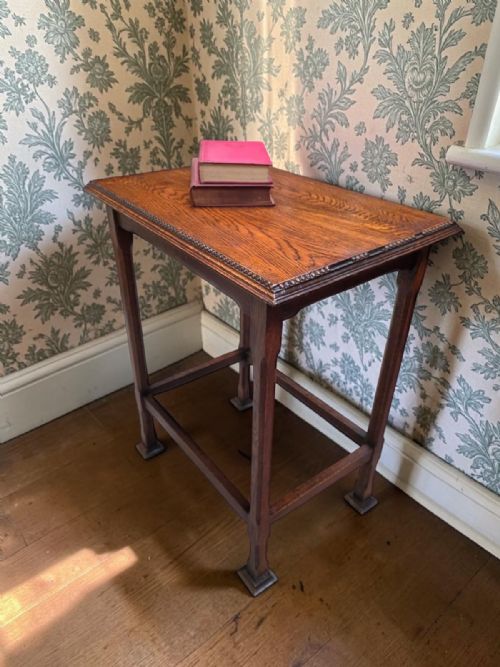
Earlier periods are represented by seventeenth-century English and Spanish pieces in oak and elm, utilising robust stretchers for stability. Edwardian and later twentieth-century iterations continue the tradition in mahogany and oak, serving as versatile lamp or display surfaces.
How they were made
Cabinetmakers constructed these tables using dense hardwoods such as oak, mahogany, walnut, and rosewood, sometimes selecting burr veneers or fiddleback grains for decorative surfaces. Joinery relied on traditional methods like mortise and tenon joints to secure the legs to the lower stretchers.
Carving and turning formed essential parts of the construction process, creating barley twist, bobbin-turned, or shaped underframes that braced the legs. Brass fittings occasionally supplemented the woodwork on specific forms like tray-top or Pembroke tables.
What varies in quality
The choice of timber underpins the overall grade of the piece, with figured grains like burr walnut, olive wood, and fiddleback mahogany marking out finer productions. The depth, crispness, and execution of the carved details and turned stretchers reveal the maker's hand and ambition.
Proportion and structural integrity distinguish superior examples, where the stretchers integrate harmoniously with the legs to provide both visual weight and physical stability. Patina and the preservation of original timber surfaces further define the standing of each table.
Gillows
The Carved Stretcher Accent Table Glossary
- Stretcher
- A horizontal timber connecting the legs of a table to provide structural bracing and stability. These components frequently feature decorative turning or carving.
- Occasional table
- A small, movable table designed for intermittent use in a reception room or hall. These pieces often serve as lamp or display stands.
- Burr walnut
- A veneer sliced from the knotty growth of a walnut tree, prized for its swirling, highly decorative grain patterns. It appears frequently on Victorian table tops.
- Barley twist
- A form of turning resembling a spiralling rope, popular in seventeenth-century joinery and revived in later periods. It adds vertical texture to table legs and stretchers.
- Pembroke table
- A drop-leaf table with hinged flaps on either side, introduced in the eighteenth century. These pieces often include a single drawer and stretcher supports.
Carved Stretcher Accent Table: Frequently Asked Questions
Where should I place an accent table?
These tables work well beside seating, in hallways, or as lamp stands in reception rooms. Their compact proportions allow them to fit into corners and smaller spaces.
The carved details and timber grains add texture and focal interest to empty wall areas.
How do I date a wooden table?
Dating relies on identifying the primary timber, construction methods, and stylistic details such as turning patterns and carving motifs. Seventeenth-century pieces typically show heavy oak or elm construction with joined frames.
Victorian and Edwardian examples introduce burr veneers, rosewood, and machine-assisted joinery alongside revival styles.
Are these tables sturdy enough for daily use?
Solid timber construction and braced underframes make these tables durable for holding lamps, books, or decorative objects. The lower stretchers add considerable physical stability to the frame.
Care should be taken with veneered or highly polished surfaces to avoid moisture marks and scratches.