




Walnut Sheet Music Cabinet
A walnut sheet music cabinet is a specialised home storage piece designed for bound folios and loose scores, prized for figuring and timber depth.
What They Are
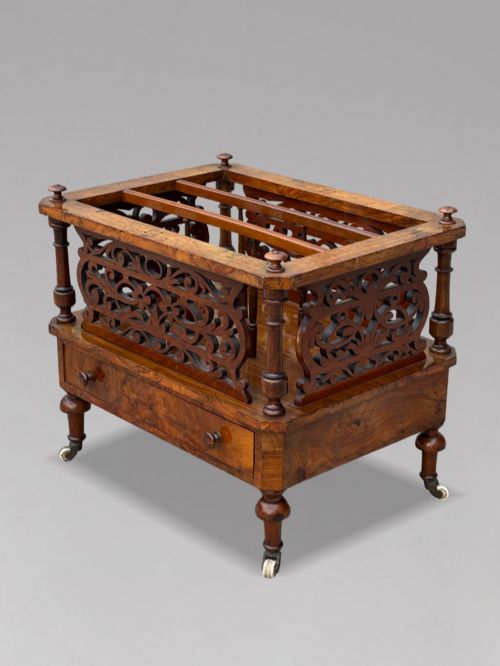
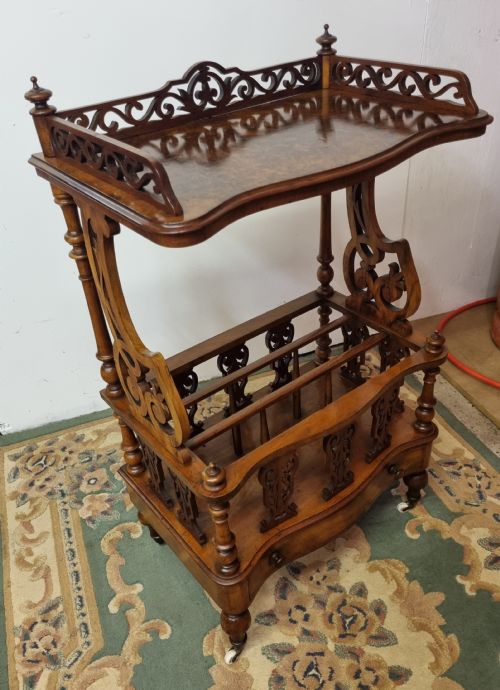
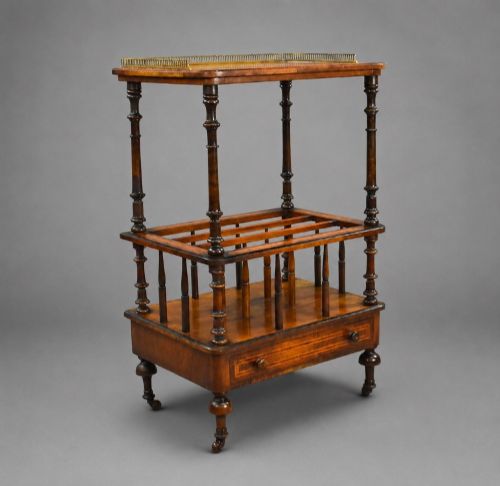
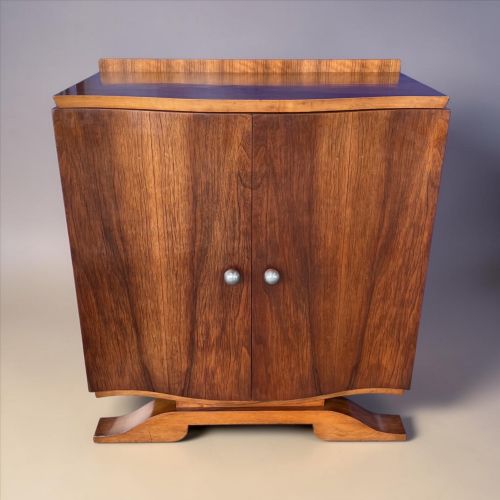
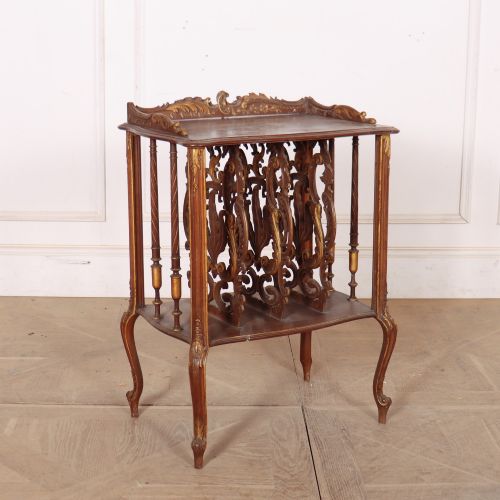
When you search for walnut sheet music cabinet, you find dedicated storage furniture made primarily during the Victorian and Edwardian periods. These compact pieces were built to house sheet music, folios and scores in drawing rooms and music parlours.
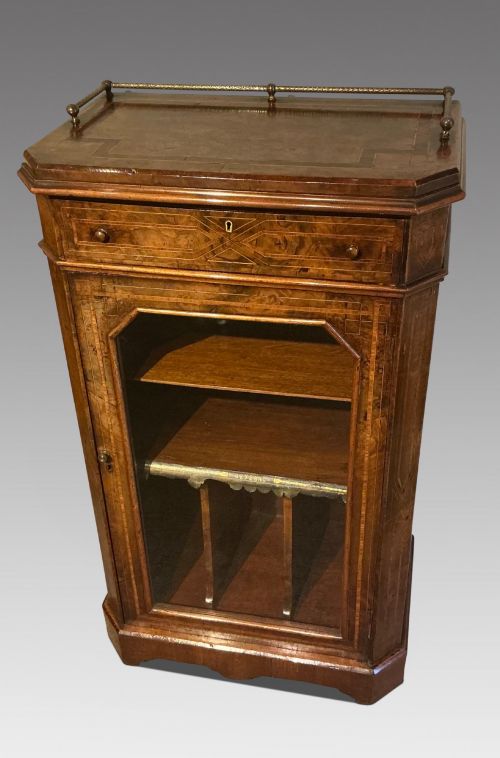
The versions you meet on this page date from around eighteen-sixty through to the late nineteenth and early twentieth centuries. They appear in both Victorian and Edwardian styles, spanning straightforward upright forms and glazed display cupboards.
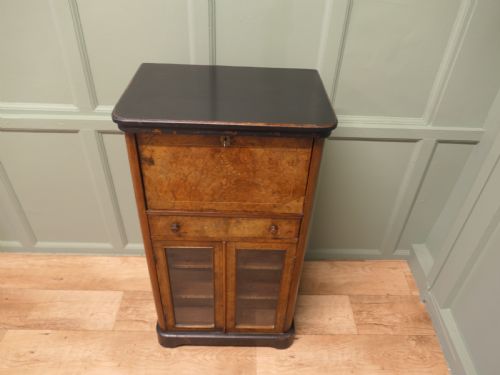
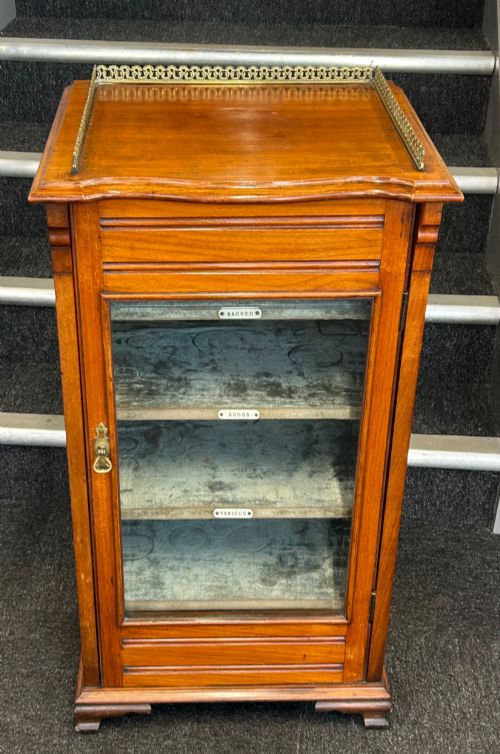
Makers utilised timber varieties including burr walnut and figured walnut, sometimes incorporating glass, brass and wood inlay. Many examples feature drop-front drawers or small cupboards specifically proportioned for paper sheets.
How They Were Made
Cabinet makers selected choice cuts of walnut, burr walnut and figured walnut for visible exterior surfaces, laying decorative veneers over solid wood carcases. The distinct grain patterns provide the primary visual interest across both Victorian and Edwardian examples.
Detailing often includes fine wood inlay, glazed doors and fitted brass handles or hinges. Internal configuration relies on specialised drop-front drawers or tiered shelving designed to keep paper sheets flat and organised.
Retail Price Guide 2026
Typical UK retail prices for walnut sheet music cabinet, calculated from the Sellingantiques database of over a million retail prices indexed since 2003. This retail price guide relies exclusively on Sellingantiques data; no external sources or auction records are used, so the figures do not describe the wider market.
Drop-front drawers were cleverly engineered so musicians could thumb through stacked sheet music without ever pulling the actual score all the way out.
What Varies in Quality
The distinction between standard production and superior examples rests in timber selection and decorative restraint. Pieces utilising heavily figured burr walnut and precise wood inlay sit at the upper end of the range.
Structural refinement also separates the tiers, seen in the smooth operation of drop-front drawers and the integration of glazed display panels. Finer cabinets display harmonious proportions and balanced grain matching across the front.
The Walnut Sheet Music Cabinet Glossary
- Burr Walnut
- A highly prized wood veneer showing knotted, swirling grain patterns formed from tree growths. It provides rich visual texture on Victorian and Edwardian cabinet fronts.
- Drop-Front Drawer
- A drawer mechanism with a hinged front that lowers when pulled, allowing easy access to stacked paper sheets inside. This configuration is typical of music storage furniture.
- Figured Walnut
- Timber exhibiting natural decorative grain variations and markings. Cabinet makers selected these boards to enhance the surface appearance of music cupboards.
- Inlay
- The technique of embedding contrasting strips of wood into the primary surface to form geometric or floral patterns. Edwardian and Victorian pieces frequently utilise this ornamentation.
Frequently Asked Questions
What is a walnut sheet music cabinet?
A walnut sheet music cabinet is a designated piece of antique furniture built to store musical scores and folios. These compact units keep paper collections tidy.
They emerged during the nineteenth and early twentieth centuries as domestic music-making grew popular in parlours. The design accommodates standard sheet dimensions through specialised drawers or shelves.
How were music cabinets used?
Musicians used these cabinets to store loose sheet music, bound scores and gramophone records near their instruments. The specialised internal storage protected paper from dust and damage.
The drop-front drawers and small cupboards allowed players to quickly browse through folios before sitting down at the piano.
How do I date a music cabinet?
Dating relies on stylistic markers from the Victorian and Edwardian eras, alongside construction techniques and timber choices. Mid-to-late nineteenth century pieces often feature heavy burr walnut veneers.
Edwardian examples tend to show lighter wood inlay and more refined framing. Glazing styles and brass hardware also offer clues to the exact period of manufacture.
Can I use these cabinets for modern storage?
These cabinets adapt well to modern homes for organising stationery, craft supplies or small collections. The shallow drawers suit flat items perfectly.
Placing one in a living room or study preserves its original function on a smaller scale while adding period walnut character to the space.