
Walnut Reading Chair
A walnut reading chair is a substantial timber-framed seat designed for comfortable study, most frequently encountered in Victorian and nineteenth-century English and French forms.
Walnut Reading Chair
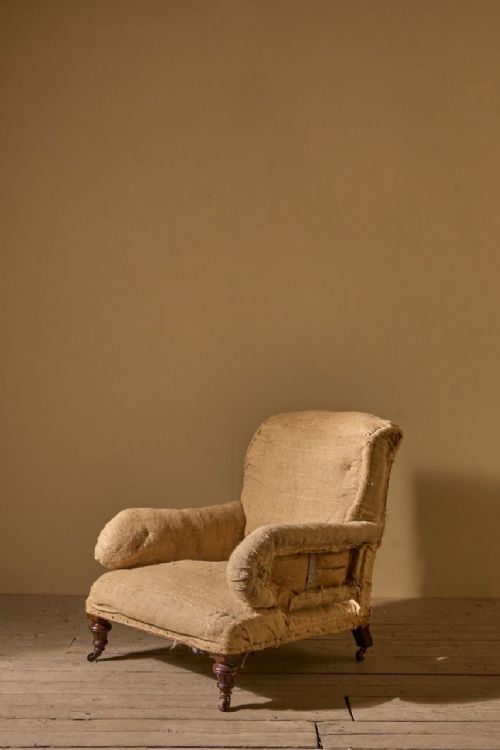
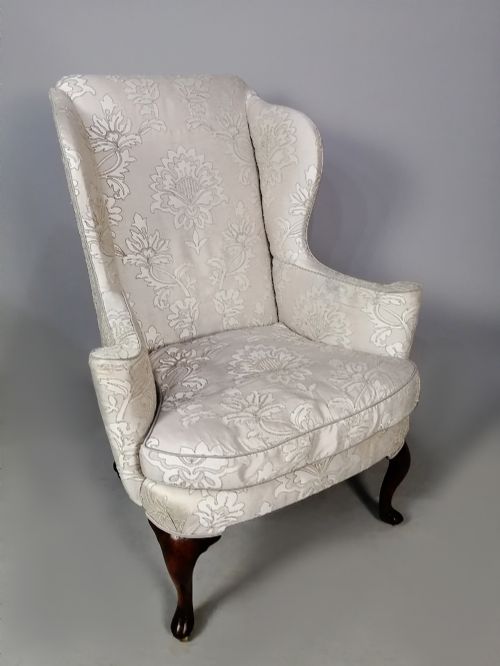
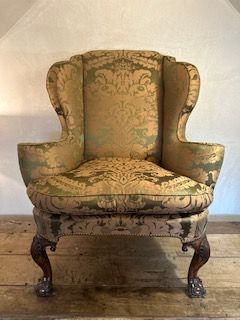
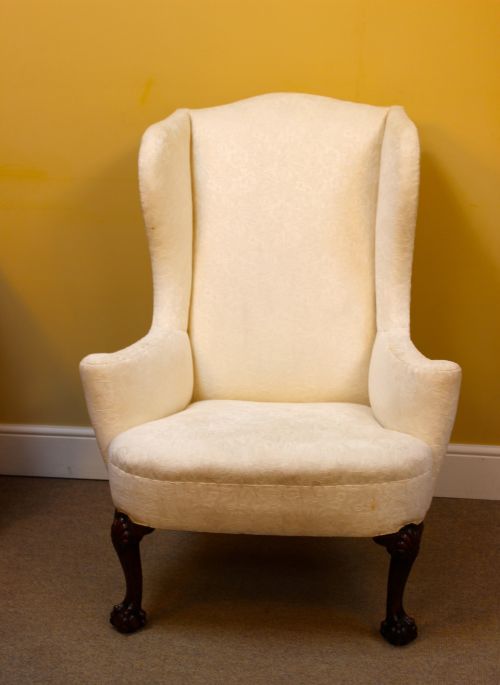
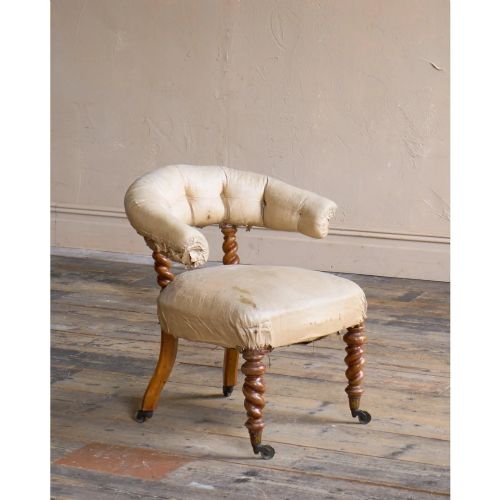
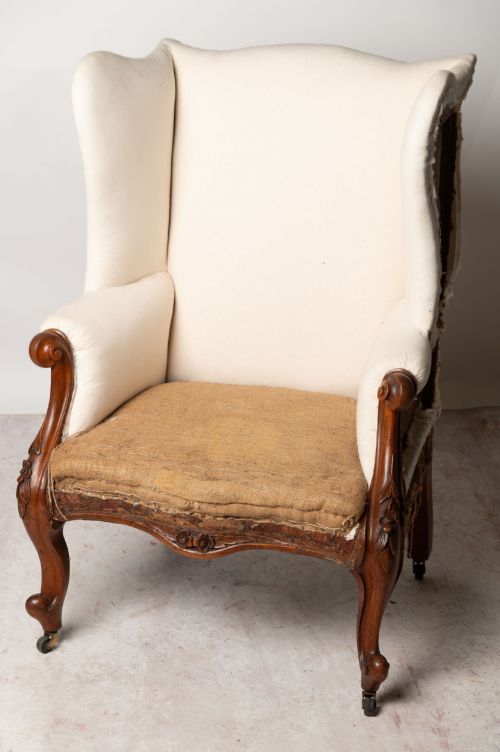
A walnut reading chair provides a sturdy timber framework combined with deep upholstery, built to support long hours of study or repose in a library or parlour. These pieces span from eighteenth-century George II designs to late Victorian and Edwardian interpretations, frequently adopting wing-backed or open elbow configurations.
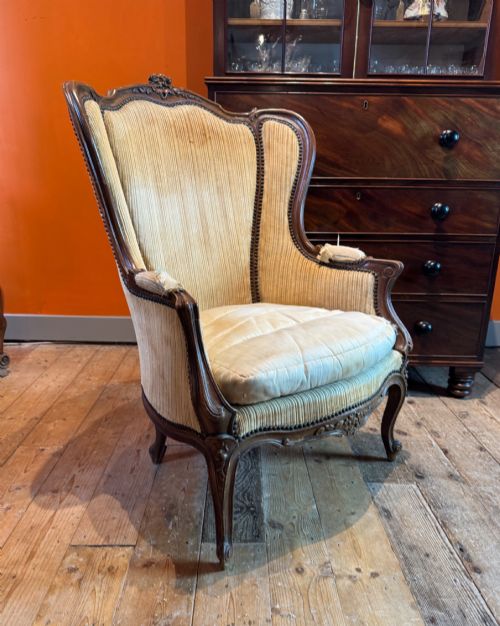
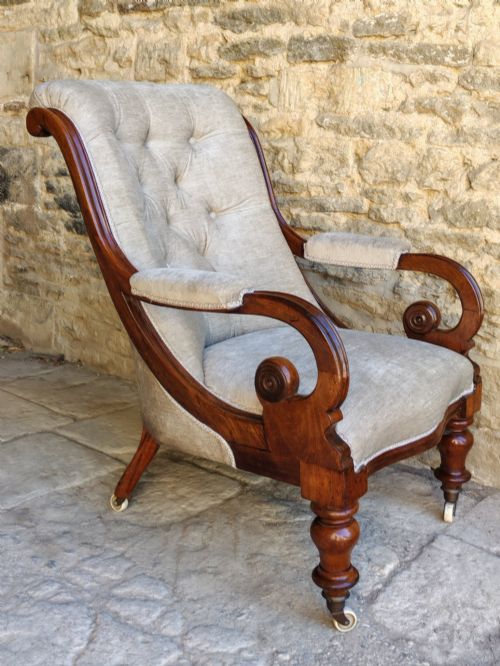
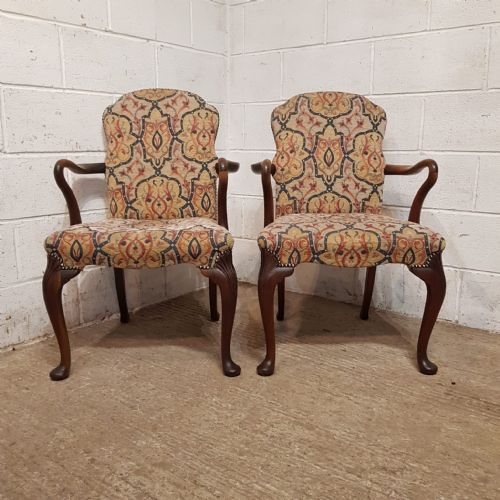
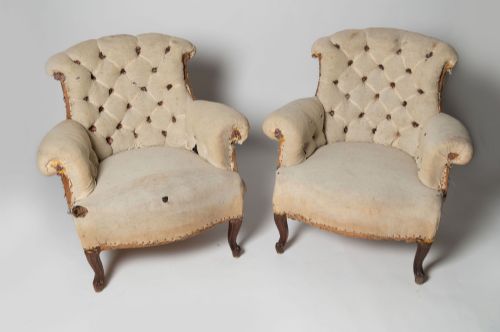
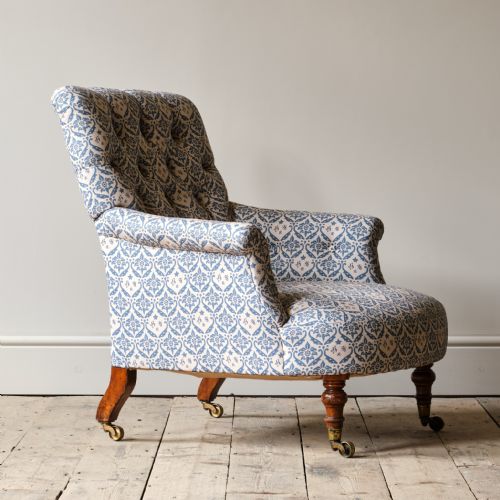
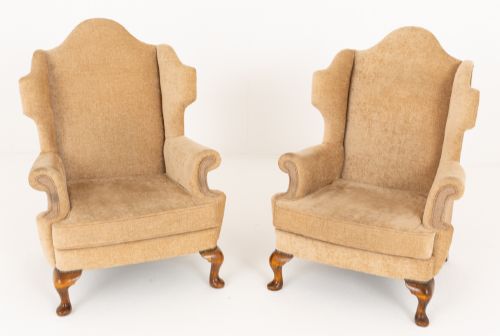
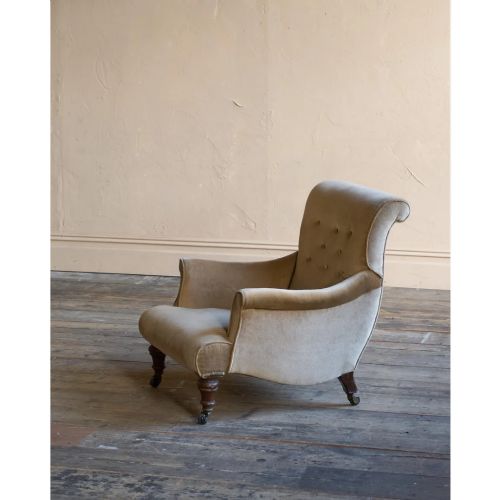
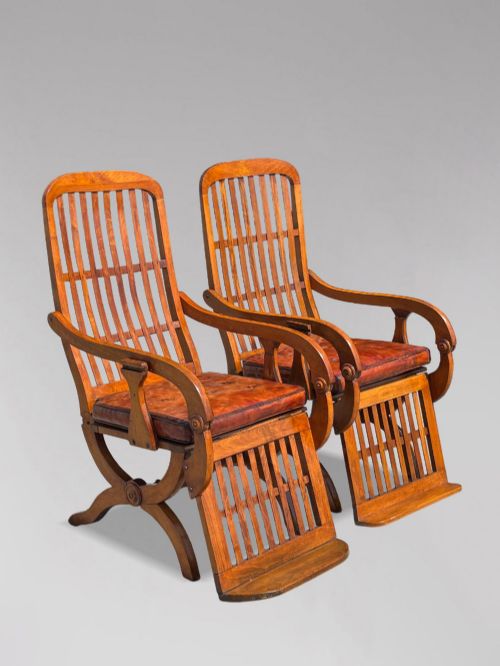
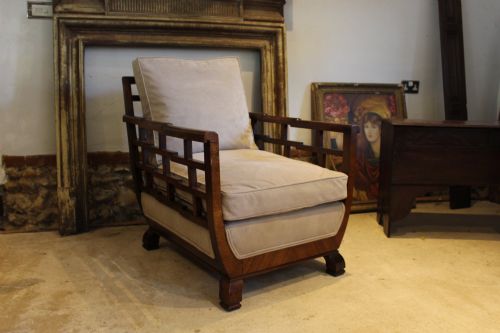
The variants found on this page encompass nineteenth-century English library chairs, French Louis XV style fauteuils, and specialist adjustable reading seats. Makers and styles range from plain vernacular frames to revivalist pieces bearing Queen Anne and Carolean influences.
How they were made
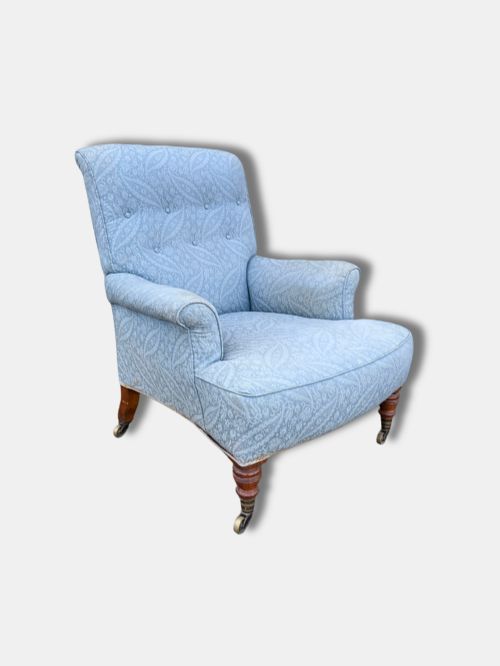
The structural framework relies on solid walnut, shaped into cabriole legs, carved arm supports, and exposed wooden frames that highlight the rich grain of the timber. Brass castors and hardware often facilitate movement on heavy carpets.
Upholstery techniques utilise traditional fillings secured beneath leather, velvet, silk, or needlepoint tapestry, held in place with hessian and cotton webbed foundations.
Walnut Reading Chair Retail Price Guide 2026
Typical asking prices for walnut reading chair among the pieces listed under this phrase on Sellingantiques today, from the lower quarter to the upper quarter. They describe what is for sale here now, not the wider market.
Certain Victorian reading chairs included ingenious mechanical adjustments so nineteenth-century readers could recline without losing their page.
What varies in quality
Quality rests in the precision of the timber carving and the architectural proportion of the walnut frame. Superior examples demonstrate crisp joinery and hand-carving that retain their structural integrity over generations.
The grade of the covering material and the integrity of the internal stuffing separate standard commercial seating from bespoke workshop production. Maker attribution to established firms elevates the significance of a piece.
Howard and Sons·C. Hindley and Sons·Gillows
The Walnut Reading Chair Glossary
- Fauteuil
- An open-armed wooden armchair originating in France, typically featuring upholstered back and arm pads.
- Wing Armchair
- A seated piece with side panels or wings attached to the back, designed to shield the occupant from draughts.
- Cabriole Leg
- A furniture leg that curves outward and then tapers inward, frequently ending in a pad or claw foot.
- Needlepoint Tapestry
- A form of canvas work embroidery utilised historically for durable upholstery on fine library chairs.
- Patent Adjustable
- A mechanism allowing the back or seat of a chair to recline or shift for reading comfort.
Walnut Reading Chair: Frequently Asked Questions
What is a walnut reading chair?
A walnut reading chair is a timber-framed seat engineered for comfort during extended periods of study, often featuring upholstered armrests and supportive wing backs.
These pieces were traditionally positioned in libraries, studies, or withdrawing rooms for reading and relaxation.
How were they used?
Owners utilised these chairs for reading books, newspapers, or correspondence in private studies and grand homes.
Some specialist variants included built-in reading stands or adjustable mechanisms to alter the seating angle.
How do I live with one?
Place the chair away from direct sunlight and heat sources to protect the walnut timber and prevent the leather or fabric upholstery from drying out.
Pair the piece with adequate task lighting and space around the carved wooden frame to showcase its period details.
How do I tell periods apart?
Early pieces from the eighteenth century display robust George II proportions and carved cabriole legs, while nineteenth-century versions often incorporate Victorian revival styles.
Edwardian and later iterations tend to feature lighter frames and diverse textile choices such as velvet and calf suede.