
Walnut Pot Cupboard Cabinet
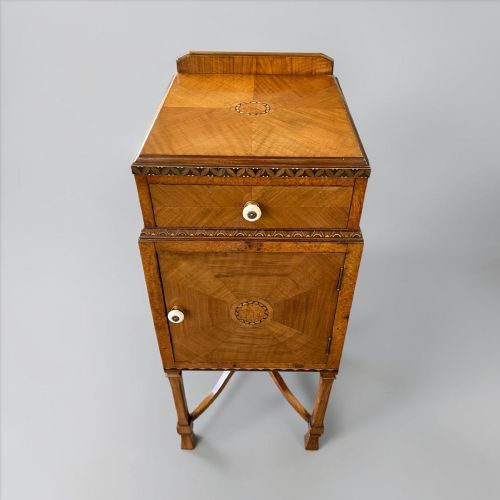
A walnut pot cupboard cabinet offers practical bedside storage while bringing rich timber grain and period character to a bedroom.
Walnut Pot Cupboard Cabinet
A walnut pot cupboard cabinet is a compact bedside piece designed to hold a chamber pot or serve as a small nightstand. You will find these listed under various forms including pedestal cupboards, bedside cabinets, and small side tables.
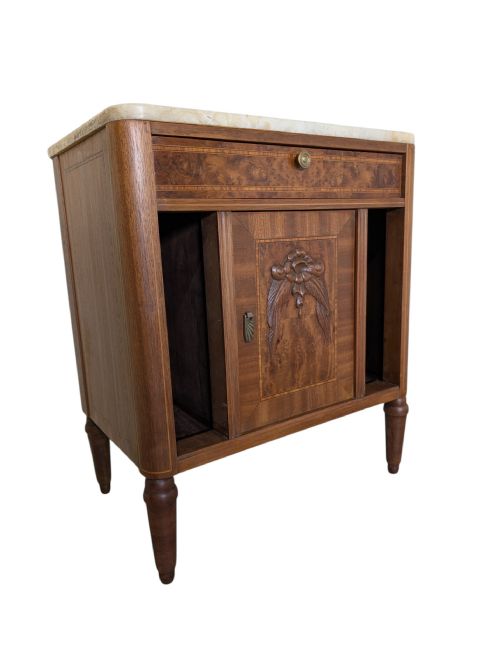
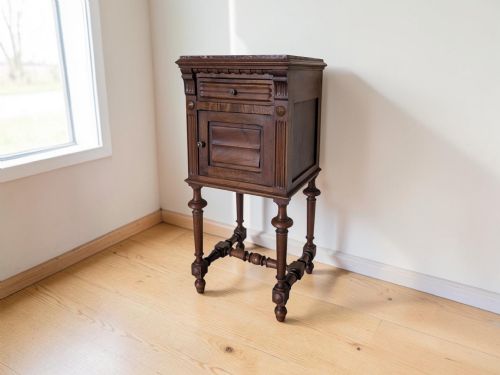
The selection ranges from Victorian and Edwardian examples to 1930s Art Deco designs. Many pieces originate from English workshops or French makers, offering single units and matched pairs.
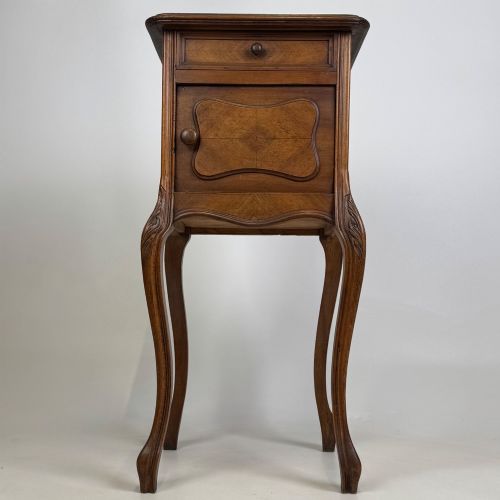
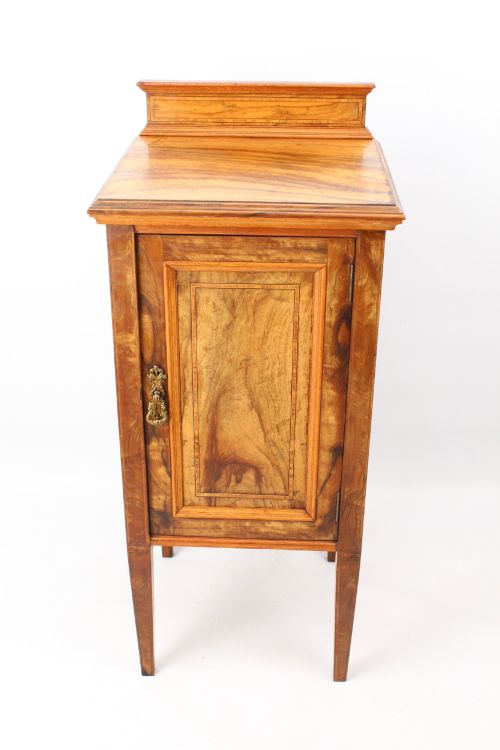
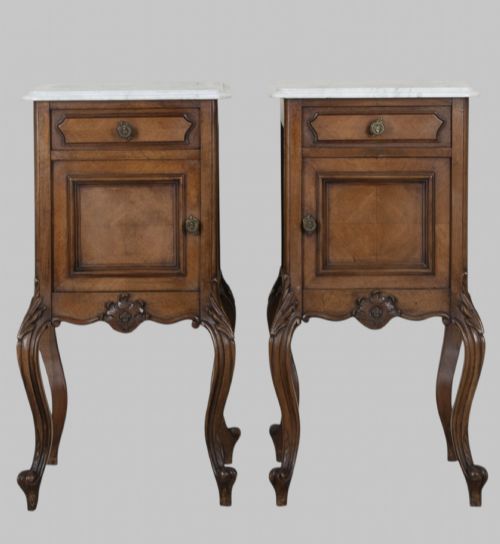
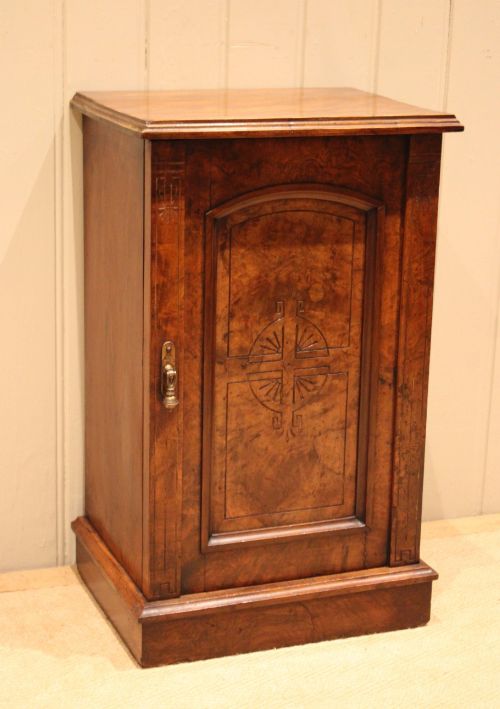
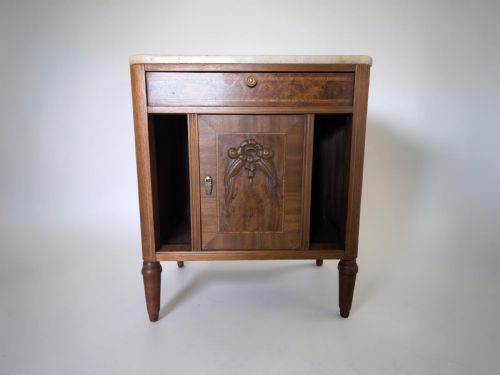
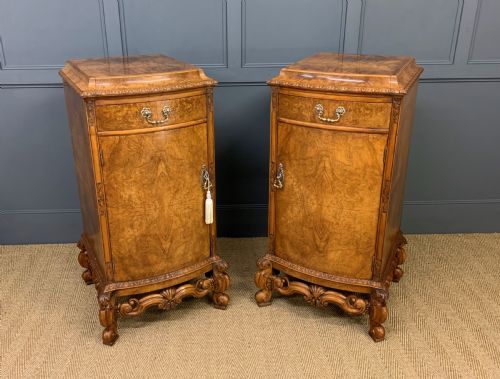
Common regional variations include French marble-top versions with inset stone surfaces and English burr walnut pedestal cupboards with panelled doors. These variations reflect the shifting domestic habits and interior tastes across the nineteenth and early twentieth centuries.
How they were made
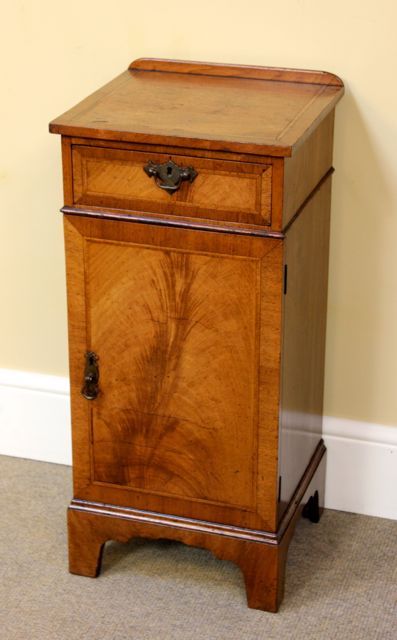
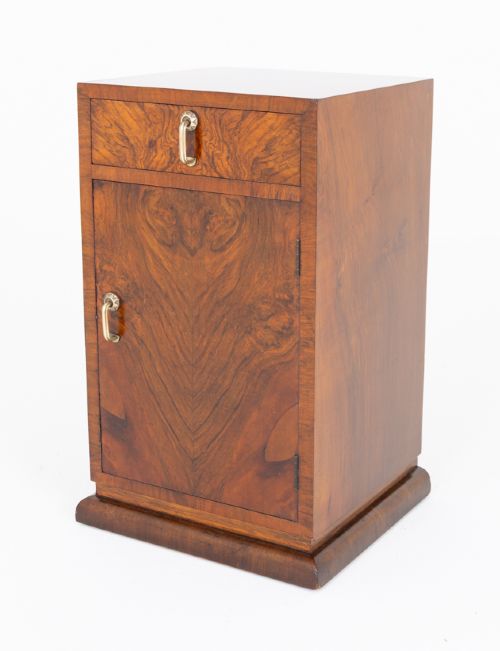
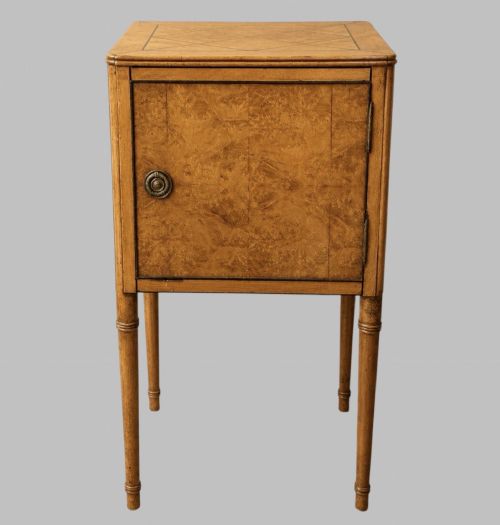
Cabinet makers utilised solid timber framing overlaid with figured walnut and burr walnut veneer to create striking grain patterns on door fronts and tops. French polish or similar traditional finishes were applied to protect the wood and deepen its natural tone.
Many Victorian and continental examples incorporate heavy marble slabs fitted to the top surface for durability and easy cleaning. Brass and metal fittings, including handles and hinges, complete the construction of these functional bedside units.
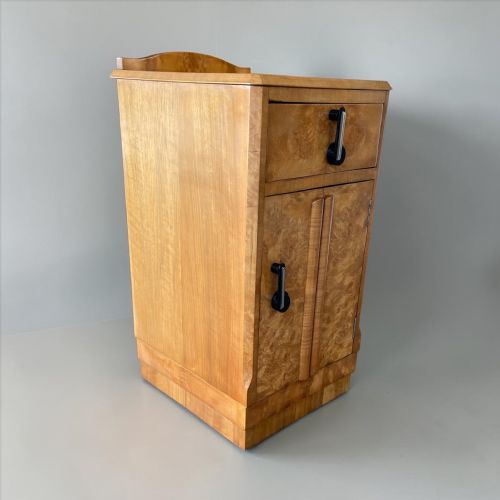
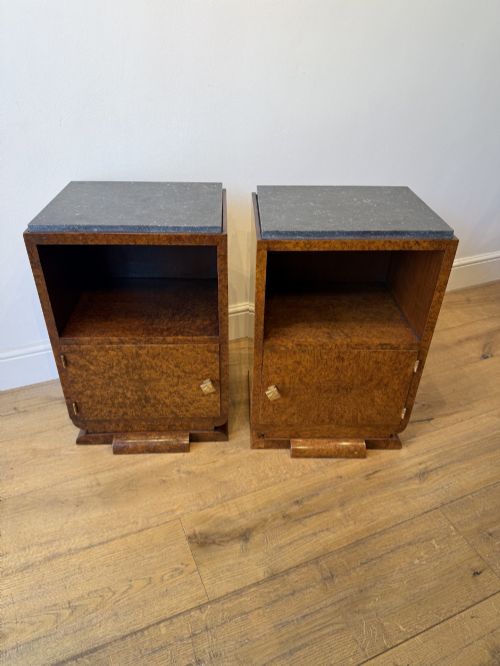
Art Deco pieces from the 1930s often employ streamlined geometric shaping in burr walnut and chrome, marking a shift away from traditional revival styles towards modern veneering techniques.
Materials recorded across the inventory include solid walnut, burr walnut veneer, marble, brass, and chrome.
What varies in quality
The selection of timber grain largely dictates the visual appeal of a walnut pot cupboard cabinet. Highly figured burr walnut and book-matched veneer layouts indicate more careful craftsmanship than plain straight-grained panels.
Construction methods such as dovetailed drawer joints and solid secondary timbers separate standard production pieces from finer workshop commissions. The integrity of applied mouldings, carved details, and fitted marble tops also signals the tier of original manufacture.
Maple and Co·Walter Carter Harrods·Harry and Lou Epstein·Trapnell and Gane
The Walnut Pot Cupboard Cabinet Glossary
- Burr walnut
- A specialised timber cut from the abnormal growth of a walnut tree, yielding intricate, swirling grain patterns highly valued for veneering.
- Pot cupboard
- A small bedside cabinet originally constructed with an enclosed interior compartment to house a chamber pot.
- Marble top
- A fitted slab of stone set into the upper surface of a cabinet to provide a durable, heat-resistant shelf.
- Pedestal cupboard
- A tall, narrow freestanding cabinet featuring a single internal storage space accessed by a door.
- Veneer
- A thin layer of decorative timber applied over a secondary wood base to present a refined exterior surface.
Walnut Pot Cupboard Cabinet: Frequently Asked Questions
What is a walnut pot cupboard cabinet used for today?
These compact units function well as bedside tables or small lamp tables in contemporary bedrooms. The internal shelf space provides convenient concealed storage for small items.
The surface area accommodates reading lamps, books, and decorative objects while maintaining a small footprint beside a bed.
How do I identify a Victorian piece from an Edwardian one?
Victorian examples often feature heavier carved detailing, darker polished finishes, and occasionally cylindrical shapes with inset marble tops. Edwardian pieces tend to display lighter timber tones, cleaner lines, and subtle inlay work.
Examining the internal construction and secondary woods helps confirm the manufacturing era when stylistic cues overlap.
Are matched pairs common for these cabinets?
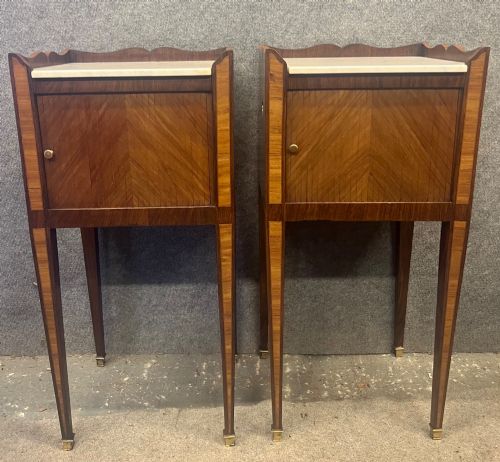
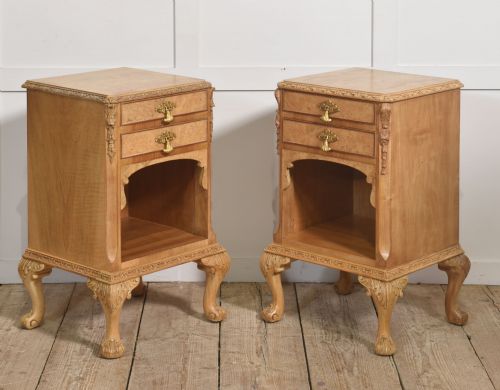
Matched pairs appear frequently across nineteenth-century and early twentieth-century listings, particularly from French and English workshops. These sets were originally manufactured together to flank a double bed.
Finding a symmetrical pair in matching burr walnut requires looking through periods spanning the late Victorian era up to the 1930s.
How should I care for the walnut veneer and marble surfaces?
Walnut veneer benefits from regular dusting with a soft cloth and occasional treatment with appropriate furniture wax to preserve the finish. Moisture should be kept away from wooden joints and unsealed edges.
Marble tops require simple wiping with a damp cloth and mild soap, avoiding acidic cleaning agents that can etch the stone surface.