


Walnut Marquetry Vitrine
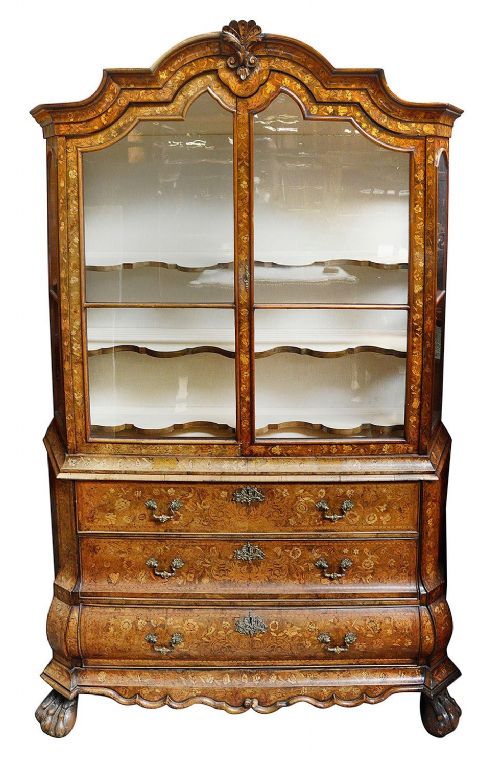
When you search for a walnut marquetry vitrine, you enter a realm of glazed display cases defined by intricate floral inlay and rich timber.
Walnut Marquetry Vitrine
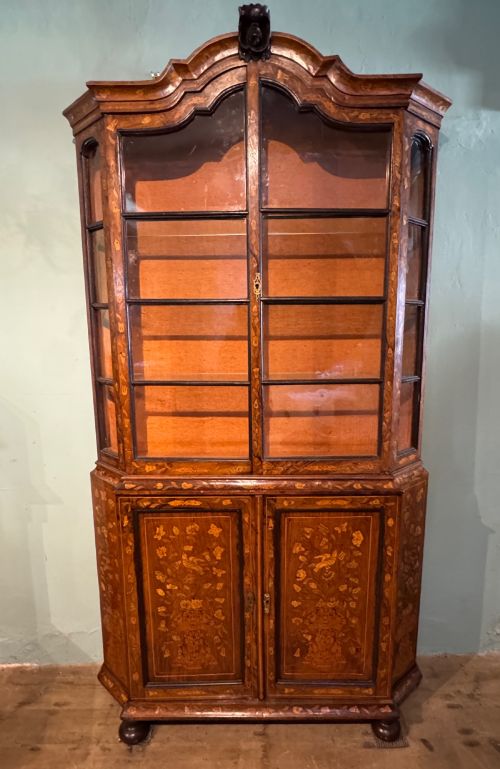
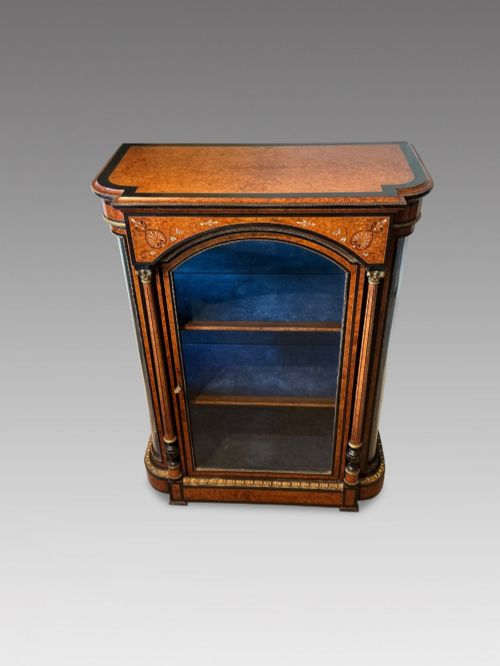
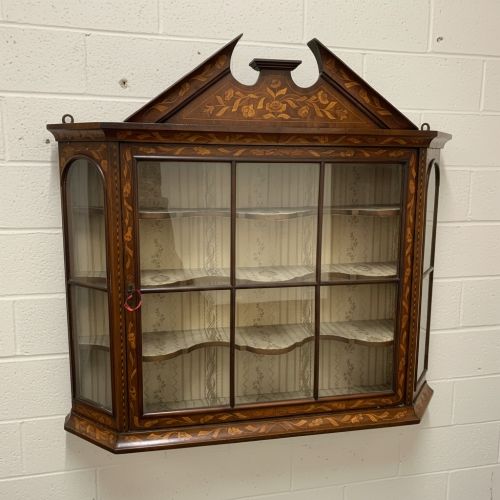
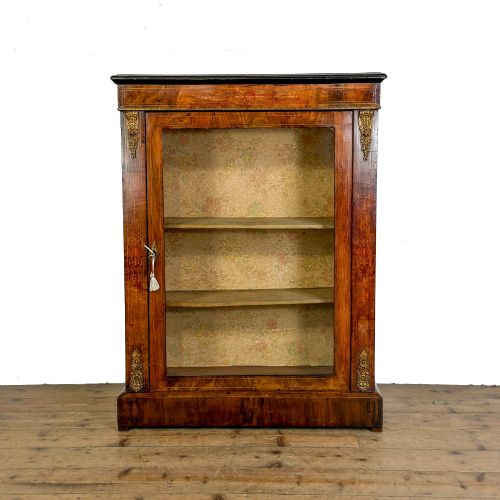
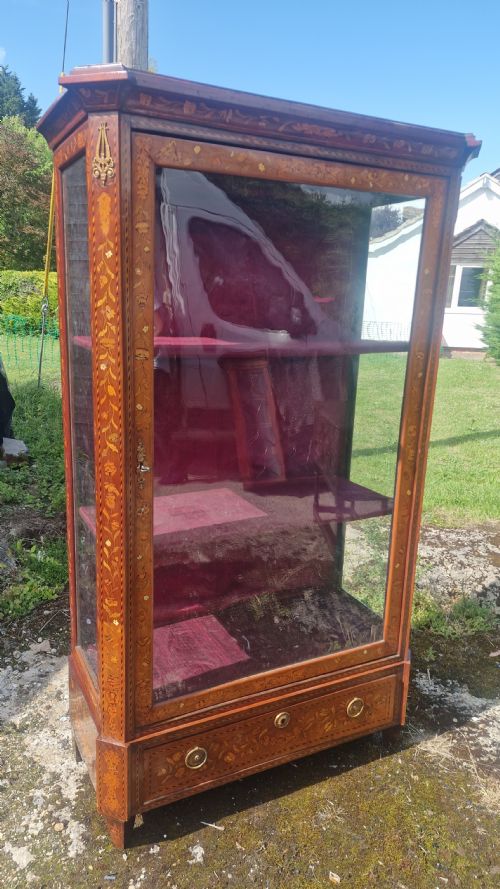
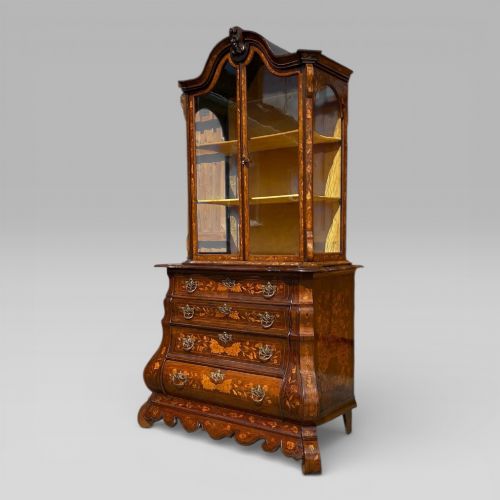
A walnut marquetry vitrine serves primarily to showcase and protect precious objects, spanning diverse forms such as wall cabinets, pier cabinets, corner cabinets, and larger display pieces on chests. Buyers seeking a walnut marquetry vitrine encounter pieces originating from 18th century examples to Victorian and later revivals.
The aesthetic divides broadly between Dutch floral marquetry traditions and French-influenced or Victorian creations. Dutch pieces frequently display a bombé contour and elaborate floral patterns, whereas Victorian and French variants lean towards glazed pier cabinets and ormolu mounts.
How They Were Made
Cabinet makers utilised walnut and burr walnut veneers laid over secondary timbers, often incorporating fruitwood and satinwood for contrasting floral marquetry details. Ormolu and brass mounts punctuate the timber surfaces, framing glass panels designed to illuminate interior display shelves.
Joinery techniques combined traditional carcase construction with meticulous veneer sawing and hand-cut inlay. Glazing bars secured individual glass panes in doors designed to swing open or slide depending on the specific cabinet form.
What Varies in Quality
Quality rests upon the crispness and depth of the marquetry cutting, where skilled hands achieved tight joints between contrasting woods. The choice of burr walnut veneer and the weight of cast ormolu mounts further distinguish standard production from exceptional examples.
Proportion and architectural harmony dictate the upper tiers of craftsmanship. Cabinets featuring balanced serpentine or bombé shaping demonstrate a higher degree of joinery mastery than flat-fronted equivalents.
Edwards and Roberts
The Walnut Marquetry Vitrine Glossary
- Vitrine
- A glass-fronted cabinet designed for displaying fine objects and curiosities. These pieces rely on extensive glazing to maximise visibility from multiple angles.
- Marquetry
- Decorative veneer work forming pictorial or floral patterns using various coloured woods. Craftsmen cut thin slices of timber and fit them together like a puzzle before gluing them to the carcase.
- Bombe
- An outward-swelling convex contour characteristic of certain continental case furniture. This curved profile requires advanced woodworking skill to veneer successfully.
- Ormolu
- Gilt-bronze mounts applied to furniture for decorative accent and edge protection. The finish involves applying a mercury-gold amalgam to bronze, though later pieces used alternative gilding methods.
- Pier cabinet
- A narrow display cabinet built specifically to stand against the wall space between windows. These tall, shallow items made efficient use of Victorian drawing room layouts.
Walnut Marquetry Vitrine: Frequently Asked Questions
What is a walnut marquetry vitrine used for?
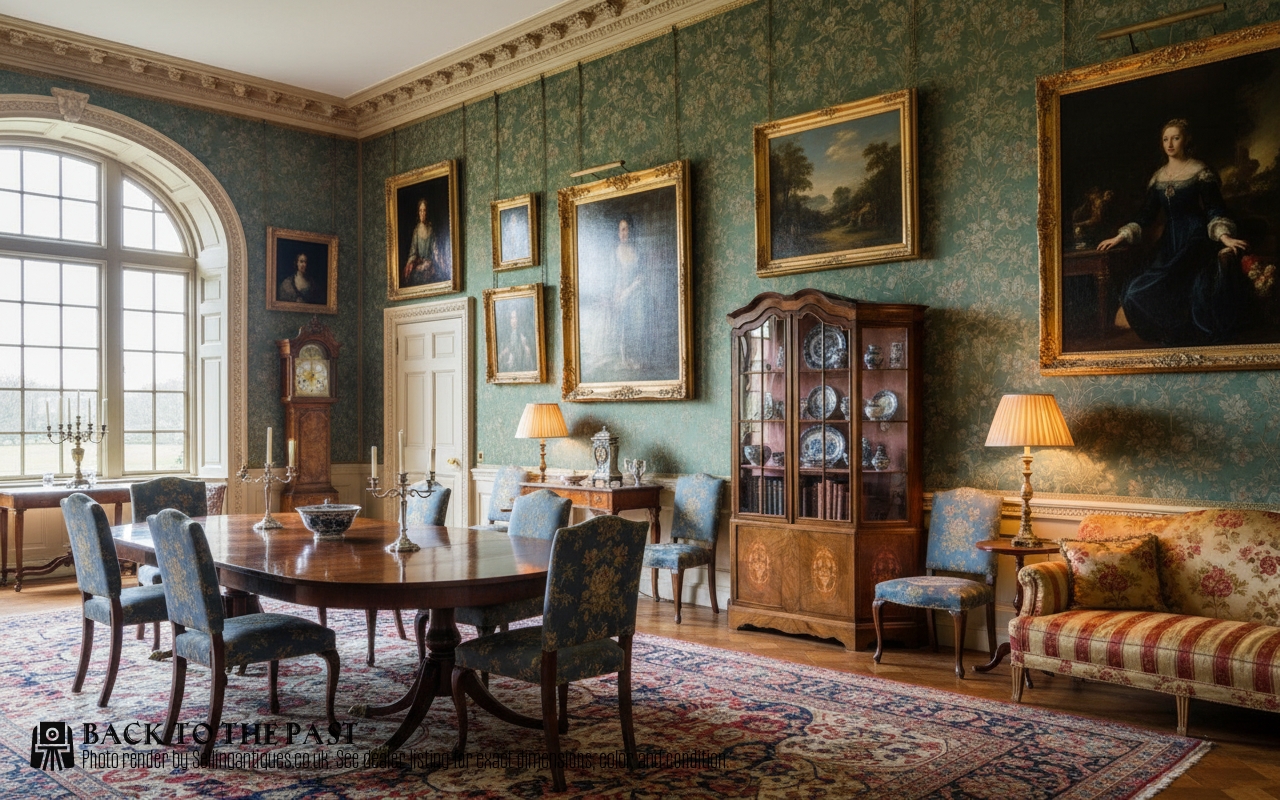
These cabinets served historically to display porcelain, silver, and small curiosities within formal drawing rooms and parlours. Collectors utilised the glass shelving and enclosed space to protect delicate items from dust while maintaining full visibility.
Today, they fulfil a similar decorative and practical role in domestic interiors. They provide a focal point for curated collections of ceramics, glassware, or books.
How do I distinguish Dutch marquetry from Victorian styles?
Dutch examples frequently exhibit pronounced floral and urn motifs executed in multiple contrasting fruitwoods, often upon a bombé or serpentine carcase. They date primarily from the eighteenth and nineteenth centuries.
Victorian and French revival pieces tend to incorporate gilt-bronze or ormolu mounts alongside Burr walnut veneers. Their forms include narrow pier cabinets and glazed side cabinets tailored to nineteenth-century interior aesthetics.
How do I care for burr walnut timber?
Burr walnut requires stable indoor humidity and temperature levels to prevent veneer lifting and timber splitting. Keep cabinets away from direct heat sources such as radiators and fireplaces.
Clean surfaces gently with a dry, soft cloth, avoiding commercial aerosol polishes that can build up over time. Natural beeswax applied sparingly helps nourish the antique finish.