
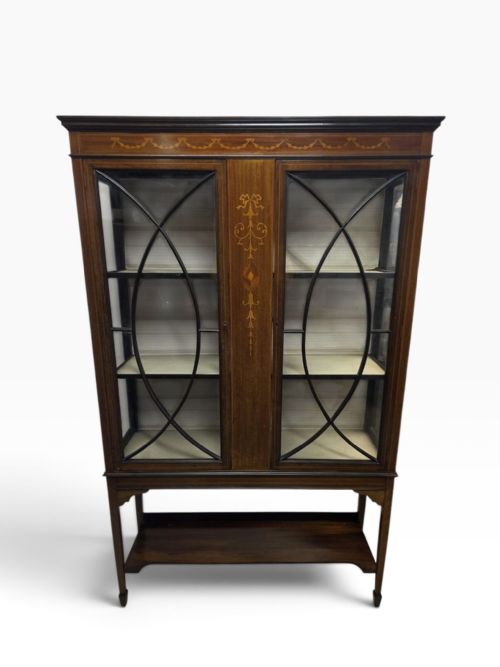
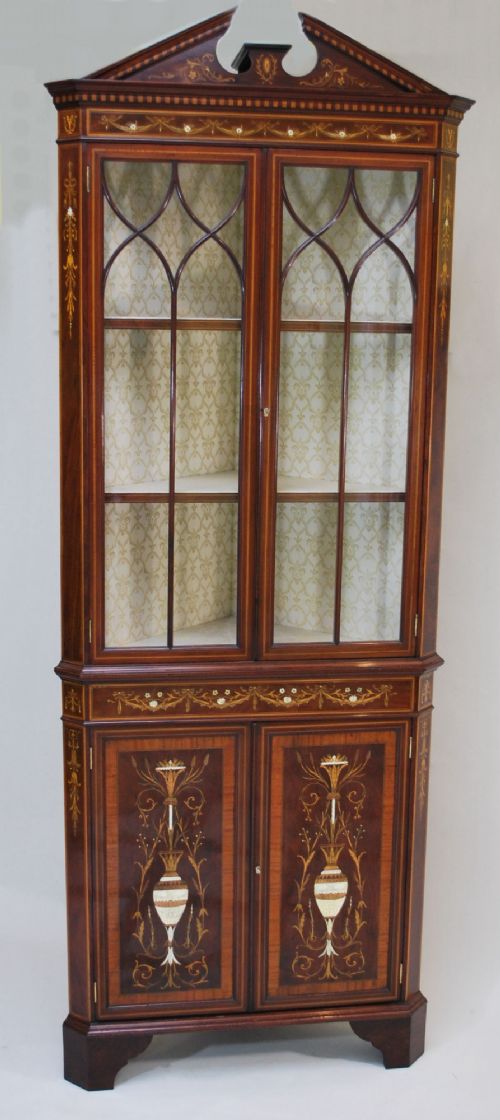
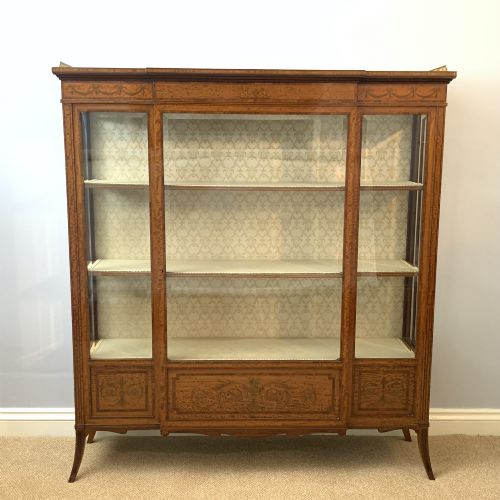
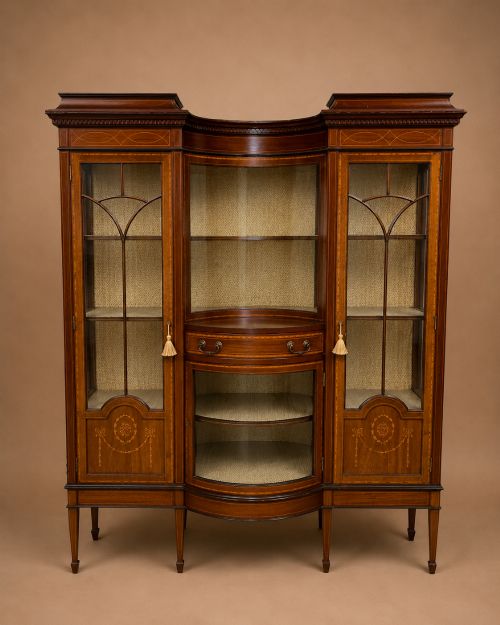
Marquetry Glazed Cupboard
A marquetry glazed cupboard unites intricate wood inlay with glazed display space, offering a refined focal point for any room.
Marquetry Glazed Cupboard
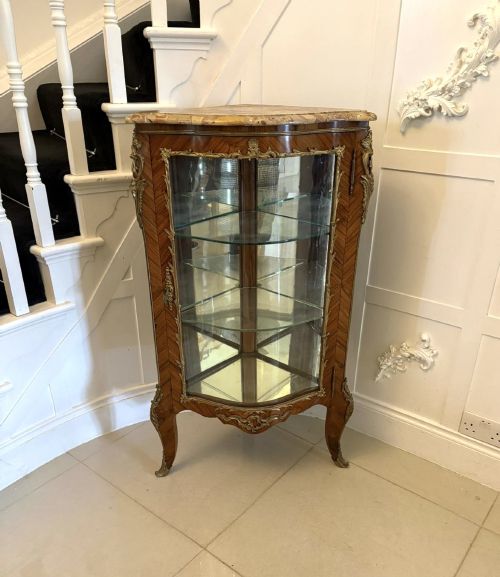
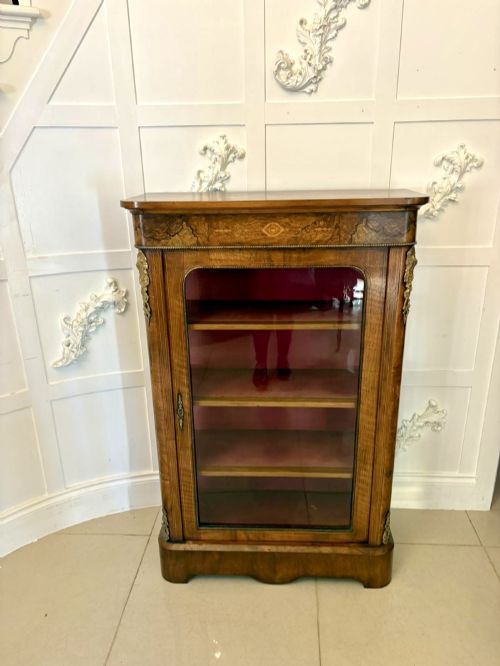
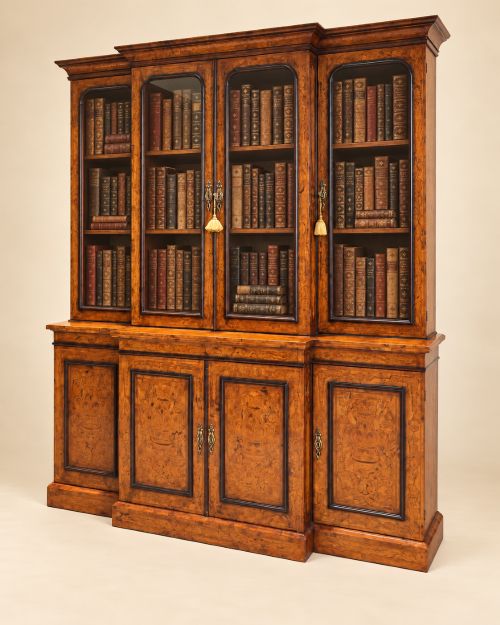
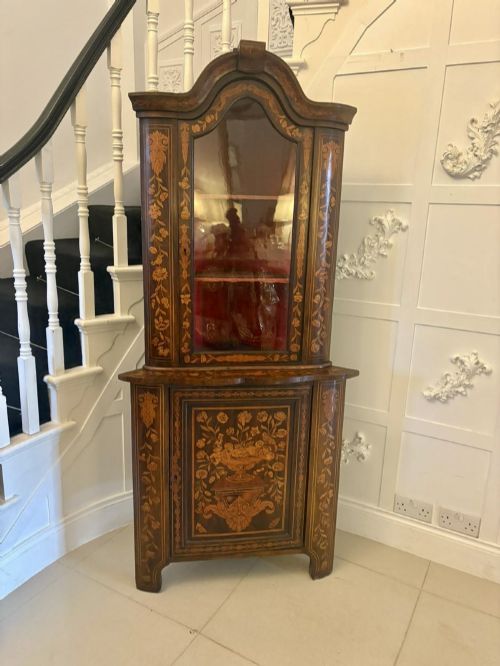
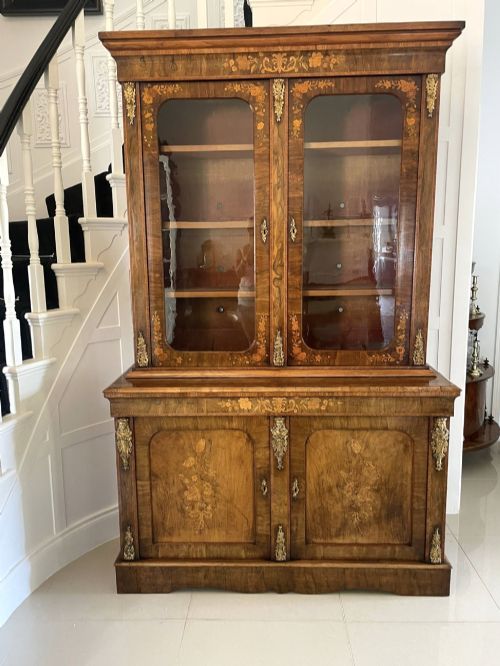
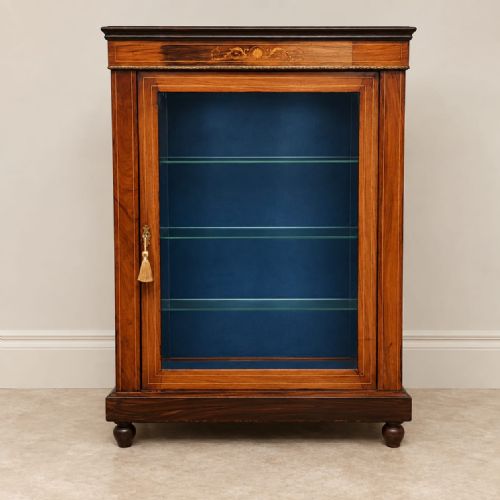
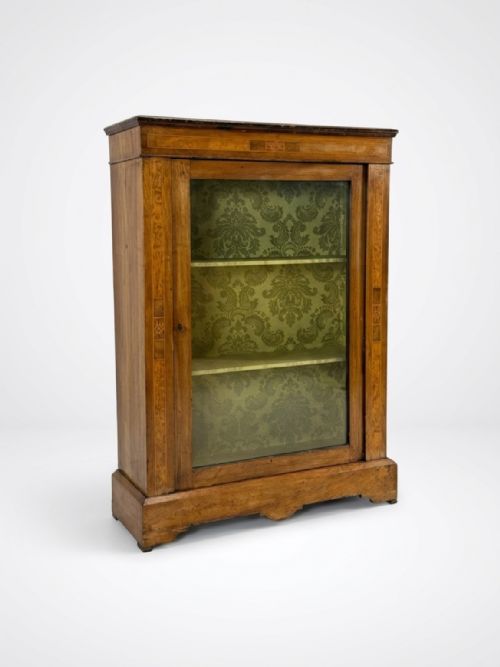
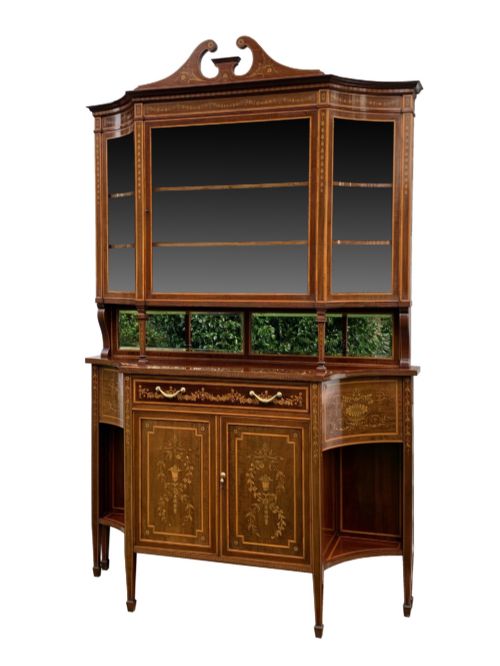
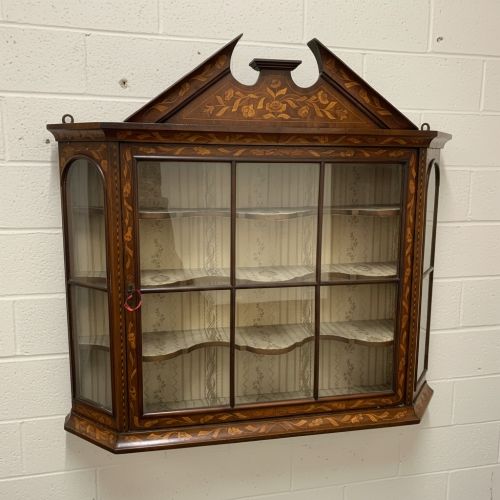
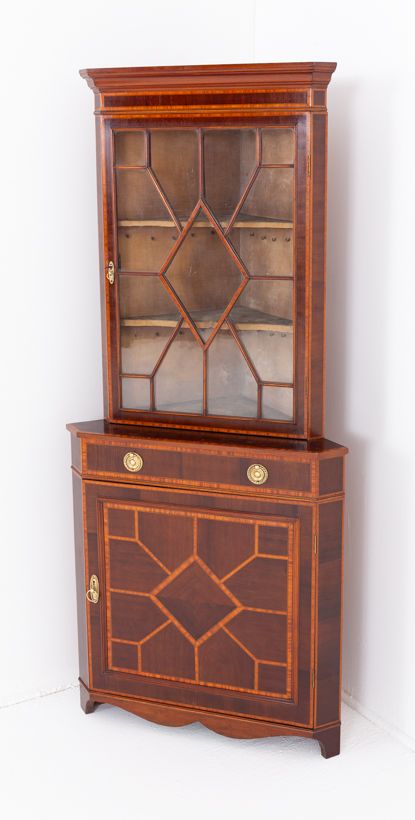
A marquetry glazed cupboard is a storage or display piece featuring patterned wood veneers and glass doors. When you search for a marquetry glazed cupboard, you encounter forms ranging from compact pier cabinets to tall corner units and bookcases.
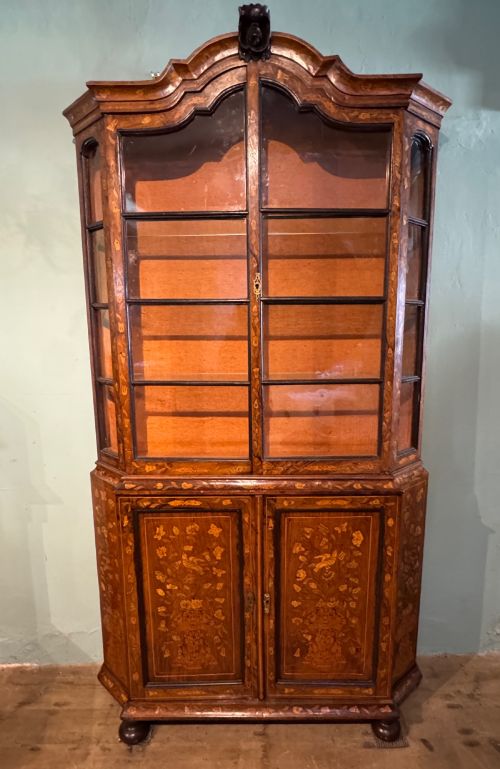
The pieces on this page span the eighteenth, nineteenth, and early twentieth centuries, with Victorian and Edwardian examples appearing frequently. Makers working in the Sheraton Revival and Dutch Baroque styles shape much of the selection visible here.
Forms include wall cabinets, side cabinets, and music cabinets alongside standard display pieces. Walnut, mahogany, and satinwood provide the primary timber backbones for these decorated storage items.
How They Were Made
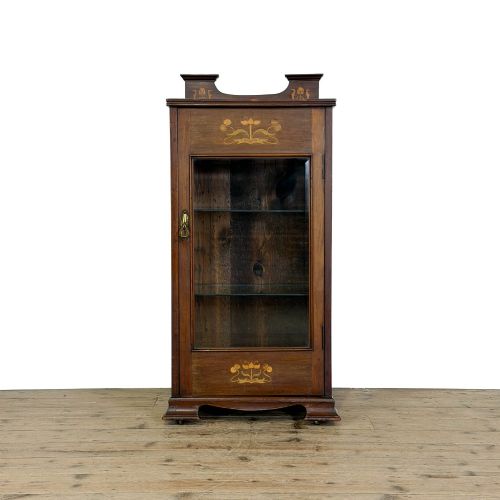
Craftsmen built these cupboards using solid timbers and decorative veneers such as walnut, mahogany, and satinwood. Artisans then applied intricate marquetry inlay, cutting contrasting woods to form floral or geometric patterns across the surfaces.
Glazing bars divided the glass doors into panes, often complemented by brass hardware and cast ormolu mounts. Cabinets from the period frequently combined glass panels with fitted wooden shelving and mirrored interiors to display collections.
Several pieces incorporate secret musical compartments designed to hold sheet music safely behind locked glazed doors.
What Varies in Quality
Quality rests in the precision of the marquetry and the choice of Burr walnut, satinwood, or figured mahogany veneers. Finer pieces demonstrate meticulous hand-cutting in the inlay and superior selection of grain patterns.
Hardware and mounts distinguish standard production from exceptional examples, with chased ormolu, fine brass details, and substantial glass panels marking the higher tier. The architectural proportion and overall crispness of the cabinetwork complete the assessment.
Edwards & Roberts·Maple & Co.
The Marquetry Glazed Cupboard Glossary
- Marquetry
- Decorative wood veneer arranged in pictorial or geometric patterns. It relies on contrasting colours and grain directions of various timber species.
- Ormolu
- Gilded bronze mounts applied to furniture. It adds decorative metallic highlights to doors, corners, and crests.
- Pier Cabinet
- A narrow display cabinet designed to stand against the wall space between windows. These pieces often feature glazed doors and velvet-lined interiors.
- Astragal Glazing
- Wooden bars that divide a glass window into smaller panes. They form supportive grids across the front of display cupboards.
- Burr Walnut
- Wood harvested from walnut tree growths that display swirling, mottled grain patterns. Cabinetmakers prize this timber for highly decorative veneer panels.
Marquetry Glazed Cupboard: Frequently Asked Questions
What rooms suit a marquetry glazed cupboard?
These glazed cupboards fit well in drawing rooms, dining spaces, or hallways where collections require visible storage. Their glass doors protect contents from dust while displaying porcelain, glass, or books.
The reflective glass and decorative wood veneers bring warmth and light into smaller or darker corners of a traditional interior.
How do I date a Victorian glazed cupboard?
Dating relies on timber choices, construction methods, and stylistic revivals present in the piece. Victorian examples often utilise burr walnut or mahogany with characteristic hand-cut dovetails and traditional finishing techniques.
Matching the decorative motifs, such as floral marquetry or ormolu mounts, against known nineteenth-century design periods narrows the timeline further.
How should I care for antique marquetry and glass?
Protect the veneered surfaces by avoiding direct sunlight and maintaining stable room humidity to prevent wood movement. Gentle dusting with a dry, soft cloth preserves the polished timber and delicate inlay without harming the finish.
Glass panels require standard non-ammonia cleaner applied to a cloth rather than sprayed directly, safeguarding adjacent wood and brass mounts.