





Walnut King Bed
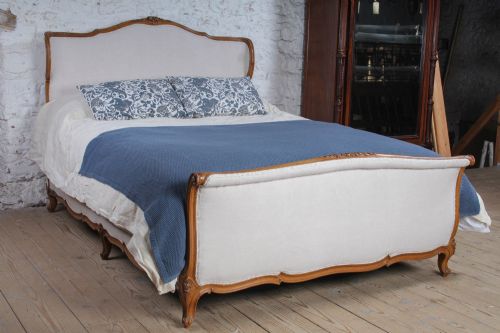
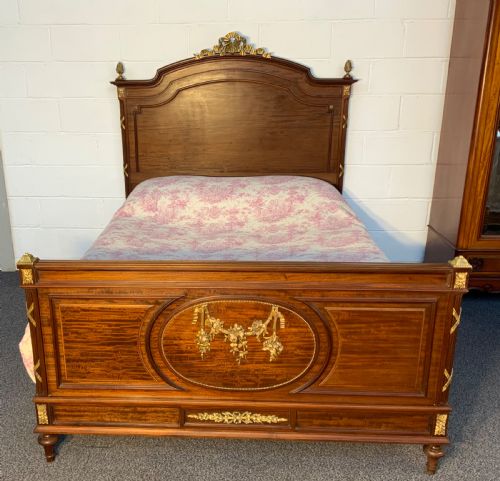
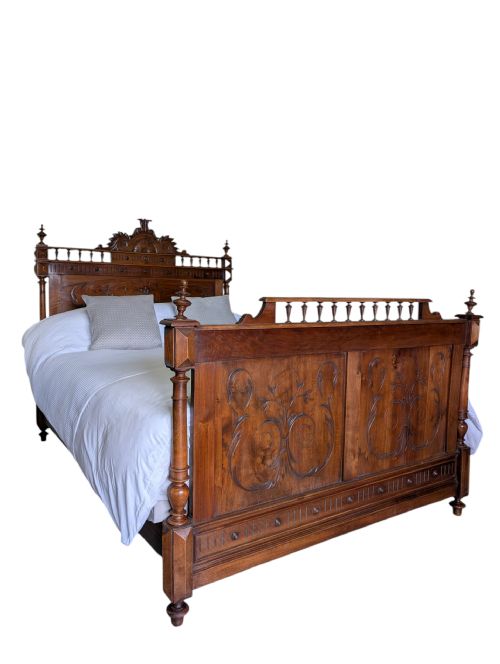
A walnut king bed brings nineteenth-century French and Victorian craftsmanship into the modern bedroom with generous proportions and rich timber grain.
Walnut King Bed
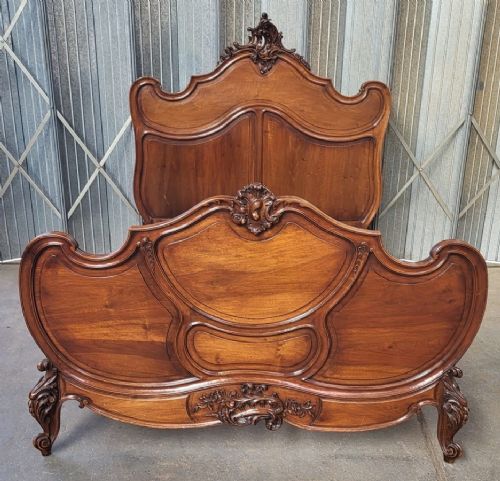
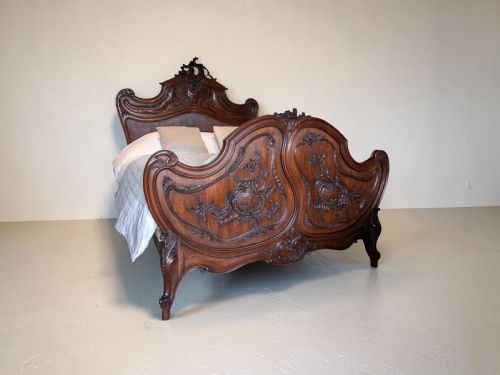
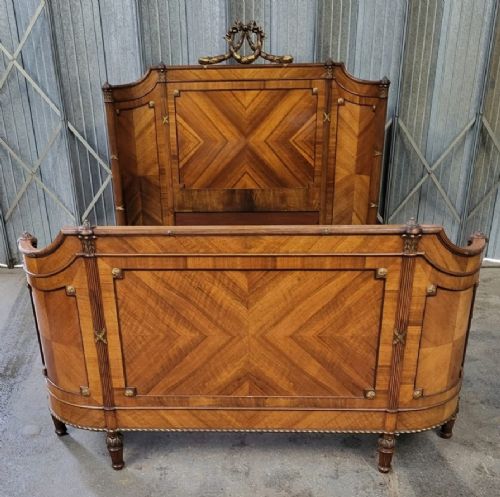
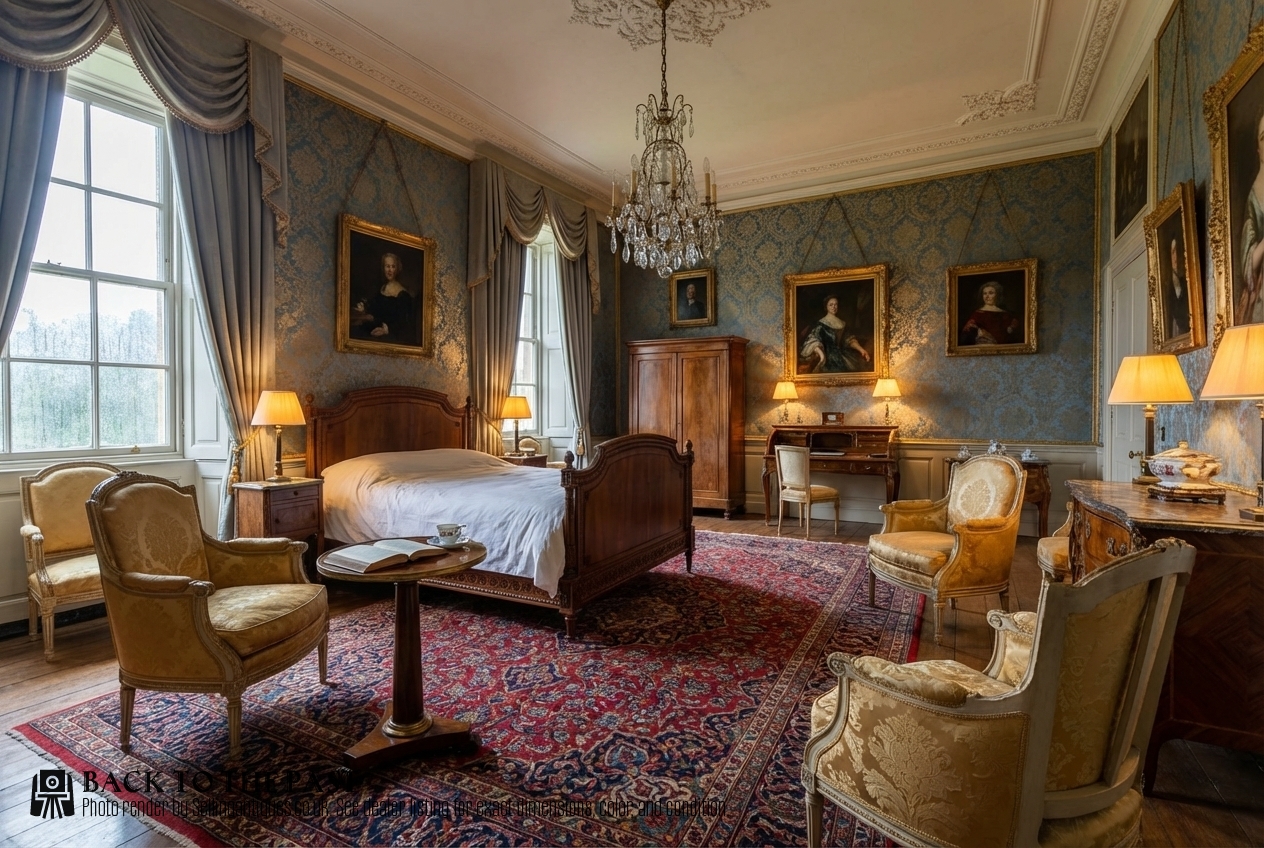
A walnut king bed provides a substantial sleeping platform created in centuries past, appearing across this selection primarily as French carved bedsteads, Victorian designs, and later Art Deco interpretations. Buyers encounter full wooden frames, headboards paired with bedside cabinets, and complete bedroom suites dating from the nineteenth century through the 1930s. These pieces merge historic scale with the deep, warm tones of walnut timber.
The regional styles represented here lean heavily toward continental workshops, featuring French Louis XV, Louis XVI, Rococo Revival, and Empire aesthetics alongside British Victorian examples. Many pieces incorporate curved lines, elaborate carving, or matching marble-topped nightstands that complete a unified bedroom scheme. Selecting one of these beds anchors a room in traditional cabinet-making traditions while accommodating modern mattress sizes.
Materials and Construction Techniques
Cabinet-makers built these frames using solid walnut and decorative veneers, often selecting burr walnut or quarter-veneered panels to showcase intricate grain patterns. Artisans applied hand-carved floral motifs, scrolling details, and occasional parcel gilt accents directly onto the timber frames.
Structural integrity was enhanced through the integration of secondary woods, brass detailing, and ormolu mounts on select continental pieces. Upholstered headboards frequently feature traditional fabric panels set within the carved wooden framework.
Walnut King Bed Retail Price Guide 2026
Typical asking prices for walnut king bed among the pieces listed under this phrase on Sellingantiques today, from the lower quarter to the upper quarter. They describe what is for sale here now, not the wider market.
Several beds include matching marble-topped cabinets, proving that nineteenth-century sleepers took their bedside storage very seriously indeed.
Distinctions in Execution and Design
The distinction between standard production and exceptional work lies in the depth and crispness of the hand carving and the selection of veneer figures. Superior examples display symmetrical burr walnut or quarter-veneered panels matched with harmonious proportions and original hardware.
Comprehensive suites demonstrate higher quality through matching timber selection across associated bedside cabinets and integrated headboards. The refinement of stylistic details, such as French Rococo curves or Empire brass mounts, separates ambitious workshop pieces from simpler regional furniture.
Wylie and Lochhead
The Walnut King Bed Glossary
- Burr Walnut
- A specialised timber cut from tree growths, highly prized for its swirling, mottled grain patterns. It appears frequently on decorative headboards and cabinet panels.
- Louis XV Style
- A classic design period characterised by asymmetrical curves, cabriole legs, and naturalistic floral carvings. This aesthetic dominates many of the continental bedsteads listed here.
- Ormolu
- Gilded bronze mounts applied to furniture for decorative enrichment. These metallic details accent the wood on select French and Empire style frames.
- Quarter Veneer
- Thin slices of walnut arranged so the grain patterns mirror each other across a central seam. This technique creates geometric symmetry on large bed panels.
Walnut King Bed: Frequently Asked Questions
How do I fit a modern mattress?
Many historic bedsteads were built to nineteenth-century continental or Victorian dimensions rather than modern standard metrics. Check the internal rail measurements carefully before purchasing a contemporary mattress.
Some frames accommodate standard widths with slight adjustments to modern slats or base supports. Consulting the specific dimensions in each listing ensures a proper fit.
Are bedside cabinets usually included?
Several listings pair the bedstead with matching bedside cabinets featuring marble tops and cupboards. These matching sets were often commissioned together as part of a unified bedroom suite.
When cabinets are included, they share the timber grain, carving style, and period characteristics of the main bed frame.
How do I identify a French style bed?
French style beds display characteristic design traits such as scrolling woodwork, cabriole legs, and symmetrical floral carvings. Styles range from the flowing curves of Louis XV to the restrained geometry of Art Deco.
Originating from Parisian and regional French workshops, these pieces often incorporate lighter fruitwood accents or elaborate veneer patterns.
What is the difference between Victorian and Art Deco models?
Victorian walnut beds tend to feature heavy, dark timber, deep floral marquetry, and prominent carved crests. They reflect the ornate preferences of nineteenth-century British and continental cabinet-makers.
Art Deco beds from the 1920s and 1930s embrace streamlined geometry, figured walnut veneers, and simplified silhouettes. These later pieces emphasise the natural grain of the wood over applied ornamentation.