




Walnut Jewellery Chest
A walnut jewellery chest is a small, timber-built receptacle for personal treasures, prized for rich grain patterns and portable scale.
Walnut Jewellery Chest
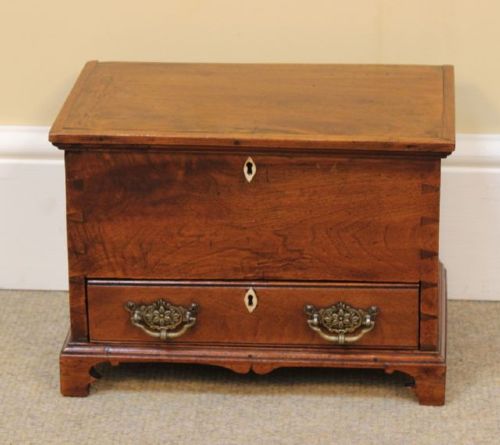
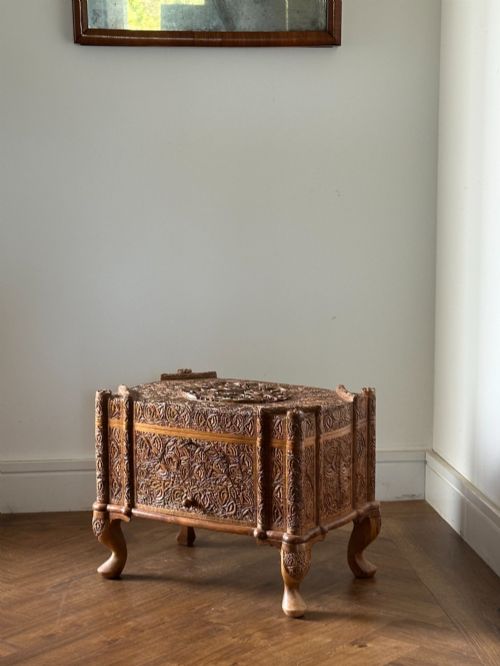
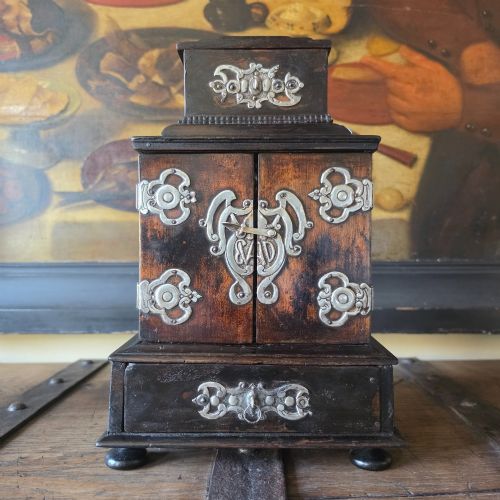
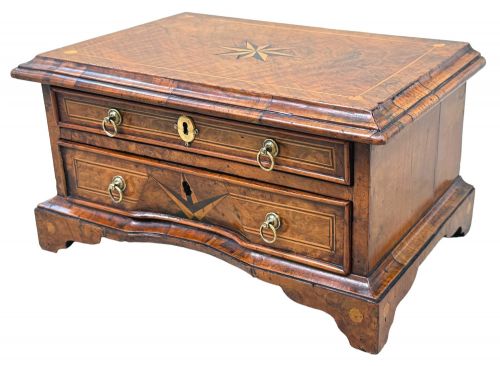
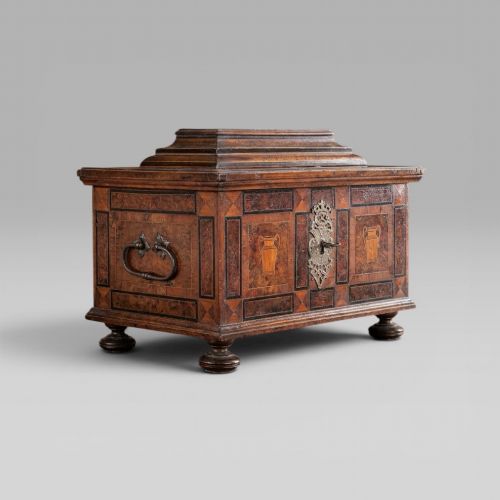
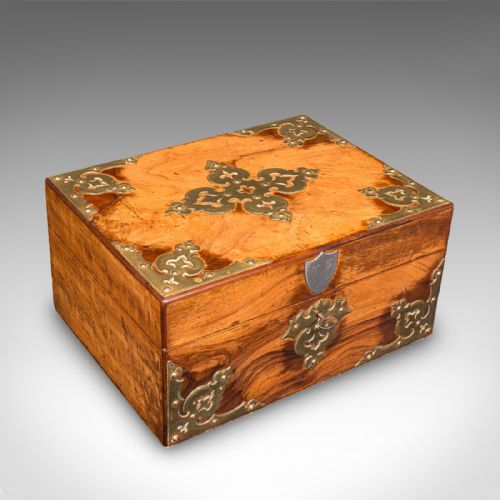
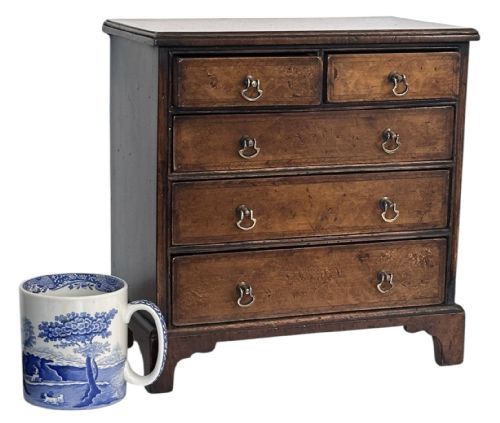
When you search for a walnut jewellery chest, you encounter a varied group of small storage pieces designed for precious items, trinkets and letters. These objects take several distinct forms, ranging from miniature chests of drawers and apprentice pieces to lidded caskets, tea caddies and table cabinets. Victorian examples in figured and burr walnut dominate the selection, though earlier pieces from the seventeenth and eighteenth centuries appear alongside Continental and revival styles.
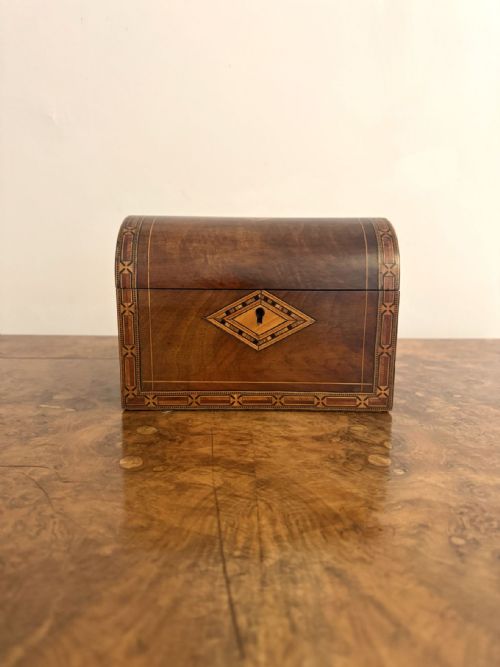
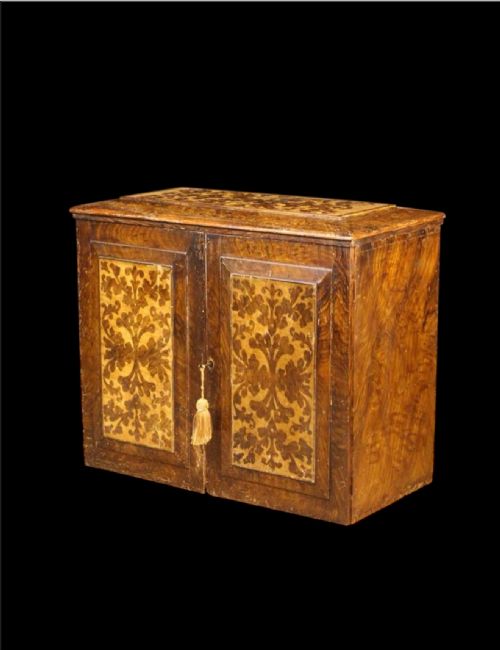
The practical purpose of these boxes dictated their interior divisions, which frequently incorporate lift-out trays, velvet or silk linings, and compartments for rings and pins. Many take the form of miniature case furniture, mimicking full-size chests of drawers or cabinets with opening doors and fitted compartments. Others present as table boxes with domed or sarcophagus-shaped lids, offering secure storage that sits easily upon a dressing table or desk.
Materials and construction
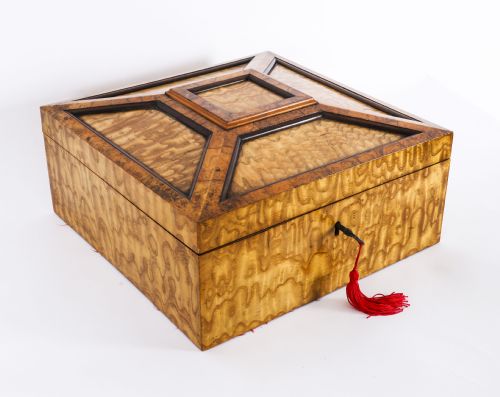
Cabinet makers utilised solid walnut and decorative veneers, often selecting burr walnut for its swirling, highly figured grain patterns on primary exterior surfaces. Secondary timbers such as fruitwood provide contrast, while structural carcasses frequently employ pine or oak beneath the decorative skin.
Surface enrichment relied upon precision craftsmanship, integrating brass mounts, glass panels, and intricate inlays including Tunbridge ware, parquetry, bone, and mother-of-pearl. Hinges, locks, and drop handles cast in brass secured the lids and drawers of these miniature cases, combining functional utility with decorative refinement.
Walnut Jewellery Chest Retail Price Guide 2026
Typical asking prices for walnut jewellery chest among the pieces listed under this phrase on Sellingantiques today, from the lower quarter to the upper quarter. They describe what is for sale here now, not the wider market.
Materials across the selection range from solid walnut and burr timber to bone, mother-of-pearl, brass, and fruitwood inlay.
Judging quality
The hierarchy of these pieces rests upon the selection of timber veneers and the crispness of the secondary decoration. Uniform, highly figured burr walnut surfaces command attention, particularly when matched symmetrically across the lid and drawer fronts, whereas plainer timber yields a simpler appearance.
Internal execution distinguishes everyday examples from exceptional workshop productions. Original silk or velvet linings, complete internal fitted trays, and working locks with matching keys elevate a piece, as do finely executed inlays of bone, brass, or Tunbridge wood mosaic.
Parkins and Gotto
The Walnut Jewellery Chest Glossary
- Burr walnut
- A prized timber veneer harvested from the growth excrescences on walnut trees. It displays wild, highly figured swirling grain patterns that decorators use for visual impact.
- Apprentice piece
- A small item of furniture created by a craftsman to demonstrate technical mastery before admission to a guild. These miniature chests replicate full-scale furniture in every structural detail.
- Tunbridge inlay
- A meticulous mosaic woodworking technique originating in Kent. Tiny pieces of coloured wood are glued together to form geometric or pictorial motifs.
- Table cabinet
- A small, portable cabinet designed to sit on a desk or table. These pieces house multiple internal drawers or compartments behind locking doors.
- Parquetry
- A geometric mosaic of wood pieces used for decorative veneering. The patterns create an illusion of depth across box lids and drawer fronts.
Walnut Jewellery Chest: Frequently Asked Questions
What is an apprentice piece walnut jewellery chest?
An apprentice piece is a miniature item of furniture built by a craftsman to prove skill. These small chests imitate full-size drawers at a fraction of the scale.
Craftsmen applied the same rigorous dovetailing and veneering techniques to these miniature items as they did to large wardrobes and tallboys.
How do I care for antique walnut?
Antique walnut requires stable indoor humidity away from direct sunlight and heat sources. Sunlight bleaches the natural warmth of the timber over time.
Apply a microcrystalline wax occasionally to nourish the wood surface and protect the historic polish from moisture and handling.
Were these chests used only for jewellery?
These versatile boxes held sewing implements, letters, gloves, and coins alongside personal ornaments. Many include multiple compartments for varied domestic uses.
Makers adapted interiors to suit the changing fashions of personal storage through the Victorian and Georgian eras.
How can I date a walnut box?
Dating relies upon construction methods, hardware styles, and the character of the walnut veneer. Seventeenth-century pieces often feature heavy mouldings and floral marquetry.
Victorian examples frequently display rich burr walnut veneer, brass escutcheons, and velvet-lined trays designed for nineteenth-century trinkets.