
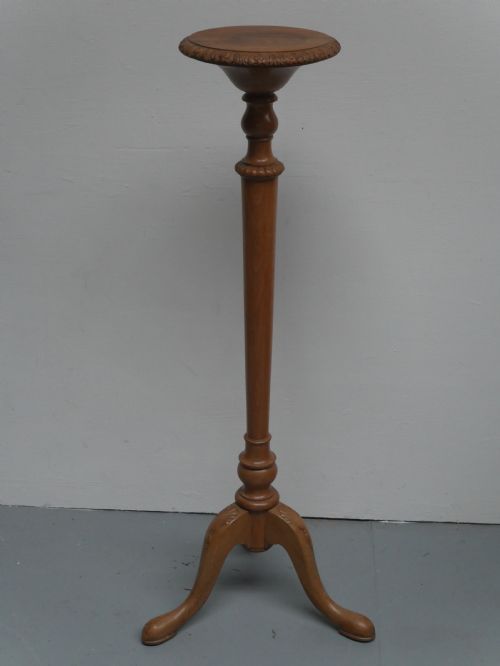


Walnut Jardiniere Stand
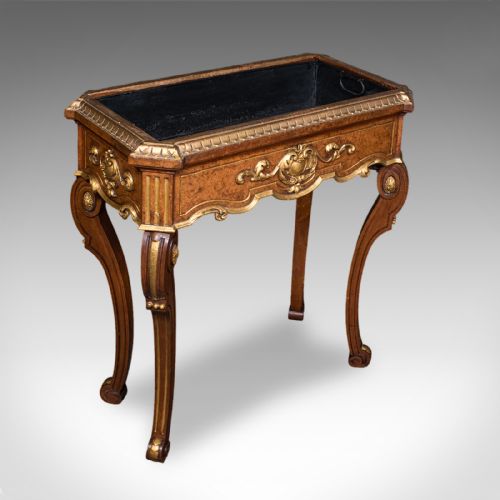
A walnut jardiniere stand holds indoor plants with architectural elegance, combining timber framing with functional metal or porcelain liners.
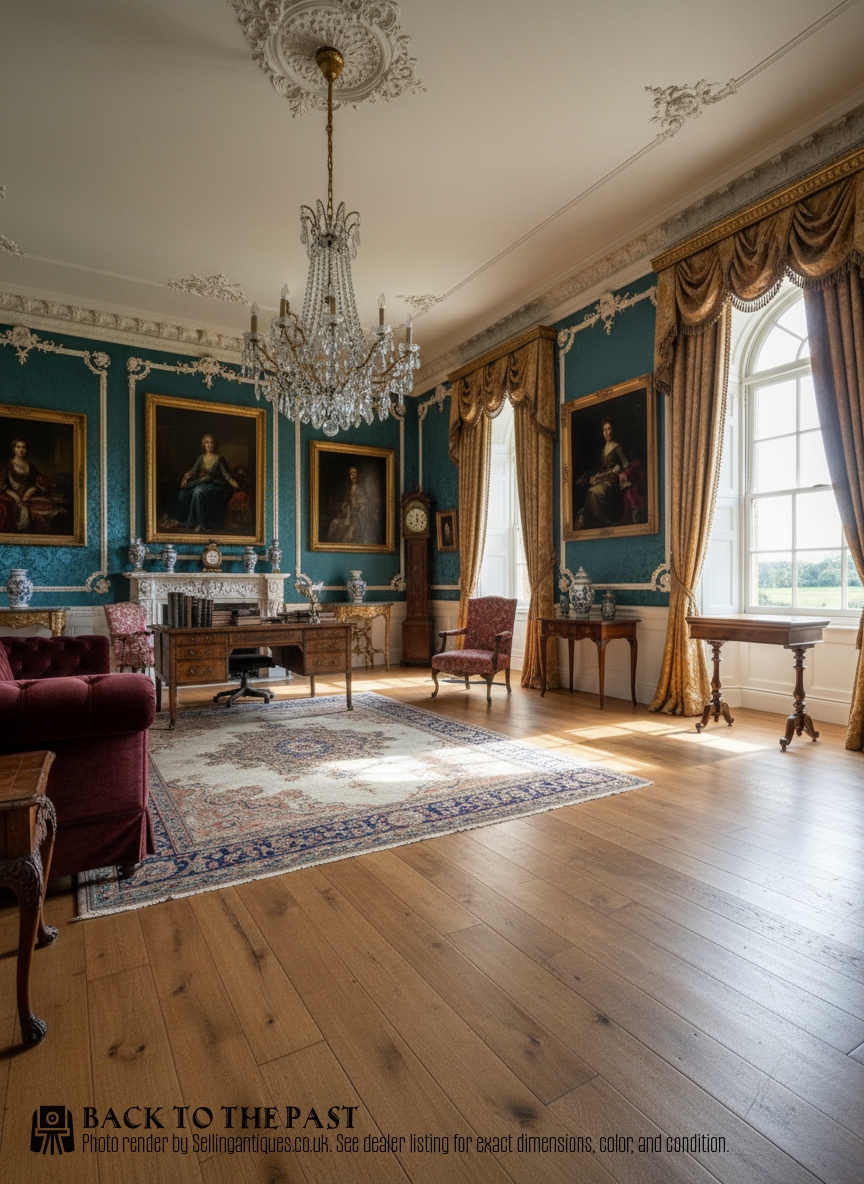
Walnut Jardiniere Stand
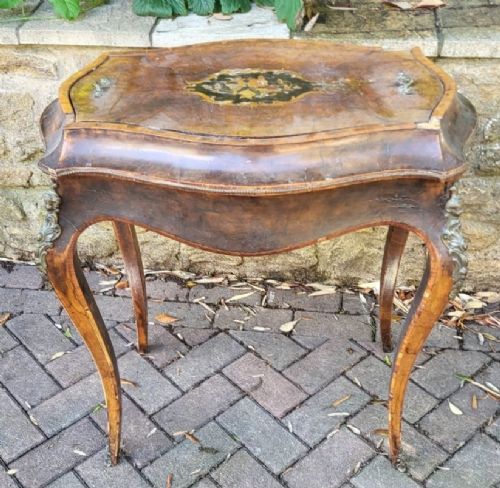
A walnut jardiniere stand serves primarily as a raised planter for interior greenery, often doubling as an occasional table or wine cooler depending on its internal liner. The pieces gathered under this heading span the nineteenth and early twentieth centuries, drawing heavily on Victorian, Georgian, and continental design traditions.
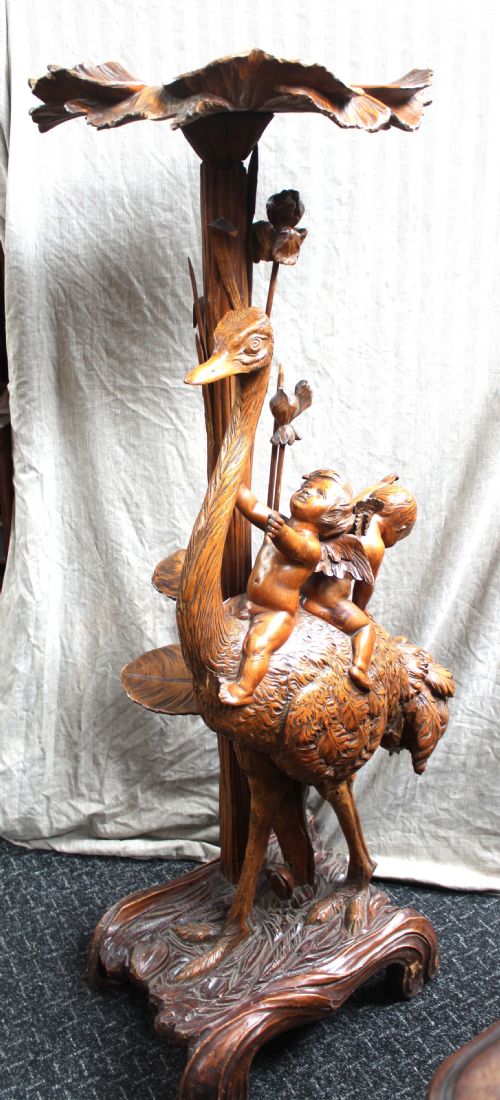
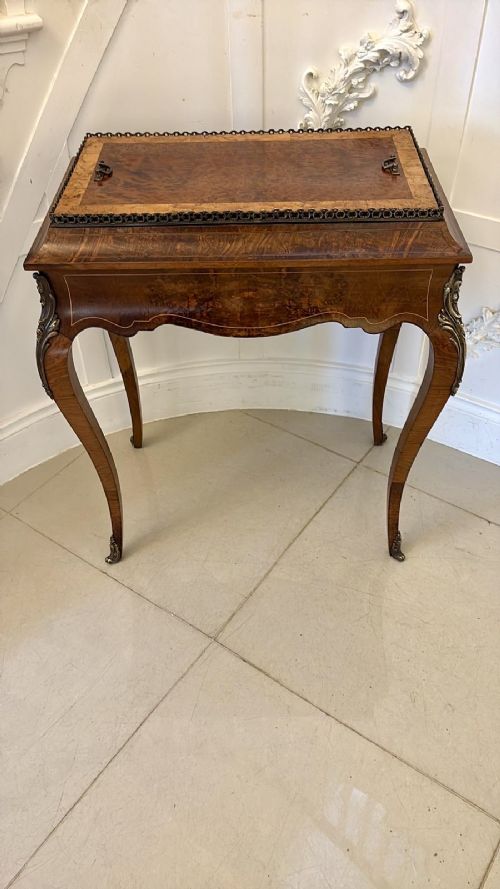
The most frequent version encountered on this page is the French or English table-form planter, frequently fashioned from burr walnut with marquetry inlay or brass mounts. These examples range from compact Victorian designs to taller, carved stands influenced by Louis XV styles and Art Nouveau aesthetics.
Origin points stretch across Britain, France, Italy, and the Netherlands, reflecting varied regional approaches to domestic horticulture and furniture making. Whether configured as a low-slung table with a lift-off lid or a tall carved pedestal, each item shares a core structural intent to elevate plants within the principal rooms of a house.
Materials and Technique
Cabinetmakers utilised walnut and burr walnut for their rich grain patterns, frequently applying intricate marquetry or satin walnut veneers to enhance the visual depth of the surfaces. The timber provides a sturdy structural framework that supports the heavier components necessary for holding damp soil or water.
Metal liners in brass, zinc, or ormolu mounts protect the surrounding wooden frames from moisture damage, functioning alongside porcelain plaques and marble tops in more decorative iterations. These mixed media constructions require precise joinery to marry organic timber with impervious metal and stone elements.
Several stands double as wine coolers, proving that nineteenth-century hosts prioritized both botany and beverage access.
Distinctions in Execution
Superior examples demonstrate refined marquetry and delicate brass or ormolu mounts that integrate seamlessly with the walnut carcass, while simpler versions rely on plain timber and minimal decoration. The complexity of the carving, particularly seen in Art Nouveau and revivalist pieces, separates standard production from exceptional craftsmanship.
The survival of original internal liners, whether metal containers or porcelain inserts, elevates the integrity of a piece. Finer stands exhibit meticulous attention to secondary timbers and stable veneer work that withstands environmental changes over centuries.
The Walnut Jardiniere Stand Glossary
- Jardiniere
- A decorative pot or stand designed to hold plants or flowers indoors. This term covers both low table-form planters and tall pedestals.
- Burr Walnut
- Timber taken from the warted excrescence of a walnut tree, yielding highly figured grain patterns. Cabinetmakers prize this material for decorative veneering on principal surfaces.
- Ormolu
- Gilded bronze ornamentation applied to furniture mounts and decorative items. French pieces frequently employ this technique to accent the corners and aprons.
- Marquetry
- The art of applying pieces of veneer to a structure to form decorative patterns and pictures. Makers use contrasting timbers like satin walnut to achieve tonal variation.
- Cellarette
- A lockable container or stand originally used for storing bottles of wine. Many examples share forms with planters and function interchangeably in historic interiors.
Walnut Jardiniere Stand: Frequently Asked Questions
What is a walnut jardiniere stand used for?
These pieces were built to hold potted plants and flowers inside the home, keeping damp foliage safely away from fine carpets and floors through the use of internal metal or zinc liners.
Over time, many owners adapted them to serve as occasional side tables, decanter caddies, or wine coolers within reception rooms.
How do I identify a French piece?
French examples often display distinct stylistic markers such as Louis XV or Rococo revival curves, asymmetric ormolu mounts, and elaborate marquetry patterns. They frequently incorporate porcelain plaques or satin walnut veneers.
In contrast, English variants from the Victorian or Georgian periods generally lean towards heavier proportions, rectilinear forms, and more subdued brass detailing.
Are original liners important?
Original zinc, brass, or copper liners protect the surrounding wooden structure from water and soil decay. Finding a piece with its period liner intact preserves its original function and structural completeness.
Replacements are common due to corrosion, but original components add significantly to the historical integrity of the stand.
How do I care for burr walnut?
Burr walnut requires stable indoor humidity and protection from direct sunlight to prevent the delicate veneers from lifting or fading. Regular dusting with a soft, dry cloth maintains the finish without needing aggressive polishes.
Keep these stands away from direct heat sources and radiators to ensure the timber and glue joints remain stable.