
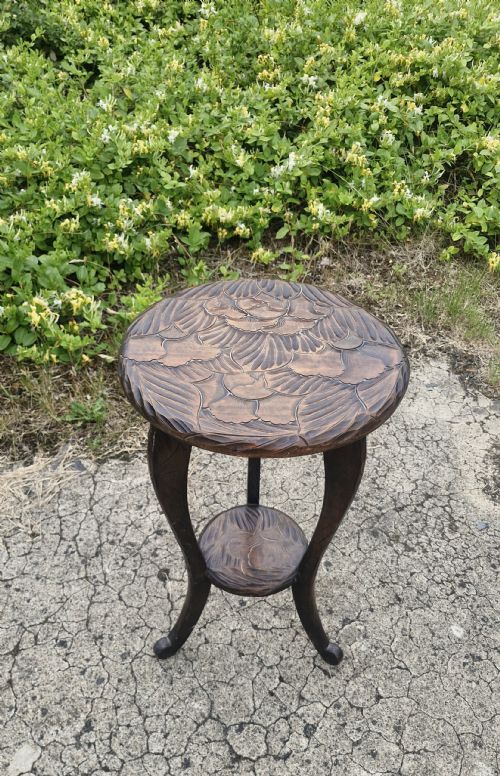


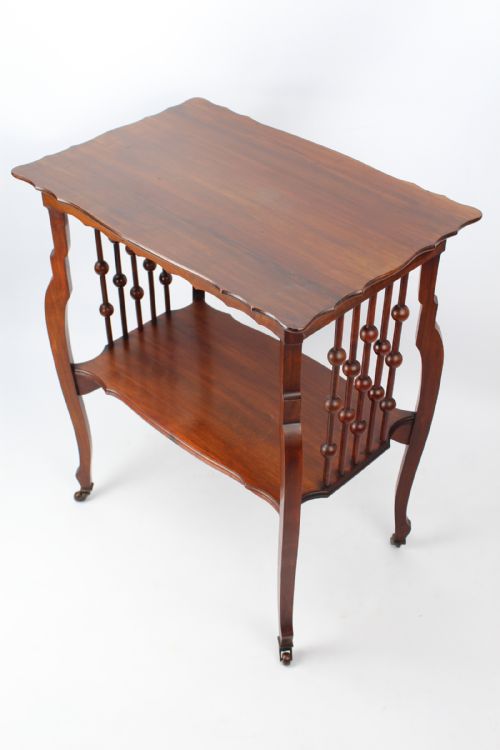
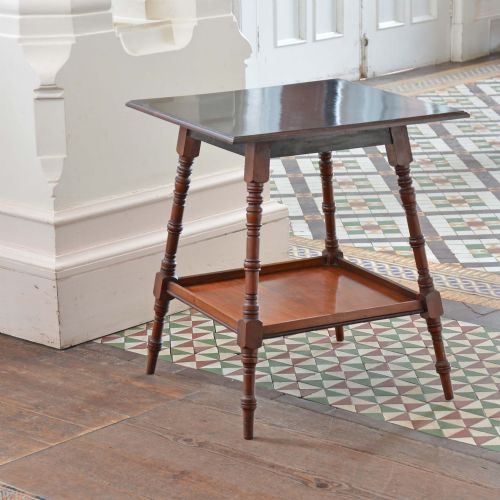


Brown Walnut Plant Table
A brown walnut plant table brings timber warmth and practical surface space together, holding foliage or lamps with quiet domestic utility.
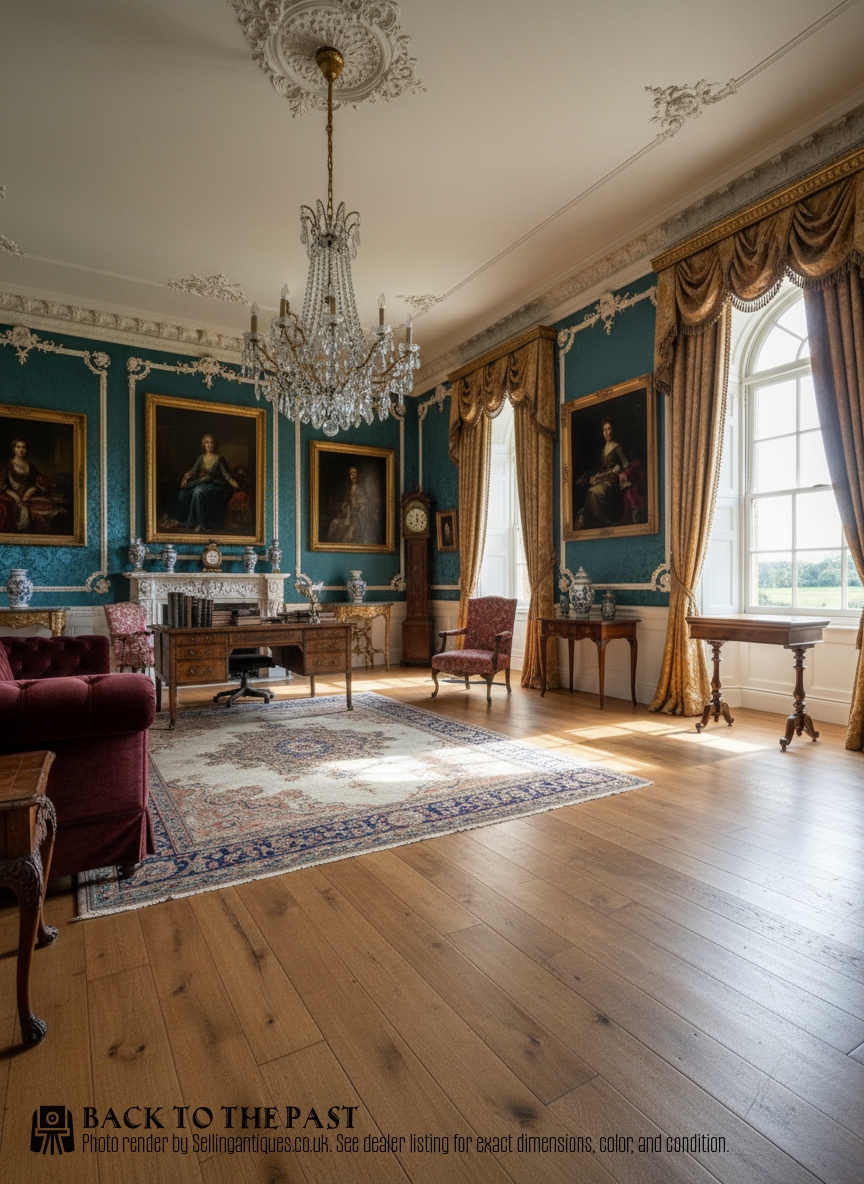
Brown Walnut Plant Table
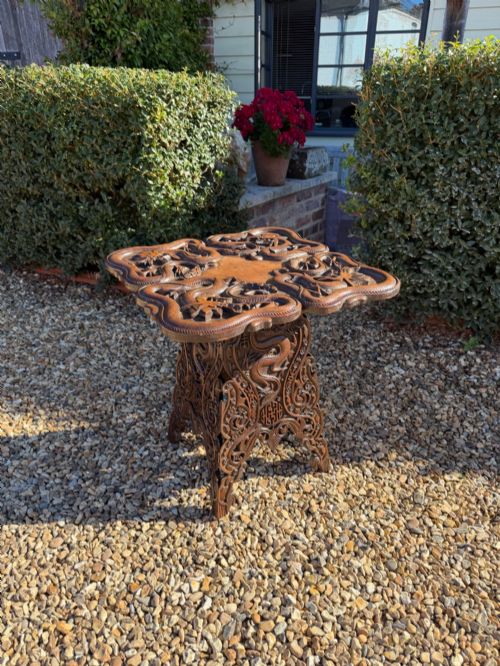
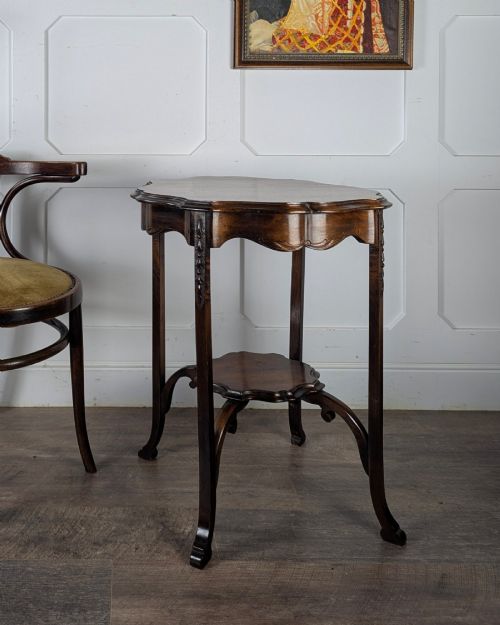
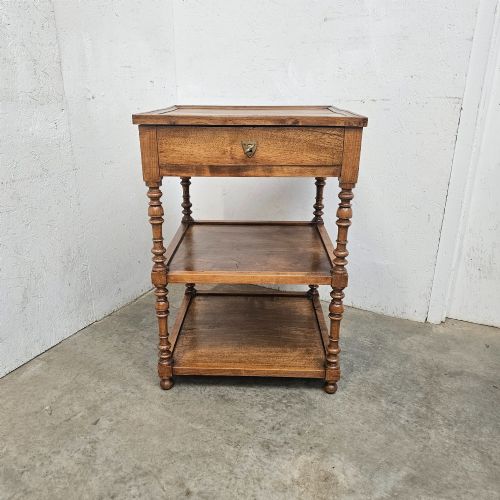
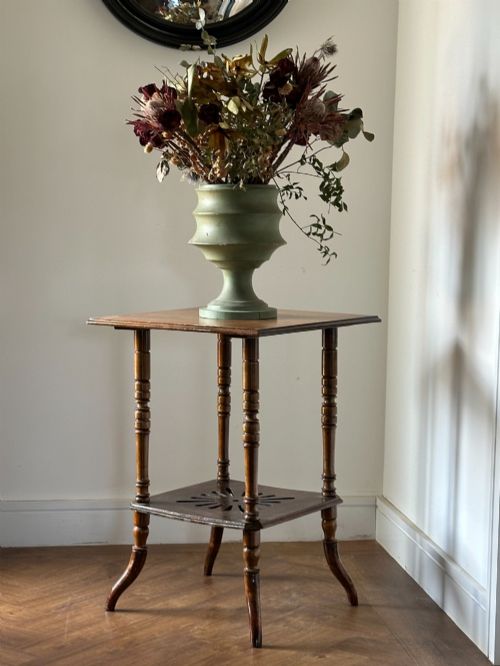
A brown walnut plant table bridges the gap between utilitarian plant stands and refined occasional furniture, frequently taking the form of jardiniere tables, pedestals, and tiered surfaces designed to hold greenery or decorative items. When buyers search for a brown walnut plant table, they encounter pieces spanning the Victorian and Edwardian eras alongside 1930s modernist examples, reflecting diverse domestic fashions.
The materials centre on rich walnut and burr walnut timbers, often complemented by marble tops, brass liners, and occasional glass elements that protect the wood from moisture. Formats range from octagonal candle stands and two-tier occasional tables to specialised planters with lift-off lids.
Stylistic influences vary widely across the inventory, drawing on Dutch marquetry, Aesthetic Movement ideals, French provincial design, and Art Deco geometry. These pieces originate from British, French, and Italian workshops, giving buyers a broad spectrum of regional craftsmanship within the same timber family.
Materials and Construction Methods
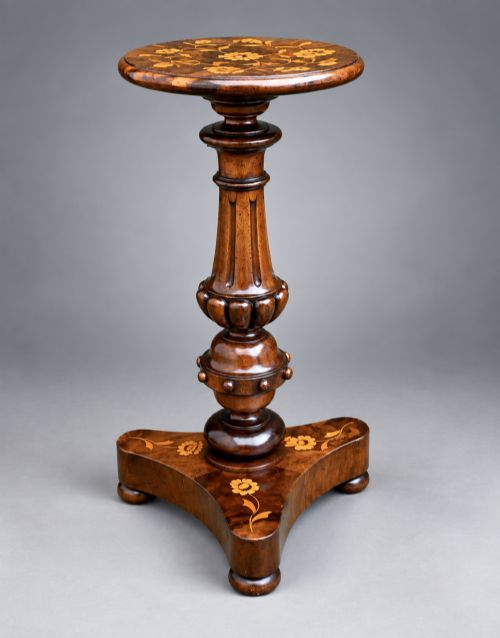
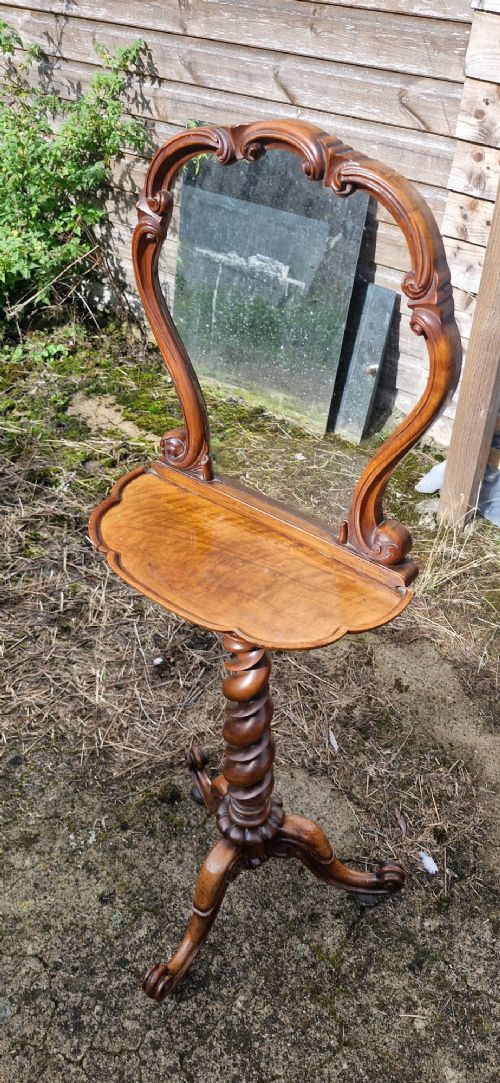
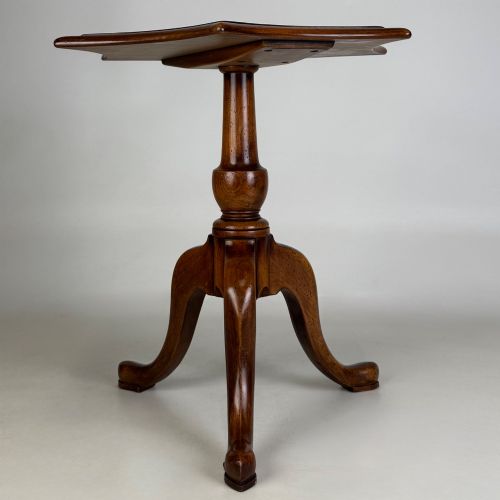
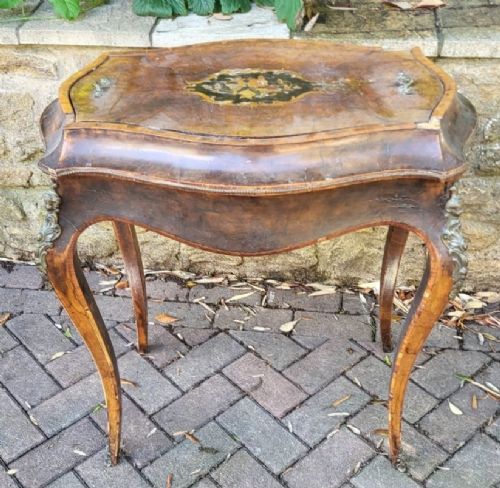
Cabinetmakers utilised solid walnut and figured burr walnut veneers over secondary woods, applying fruitwood marquetry, floral inlays, and mother-of-pearl to enrich flat surfaces. Turning and carving shape the legs and supports, visible in tripod bases, cabriole legs, and multi-tiered structures.
Specialised plant and jardiniere tables incorporate practical waterproof liners in metal or marble, safeguarding the surrounding wooden frames from water damage during daily use. Galleried edges, brass mounts, and tiered designs further demonstrate the integration of structural integrity with decorative purpose.
A solitary Blackamoor stand from the late nineteenth century shares space with sensible tiered tables and botanical trays.
Distinctions in Execution and Materials
Quality rests upon the selection of timber figure, such as the rich grain patterns found in burr walnut veneers, and the precision of inlaid marquetry or mother-of-pearl detailing. Superior examples exhibit crisp hand-carving on structural elements and tight joinery in multi-tiered frames.
The inclusion of original fitted elements, such as marble inserts, brass gallerying, or internal plant liners, elevates a piece above standard utility furniture. Finer execution shows in the balanced proportions of tripod bases and the seamless integration of secondary woods.
Liberty's·Michel Dufet·E.W Godwin
The Brown Walnut Plant Table Glossary
- Jardiniere
- A decorative pot or stand designed to hold a plant or flower arrangement. These often feature metal liners to contain moisture.
- Burr walnut
- Timber taken from a tree growth where the grain has swirled into intricate patterns. It provides highly decorative veneer surfaces on tabletops.
- Marquetry
- Decorative patterns formed by inserting pieces of wood, veneer, or shell into a veneered surface. Floral and geometric motifs appear frequently.
- Etagere
- A piece of furniture consisting of a set of open shelves for displaying small objects. They utilise vertical space efficiently.
- Galleried top
- A raised rim surrounding the edge of a tabletop. This feature prevents items from sliding off the surface.
Brown Walnut Plant Table: Frequently Asked Questions
How do I protect the wood from water?
Many period plant tables feature original metal liners or marble inserts designed to catch moisture and prevent direct contact with the walnut timber. Using saucer inserts inside these liners provides an extra layer of protection.
Ensuring that pots are removed or drained during watering maintains the condition of the surrounding veneer and polished finish over years of domestic use.
Where should I place a plant table?
These compact tables suit corners, hallways, and living rooms where they function as pedestals for trailing plants, lamps, or decorative objects. Their varied heights and tiered formats allow them to sit beside seating or in unutilized alcoves.
Placing them away from direct heat sources prevents the walnut veneer from drying out or splitting over time.
How do I date a walnut plant table?
Stylistic clues such as cabriole legs point toward Victorian or Edwardian revival periods, while geometric lines and octagonal forms often indicate 1930s Art Deco production. Construction methods, including the type of secondary wood and joint assembly, offer further chronological markers.
Matching decorative details like floral marquetry or Aesthetic Movement influences helps narrow down the decade of manufacture.
What is the difference between a jardiniere and an occasional table?
A jardiniere incorporates a waterproof well, liner, or inset top specifically built to house soil and live plants. An occasional table provides a flat wooden or glass surface meant for general display and small objects.
Some multi-tier designs combine both functions, offering a display shelf alongside a dedicated plant well.