
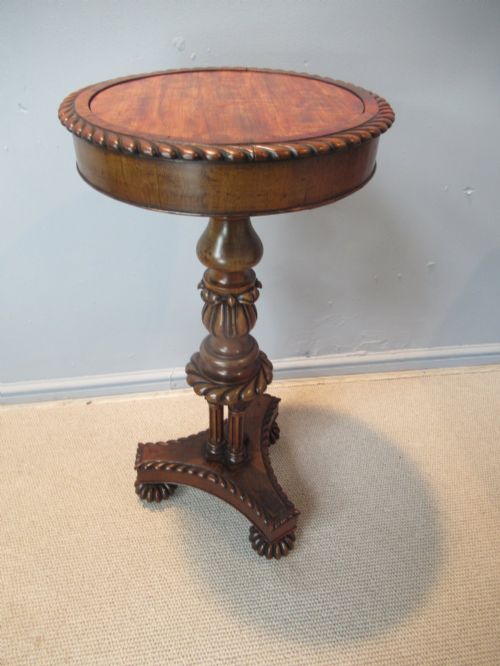


Victorian Jardiniere Table
A victorian jardiniere table brings nineteenth-century horticulture indoors, offering a dedicated surface for display that doubles as a plant holder.
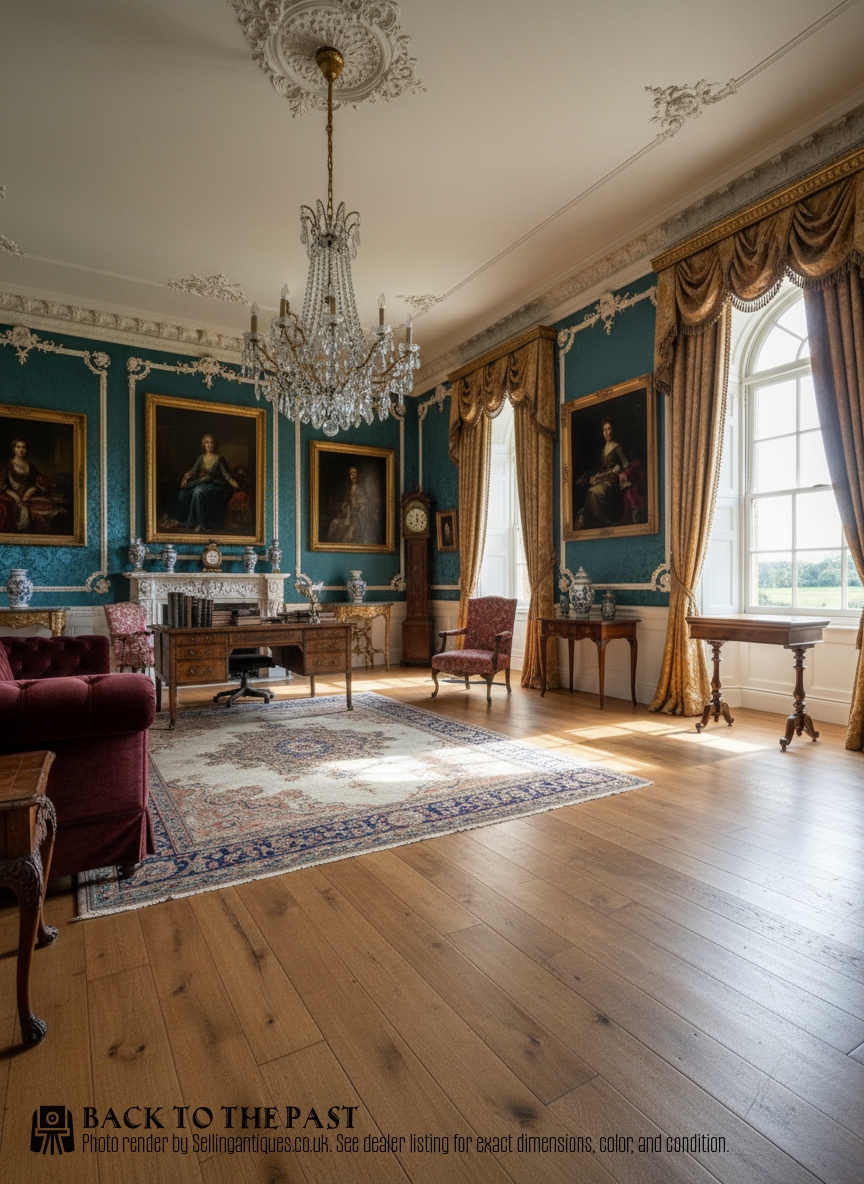
Victorian Jardiniere Table
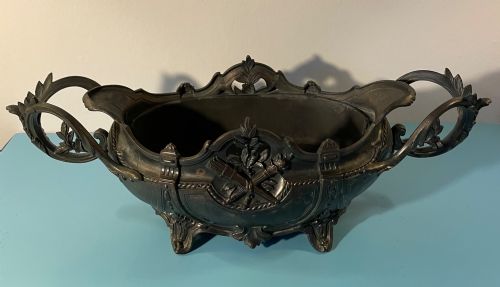
A victorian jardiniere table is a specialised piece of nineteenth-century furniture designed to house indoor plants and flowers while serving as an occasional or side table in the home. These pieces appear as fitted tables with removable liners, pedestal plant stands, and occasional tables adapted for botanical display.
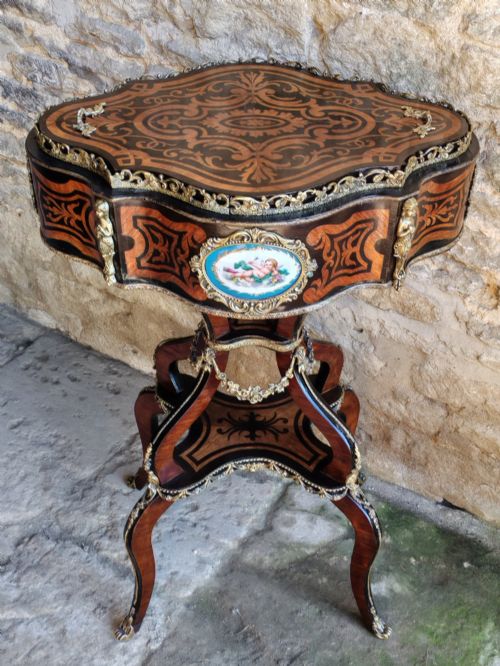
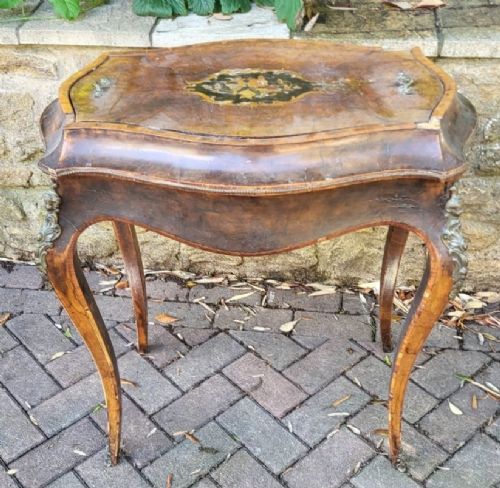
Makers produced these stands in various regional styles, including British walnut and mahogany designs alongside French ormolu-mounted kingwood pieces and Chinese export hardwood stands. The visitor to this selection will frequently encounter walnut and burr walnut tables featuring marquetry inlay and metal-lined interiors intended to protect the timber from moisture.
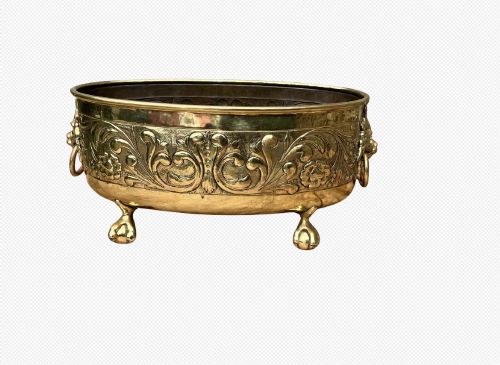
Alongside traditional tables, the selection includes related forms such as wine coolers, cellarettes, and tall conservatory plant stands that share a similar architectural purpose. These objects reflect the Victorian passion for indoor greenery and decorative domestic arrangements.
Materials and Construction
Cabinet makers utilised dense timbers such as mahogany, rosewood, burr walnut, and kingwood, often enhancing the surfaces with marquetry inlay or ebonised finishes. French pieces frequently incorporate ormolu mounts and porcelain plaques to enrich the visual weight of the frame.
Internal liners made of metal or brass formed a vital part of the construction, allowing wet pots to sit inside the wooden casing without damaging the joinery. Carved hardwood Chinese export stands relied on dense tropical timbers to support heavy marble inserts and porcelain vessels.
Victorian ferns required so much indoor furniture dedicated to their display that polite society invented an entirely new branch of indoor landscaping.
Craftsmanship and Proportion
Quality rests in the crispness of the timber carving, the precision of the marquetry inlay, and the integration of the metal liner within the wooden chassis. Superior examples maintain balanced proportions where the weight of the plant stand supports the decorative elements without feeling clumsy.
The choice of secondary woods and the quality of the gilt-metal or ormolu mounts separate standard production items from workshop pieces created for affluent domestic interiors.
Royal Crown Derby
The Victorian Jardiniere Table Glossary
- Jardiniere
- An ornamental pot or stand for plants and flowers. It sits within the home to bring living greenery into reception rooms and conservatories.
- Marquetry
- Decorative veneer work formed by fitting pieces of various coloured woods into a design. It appears frequently on Victorian walnut table tops.
- Ormolu
- Gilt-bronze mounts applied to furniture. This technique gained popularity in French-influenced nineteenth-century decorative arts.
- Cellarette
- A fitted container for holding bottles, which shared similar waterproof metal linings with nineteenth-century planters. Some tables served a dual purpose for wine and botany.
- Ebonised
- Wood treated with a dark finish to imitate ebony. This technique was common in Aesthetic Period and Japanese-influenced nineteenth-century pieces.
Victorian Jardiniere Table: Frequently Asked Questions
What is a jardiniere table used for?
These tables served primarily to display potted plants and ferns inside Victorian drawing rooms and parlours. The waterproof metal liner protected the fine wooden structure from water damage during watering.
Over time, owners also utilised these versatile surfaces as lamp tables, side tables, or wine coolers when the plant liners were removed.
How do I tell different periods apart?
Early nineteenth-century examples often display Regency rosewood forms with clean classical lines, while mid-Victorian pieces lean towards burr walnut and ornate marquetry. Pieces from the later nineteenth century frequently show French Louis revival influences with ormolu mounts.
Edwardian and later variations tend towards lighter wirework or simpler conservatory stands, diverging from the heavy timber construction of the high Victorian era.
Can I still use these for real plants?
Many surviving tables retain their original metal liners, which remain functional for holding potted plants today. Modern owners often place a saucer inside the liner to catch excess water and safeguard the antique metalwork.
If the original liner is missing, a custom plastic or metal insert can be fitted discreetly inside the wooden well.
Where should I place one at home?
These pieces suit entrance halls, drawing rooms, or bright conservatories where natural light complements botanical displays. They function effectively beside seating as occasional tables or as freestanding display points in corners.
Positioning them away from direct heat sources helps protect sensitive nineteenth-century veneers and polished wood surfaces.