


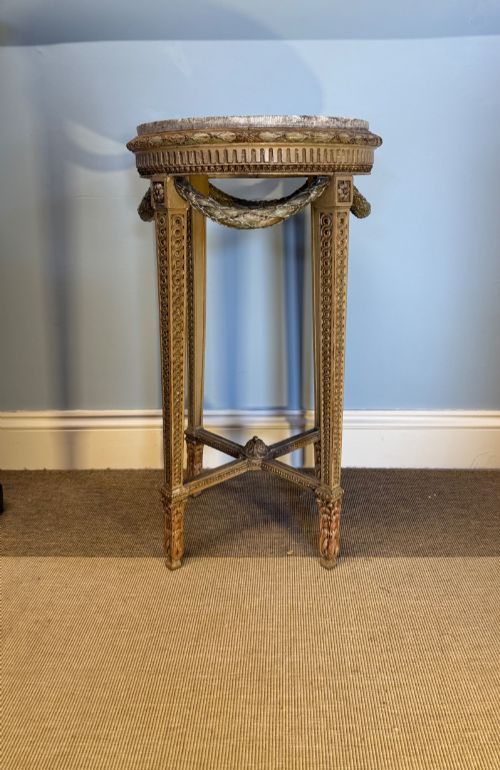
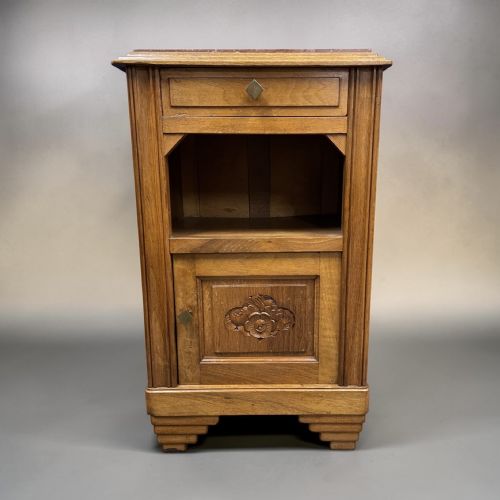
Antique Flower Table
An antique flower table brings nature indoors, holding plants, jardinieres, or floral displays on sturdy timber and marble.
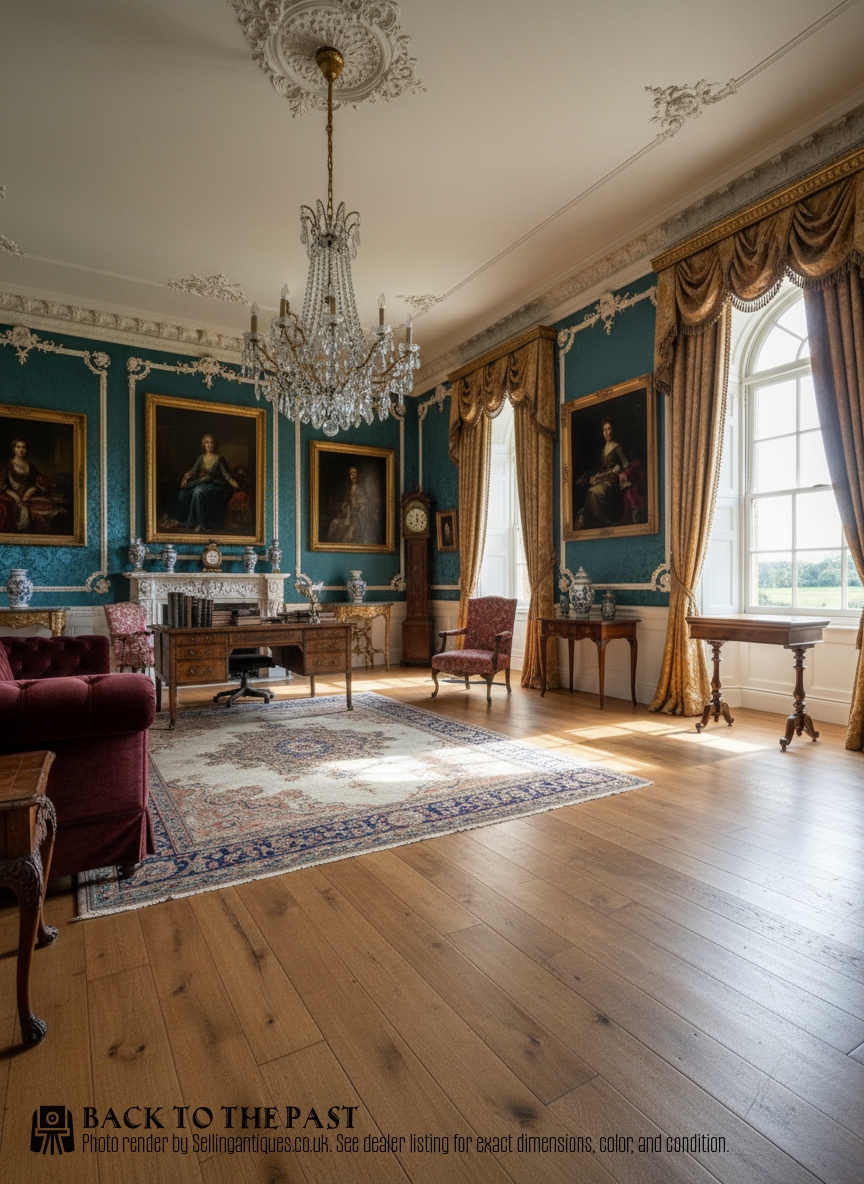
Antique Flower Table
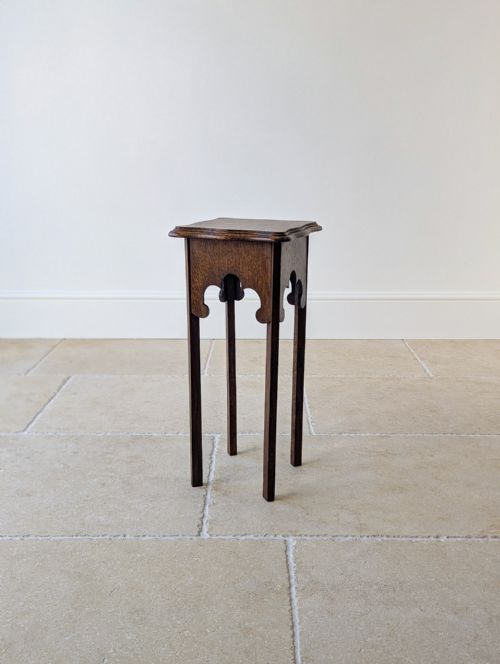
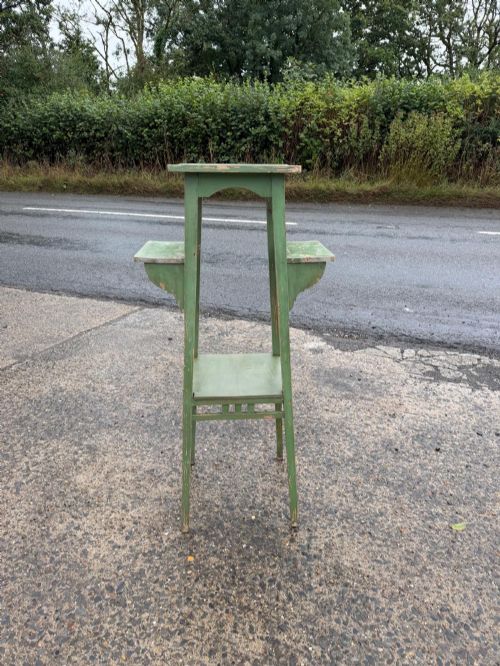
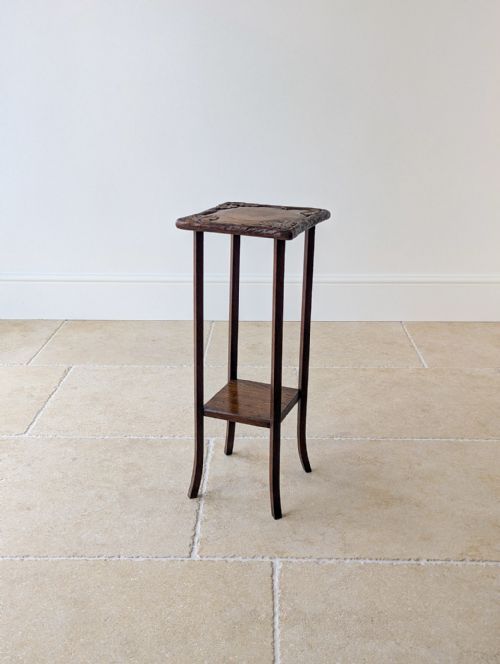
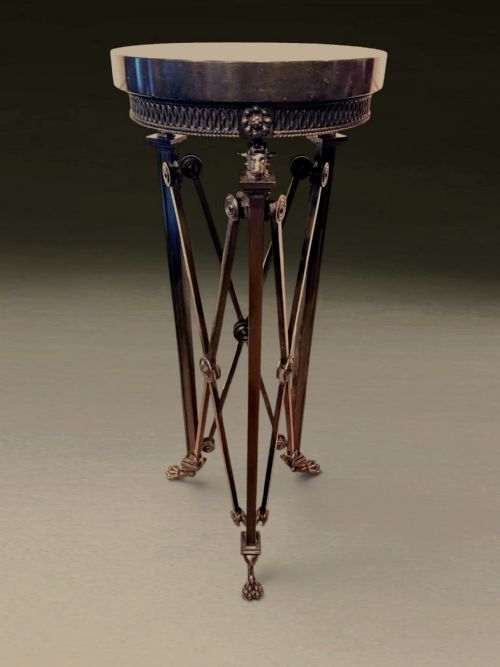
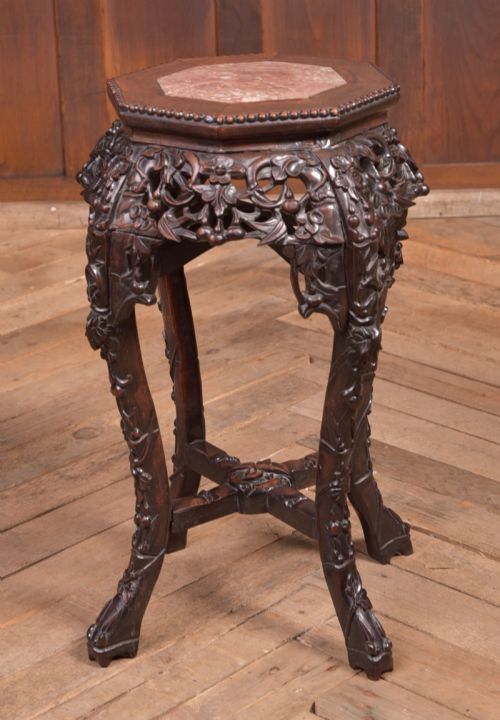
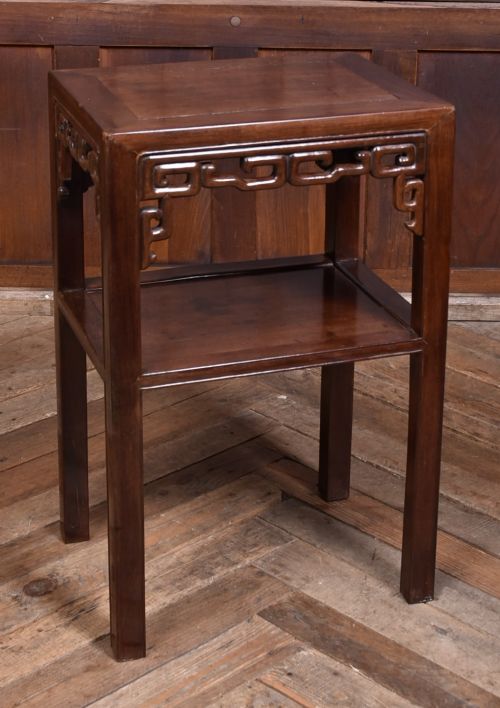
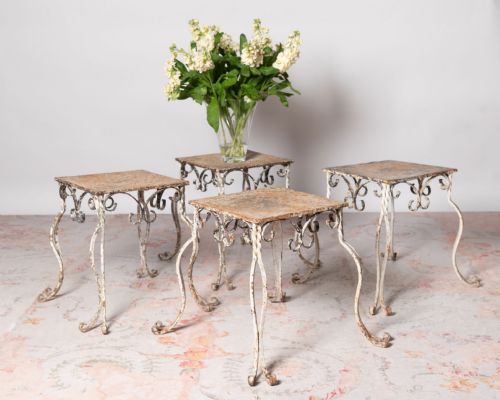
When searching for an antique flower table, buyers encounter a variety of plant stands, pedestals, and jardiniere supports designed to hold flora. These pieces range from simple oak arts and crafts tables to ornate hardwood and marble top pedestals originating from Chinese export workshops or Victorian parlours. The selection spans the nineteenth century through to the Edwardian era, offering multiple heights and tiers.
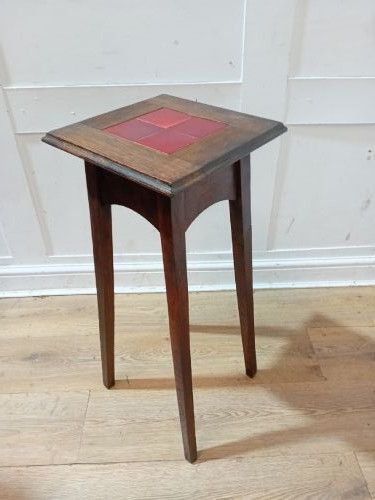
Plant stands and occasional tables dominate the current selection, constructed to elevate potted plants or floral arrangements. Hardwood stands with inset marble tops appear frequently alongside oak arts and crafts designs from nineteen hundred. Buyers also find occasional tables decorated with mother of pearl or cloisonne motifs depicting birds and flowers.
How They Were Made
Cabinet makers utilised dense hardwoods such as oak, mahogany, and satinwood, often pairing them with inset marble tops to resist moisture from watering plants. Carving and joinery define the construction, from mortise and tenon joints on arts and crafts items to intricate hand carving on oriental hardwood stands.
Metal and ceramic elements supplement the timber frames, including cast brass, bronze, silver plate, and porcelain details. Some pieces incorporate cloisonne enamel or giltwood, while others rely on original paint surfaces and hand-applied mother of pearl inlay.
What Varies in Quality
Quality rests upon the crispness of the hand carving and the integration of materials, such as the snug fit of an inset marble top within a hardwood frame. Finer examples display purposeful weight and balanced proportions rather than purely utilitarian assembly.
The sophistication of surface decoration separates standard utilitarian items from finer works. Pieces featuring detailed mother of pearl inlay, precise cloisonne work, or robust patinated bronzes command greater appreciation than plain factory turnings.
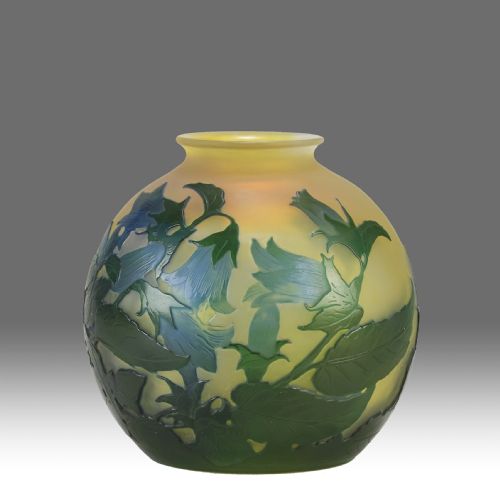
Emile Galle·Liberty of London·Flight Barr and Barr·Sitzendorf
The Antique Flower Table Glossary
- Jardiniere
- A decorative pot or stand designed to hold plants or flowers indoors. These containers sit atop pedestals or form the upper section of dedicated plant tables.
- Pedestal stand
- A tall, slender column or support used to elevate vases, figures, or floral displays. They utilise marble, hardwood, or brass.
- Cloisonne
- An enamel technique where metal wire creates raised barriers that are filled with coloured paste. It frequently appears on decorative table surfaces and vases depicting floral motifs.
- Arts and Crafts
- A design movement prioritising traditional craftsmanship and simple forms over mass production. Pieces from this style utilise solid oak with minimal applied ornament.
- Marble top
- A stone surface fitted into the top of a table or stand to provide a durable, water-resistant area for plants. Variegated rouge and white marble inserts appear often.
Antique Flower Table: Frequently Asked Questions
What is an antique flower table used for?
These tables provide elevated surfaces for displaying potted plants, cut flowers, jardinieres, and decorative vases inside the home.
Historically, they protected delicate interior flooring and furniture from damp soil while showcasing botanical arrangements at eye level.
How do I style an antique flower table?
Place a sturdy hardwood or marble top stand in a corner or by a window to support trailing indoor plants or ceramic jardinieres.
Pairing a smaller occasional table with a vintage vase or bronze planter creates a balanced focal point in a living space.
How do I distinguish Victorian from Edwardian stands?
Victorian pieces often feature heavier ornamentation, dark walnut or mahogany timbers, and elaborate carvings influenced by revival styles.
Edwardian and arts and crafts examples lean toward lighter oak construction with simplified lines and functional two-tier designs.
Are marble top tables practical for plants?
Marble provides an ideal water-resistant surface that withstands occasional spills and moisture from watering potted plants.
This durable material allowed nineteenth-century households to keep living greenery indoors without damaging the wooden frames.