


Walnut Inlay Table
When you search for a walnut inlay table, you meet a rich tradition of craftsmanship spanning lamp tables, games tables, and grand centre pieces.
Walnut Inlay Table
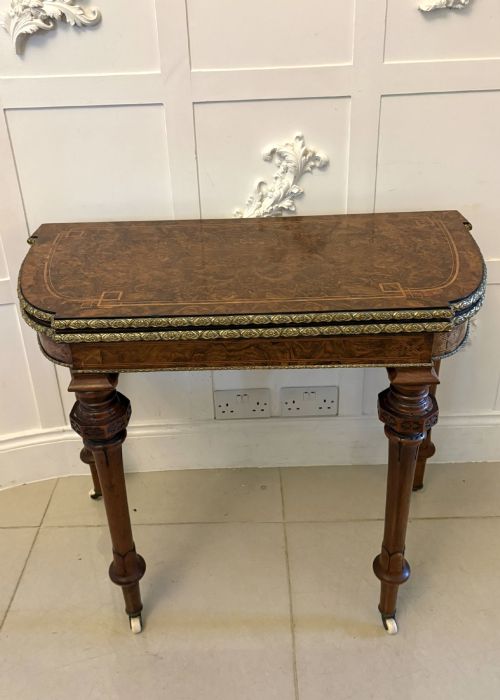
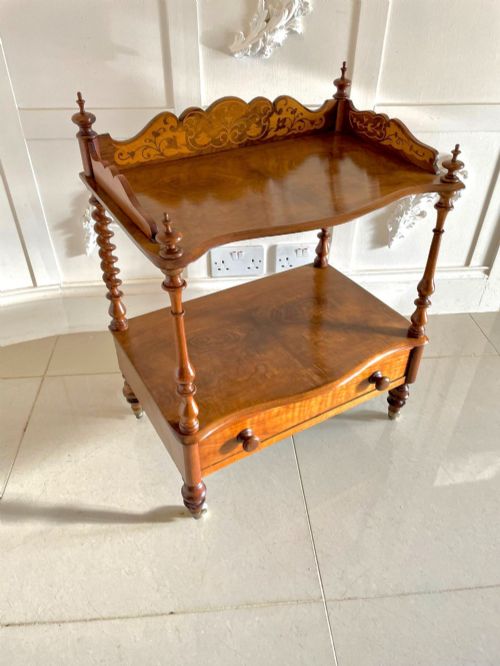
A walnut inlay table brings together decorative woodwork and functional furniture, appearing most frequently in Victorian lamp, games, and centre tables alongside French coffee and writing tables. These pieces draw on 17th century, Georgian, and 19th century traditions, adapting through Edwardian and Art Deco periods into versatile domestic forms.
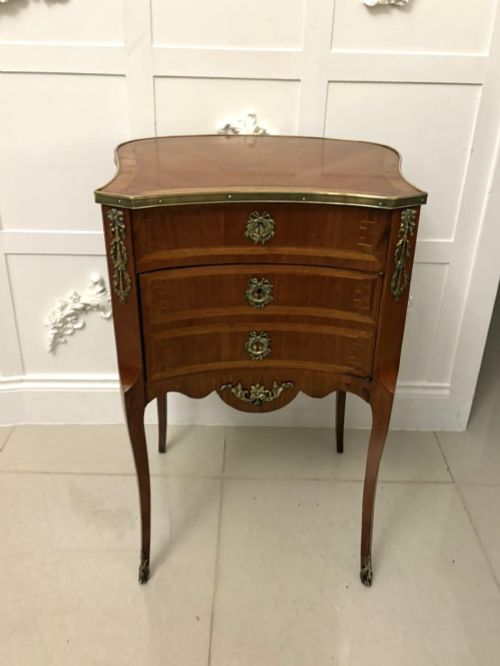
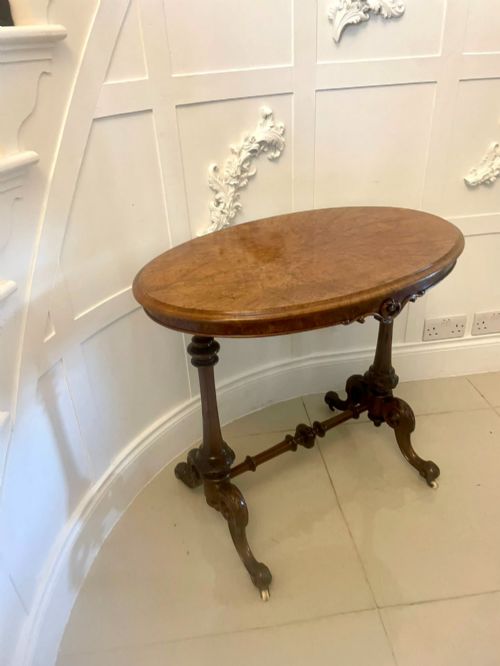
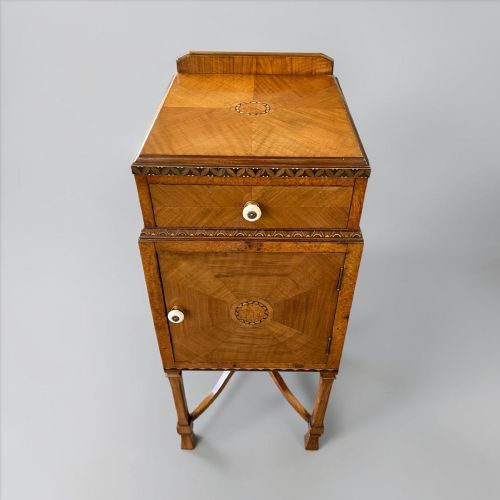
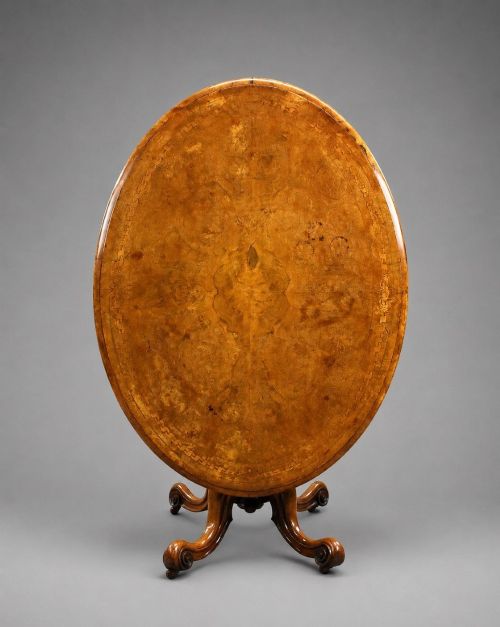
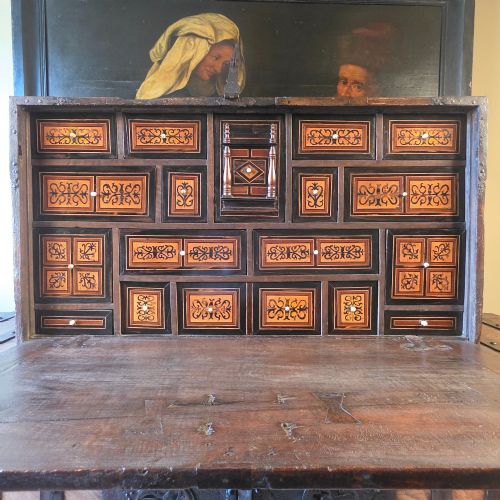
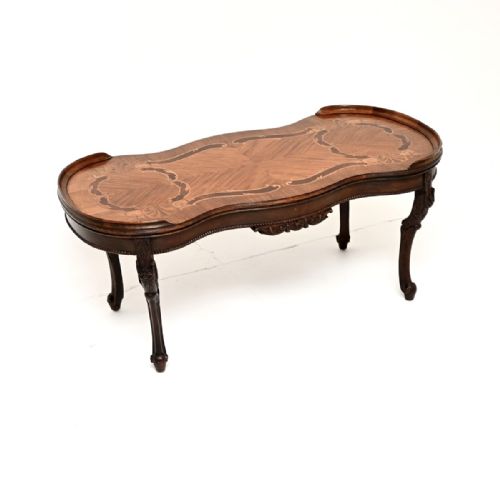
The selection ranges from compact bedside cabinets and occasional tables to substantial bureau plat desks and loo tables. Makers utilised burr walnut and figured grains to create striking surfaces, often shaped into kidney or octagonal formats.
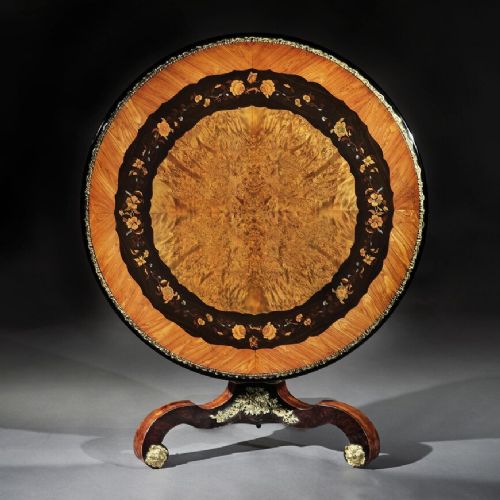
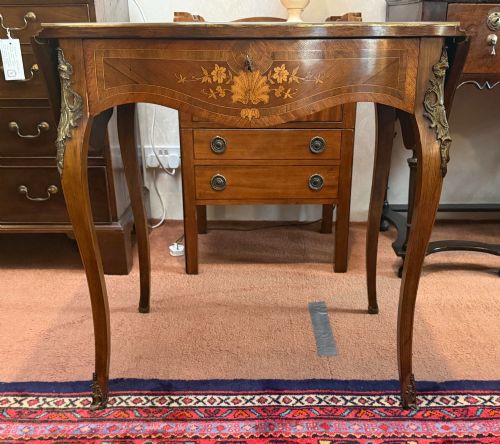
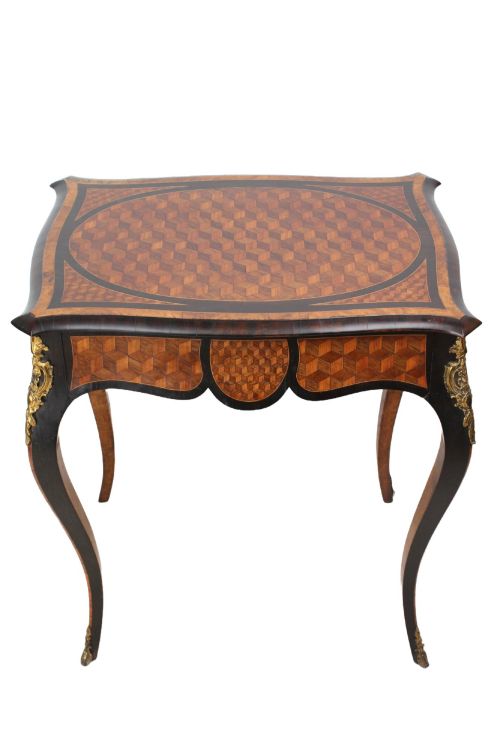
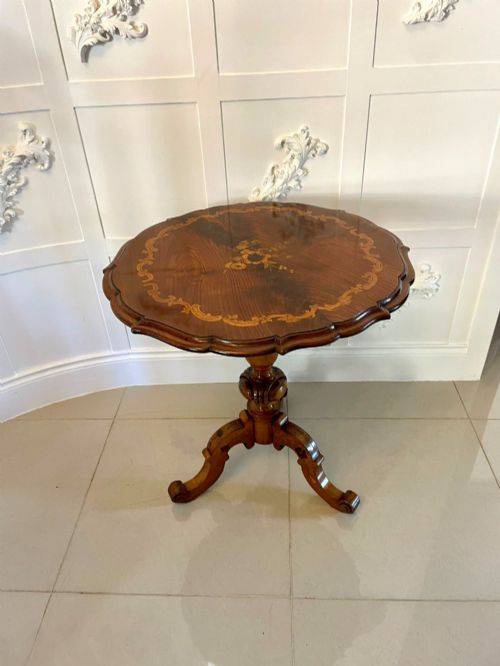
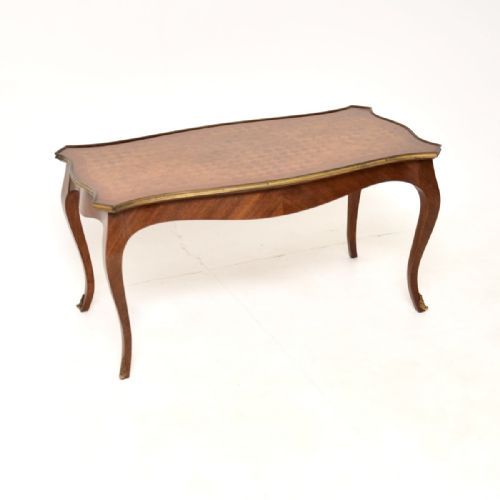
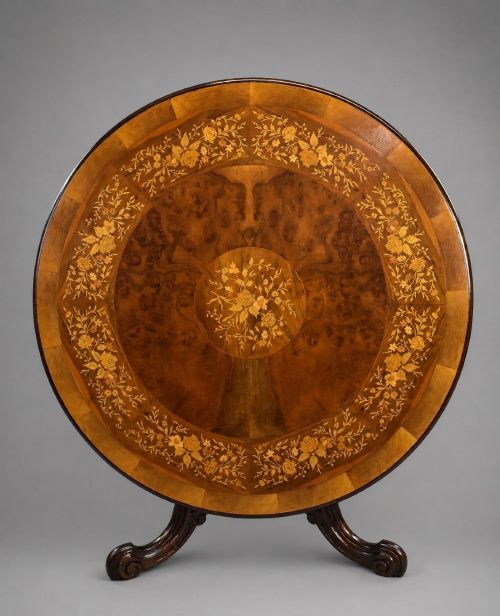
Continental influences emerge strongly through French Louis XV revival pieces and Sorrento ware trays, pairing walnut foundations with intricate marquetry and parquetry patterns. Buyers encounter both British craftsmanship and continental imports, each offering distinct regional characteristics.
What varies in quality
The distinction between ordinary and exceptional examples lies in the precision of the marquetry and the choice of timber figure. Fine pieces demonstrate seamless integration of contrasting woods without visible gaps or excessive filler.
Structural integrity and the rhythm of the grain across the table top separate workshop standards. Superior tables maintain balanced proportions, crisp carving on legs, and high-grade Ormolu or brass mounts that remain securely seated.
Some tables double as sneaky sewing boxes for clandestine Victorian stitching.
Edward Holmes Baldock·JAS Shoolbred·Maple and Co
The Walnut Inlay Table Glossary
- Marquetry
- The art of forming decorative patterns by fitting together small pieces of veneer into a wooden ground. It frequently depicts floral or pictorial scenes across table tops.
- Parquetry
- A geometric mosaic of wood pieces used for surface decoration, commonly seen in repeating cube or diagonal designs on desk and table surfaces.
- Burr walnut
- A prized wood harvested from the abnormal growth of a walnut tree, yielding swirling grain patterns rich in movement and depth.
- Ormolu
- Gilded bronze used for mounts, feet, and decorative handles on finer tables, adding metallic contrast to the timber.
Walnut Inlay Table: Frequently Asked Questions
What is a walnut inlay table used for?
These tables served various domestic functions depending on their form, ranging from card playing and writing to displaying decorative objects.
Smaller versions functioned as bedside cabinets and lamp tables, while larger centre tables anchored reception rooms.
How do I care for a walnut inlay table?
Keep the wood away from direct sunlight and heat sources to prevent the veneers from drying out and lifting.
Apply a traditional wax polish occasionally and buff gently with a soft cloth to maintain the surface sheen.
How do I identify a Victorian walnut table?
Victorian examples often feature rich burr walnut veneers combined with elaborate marquetry floral designs and turned pedestals.
Check the construction methods underneath to confirm period timber usage and assembly techniques.
What distinguishes marquetry from parquetry?
Marquetry creates pictorial or organic designs like flowers and scrolls using fitted wood veneers.
Parquetry constructs repeating geometric patterns such as cubes, diamonds, and chequers.