


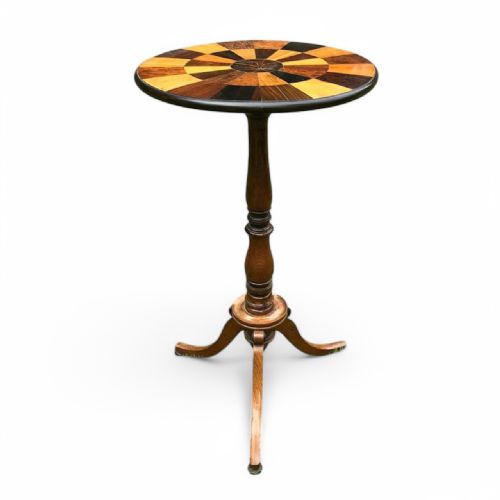


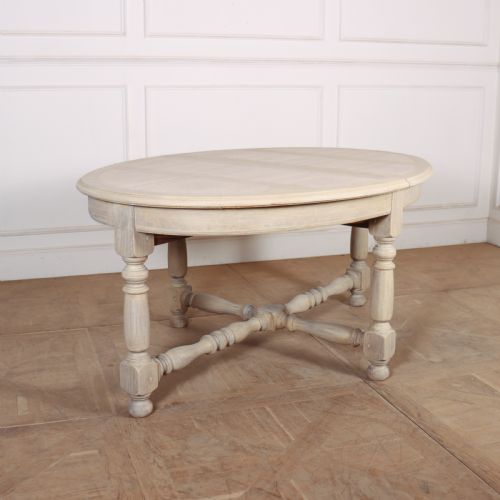


Parquetry Oak Table
A parquetry oak table brings geometric precision to domestic timber, combining solid structure with patterned veneer tops for daily use.
Parquetry Oak Table
When you search for a parquetry oak table, you encounter a range of forms spanning several centuries, from large dining refectories and draw-leaf variants to compact wine tables, side pieces, and writing desks. The selection includes French farmhouse designs alongside British Arts and Crafts examples, demonstrating how makers adapted the form for everything from grand halls to modest rooms.
The most common surviving formats on this page are dining tables and draw-leaf extendable pieces, alongside smaller occasional, centre, and coffee tables. These items rely on oak for their structural framework and legs, paired with geometric veneer work laid down in patterns across the top surface.
How they were made
Cabinet makers constructed the foundational frames using solid oak, often joined with traditional methods to support heavy use, while secondary timbers such as fruitwood or walnut contributed to the multi-toned geometric veneer patterns. Workers laid precision-cut wood blocks by hand onto a stable substrate, creating tessellated designs that formed the primary visual surface of the top.
Makers occasionally incorporated carved details along the aprons or legs, utilising brass hardware for drawer pulls or mechanism components where applicable. Surface treatments typically involved polishing the timber to protect the veneer while highlighting the natural grain variations of the oak and mixed woods.
Listings feature oak combined with walnut, fruitwood, and mixed wood veneers across dining, coffee, and side table formats.
What varies in quality
The standard of a parquetry oak table rests primarily in the precision of the geometric wood mosaic and the integrity of the underlying joinery. Superior examples demonstrate tight joints between individual veneer pieces with minimal filler, while lesser specimens show wider gaps or movement in the timber base.
Makers who invested greater care into the selection of contrasting timber tones and sturdy carcass construction produced pieces that retain their structural stability and visual depth over generations.
Howard & Sons·James Shoolbred
The Parquetry Oak Table Glossary
- Parquetry
- A geometric mosaic of wood pieces used for decorative floors and table tops. This technique relies on contrasting timber species to form repeating patterns.
- Draw-leaf
- A table style featuring pull-out extension leaves stored beneath the main surface. The top sections slide outward to increase usable length.
- Refectory
- A long dining table traditionally used in communal halls. These sturdy forms typically feature heavy rectangular oak tops and supportive stretcher bases.
- Turned
- Shaped on a lathe to create rounded or cylindrical components for legs and stretchers. This process provides decorative profile variations in the support structure.
Parquetry Oak Table: Frequently Asked Questions
How do I maintain a parquetry top?
Keep the wood away from direct heat sources and sudden humidity shifts to prevent the individual veneer pieces from shrinking or lifting over time.
Apply a traditional wax polish occasionally to nourish the oak and protect the surface from everyday moisture without sealing the grain permanently.
Can I use a draw-leaf table daily?
These extension mechanisms are built for regular use, allowing you to expand the surface easily when hosting guests for meals or gatherings.
Pull the leaves out evenly from both ends to avoid straining the internal runners and the structural framework of the table.
How do I date an oak table?
Examine the construction methods visible underneath, such as hand-cut joints, tool marks, and the type of screws or nails used in the assembly process.
Compare the leg style, hardware, and timber patination against known period examples like Victorian Arts and Crafts or 18th-century vernacular pieces.
What rooms suit an occasional table?
Smaller occasional and wine tables fit well beside seating areas in living rooms or as functional side surfaces in hallways and bedrooms.
Their compact footprints provide display space for lamps or books while introducing geometric wood patterns into smaller domestic zones.