
Victorian Wooden Centre Table
A victorian wooden centre table brings generous proportions and rich figuring to the middle of a room.
Victorian Wooden Centre Table
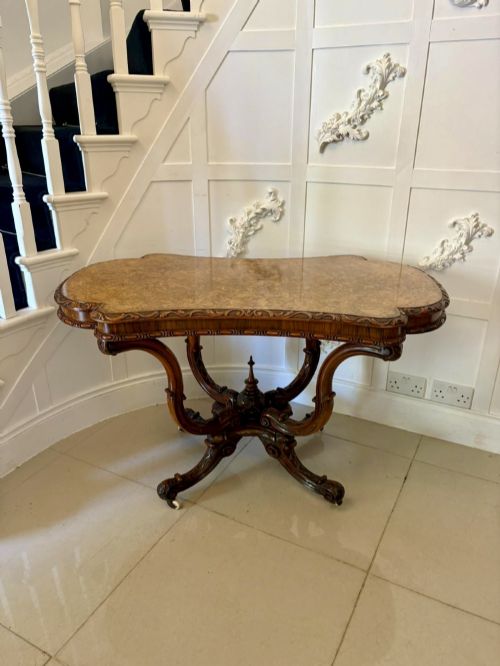
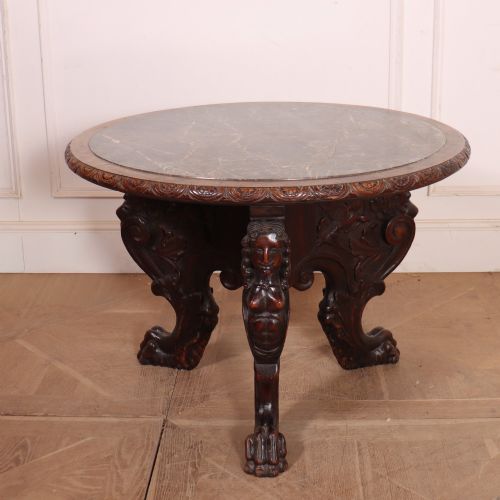
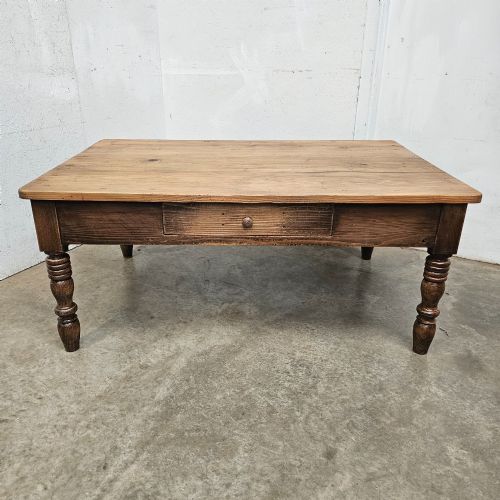
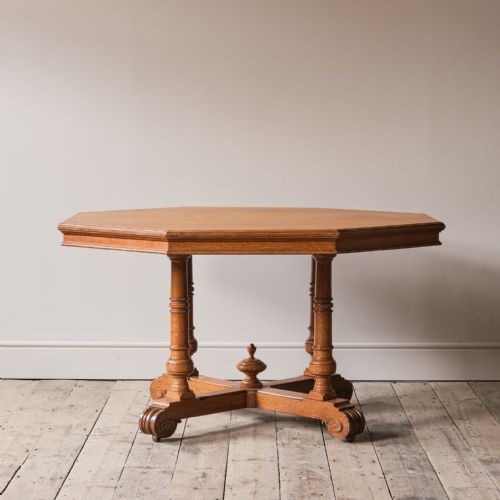
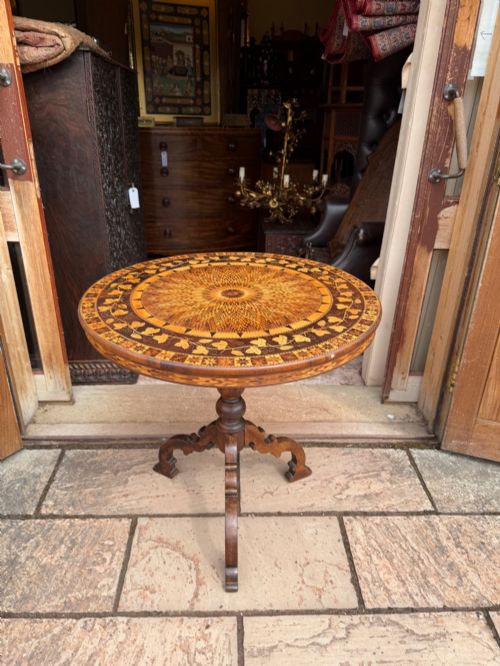
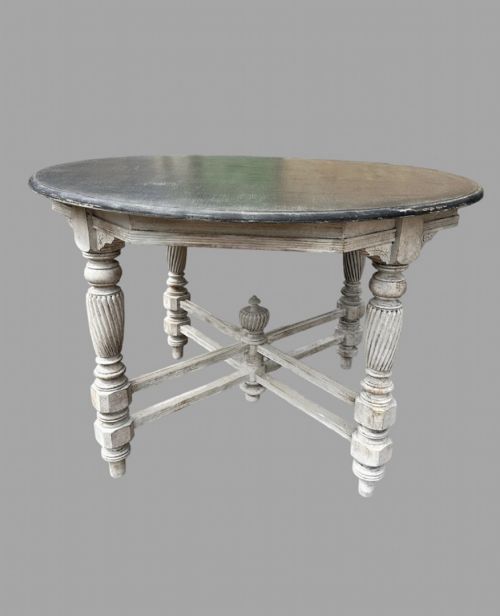
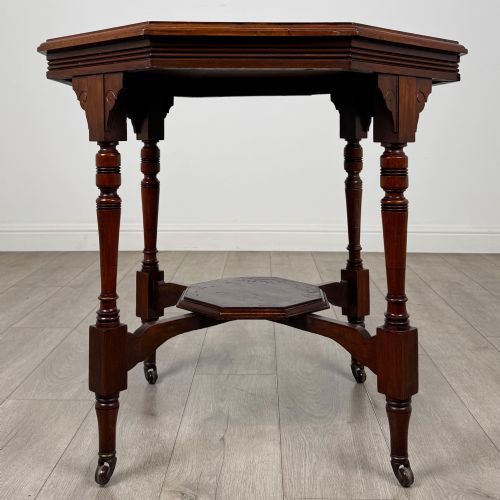
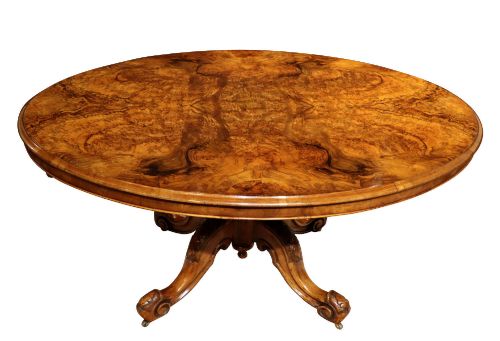
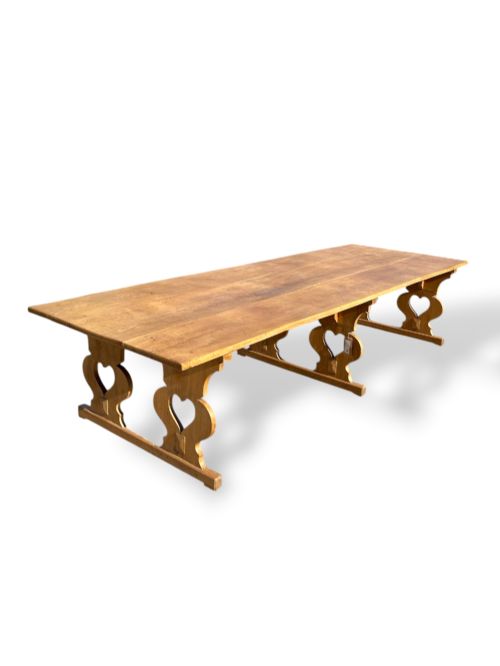
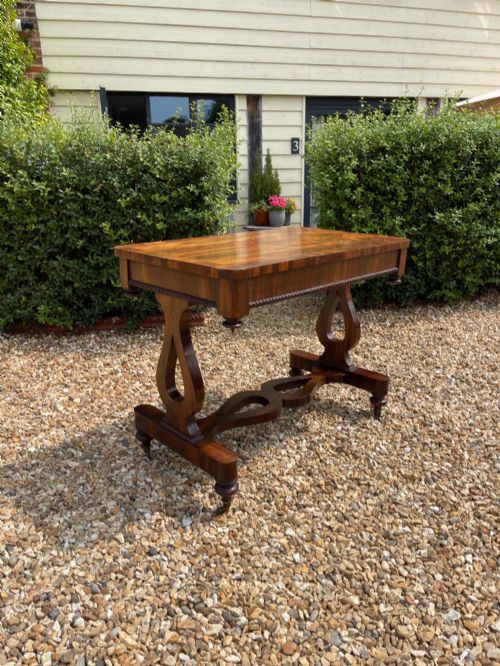
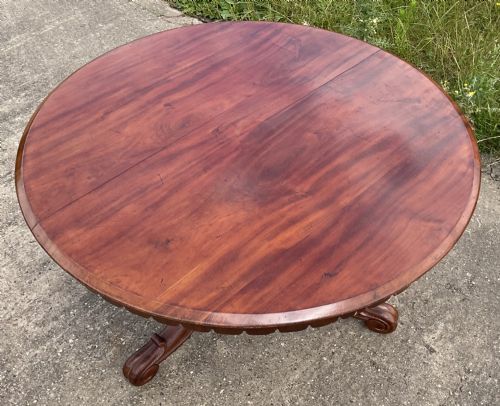
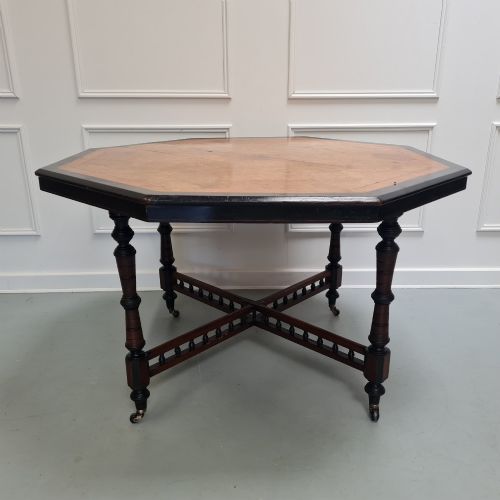
A victorian wooden centre table stands freestanding in a room, designed to be viewed from every side rather than pushed against a wall. The listings show forms ranging from circular breakfast tables and octagonal library tables to oval occasional pieces.
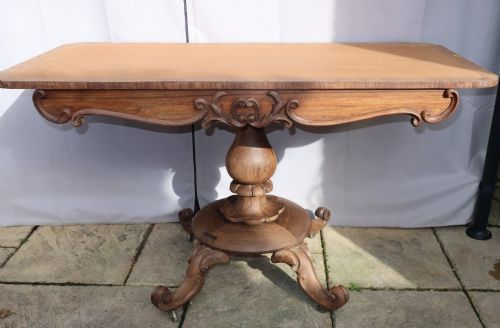
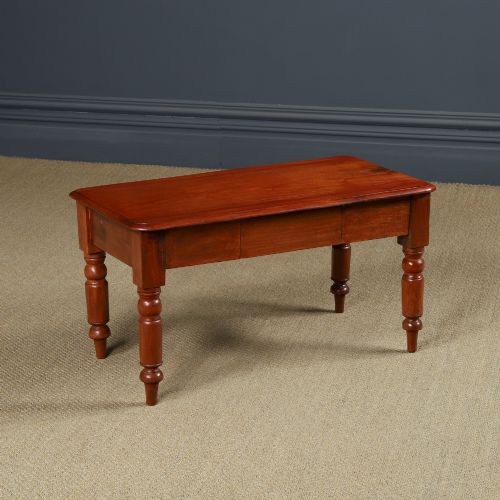
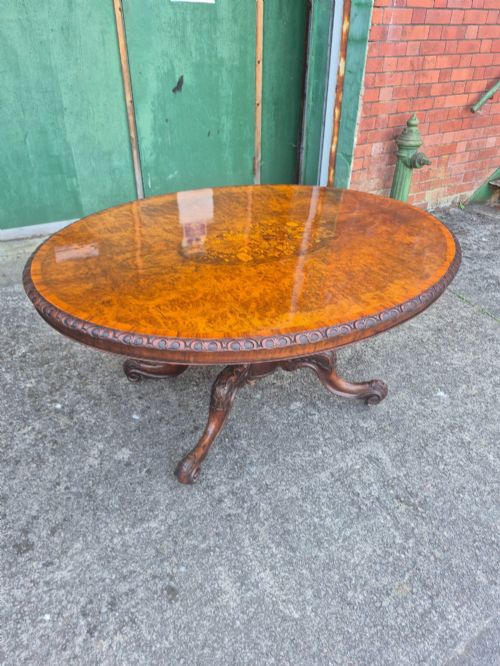
Nineteenth-century examples dominate the selection, spanning walnut, mahogany, and rosewood constructions. These pieces often feature turned legs, carved bases, or inlaid marquetry tops that reflect the diverse stylistic movements of the period.
Materials and construction methods
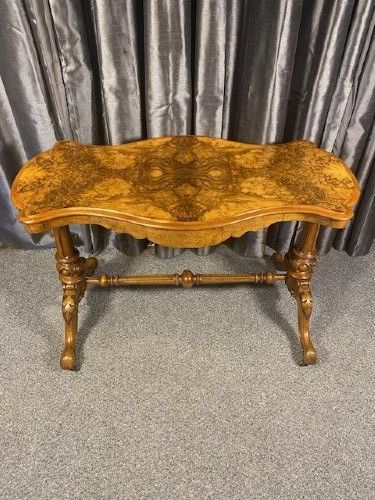
Cabinet makers utilised dense hardwoods such as mahogany, walnut, and rosewood, frequently selecting burr veneers and pollard oak to create highly figured table tops. Inlays of lighter woods, brass details, and occasional marble inserts were integrated into the primary timber structures.
Bases range from four-legged pedestals and quadrapod supports to turned wooden legs and carved linden wood frames. Joinery methods relied on sturdy internal framing to support heavy solid timber and veneered surfaces without warping.
Distinctions in quality
Quality reveals itself in the depth of the timber figuring and the precision of the marquetry inlay. Superior examples display carefully matched grain patterns across the entire top and deeply carved bases without mechanical stiffness.
The sophistication of the secondary details, such as original Derbyshire Fossil marble inserts, finely turned pedestals, or elaborate Black Forest linden wood carving, separates standard production from exceptional pieces.
The Victorian Wooden Centre Table Glossary
- Burr walnut
- A figured wood grain taken from the warted growths on walnut trees, prized for its swirling patterns. It is frequently applied as a veneer on table tops.
- Marquetry
- The art of applying decorative veneer pieces in wood to form geometric or pictorial designs. This technique decorates many walnut and rosewood table tops.
- Tilt-top
- A hinged mechanism allowing the table top to pivot vertically for storage when not in use. It appears on circular breakfast and occasional tables.
- Quadrapod base
- A four-way pedestal support resting on feet or castors, common on larger breakfast and centre tables. It provides stability for heavy wooden tops.
- Aesthetic movement
- A late nineteenth-century design style focusing on visual beauty over narrative meaning, often resulting in ebonised finishes and geometric inlays.
Victorian Wooden Centre Table: Frequently Asked Questions
Where should I place a centre table?
These tables are built to stand freestanding in the middle of a room, allowing 360-degree access and visibility.
Position one where it can serve as a focal point, away from walls and enclosed corners.
How do I identify a Victorian table?
Look for dense timbers like mahogany, walnut, and rosewood combined with stylistic markers such as turned legs or marquetry inlay.
Construction details and nineteenth-century proportions help confirm the era of origin.
What is the difference between a breakfast table and a centre table?
Breakfast tables frequently feature tilt-top mechanisms and pedestal bases designed for morning dining in private rooms.
Centre tables are typically fixed-base pieces intended for permanent display in reception rooms and libraries.
Can I use these tables for everyday dining?
Many historical pieces were built robustly from solid hardwoods and can easily accommodate daily use.
Care should be taken with veneered surfaces and polished finishes to prevent heat or moisture damage.