


Victorian Mahogany Coffee Table
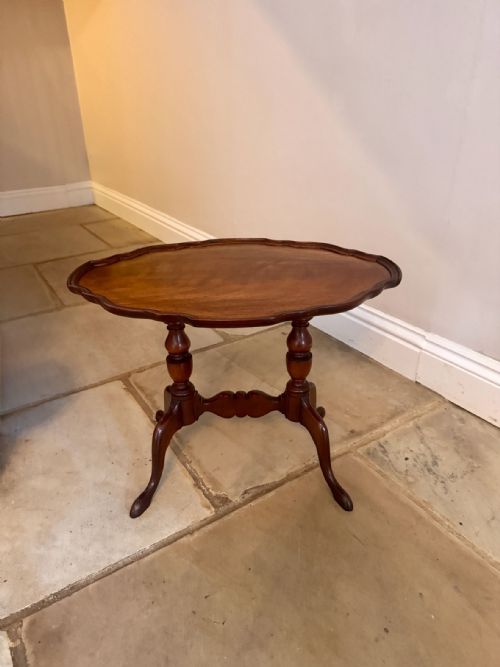
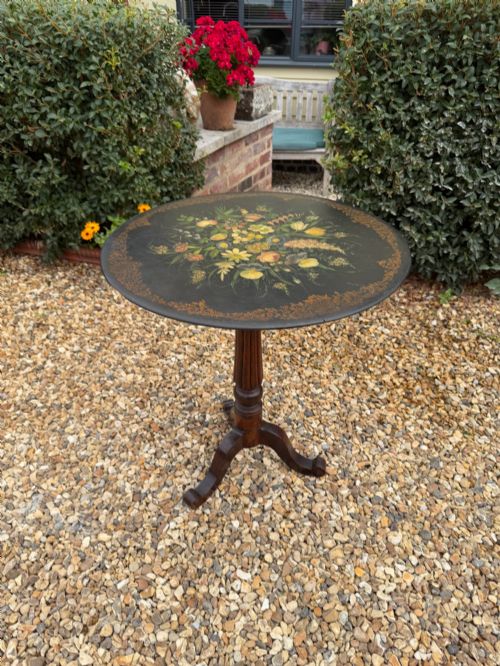
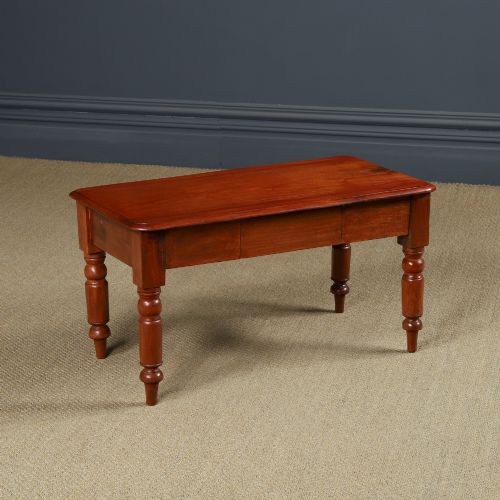
A Victorian mahogany coffee table brings warmth and dependable timber construction into a sitting room through pieces adapted or designed for low-level use.
Victorian Mahogany Coffee Table
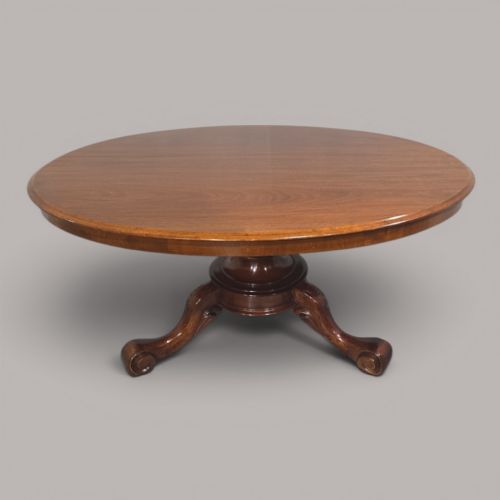
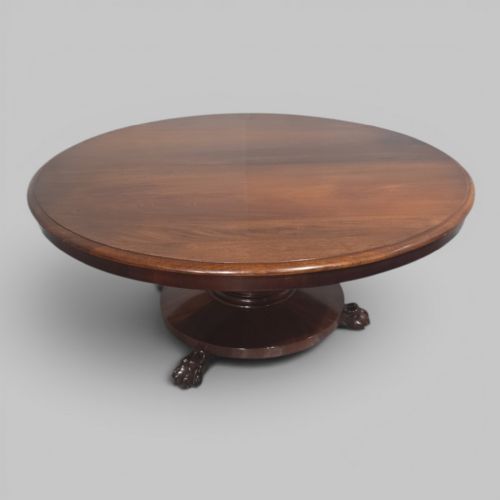
A victorian mahogany coffee table encompasses diverse nineteenth-century low forms, including adapted butler trays, nests of quartetto tables, and low campaign pieces. Buyers frequently encounter rectangular and oval tables spanning decades from the eighteen-fifties through to eighteen-eighty.
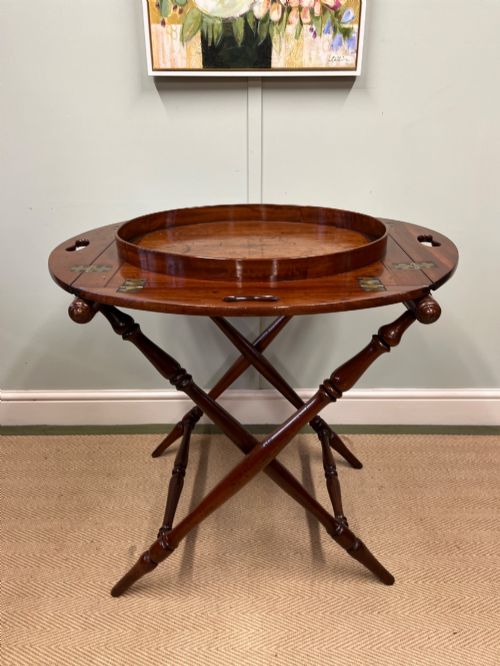
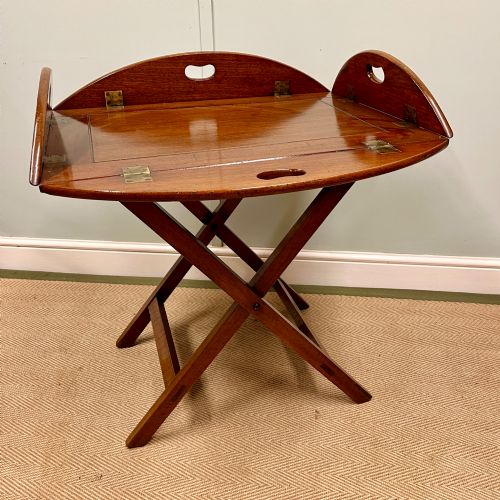
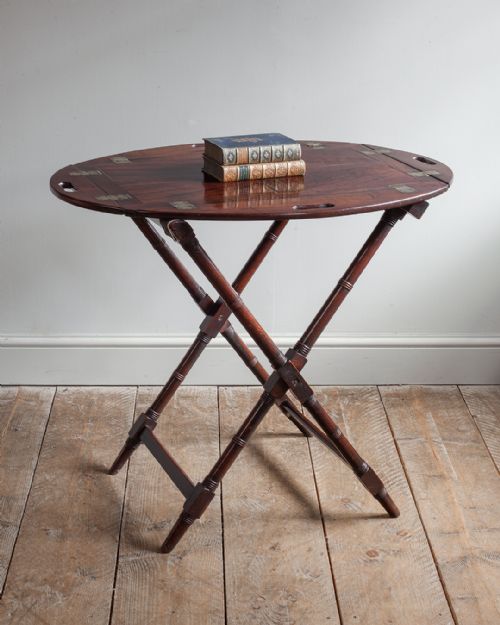
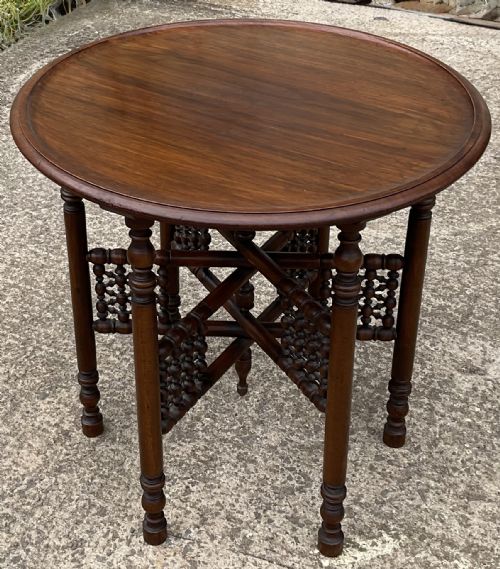
Many examples originate from earlier serving trays, luggage stands, or window seats lowered and repurposed for contemporary living while retaining original nineteenth-century timber and joinery. Occasional and side tables also appear in lower formats, offering compact surfaces suitable for daily use.
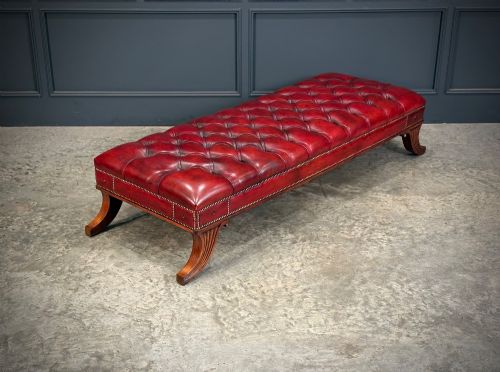
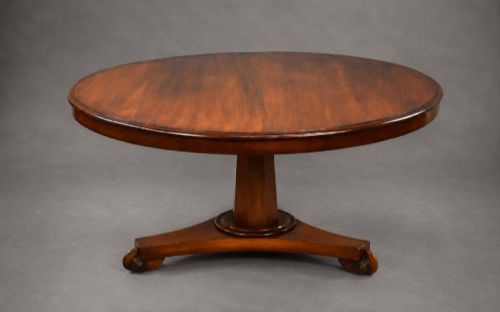
The selection ranges from simple country house ottomans and footstools to refined pedestal designs, featuring styles from Regency influences to late Victorian inlay work.
Materials and Construction Methods
Makers utilised solid mahogany and figured veneers over supportive timber foundations, frequently enhancing surfaces with satinwood, boxwood, and brass detailing. Leather inserts, marble tops, and cane seating also feature across specific tables and footstools.
Cabinetmakers employed traditional joinery, turning solid wood for pedestals, legs, and folding stands while incorporating brass hinges and handles on campaign styles. Inlaid borders utilise contrasting timbers like satinwood to frame the primary mahogany surfaces.
Listings feature mahogany, brass, marble, and leather across nineteenth-century periods spanning from eighteen-forty to nineteen-thirty.
Factors Defining Quality
The distinction between standard utility items and superior examples rests upon timber selection, such as fiddleback grain or figured mahogany, and the crispness of inlay work. Finer pieces demonstrate careful proportion and well-executed turning on legs and pedestals.
Adaptations vary significantly, with professional height reductions maintaining the original proportions and integrity of the piece more successfully than hurried conversions. Original brass hardware, intact leather surfaces, and stable structural joinery elevate the overall standing of an individual table.
The Victorian Mahogany Coffee Table Glossary
- Butler tray
- A removable wooden tray with hinged or fixed sides, designed to sit upon a folding wooden stand. These were traditionally utilised for serving refreshments before conversion into low tables.
- Quartetto nest
- A graduated set of four small occasional tables designed to slide neatly beneath one another. They typically feature slender turned legs and rectangular mahogany tops.
- Campaign
- Portable nineteenth-century furniture built for travel, featuring recessed brass handles, folding frames, and sturdy mahogany or camphor construction. Such pieces were engineered for easy dismantling.
- Fiddleback
- A highly figured variety of mahogany grain displaying undulating ripples that resemble the back of a violin. Cabinetmakers reserved this decorative timber for prominent table surfaces.
- Pietra dura
- An artistic technique involving the inlay of cut and fitted polished coloured stones to create formal decorative designs on tabletops. It appears occasionally on Victorian occasional furniture.
Victorian Mahogany Coffee Table: Frequently Asked Questions
Are these coffee tables original?
Many items originate from the nineteenth century, encompassing both low tables built during the period and older serving trays or washstands subsequently adapted to coffee table height.
Such conversions retain authentic nineteenth-century timber and craftsmanship while fulfilling modern domestic requirements.
How do I care for mahogany?
Maintenance involves dusting with a soft, dry cloth and avoiding placement near direct heat sources or strong sunlight. Waxing periodically helps preserve the lustre of the timber.
Moisture and heat should be managed using coasters to protect the polished surface.
What is a quartetto nest?
A quartetto nest comprises four tables of descending size that stack together in a single compact footprint. They provide flexible surface space for smaller rooms.
Victorian examples frequently showcase fine mahogany or inlaid satinwood tops supported by slender legs.