


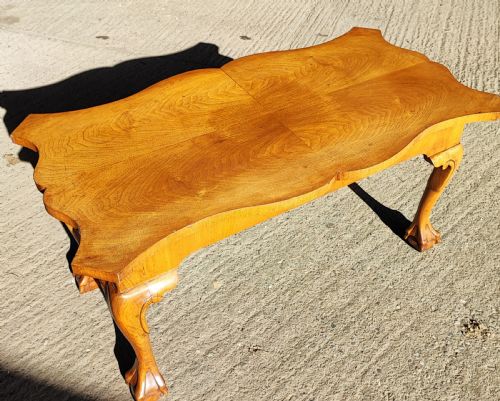

Traditional Lounge Table
These traditional lounge table pieces bring period character and practical surface space to a room, offering everything from solid oak to intricate marquetry.
Traditional Lounge Table
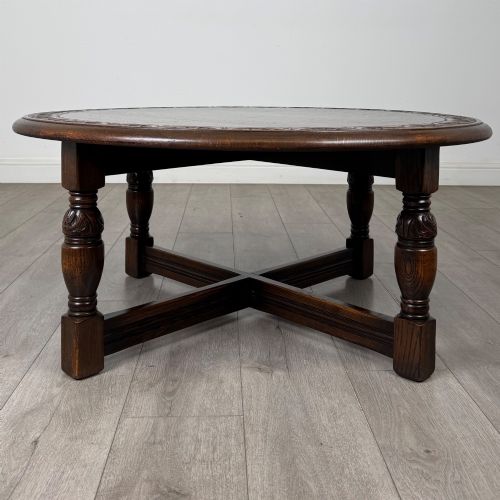
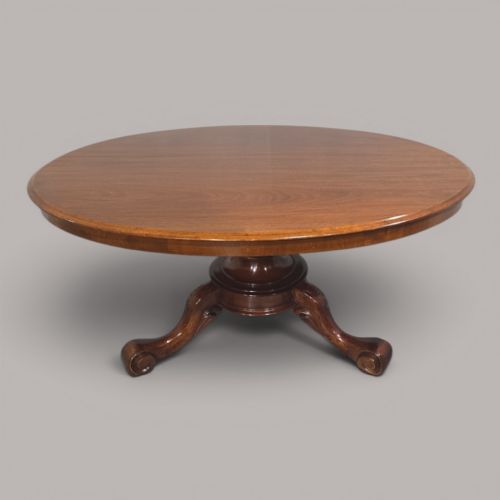
When you search for a traditional lounge table, you are looking at low surface furniture designed for seating areas, drawing upon styles ranging from the Victorian era to the 1930s. The selection spans sturdy coffee tables, low occasional tables, serving pieces, and low Chinese hardwood suites.
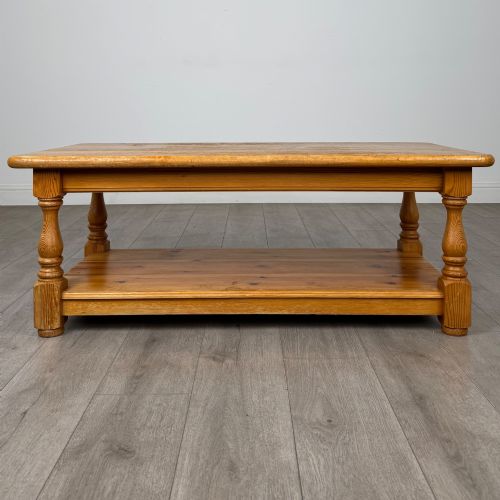
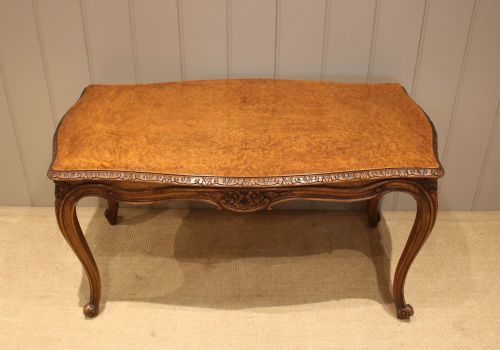
You are most likely to meet pine farmhouse examples, walnut tables featuring marquetry inlay, and oak plank designs on this page. These pieces derive from English country, rustic farmhouse, and Regency traditions alongside Chinese export and French Rococo revival forms.
Alongside standard coffee tables, the inventory includes upholstered footstools and folding veranda serving tables originating from the nineteenth century. Each form serves a distinct function within a traditional interior, combining timber construction with period aesthetic details.
How they were made
Cabinet makers utilised solid timbers such as mahogany, walnut, oak, pine, and exotic hardwoods to construct these tables. Surfaces frequently showcase natural grains, burr walnut veneers, or detailed marquetry inlay.
Structural embellishments rely on hand-carved bases, while specific Asian pieces incorporate intricate inlaid hardwood techniques. Other examples employ robust plank construction and folding mechanisms suited for garden parties and verandas.
Listings feature oak, pine, mahogany, walnut, and hardwood, spanning Victorian, Edwardian, and 1930s periods.
What varies in quality
Quality rests upon the selection of timber and the precision of decorative techniques like marquetry inlay and hand carving. Superior examples demonstrate expert handling of burr walnut or dense hardwood, whilst simpler pine and oak plank versions rely on honest utility.
The sophistication of the stylistic revival shapes the piece, moving from straightforward rustic farmhouse vernacular to ornate French Rococo revival or elaborate Chinese export craftsmanship. Finer execution in the carving and inlay elevates a standard table into a notable focal point.
The Traditional Lounge Table Glossary
- Marquetry
- Decorative veneer work arranged in geometric or pictorial patterns on the table surface. This technique requires exceptional skill to cut and fit diverse timber pieces together.
- Burr Walnut
- Highly prized wood grain featuring swirling patterns caused by growth deformities on walnut trees. It is utilised for its decorative visual impact on table tops.
- Hardwood
- Dense timber derived from broad-leaved deciduous trees, encompassing mahogany, oak, and walnut. It provides structural durability for traditional low tables.
- Plank
- A heavy board of timber laid lengthwise to form the surface of a table. Oak plank constructions highlight the natural grain and rustic character of the material.
- Occasional Table
- A small, versatile table designed for specific, intermittent use within a lounge or sitting room. These pieces complement larger furniture suites and coffee tables.
Traditional Lounge Table: Frequently Asked Questions
What periods do these tables come from?
The pieces span the nineteenth century, including Victorian and Edwardian eras, alongside early twentieth-century dates such as 1920 and 1930. These eras define the construction methods and stylistic revivals seen across the inventory.
Buyers will find that each period brings distinct materials, ranging from heavy mahogany and burr walnut to rustic pine and oak planks.
How are low coffee tables used in a traditional lounge?
These low tables provide a central surface for serving drinks, displaying books, or gathering around seating suites. Their modest height suits placement in front of sofas and armchairs.
Folding serving tables and upholstered footstools offer additional flexibility for entertaining guests during garden parties or relaxing in a veranda setting.
What wood types should I expect to find?
The listings feature mahogany, walnut, oak, pine, and various Chinese hardwoods. Some surfaces highlight burr walnut veneer or detailed marquetry inlay.
Timber choice often dictates the stylistic classification, separating rustic farmhouse pine from refined Regency or French Rococo revival pieces.
How do I identify Chinese export pieces?
Chinese export items in this selection include low hardwood tables and inlaid hardwood suites dating to the nineteenth century. They present distinct joinery and decorative motifs compared to English country furniture.
These pieces reflect international trade aesthetics while maintaining the low proportions required for lounge seating.