
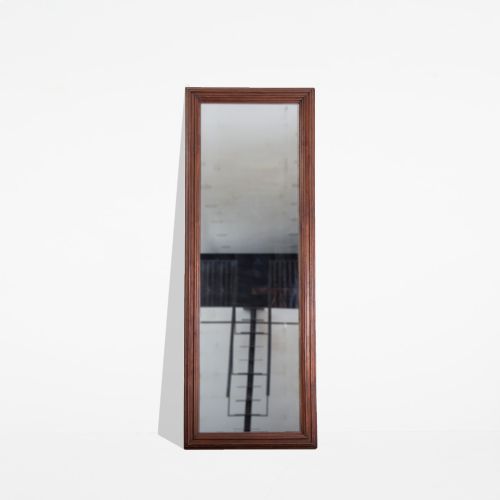
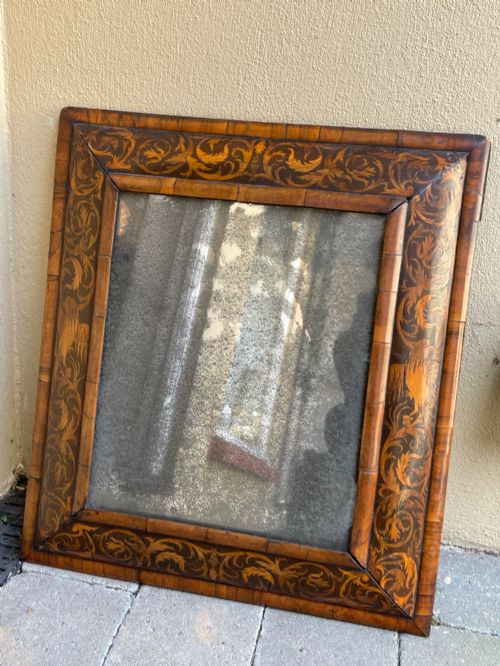
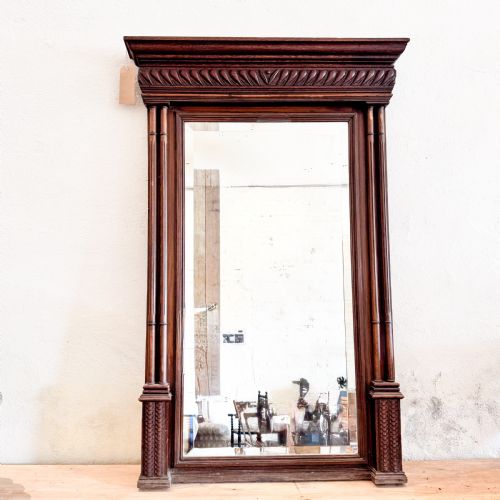
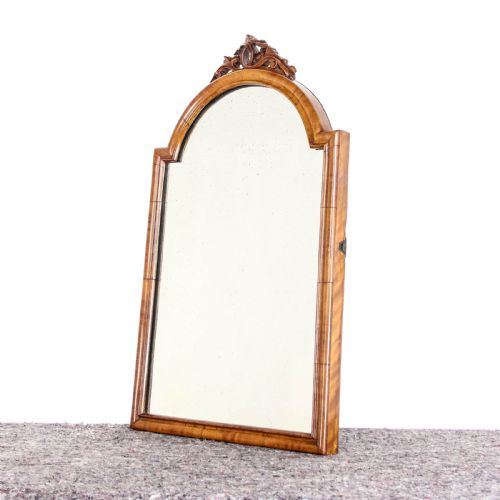


Walnut Framed Wall Mirror
These walnut framed wall mirror pieces bring warmth and refined timber grain to an interior, pairing deeply figured wood with reflective glass.
Walnut Framed Wall Mirror
A walnut framed wall mirror represents a tradition of fine cabinet-making spanning from the late seventeenth century through to the twentieth century. These furnishings range from modest domestic looking glasses to grander architectural forms intended for formal reception rooms.
How they were made
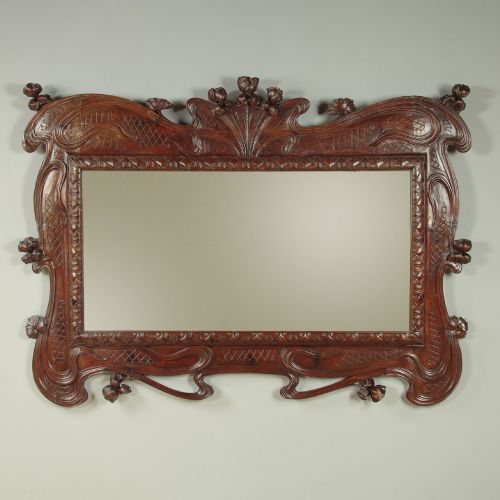
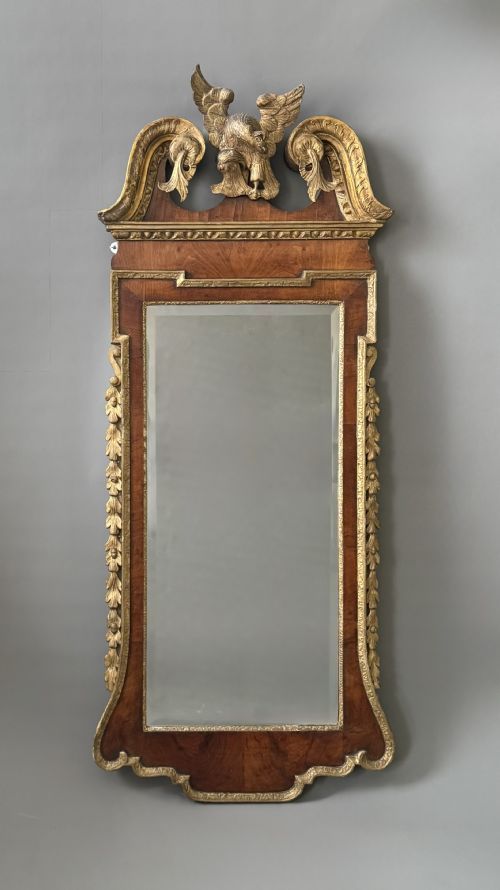
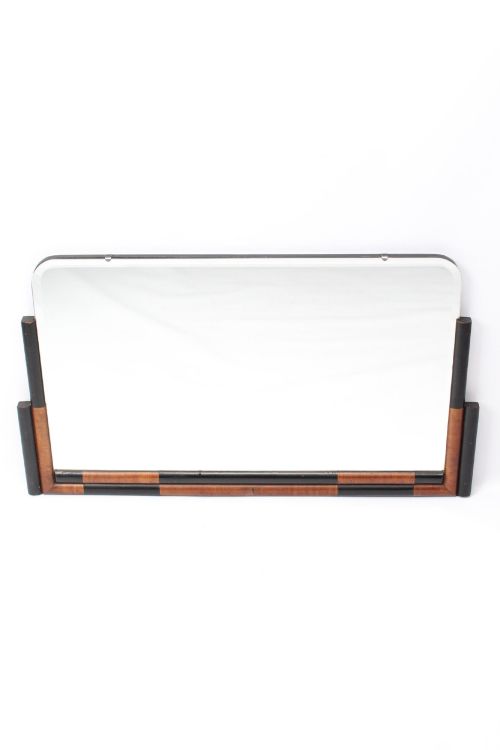
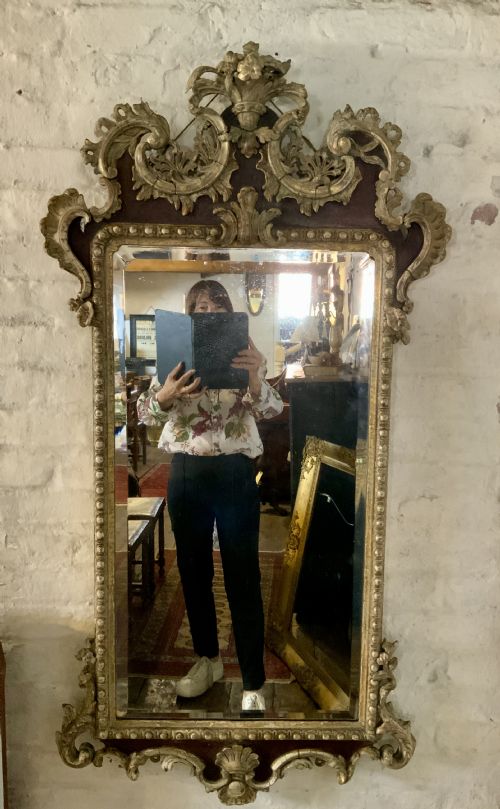
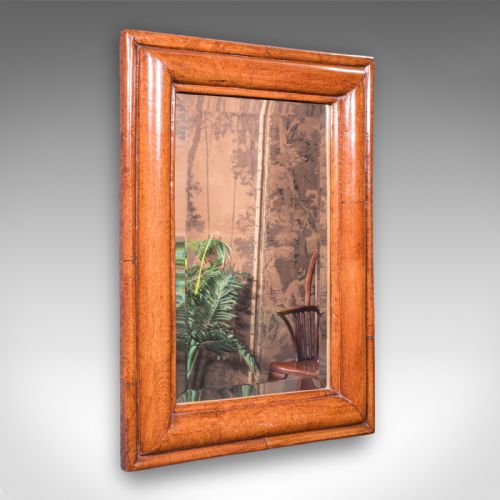
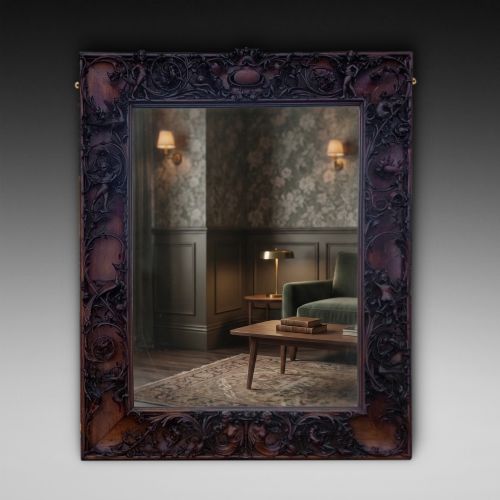
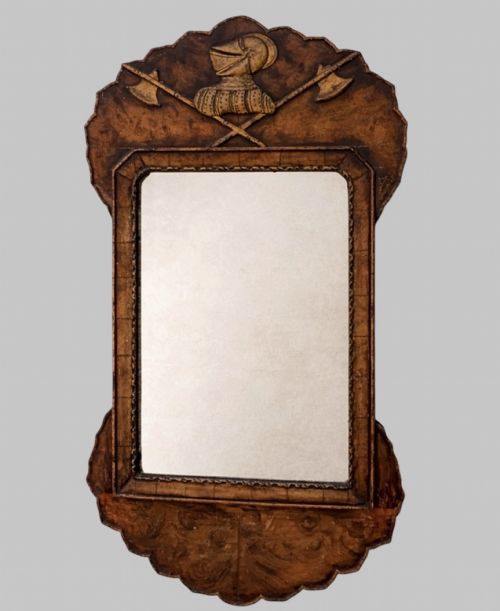
The construction relies on solid timber or decorative veneers applied to secondary woods, often utilising burr walnut sections to display striking natural patterns in the grain. Frames frequently incorporate parcel gilt details, ebonised accents, or hand-carved relief work.
Early examples employ hand-bevelled glass plates or Vauxhall mirror plates held within rebated frames, whilst later nineteenth and twentieth-century pieces utilise standard manufactured glass with secure backing boards.
Some seventeenth-century mirrors come with secret compartments hidden behind the frame for storing love letters.
What varies in quality
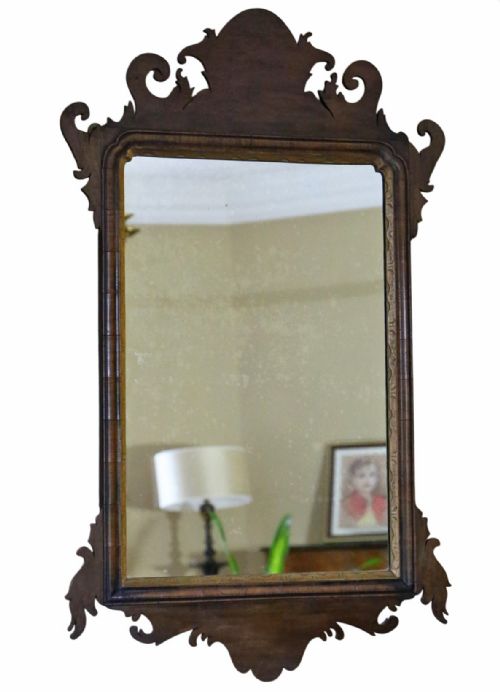
Quality rests in the crispness of the carving, the selection of the walnut veneer, and the survival of original components such as mirror plates and backboards. Superior examples demonstrate meticulous attention to proportion, particularly in fretwork silhouettes and gilt highlights.
The depth of colour and figuring in the timber distinguishes finer workshops from standard production. Age-related patination on both the wood and the glass surface further marks out pieces that have retained their character over centuries.
The Walnut Framed Wall Mirror Glossary
- Parcel gilt
- Partially gilded with thin sheets of gold leaf to highlight specific carved details. This technique creates contrast against the dark timber grain.
- Fret cut
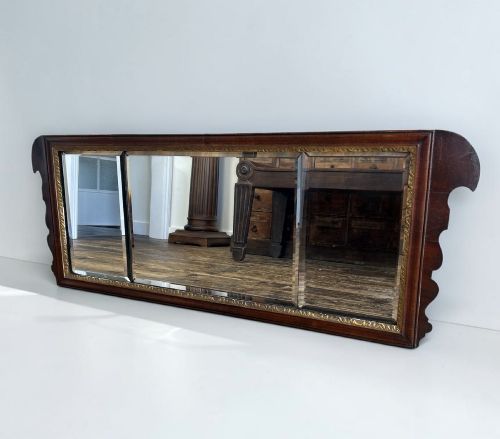
- Wood shaped using a fretsaw to create intricate geometric or scrollwork outlines. This silhouette is typical of mid-eighteenth-century hanging mirrors.
- Oyster veneer
- Slices cut transversely across small branches or roots to produce circular or oval patterns resembling oyster shells. This technique defines seventeenth-century surfaces.
- Vauxhall plate
- An early type of mirror glass characterised by a bevelled edge and subtle imperfections. These plates date from the period when glass production was centred in London.
- Trumeau
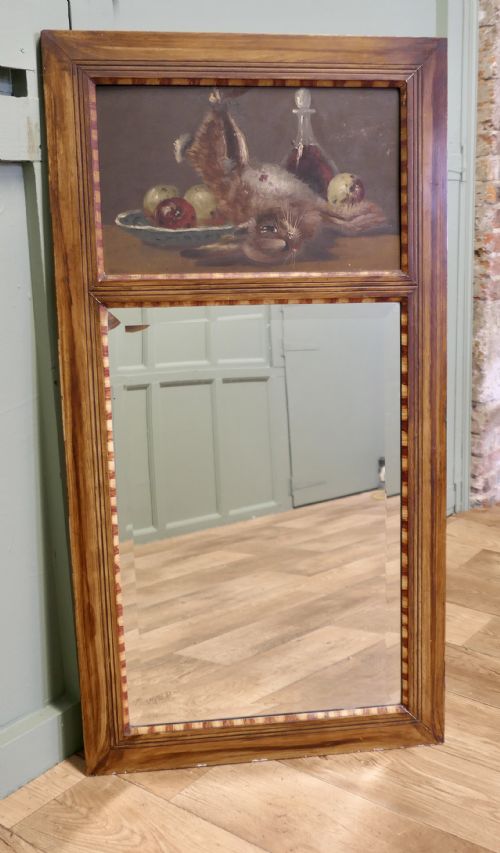
- A decorative wall mirror combined with a painted panel or carved relief above the glass. These originate from French interior design traditions.
Walnut Framed Wall Mirror: Frequently Asked Questions
How do I date a walnut wall mirror?
Dating relies on examining construction methods, edge treatments on the glass, and the specific style of the frame moulding. Earlier pieces from the seventeenth and eighteenth centuries display hand-cut joinery and old timber fixings.
Later revival pieces from the twentieth century often use modern backing screws and machine-cut veneers, even when adopting historical styles like Queen Anne or George II.
Are the mirror plates original?
Many older pieces retain their original glass, which can be identified by light oxidisation, speckling, and subtle distortion in the reflection. Replacing a mirror plate was common practice over the centuries if the original silvering degraded.
Examining the rear of the frame helps determine whether the glass has been secured with period wedges or modern glues and glazier points.
Where should I hang a heavy timber mirror?
These heavy frames require secure fixing directly into solid masonry or substantial wall studs using appropriate fixings rated for the weight of the timber and glass. Consideration must be given to the hanging loops or wire attached to the backboard.
Placement away from direct moisture and strong direct sunlight protects both the delicate walnut veneer and any parcel gilt accents from fading or warping.
What is the difference between a pier glass and an overmantel?
A pier glass is traditionally designed to hang on the narrow wall space between two windows, often sitting above a matching pier table. Its proportions are usually tall and narrow.
An overmantel mirror is built wider to sit horizontally above a fireplace mantelpiece, serving as a focal point for the reception room.