


Georgian Chimneypiece Mirror
A georgian chimneypiece mirror anchors the room above the hearth, bringing light and classical proportion to an interior.
Georgian Chimneypiece Mirror
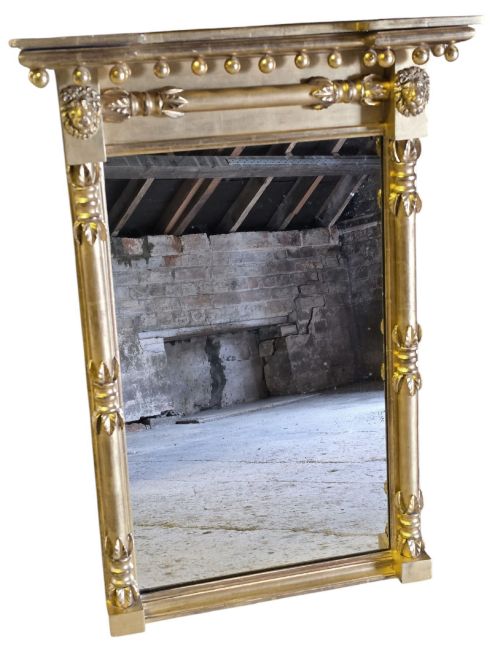
A georgian chimneypiece mirror sits above the fireplace, taking the form of an overmantel, pier mirror, or architectural trumeau. These pieces span the eighteenth and nineteenth centuries, including George I, George II, and Regency manifestations.
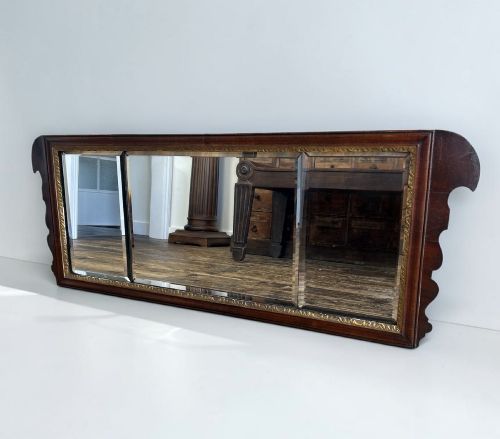
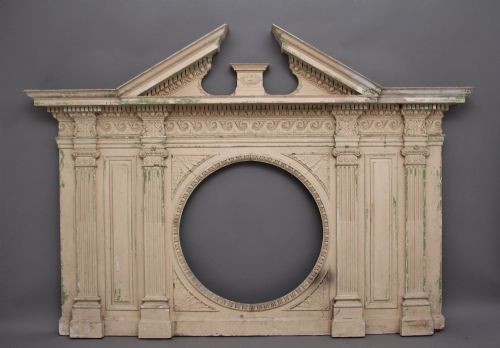
The dominant forms on this page include large gilded overmantels, triple plate mirrors, and painted pine frames. Makers worked within established neoclassical and rococo revival vocabularies to frame the glass.
Buyers encounter architectural formats alongside triptych designs and parcel gilt surfaces. Each object reflects the changing decorative priorities of period interiors.
How They Were Made
Carvers shaped pine and walnut frameworks, applying gesso to build up crisp relief detail before finishing the surface with gold leaf or paint. Giltwood frames required meticulous application of leaf over prepared grounds to achieve their characteristic metallic lustre.
Mirror glass was set into frames either as a single large plate or divided into triptych and triple plate configurations. Joinery and carved decoration reflect the cabinetmaker's hand in handling timber and applied ornament.
Mirrors that survived centuries above smoking coal fires bear the warm, mellow patina of domestic history.
What Varies in Quality
The depth and sharpness of the carved gesso and giltwood ornament define the upper tier of these pieces. Crisp architectural moulding and original glass plates elevate an example above standard production.
Proportion and the integrity of the original painted or gilded surfaces dictate the visual impact of the frame. Subtle handling of parcel gilding on walnut or pine distinguishes finer workshops.
The Georgian Chimneypiece Mirror Glossary
- Overmantel mirror
- A large mirror specifically designed to hang above a fireplace chimney piece. These frequently feature horizontal proportions and architectural framing.
- Gesso
- A plaster-like mixture applied to wood frames to create a smooth surface for carving and gilding. It allows for intricate relief ornamentation.
- Giltwood
- Timber coated with gold leaf or powder over a prepared base. It provides a reflective, durable finish characteristic of formal period furniture.
- Trumeau mirror
- An architectural mirror incorporating a painted or carved panel above the glass. Originating in French interior design, these pieces served as permanent wall decoration.
- Parcel gilt
- A finishing technique where portions of an object are highlighted in gold leaf while the underlying wood or paint remains visible.
Georgian Chimneypiece Mirror: Frequently Asked Questions
How do I hang a heavy overmantel mirror?
These heavy frames require secure fixing directly into wall studs or masonry using appropriate brackets. Professional installation ensures the weight of the timber and glass is safely distributed.
Verify that the hanging wire or integrated D-rings on the rear of the frame are structurally sound before mounting.
Are the mirror plates original?
Some pieces retain their original mirror glass, which often exhibits characteristic foxing, distortion, and silvering wear. Replacement glass may appear brighter and flatter than historic plates.
Examine the edges and silver backing under raking light to assess the age of the glass.
What is the difference between an overmantel and a pier mirror?
Overmantel mirrors are constructed specifically to sit horizontally above a fireplace opening. Pier mirrors are traditionally taller and designed to hang on the wall space between windows.
Proportions and frame construction reflect these distinct architectural functions.