


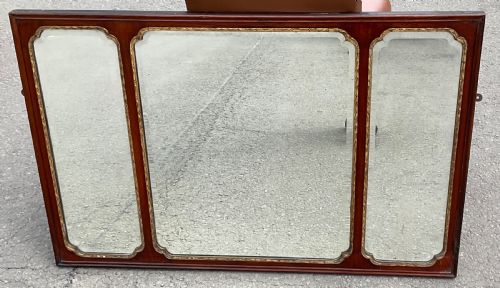
Georgian Triple Plate Mirror
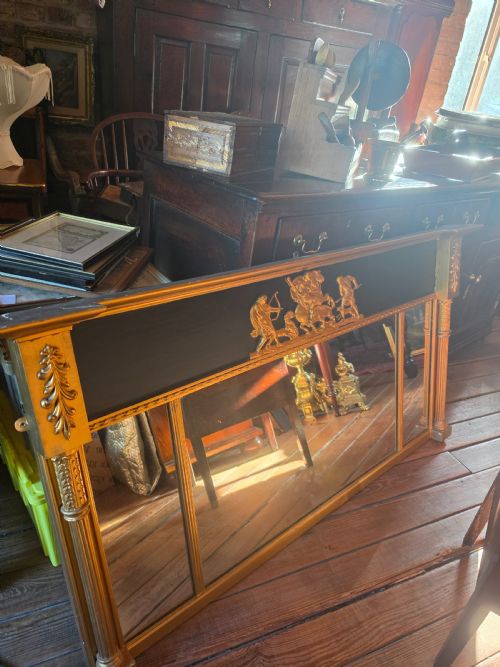
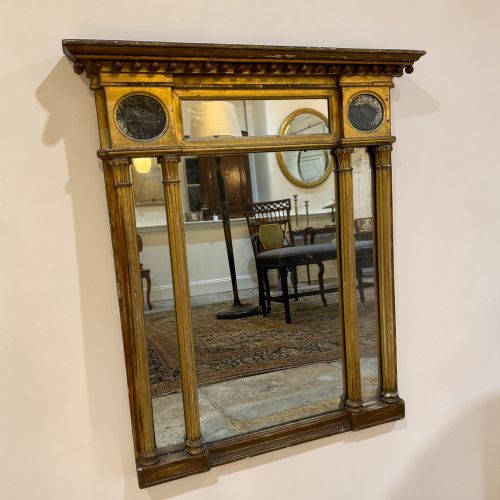
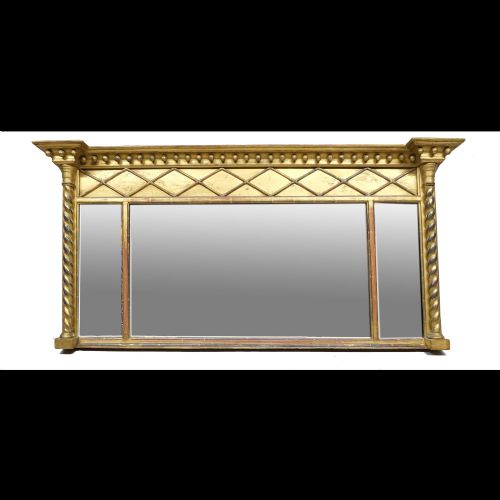
These georgian triple plate mirror examples offer segmented glass and gilded frames designed to catch and multiply the daylight in a formal interior.
Georgian Triple Plate Mirror
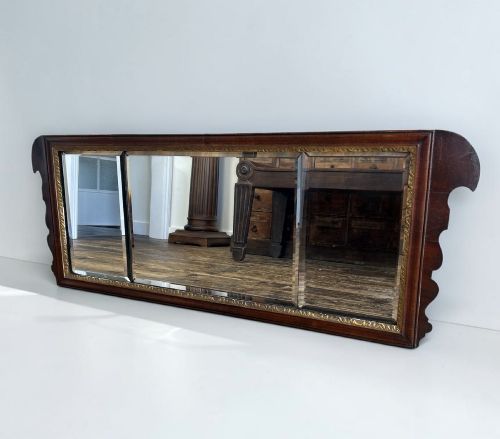
A georgian triple plate mirror brings together three distinct glass panels within a single frame, usually designed to hang above a mantelpiece or sideboard. These items span the eighteenth and nineteenth centuries, taking forms that range from early walnut constructions to later giltwood overmantels.
The styles recorded across these pieces encompass George the First, Regency, Neoclassical, and Sheraton Revival designs. Buyers frequently encounter landscape formats where three side-by-side plates sit horizontally, sometimes accompanied by carved friezes or laurel wreaths.
Origins include early walnut models alongside substantial giltwood and gesso pieces from the nineteenth century. Each version reflects the shifting decorative tastes of its era while maintaining the characteristic multi-plate division.
Materials and construction
Makers built these frames using timber foundations of walnut, wood, and satinwood, often applying layers of gesso before gilding the surface with gold leaf. Mirror glass was set into individual sections within the woodwork, creating the tripartite division essential to the form.
Carved details such as laurel wreaths, griffins, and architectural moulding were executed by hand directly into the gesso and wood. Paint and parcel gilding provided further surface contrast on specific walnut and giltwood examples.
Object types seen on this page focus entirely on wall mirrors and landscape overmantel configurations.
Judging the work
Quality rests in the crispness of the carved ornament and the depth of the gilding applied over the gesso ground. Stronger pieces display precise joinery in the wooden frames and well-balanced proportions across the three glass sections.
The character of the mirror glass itself contributes heavily to the overall impression, with older plates showing appropriate tonal changes over time. Friezes and decorative motifs executed with high sculptural definition distinguish finer examples from simpler production.
The Georgian Triple Plate Mirror Glossary
- Giltwood
- Wood that has been coated with gold leaf. This finish defines the reflective warmth of many traditional frames.
- Gesso
- A plaster mixture applied to wood frames to create a smooth base for gilding and carving. It allows for sharp decorative details.
- Overmantel
- A large mirror designed to hang specifically above a fireplace mantel. These pieces often feature a landscape orientation.
- Triptych
- An object divided into three panels. In these mirrors, it refers to the three separate glass plates set within the frame.
- Parcel gilt
- Partially gilded woodwork where specific carved areas show gold leaf while other parts reveal the underlying wood such as walnut.
Georgian Triple Plate Mirror: Frequently Asked Questions
Where were these mirrors hung?
These pieces were traditionally placed above fireplaces as overmantels to bounce light around formal rooms.
Their landscape proportions made them ideal for filling the wide wall space above a hearth.
How do I date a mirror frame?
Dating relies on identifying stylistic markers such as Neoclassical motifs, Regency framing, or earlier George the First walnut details.
Materials like gesso, giltwood, and satinwood also point toward specific decorative periods of the eighteenth and nineteenth centuries.
What styles are common here?
The available selection includes Regency, Sheraton Revival, Neoclassical, and Georgian Rococo designs.
These styles incorporate carved elements like laurel wreaths and griffin friezes alongside traditional gilt and walnut finishes.