


Antique Landscape Overmantel
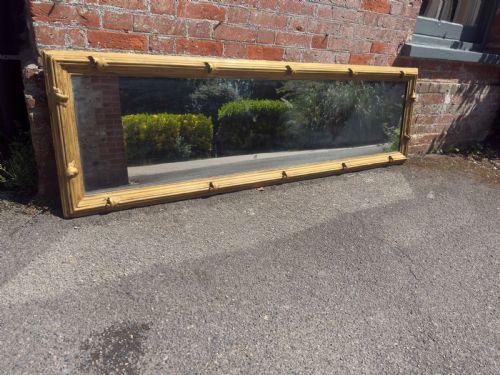
An antique landscape overmantel brings wide architectural proportions and reflected light into a room, framed in giltwood or mahogany.
Antique Landscape Overmantel
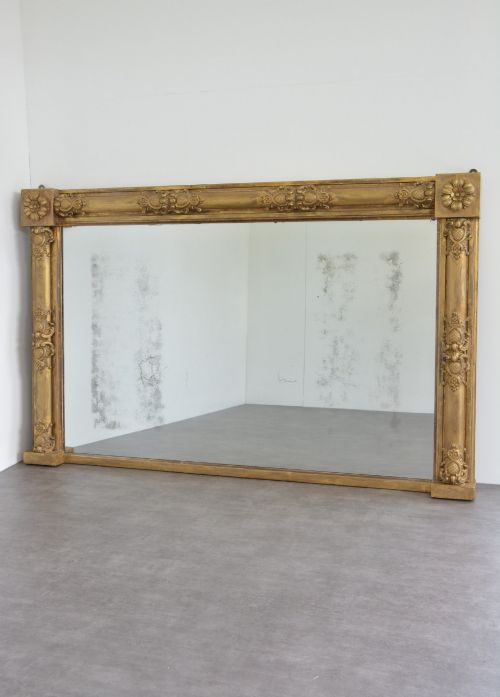
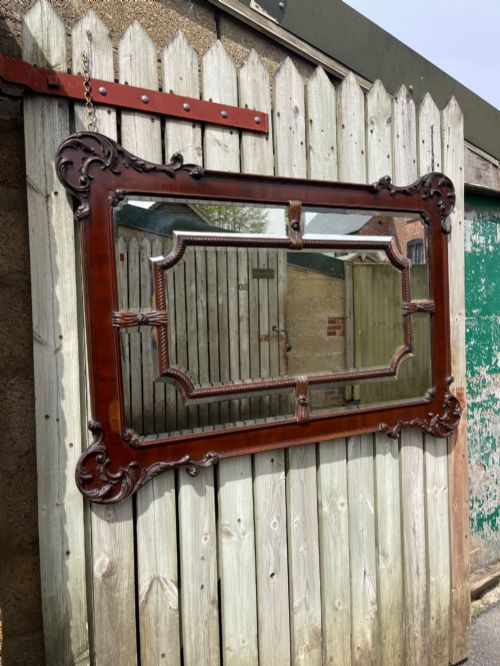
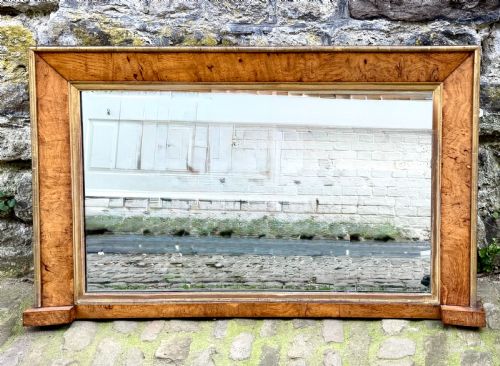
An antique landscape overmantel is a wide horizontal mirror designed to sit above a fireplace mantel, reflecting the room below. The pieces on this page span several centuries, with the majority belonging to the Regency and Victorian periods.
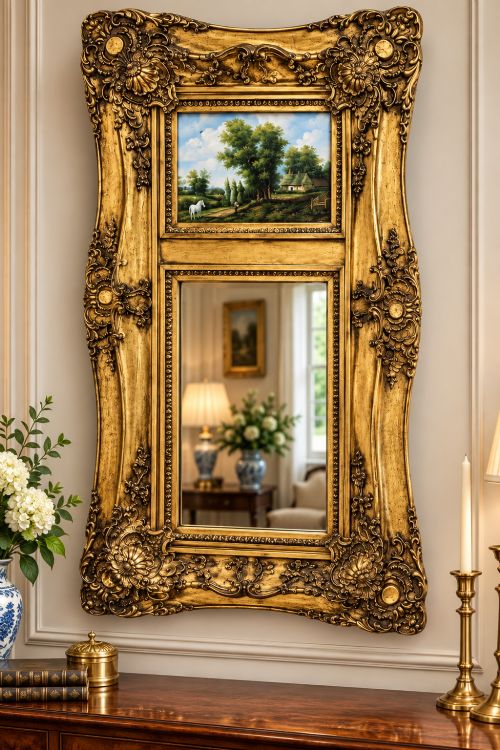
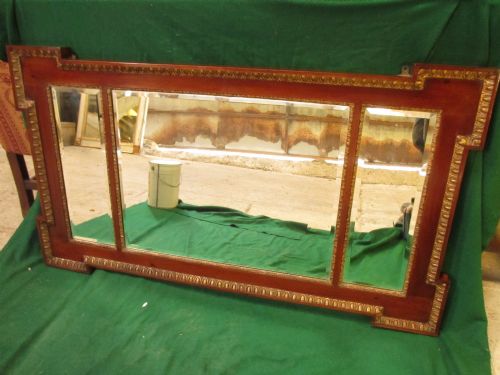
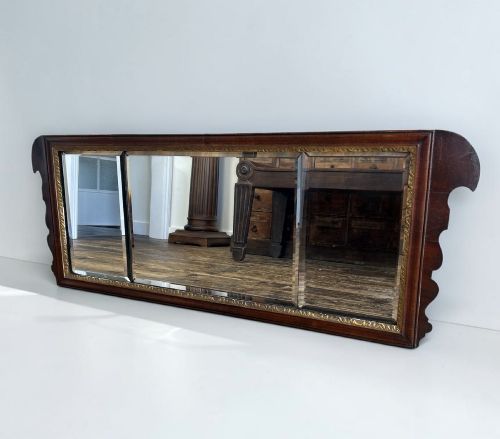
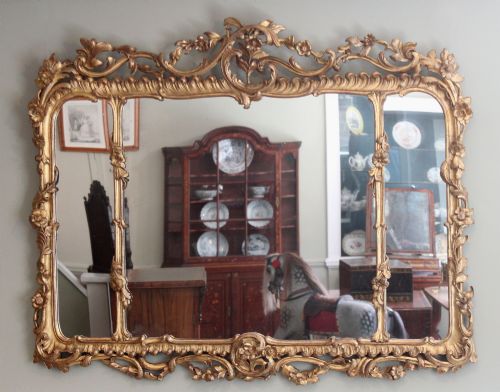
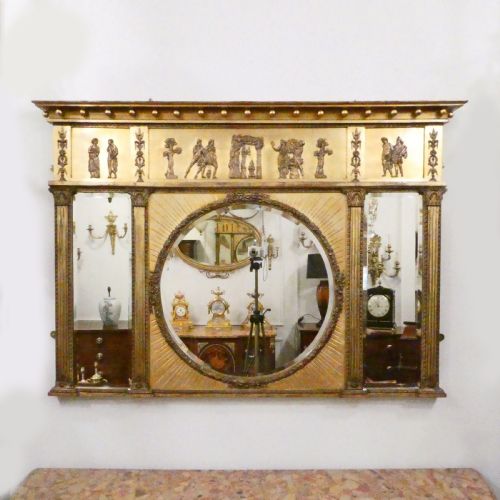
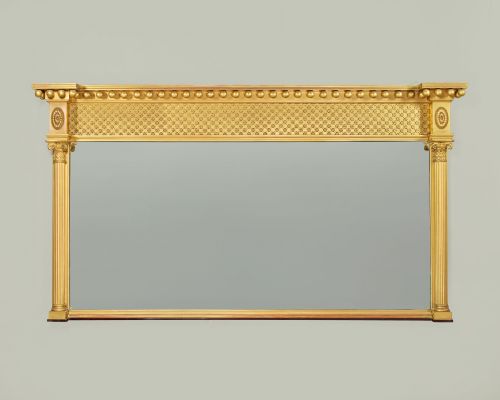
Most examples take the form of triptych or triple plate mirrors, often featuring architectural columns, carved gesso ornamentation, or painted panels above the glass. Styles range from restrained neoclassical designs to grander giltwood and ebonised frames.
Makers and craftsmen utilised varied regional traditions, producing English, Scottish, and Irish variations alongside continental interpretations. These mirrors function primarily as focal points for principal reception rooms and libraries.
Materials and construction methods
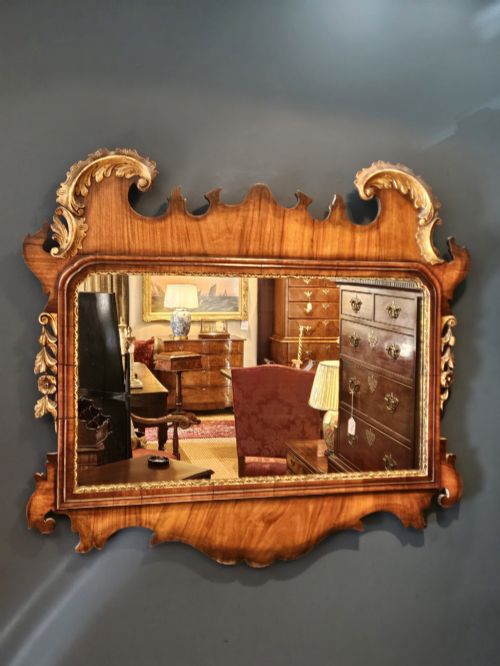
Makers built the primary carcases of these frames using timbers such as mahogany, pine, or walnut, which were then prepared for surface decoration. Carved wood and gesso provided the raised architectural details and friezes before gilding took place.
Gilding was executed using gold leaf applied over bole or direct paint finishes, while some examples received white paint, ebonising, or parcel gilt treatments. Mirror plates were traditionally silvered by hand, resulting in characteristic imperfections and foxing over time.
The listings span the eighteenth, nineteenth, and early twentieth centuries, encompassing Georgian, Regency, Victorian, and Edwardian periods.
Discerning quality and craftsmanship
The distinction between standard production and exceptional quality lies in the crispness of the carved gesso and the depth of the gilding. Superior examples display finely modelled details such as acanthus leaves, laurel wreaths, and figural reliefs rather than heavily moulded composition ornament.
Original mirror plates, particularly triptych divisions with intact silvering, elevate an example above those altered with modern glass replacements. The structural integrity of the timber joints and the weight of the original backboards also indicate superior workshop execution.
Ciceri and Co
The Antique Landscape Overmantel Glossary
- Overmantel mirror
- A large mirror specifically proportioned to hang above a mantelpiece. These pieces often feature horizontal landscape formats to match the width of the fireplace surround.
- Gesso
- A plaster-like mixture applied to wood frames and carved or moulded into decorative reliefs before gilding. It allows for intricate surface ornament.
- Triptych
- A mirror divided into three distinct vertical sections within a single frame. This format is frequently encountered in Regency landscape mirrors.
- Eglomisé
- A technique involving cold painting and gilding on the reverse of glass panels. It appears on trumeau mirrors above the main glass plate.
- Trumeau
- A decorative wall mirror incorporating a painted or carved panel situated above the glass plate. These derive from eighteenth and nineteenth-century continental and English interior schemes.
Antique Landscape Overmantel: Frequently Asked Questions
How do I hang a heavy overmantel mirror?
These mirrors carry substantial weight due to their timber frames and multiple glass plates. Professional installation using wall anchors secured directly into masonry or structural studs is essential.
Weight distribution requires heavy-duty brackets or hidden fixing battens rather than standard picture wire. Ensuring the frame rests safely on the mantel shelf itself also relieves tension from the fixings.
Are the mirror plates original?
Original mirror plates frequently exhibit foxing, small dark spots, and slight distortions resulting from the historic silvering process. These characteristics confirm age and authenticity.
Clear, completely uniform glass usually indicates a modern replacement plate. Examining the edges and the back of the glass reveals how the plate is secured into the rebate.
Where should I place an overmantel mirror?
Positioning an overmantel mirror directly above a fireplace mantel remains the traditional placement. This height allows the glass to reflect light from opposite windows and illuminate the ceiling.
Alternatively, hanging one as a principal wall mirror above a low sideboard creates a similar spatial expansion in a dining room or hallway.
How do I clean an antique giltwood frame?
Giltwood and gesso surfaces require gentle dusting with a soft, dry brush to remove particles without disturbing the gold leaf. Moisture and modern cleaning chemicals damage historic finishes permanently.
Glass plates can be cleaned using a minimal amount of glass cleaner applied to a cloth rather than sprayed directly, preventing liquid from seeping behind the silvering.