
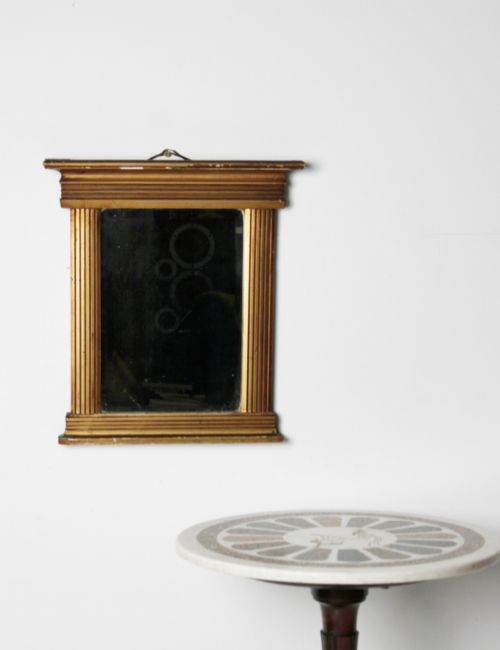


Early Georgian Overmantel
An early georgian overmantel brings architectural presence to a room, offering grand proportions and historic mirror glass that reflects light deeply.
Early Georgian Overmantel
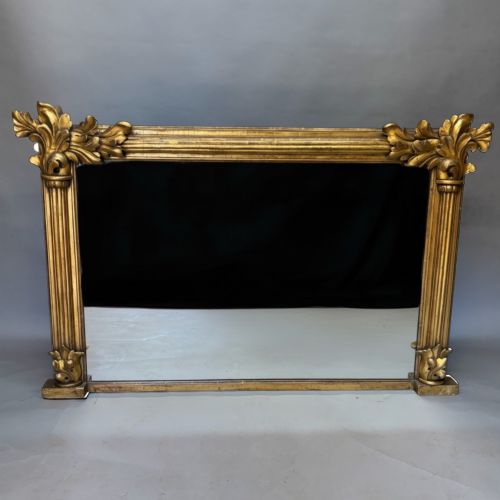
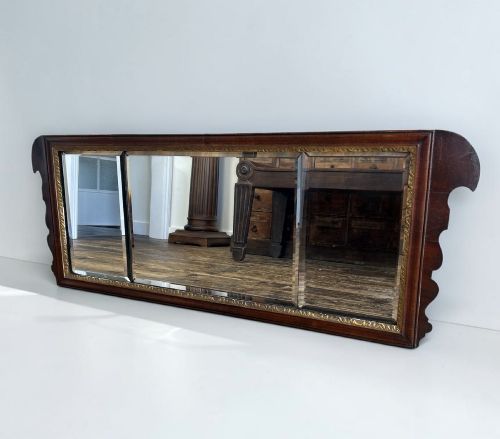
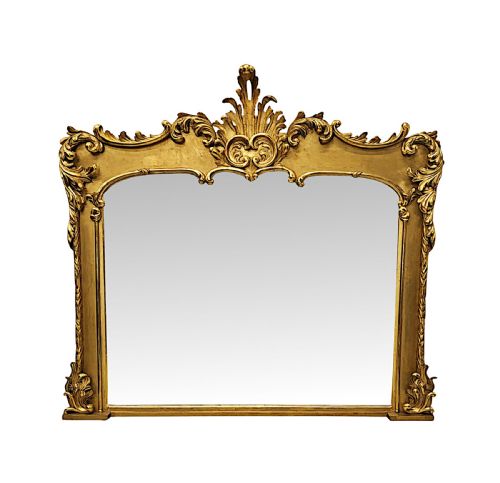
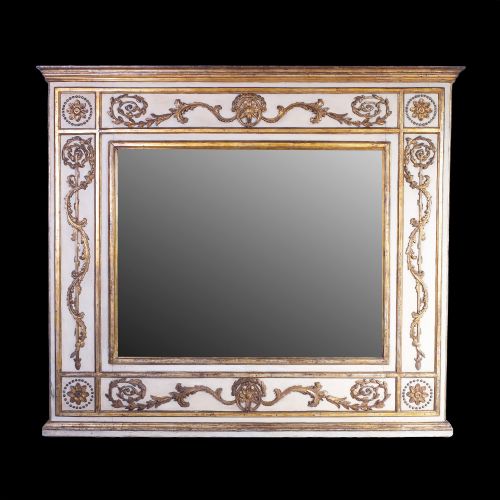
When you search for an early georgian overmantel, you encounter large wall and landscape mirrors designed to hang above a fireplace. The examples found here span the Georgian and Regency periods through to the nineteenth century, including revival and compartmental formats.
Most pieces on this page take the form of overmantel mirrors, pier mirrors, and triple plate landscape mirrors. They function as commanding focal points within a room, combining substantial timber structures with decorative glazing.
Makers and craftsmen of these periods utilised various woods and framing techniques to suit domestic interiors. Walnut, mahogany, pine, and ebonised wood appear frequently alongside giltwood and gesso surfaces.
How they were made
Carpenters constructed the structural frames using solid timbers such as pine, mahogany, and walnut, often applying gesso to create crisp relief ornament. Gilding was then applied using gold leaf or water gilding techniques to achieve a bright reflective finish on the wooden mouldings.
Mirrors incorporated multiple glass plates, such as triple plate or compartmental layouts, held securely within the rebated wooden framework. Decorative details like carved acanthus leaf friezes and painted highlights finished the surfaces of these large architectural wall mirrors.
A handsome acanthus leaf frieze often hides the hard day's work of a nineteenth-century carver.
What varies in quality
The sophistication of the carved wooden ornamentation and the crispness of the gesso mouldings separate standard examples from finer works. Carvings such as acanthus leaf friezes display varying depths of hand skill and design confidence.
The condition and survival of the original glass plates and gilding significantly influence the character of each piece. Retaining original surfaces, including untouched water gilding and early mirror glass, marks out superior craftsmanship.
The Early Georgian Overmantel Glossary
- Overmantel mirror
- A large horizontal mirror specifically designed to hang on the wall directly above a fireplace mantelpiece. These pieces often feature landscape or compartmental formats.
- Gesso
- A plaster-like mixture applied to wood frames to create a smooth surface for subsequent gilding or painting. It allows craftsmen to model intricate relief decoration.
- Triple plate mirror
- A mirror featuring three distinct glass sections set side by side within a single frame. This layout divides the reflection across vertical mullions.
- Pier glass
- A tall vertical mirror designed to hang on the wall space between two windows. They share many framing characteristics with overmantel mirrors.
- Water gilding
- A traditional gilding technique using gold leaf applied over a wet bole base, allowing the metal to be burnished to a high shine. This method produces a brilliant reflective surface.
Early Georgian Overmantel: Frequently Asked Questions
Where should an overmantel hang?
These large mirrors traditionally hang directly above a fireplace mantelpiece to anchor the room's decorative scheme.
They also function effectively on main walls where their substantial horizontal proportions can reflect light across the space.
What is a triple plate mirror?
A triple plate mirror contains three separate glass panels joined within one unified frame structure.
This division creates a landscape format that spreads the reflection horizontally across the wall.
How do I care for giltwood?
Giltwood frames require gentle dusting with a soft, dry brush to protect the delicate gold leaf surface.
Avoid using liquid cleaners or polishes, as moisture and chemicals can damage the original gilding and gesso.
Are original mirror plates common?
Original glass plates survive in certain pieces, showing authentic age characteristics like light foxing and distortion.
Retaining the early glass adds historical integrity to the mirror and preserves its period appearance.