
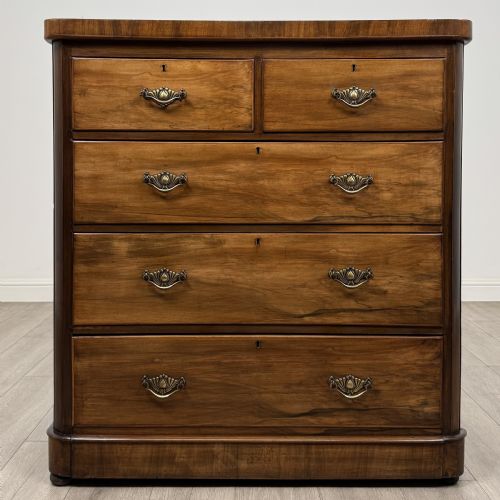
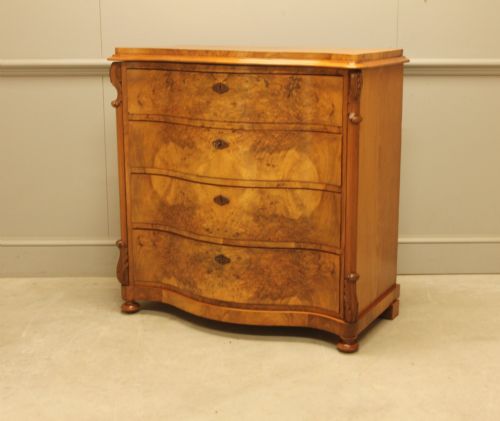
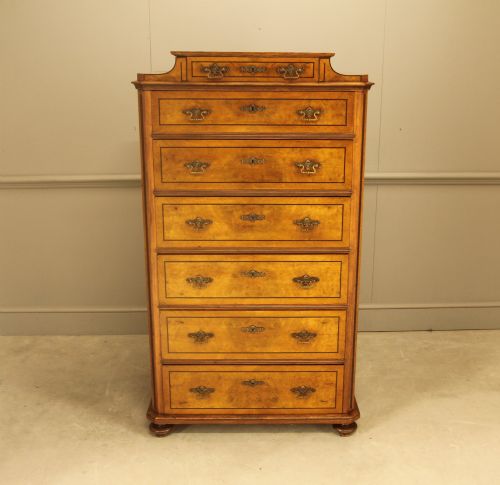
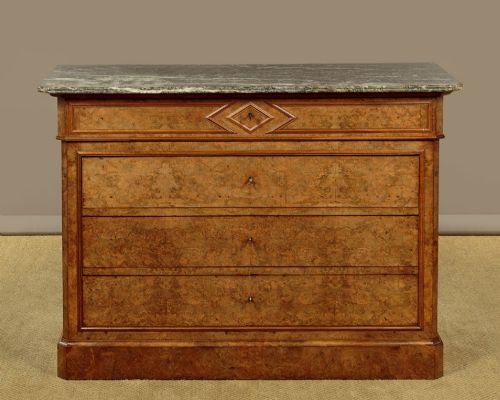
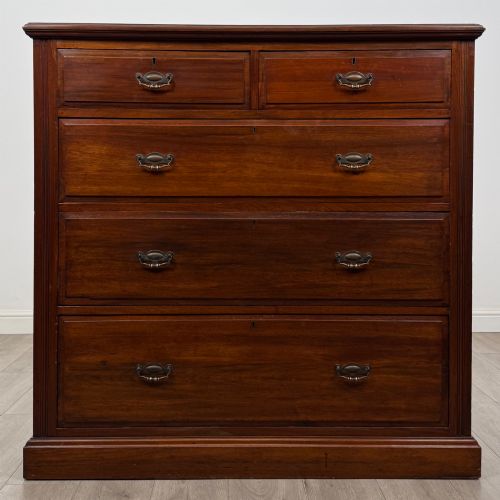
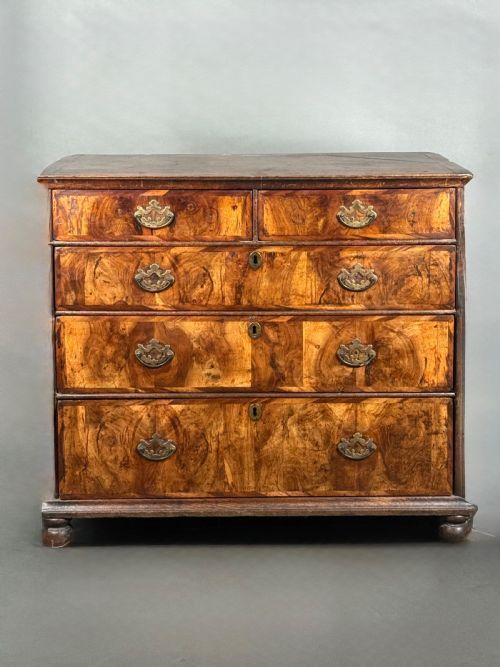
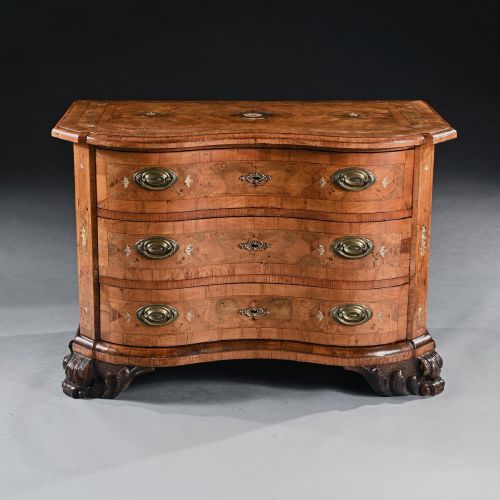
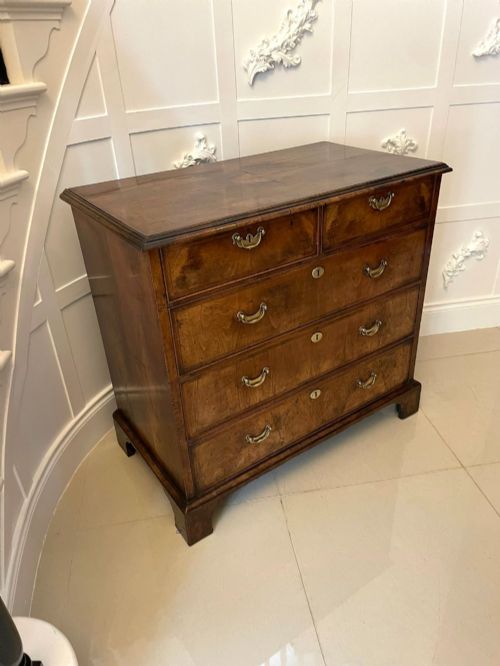
Walnut Dresser Chest
These walnut dresser chest pieces combine generous storage with rich timber figuring, anchoring a room with period proportion and warmth.
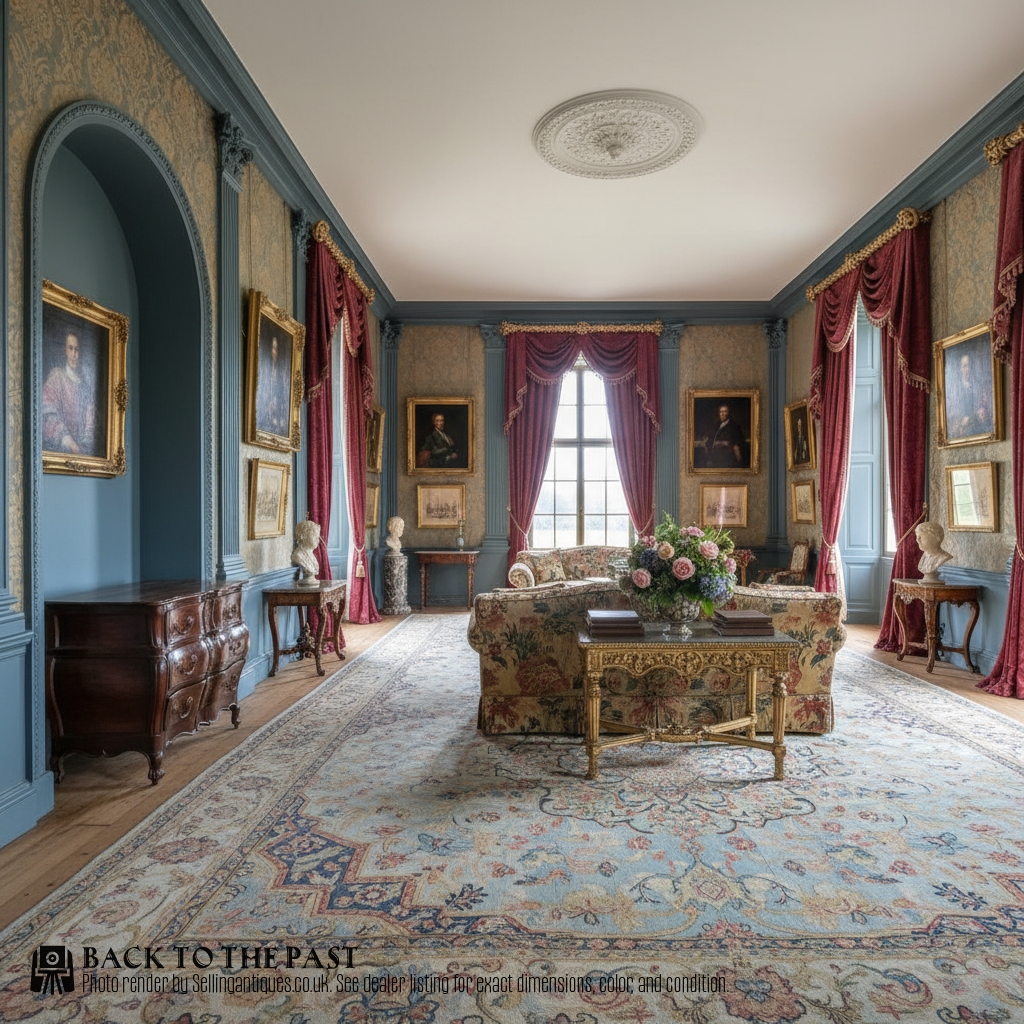
Walnut Dresser Chest
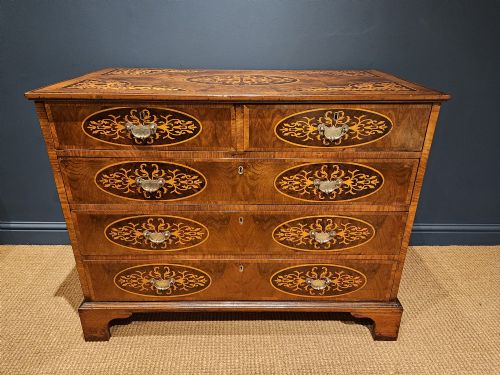
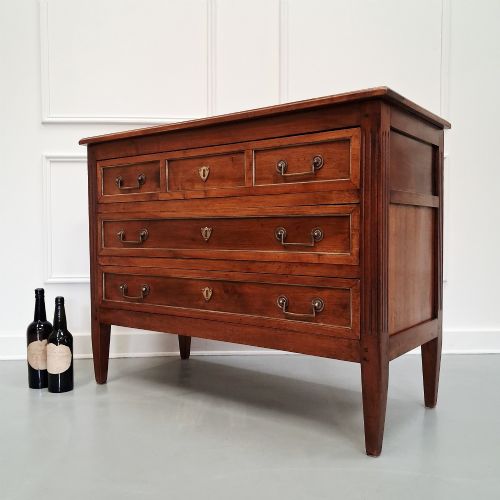
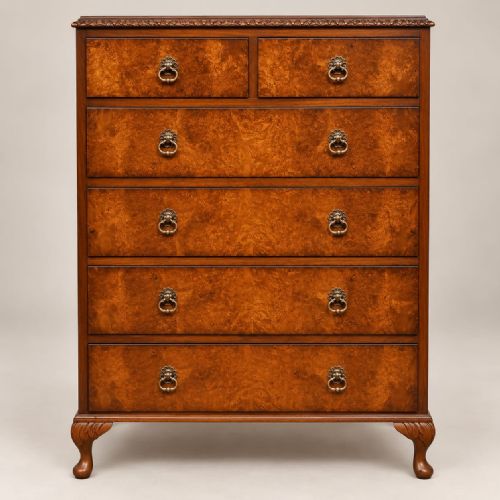
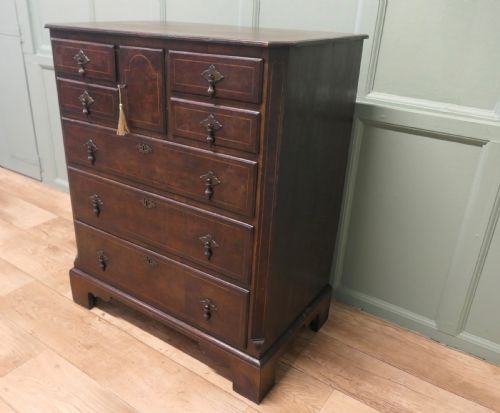
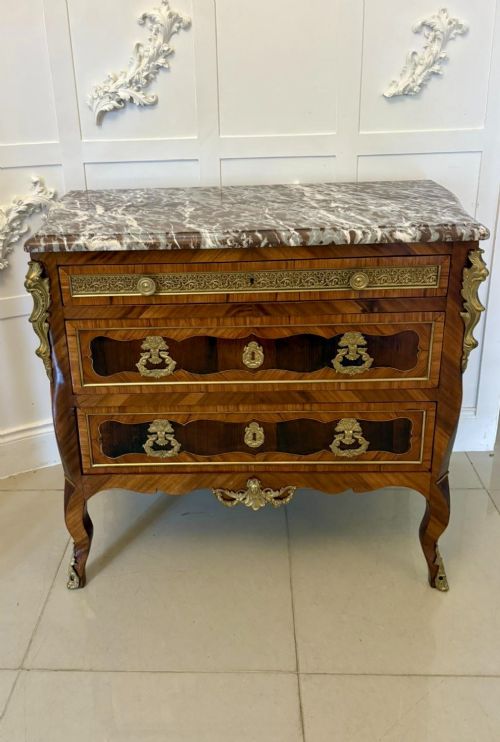
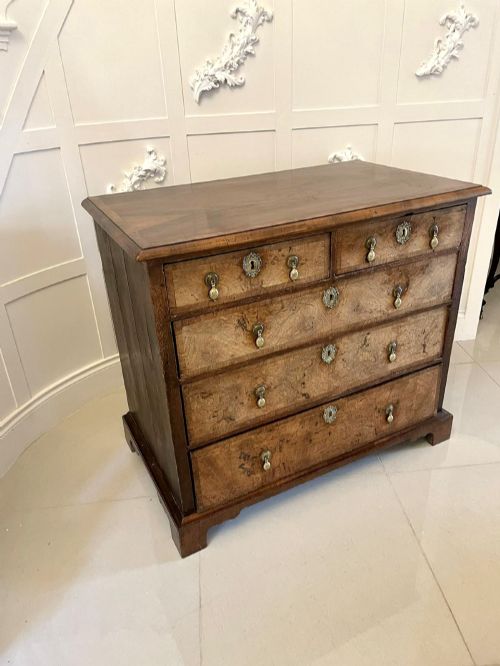
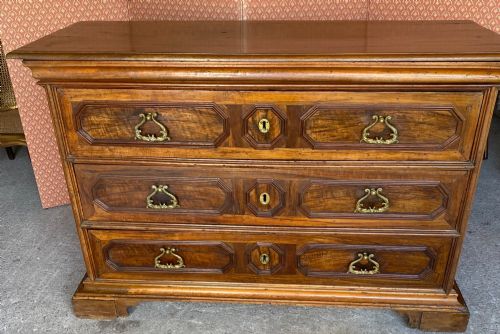
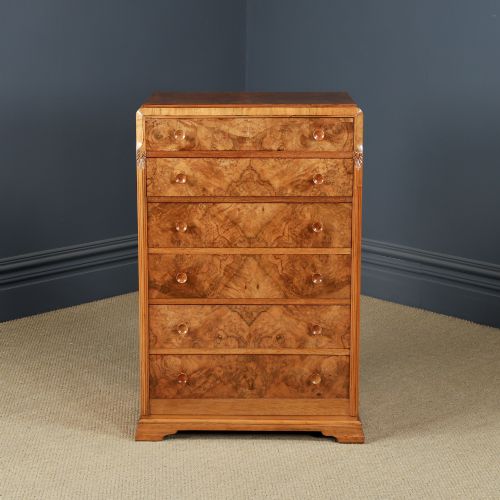
A walnut dresser chest brings together deep timber grains and practical drawer storage, taking forms from the seventeenth century through to the art deco period. You will see formal Georgian designs alongside Dutch marquetry, Italian baroque commodes, and later twentieth-century interpretations.
The selection ranges from tall chests on stands and serpentine commodes to bow-front examples and dressing tables. Earlier pieces from the seventeenth and eighteenth centuries sit alongside twentieth-century walnut veneer items and Edwardian variations.
Materials and construction
Cabinet makers utilised solid timber and delicate veneers, often applying burr walnut, oyster veneer, or elaborate marquetry and parquetry patterns in brass, ivory, and exotic woods. Cross banding and herringbone stringing frequently frame the drawer fronts.
Structural carcasses incorporate secondary timbers such as oak, whilst mountings utilise cast brass handles and ormolu details. Marble tops appear on several continental commodes and dressing pieces.
Current listings feature walnut and burr walnut alongside oak, kingwood, brass, marble, and ormolu across multiple centuries.
Judging quality
Quality rests upon the selection and matching of the timber veneer, where symmetrical figuring across drawer fronts indicates superior cabinet work. The crispness of marquetry inlay and the subtlety of herringbone banding separate finer workshops from standard production.
Proportion and the integrity of the original brass hardware and drawer linings dictate the standing of an individual chest. Finer examples retain their original surface patination and unwarped timber movement across the panels.
Jas Shoolbred·Grand Ducal Workshops
The Walnut Dresser Chest Glossary
- Oyster veneering
- The practice of cutting small circular branches transversely to produce oyster-shaped roundels. These create a repetitive patterned surface popular in seventeenth-century cabinet work.
- Marquetry
- Inlay work using various coloured woods, ivory, and pewter to form pictorial or geometric designs. Continental commodes frequently employ this technique on serpentine fronts.
- Commode
- A low chest of drawers originating in France, often featuring a marble top and cabriole legs. The form evolved through Louis XV and Louis XVI periods into serpentine and bombe shapes.
- Herringbone banding
- A decorative border made from small veneer segments arranged in a V-shape. This detail frames drawer edges on George I and Georgian furniture.
Walnut Dresser Chest: Frequently Asked Questions
How do I date a walnut chest?
Dating relies on examining construction methods, hardware, drawer linings, and overall timber styles. Seventeenth-century examples often display oyster veneers, whilst eighteenth-century pieces show cross banding and herringbone inlay.
Later twentieth-century and art deco items use smoother figured walnut veneers on different carcass proportions. Comparing these details against known period styles clarifies the age.
Where were these chests made?
These pieces originate from British, French, Dutch, German, and Italian workshops. English makers produced refined figured walnut and cross-banded designs during the Georgian and Queen Anne eras.
Continental makers produced serpentine commodes and bombe shapes, frequently incorporating marquetry, parquetry, and marble tops.
How do I care for walnut furniture?
Walnut furniture requires placement away from direct sunlight and sudden temperature changes to protect the delicate veneers. Maintaining stable indoor humidity prevents timber movement and splitting.
Gentle cleaning with appropriate wax helps preserve the surface patination without stripping the historic finish.