
French Serpentine Chest
A French serpentine chest brings flowing continental curves and rich cabinet timbers into a room, offering both generous drawer space and decorative presence.
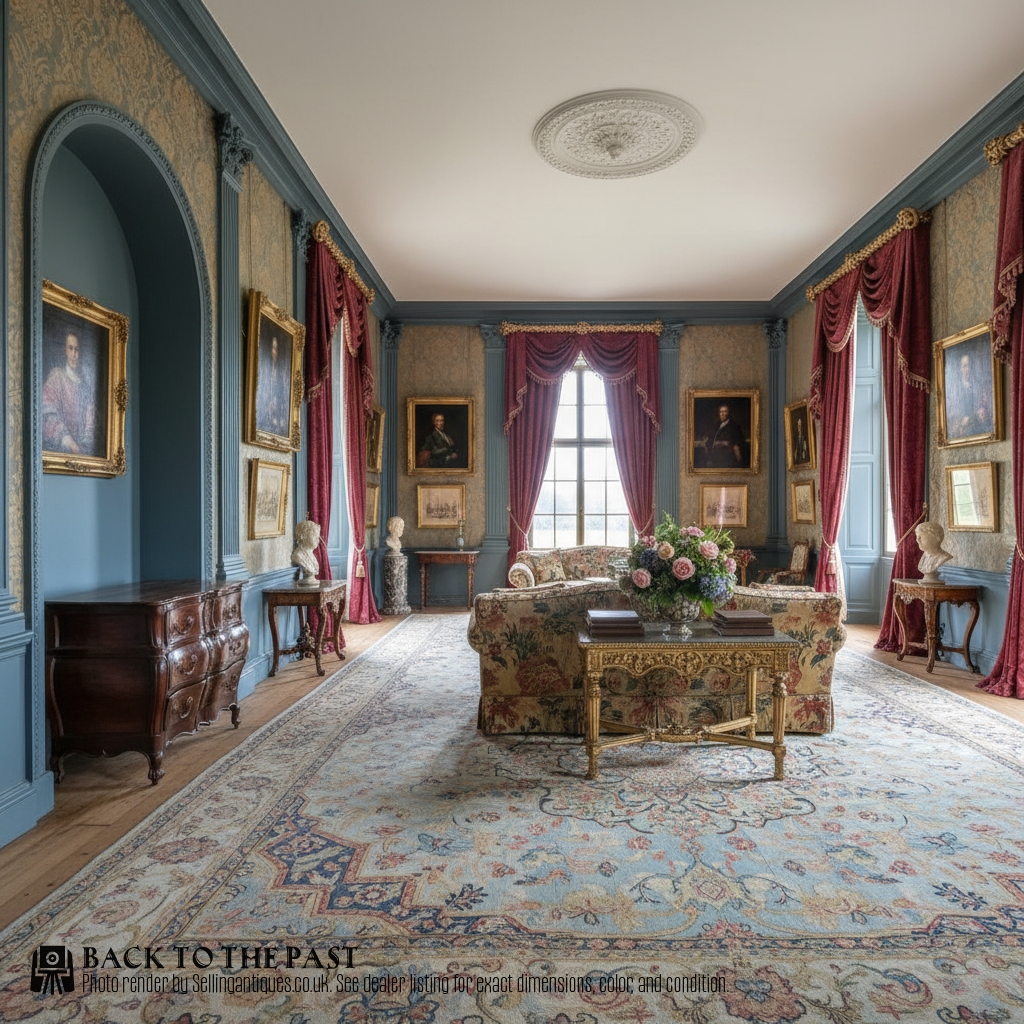
French Serpentine Chest
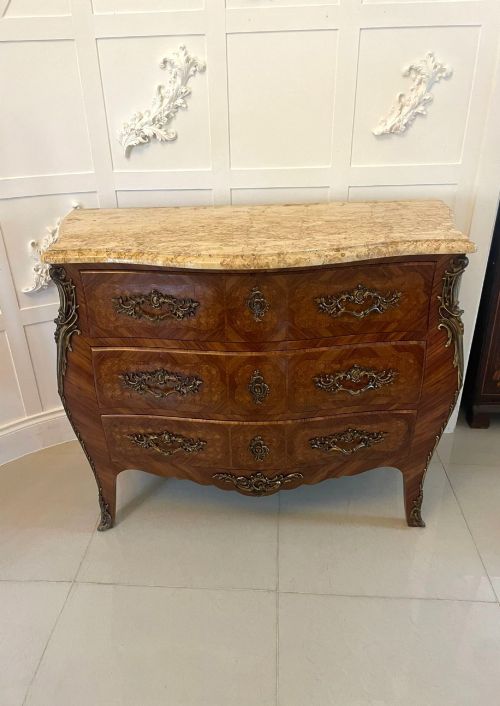
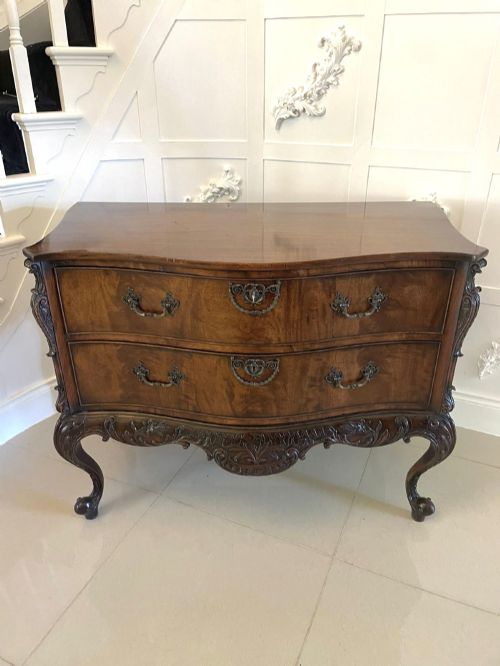
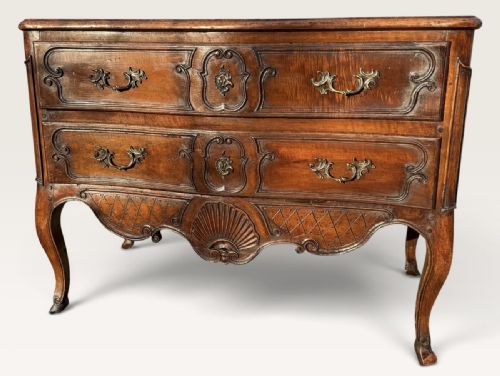
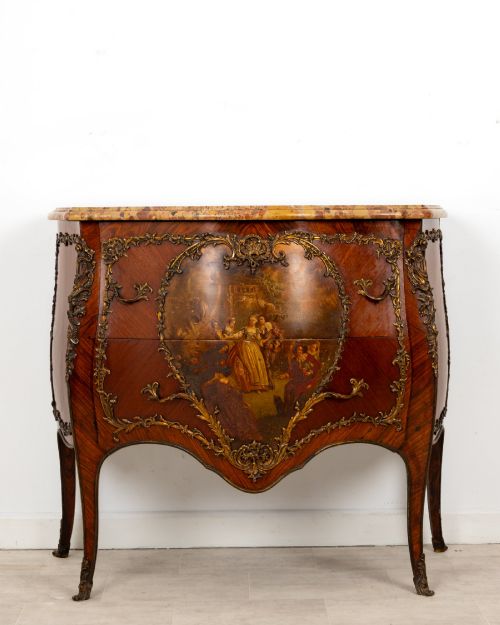
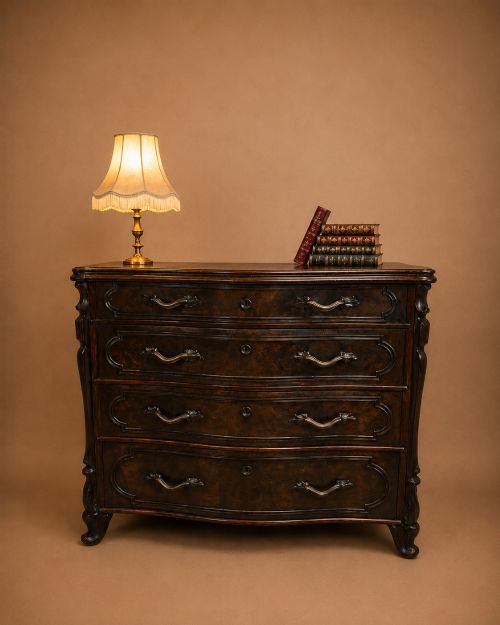
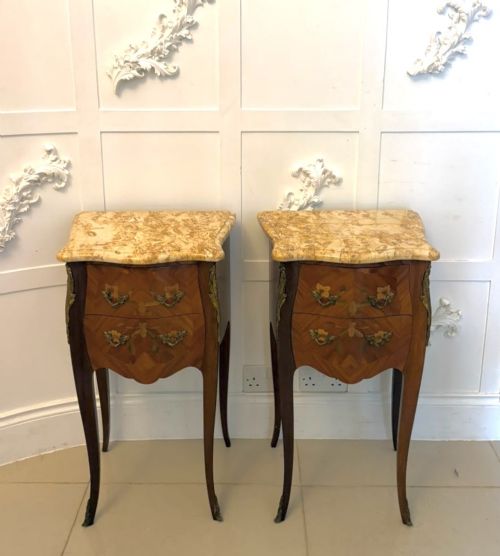
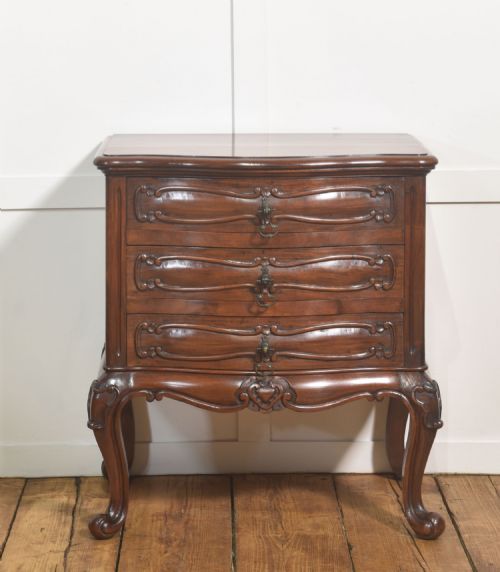
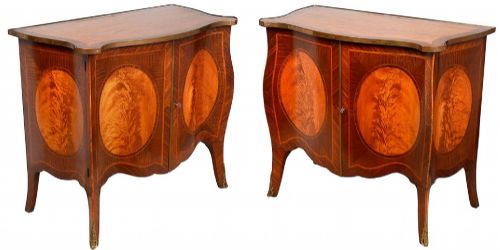
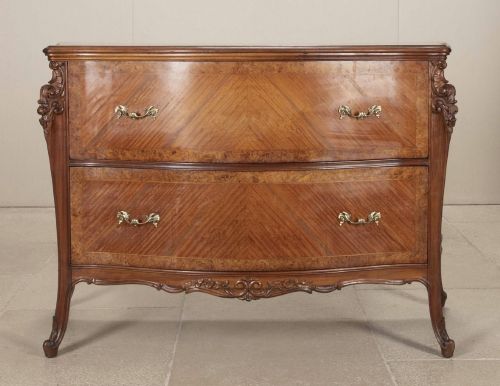
A french serpentine chest typically takes the form of a commode, bedside cabinet, or chest of drawers featuring an undulating front line that curves outward at the centre and inward at the sides or vice versa. These pieces originate from eighteenth-century provincial and Parisian workshops as well as later nineteenth-century revival periods, reflecting shifting tastes in continental interior design.
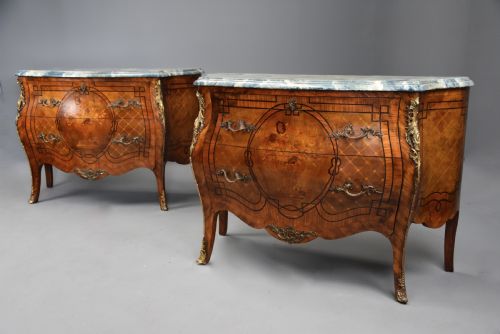
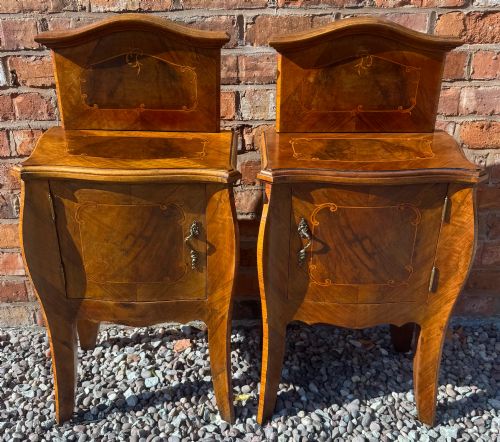
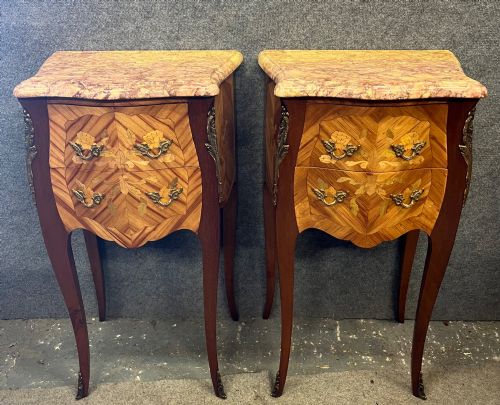
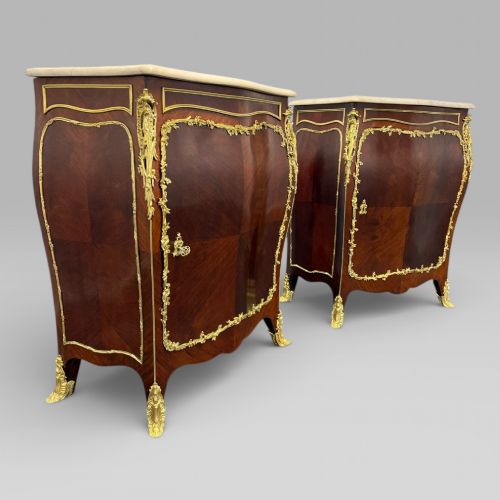
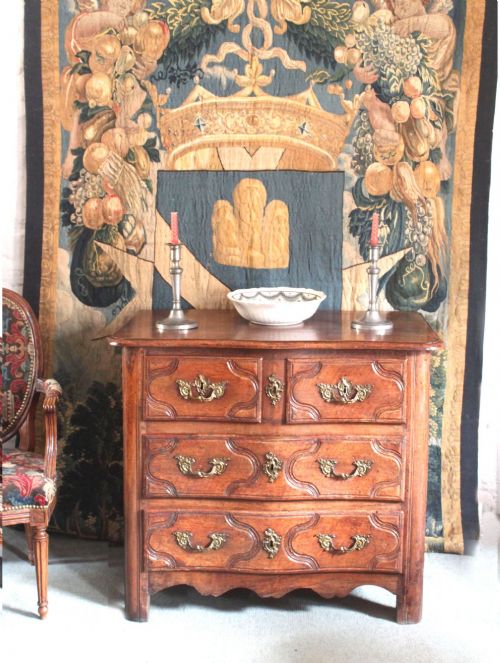
The most common examples encountered on this page date from the eighteenth and nineteenth centuries, constructed in regional woods like walnut and oak or veneered in exotic timbers. Alongside standard chests, buyers frequently find smaller bedside tables, nightstands, and pairs of bombe commodes with pronounced swelling profiles.
Makers and cabinetmakers produced these furnishings in styles ranging from plain French provincial to elaborate Louis XV and Louis XVI revivals adorned with marquetry and parquetry patterns. Their overarching function remains the storage of household linens or personal items, housed within a distinctly shaped carcass that elevates a practical storage item into a focal point.
How they were made
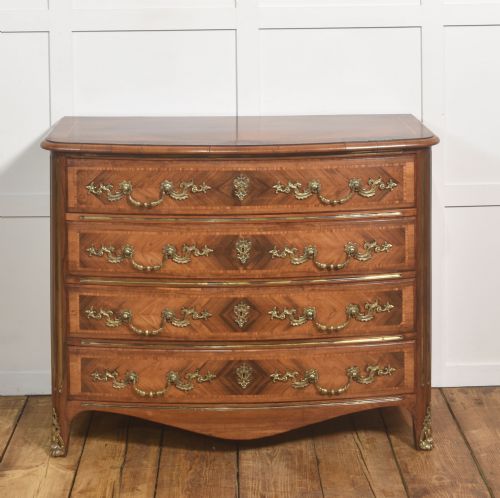
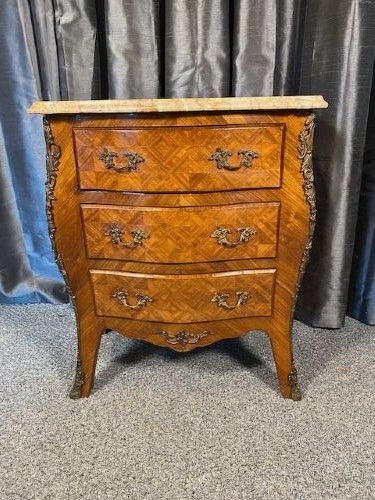
Construction relies upon a sturdy internal carcase of oak, walnut, or chestnut, which provides the necessary structural stability for shaping the characteristic undulating front. Craftsmen then applied veneers of kingwood, walnut, mahogany, tulipwood, or rosewood, often arranged in geometric parquetry or intricate floral marquetry patterns across the drawer fronts and sides.
Surface ornamentation frequently incorporates cast or chased ormolu and gilt-bronze mounts, handles, and sabots to accentuate the curved contours of the piece. Many examples are completed with heavy shaped marble tops that follow the serpentine outline of the wooden carcase below.
The furniture forms on this page include bedside cabinets, lamp tables, semanier chests, and commodes with marble tops.
What varies in quality
The standard of a piece is largely determined by the sophistication of its timber selection, such as figured walnut, burr elm, or meticulously matched kingwood veneers, contrasted with simpler painted or plain oak constructions. Finer examples display continuous grain alignment across multiple drawers and precise, hand-cut marquetry rather than simpler surface decoration.
The execution of the bronze or ormolu mounts and the precision with which the marble top follows the complex curves of the serpentine frame signal the level of workshop craftsmanship. Earlier eighteenth-century originals generally command different consideration compared to nineteenth-century revival pieces or early twentieth-century interpretations.
E. Kahn
The French Serpentine Chest Glossary
- Serpentine
- A shape characterised by a undulating front edge that curves outward and inward in a continuous wave line. This contour requires specialised joinery to execute correctly on drawer fronts and carcass frames.
- Commode
- A low chest of drawers or cabinet developed in France during the seventeenth century. They typically stand on relatively short legs and serve as both functional storage and decorative furniture.
- Bombe
- A swollen or bulging convex shape in the sides and front of a cabinet or chest. The profile swells outward from the waist toward the feet, adding significant volume and visual drama.
- Marquetry
- Decorative veneer work formed by fitting together small pieces of different coloured wood, ivory, or shell to create pictorial or geometric designs. Artisans glue these thin veneers onto the structural carcase of the furniture.
- Ormolu
- Gilded bronze ornamentation applied to the mounts, handles, and feet of fine furniture. The technique involves coating brass or bronze in a mixture of mercury and gold.
French Serpentine Chest: Frequently Asked Questions
What is a serpentine chest?
A serpentine chest is a storage unit featuring a front edge shaped with alternating convex and concave curves, creating a fluid, undulating profile.
Originating primarily in France, these pieces range from large commodes to small bedside cabinets constructed in solid woods or decorated with fine veneers.
How do I identify an 18th-century piece?
Eighteenth-century examples typically display construction methods such as hand-cut dovetails, native regional timbers like walnut or oak, and patination acquired through extended use.
Later revival pieces from the nineteenth and twentieth centuries often utilise machine-sawn elements, standardised hardware, and different veneering techniques.
Where were commodes used?
Continental commodes served primarily as decorative and functional storage in principal bedchambers, withdrawing rooms, and grand hallways.
Smaller matched pairs of bedside cabinets and nightstands were designed specifically to sit alongside sleeping quarters furniture.
What is the difference between a commode and a chest?
A commode is a specific continental European term for a low cabinet with drawers, usually standing on visible legs and highly decorative. Chesnuts and standard chests of drawers can encompass taller English or provincial formats without the characteristic continental shaping and mounts.
How do I care for marble-topped furniture?
Marble tops require gentle cleaning with mild, pH-neutral soap and water to avoid dulling the polished stone surface or damaging underlying adhesives.
Keep wooden carcasses away from direct heat sources and drastic humidity changes to protect delicate veneers and parquetry.