
Walnut Credenza Cupboard
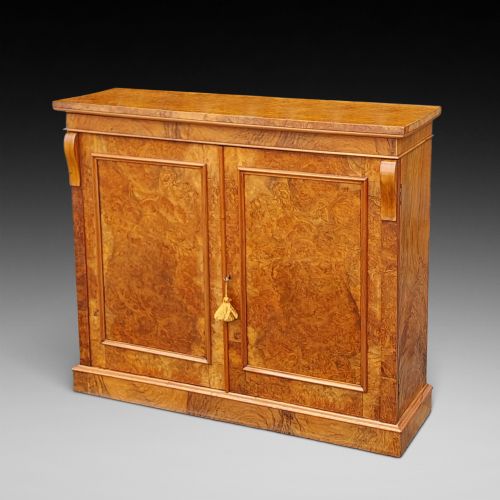
A walnut credenza cupboard brings figured timber and enclosed shelving together, offering a stately focal point for a formal room.
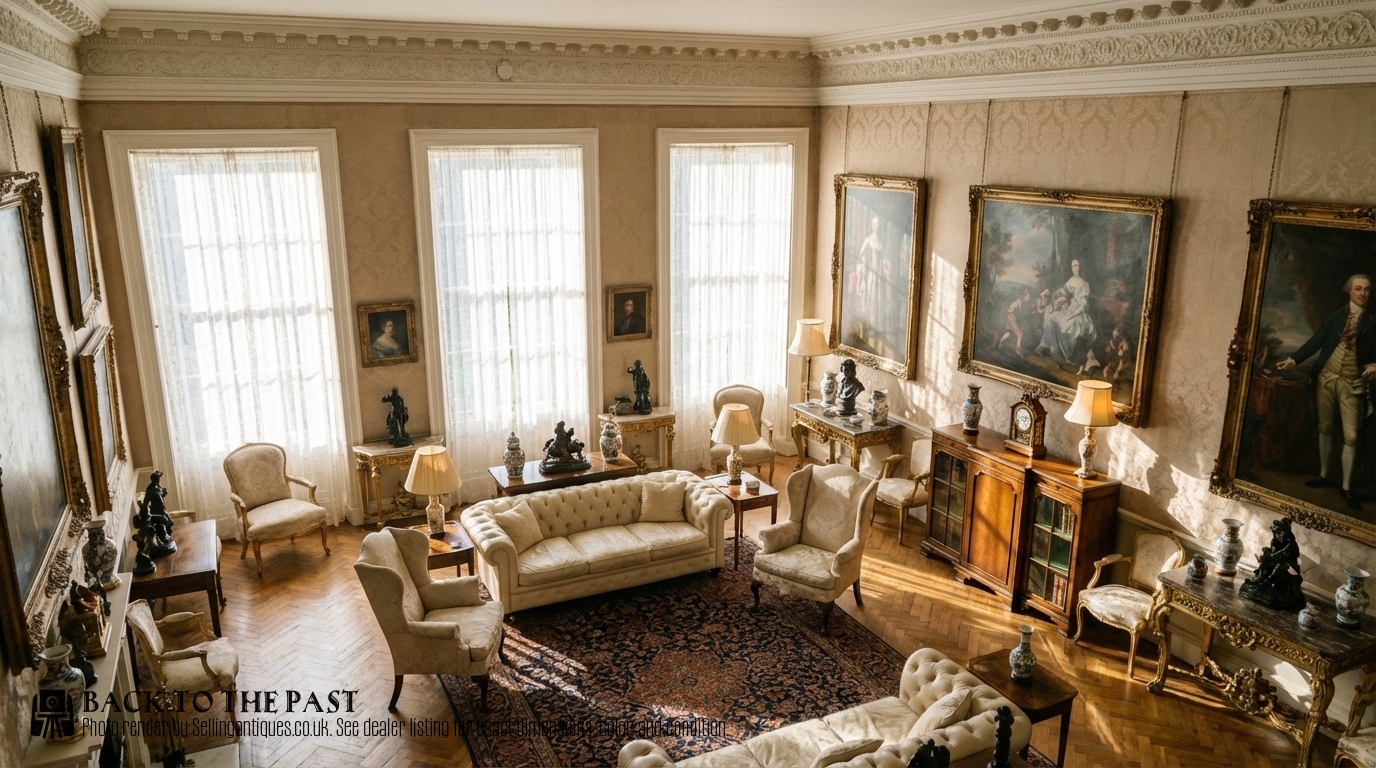
Walnut Credenza Cupboard
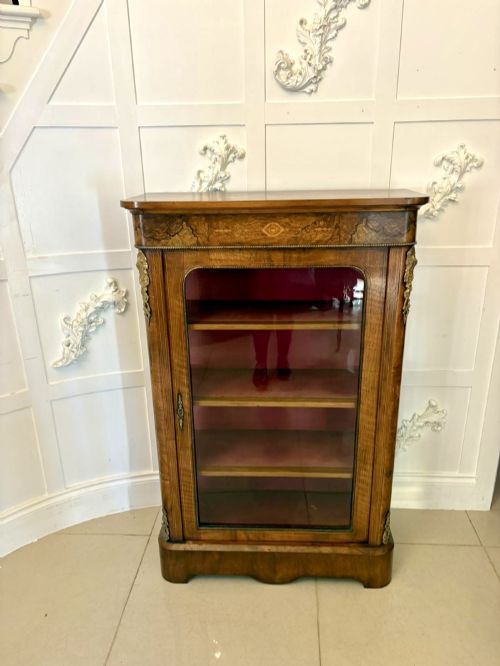
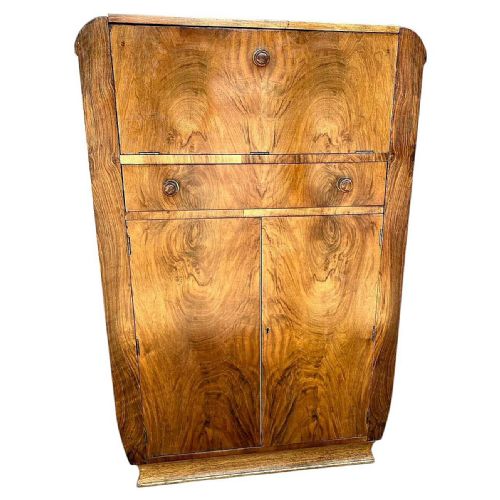
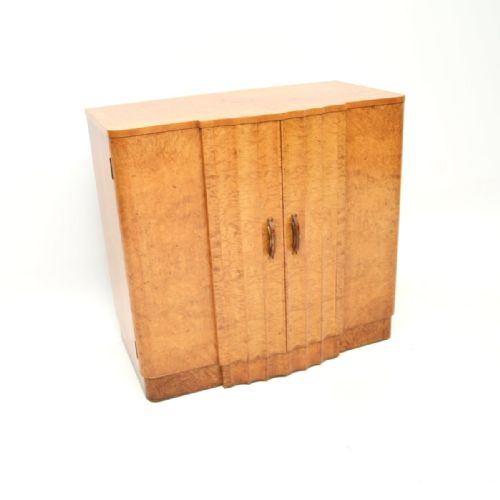
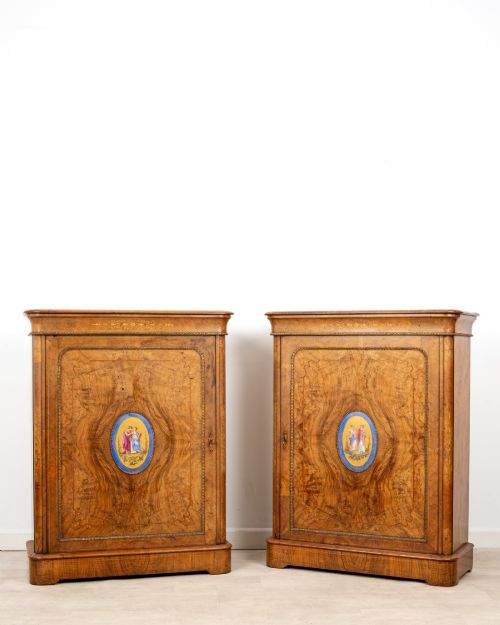
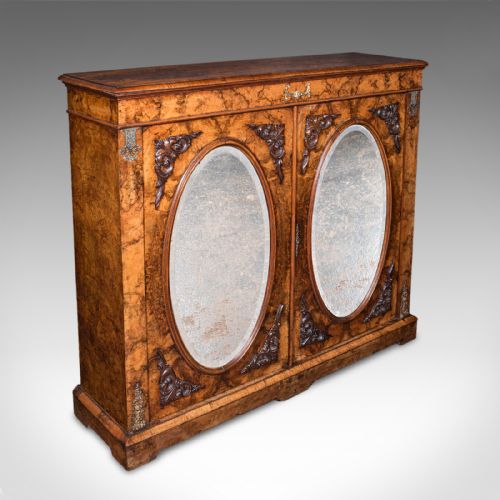
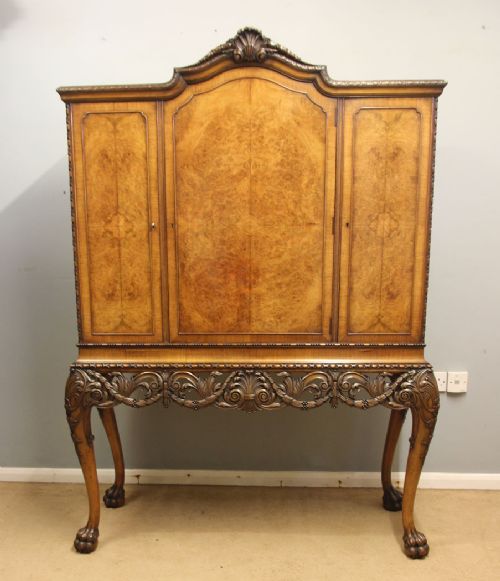
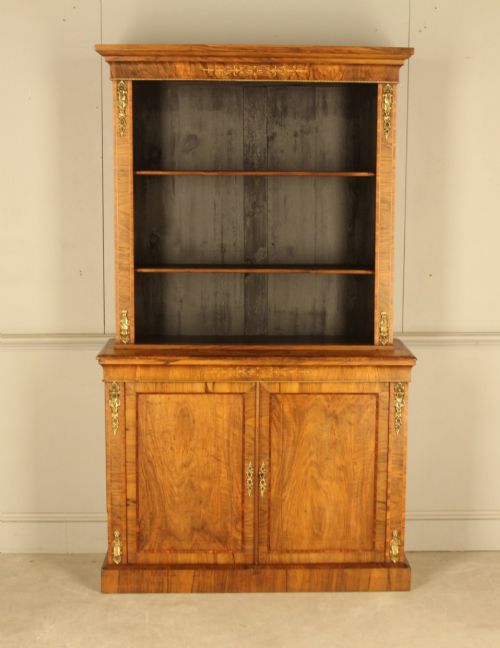
A walnut credenza cupboard represents a diverse group of enclosed storage pieces, spanning Victorian pier cabinets, Edwardian display units, and Art Deco cocktail servers. These items function primarily as low side cabinets, bookcase combinations, or salon display units designed to house treasured objects and china.
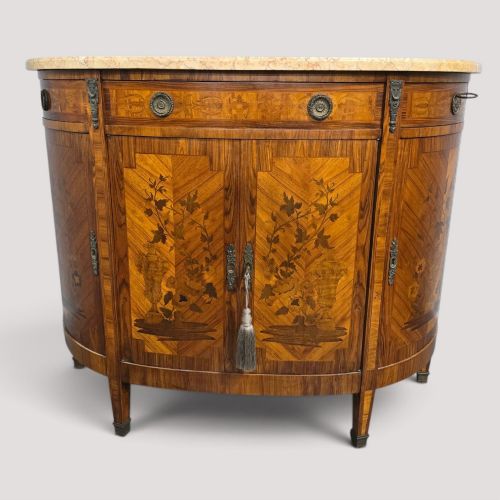
Buyers meet pieces stretching from eighteenth-century continental buffets through nineteenth-century Victorian marquetry to nineteen-thirties modernist cocktail cabinets. The selection leans heavily toward nineteenth-century Victorian burr walnut pier cabinets and twentieth-century modernist cocktail designs.
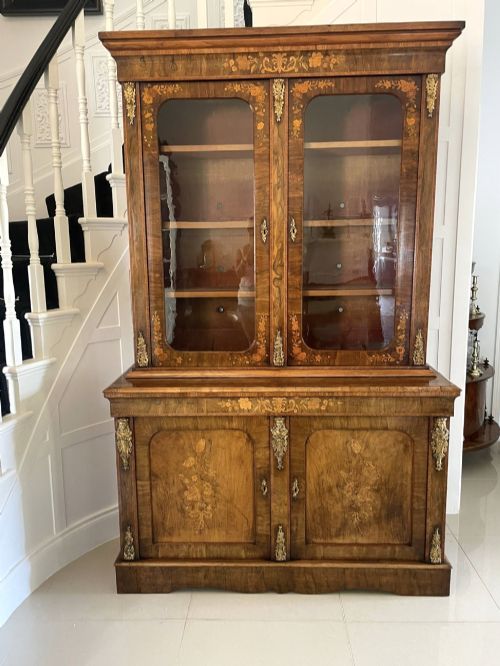
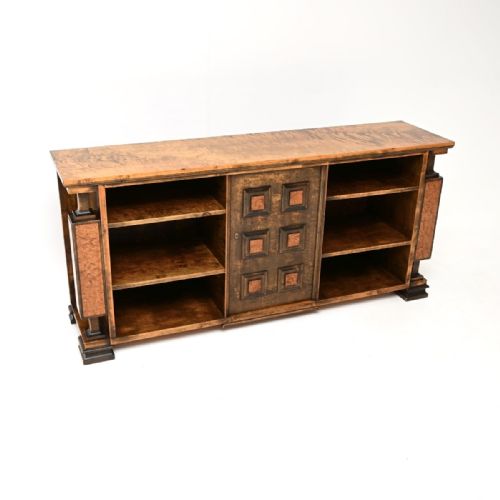
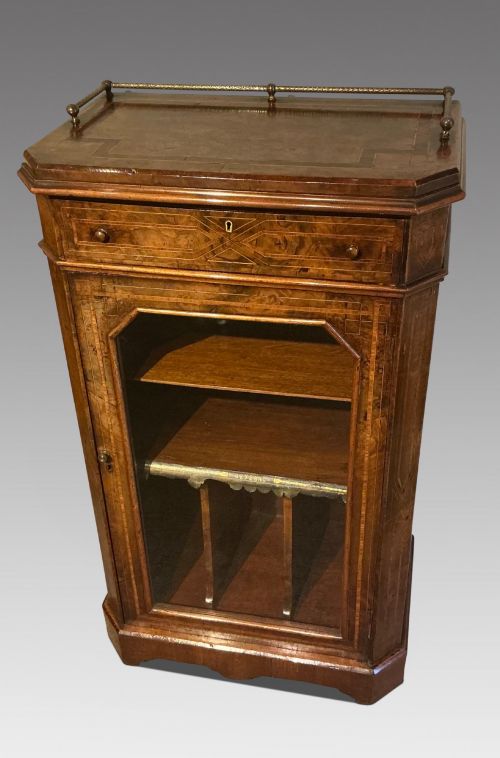
The fundamental architecture relies on timber framing with doors, shelves, and sometimes glass display panels or marble tops. Formats range from narrow pier cabinets to wide breakfront bookcases and serpentine sideboards.
Markers of Quality
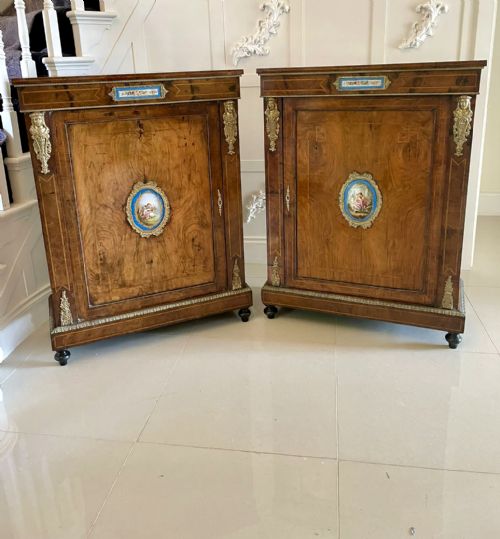
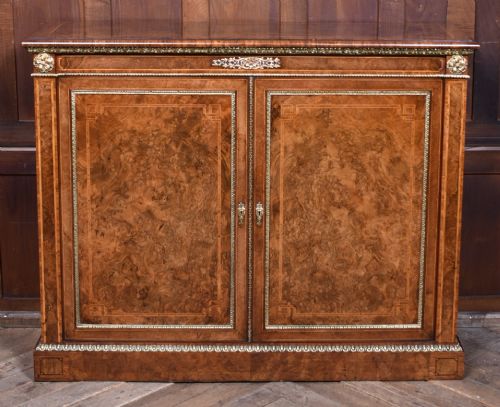
Depth of timber selection distinguishes standard utilitarian storage from exceptional cabinet work, particularly where book-matched burr walnut veneer flows symmetrically across doors and panels. The precision of inlaid marquetry and the crispness of hand-carved details signal superior workshop output.
Hardware integration and internal fittings reveal the hand of skilled makers, visible in the weight of cast ormolu mounts, the polish of plate glass, and the smooth movement of fitted drawers and doors.
Listings feature walnut credenza cupboards spanning the Victorian, Edwardian, and Art Deco periods, alongside eighteenth-century continental pieces.
Shoolbred & Co.·Harry and Lou Epstein·Whytock & Reid of Edinburgh·Bowman Brothers
The Walnut Credenza Cupboard Glossary
- Burr walnut
- Timber taken from a tree growth or burl, yielding swirling, highly figured grain patterns prized for decorative veneer work on fine cabinet doors.
- Ormolu
- Gilt bronze mounts cast and chased to adorn furniture corners, feet, and friezes, common on nineteenth-century revival and French pieces.
- Marquetry
- The art of applying small pieces of veneer to a structure to form decorative patterns, pictorial scenes, or geometric designs.
- Pier cabinet
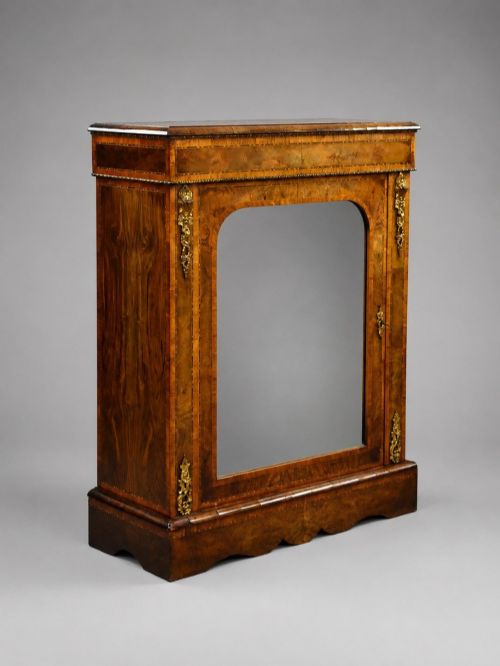
- A narrow standing cabinet designed specifically to fit the wall space between windows, often featuring glass doors and velvet-lined interior shelving.
- Breakfront
- A piece of furniture whose central section projects forward from the flanking sections, creating architectural rhythm across the facade.
Walnut Credenza Cupboard: Frequently Asked Questions
Where do I place a walnut credenza cupboard?
These cabinets suit dining rooms, grand hallways, or living spaces where low storage allows surface display without blocking sightlines. They anchor a room by providing both concealed containment and a handsome timber presence against a wall.
Position them away from direct heat sources and strong sunlight to protect the walnut veneer and polished finish from drying or fading over decades of daily use.
How do I care for antique walnut furniture?
Dust regularly with a soft, dry cloth and apply a quality beeswax sparingly to nourish the timber grain and maintain the natural sheen. Avoid silicone-based polishes that build up a hazy residue over the original polish.
Keep indoor humidity stable to prevent timber movement, which can cause veneers to lift or cabinet doors to bind within their frames.
How do I distinguish Victorian from Art Deco cabinets?
Victorian examples rely on dark figured walnut, elaborate marquetry inlay, porcelain plaques, and cast ormolu mounts that reflect historical revival styles. They often feature curved glass or carved serpentine lines.
Art Deco items showcase streamlined geometric forms, figured walnut without heavy carving, and specialised internal fittings for glassware, denoting modern twentieth-century entertaining.
What is the difference between a pier cabinet and a sideboard?
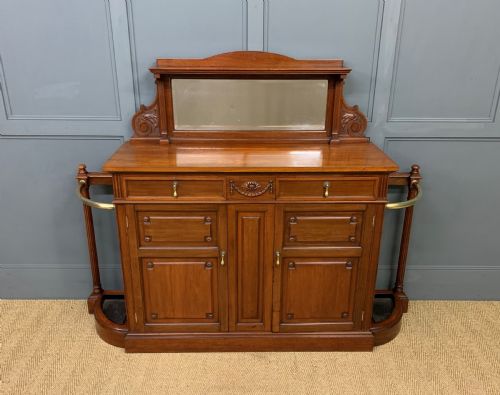
A pier cabinet is typically a taller, narrower display piece designed for a specific wall pier between windows, featuring glass doors and velvet-lined shelves for ornaments. Sideboards and credenzas are wider, lower units built primarily for serving food or storing dining room ware.
Pier cabinets emphasise visual display through glass, whereas sideboards focus on cabinet doors and drawers for practical storage.