




Golden Brown Walnut Cabinet
A golden brown walnut cabinet brings rich warmth and striking grain patterns into a room, offering both practical storage and undeniable presence.
Golden Brown Walnut Cabinet
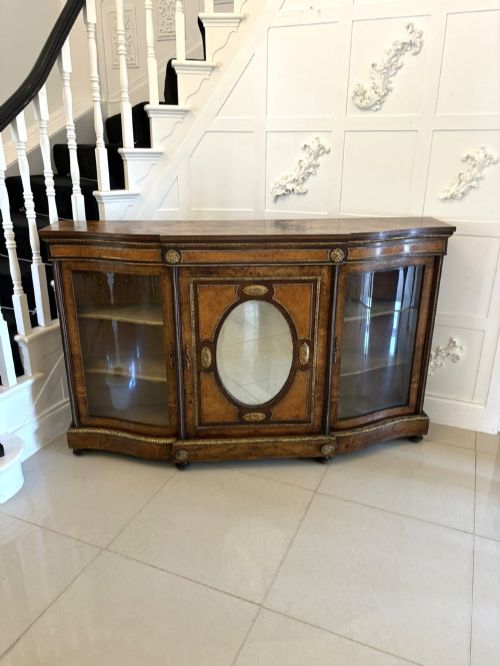
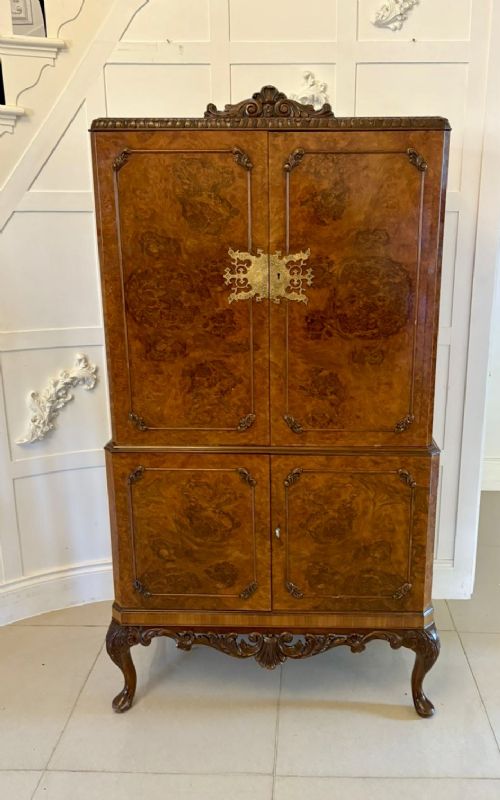
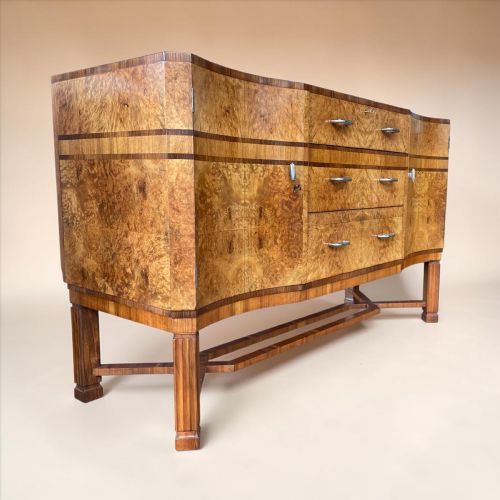
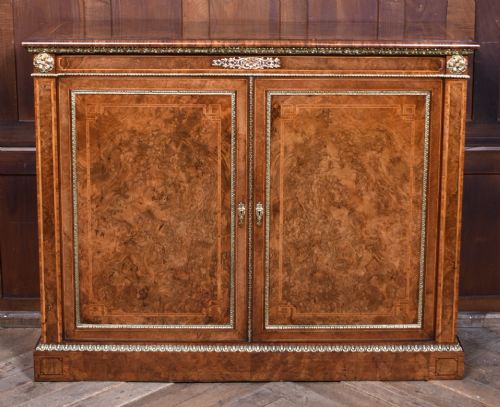
The selection on this page leans heavily towards larger display pieces and side cabinets, including credenzas mounted with ormolu, sideboards with chrome hardware, and specialised cocktail drinks cabinets. These forms span multiple eras, from seventeenth-century William and Mary chest designs up to twentieth-century modernist sideboard creations.
Origin and period heavily dictate the character of each cabinet, with Victorian French Revival and Queen Anne Revival styles sitting alongside crisp Art Deco lines. Whether housing porcelain plaques or mirrored interiors, every version centres on the distinctive warmth of walnut as its primary visual asset.
Materials and construction methods
Makers utilised solid walnut and burr walnut veneer over supportive carcases, harnessing the figured grain to create symmetrical patterns across drawer fronts and doors. This technique highlights the natural variation in the timber, producing the characteristic golden brown palette.
Metal mounts in ormolu and brass provide structural and decorative accents on nineteenth-century pieces, whilst later twentieth-century iterations incorporate chrome hardware and glass panels. Marquetry inlay also appears on earlier examples, adding intricate detail to the surfaces.
Golden Brown Walnut Cabinet Retail Price Guide 2026
Typical asking prices for golden brown walnut cabinet among the pieces listed under this phrase on Sellingantiques today, from the lower quarter to the upper quarter. They describe what is for sale here now, not the wider market.
Some cocktail cabinets hide internal mirrors designed to make your evening gin and tonic look twice as abundant.
Factors that separate the range
Quality rests primarily on the selection and matching of the burr walnut veneer, where thoughtful bookmatching creates symmetrical patterns across the primary surfaces. Superior examples display unbroken grain flow and careful timber selection across every panel.
The integration of secondary materials, such as finely chased ormolu mounts, porcelain plaques, and original bevelled glass, elevates the standard of a piece. Finer cabinets also retain their original working locks, keys, and functional interior fittings like mirrored cocktail compartments.
Harry and Lou Epstein
The Golden Brown Walnut Cabinet Glossary
- Burr walnut
- A figured timber taken from the growth excrescence of a walnut tree, prized for its swirling, knotty grain patterns. It provides the striking surface movement seen on many high-end cabinet doors.
- Credenza
- A low-standing cabinet historically used for serving or displaying silver, featuring cupboards and sometimes glazed side sections. Victorian iterations frequently incorporate curved glass and ormolu mounts.
- Ormolu
- Gilt bronze ornamentation applied to furniture, popular in nineteenth-century Revival styles. It adds metallic contrast to the golden brown timber.
- Marquetry
- The art of applying pieces of veneer to a structure to form decorative patterns and pictures. Seventeenth-century examples often utilise this technique for floral or geometric motifs.
- Cocktail cabinet
- A specialised storage piece designed for serving drinks, typically featuring a mirrored interior and drop-down preparation shelf. These emerge prominently in twentieth-century designs.
Golden Brown Walnut Cabinet: Frequently Asked Questions
What periods do these cabinets come from?
The pieces span from the seventeenth century through the Victorian era up to the 1930s. Each period brings distinct hardware, proportions, and decorative motifs.
Early examples feature intricate marquetry and cabinet-on-chest forms, whilst later nineteenth and twentieth-century pieces favour credenza layouts and streamlined Art Deco silhouettes.
How do I identify burr walnut?
Burr walnut is recognizable by its swirling, highly figured grain patterns filled with small knots and eyes. It differs from straight-grained walnut by offering intense visual movement across the surface.
Makers sliced this timber thinly for veneers to display the dramatic grain across large door panels and drawer fronts.
Were cocktail cabinets used for drinks?
Yes, specialised cocktail drinks cabinets emerged to house glassware, bottles, and mixing accessories. They often include internal mirrors and specialised shelving.
Twentieth-century iterations prioritize interior lighting and drop-down serving surfaces tailored for entertaining.
How do I care for a walnut surface?
Walnut benefits from stable room environments away from direct sunlight and excessive heat sources. Regular dusting with a soft, dry cloth preserves the finish.
Avoiding harsh chemical polishes ensures the aged golden brown patina and delicate veneer remain protected over time.