


Walnut Cased Clock
A walnut cased clock brings warmth and precise mechanical rhythm to a room, ranging from grand floor-standing longcase pieces to compact wall regulators.
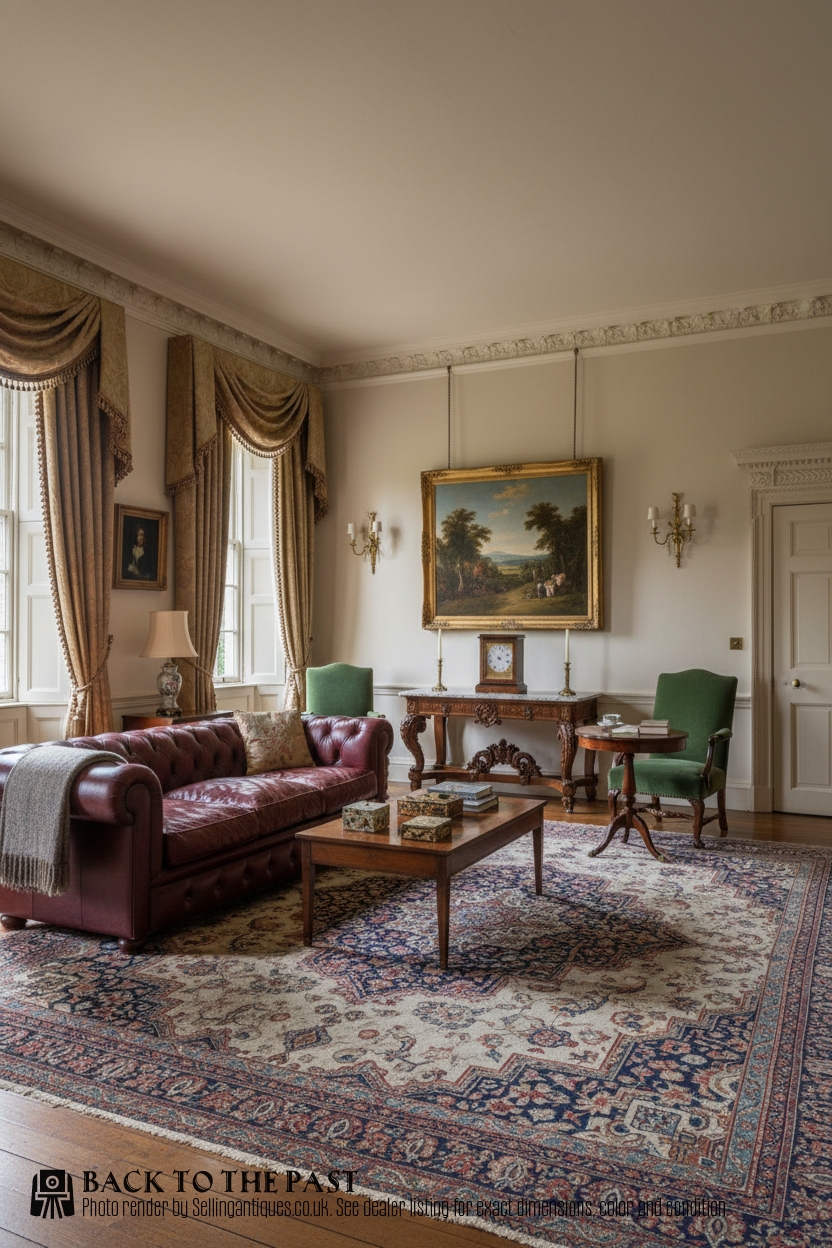
Walnut Cased Clock
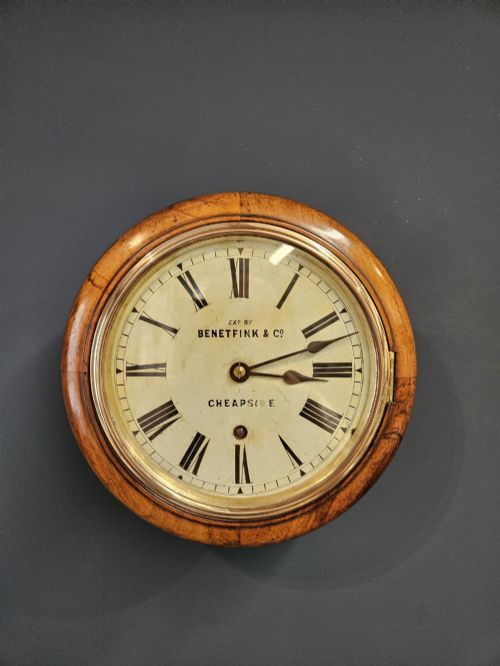
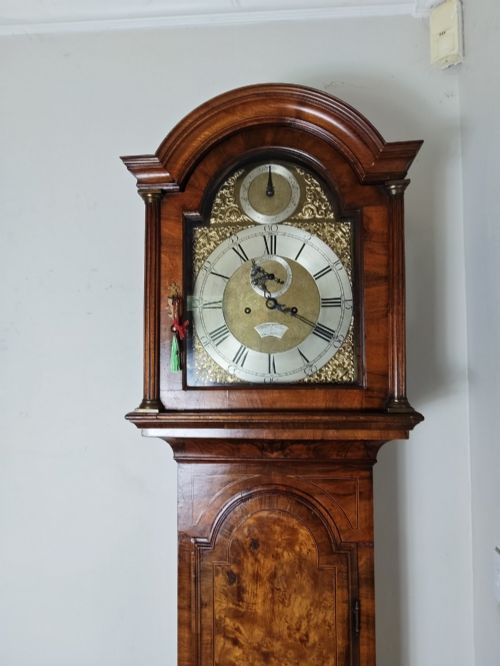
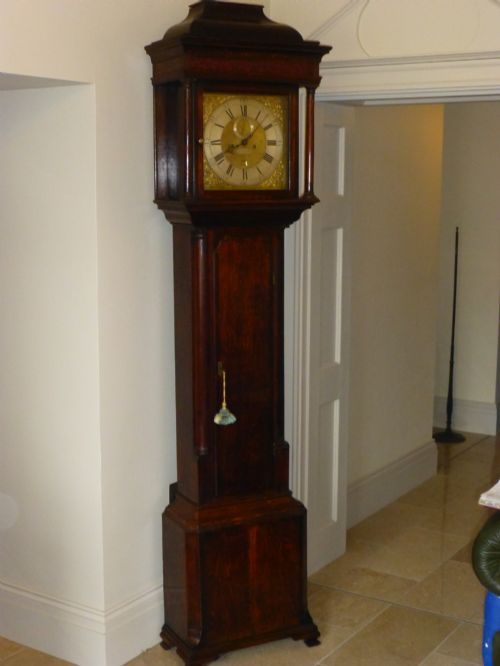
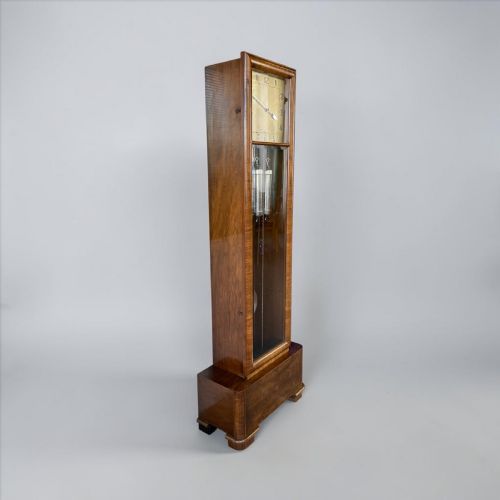
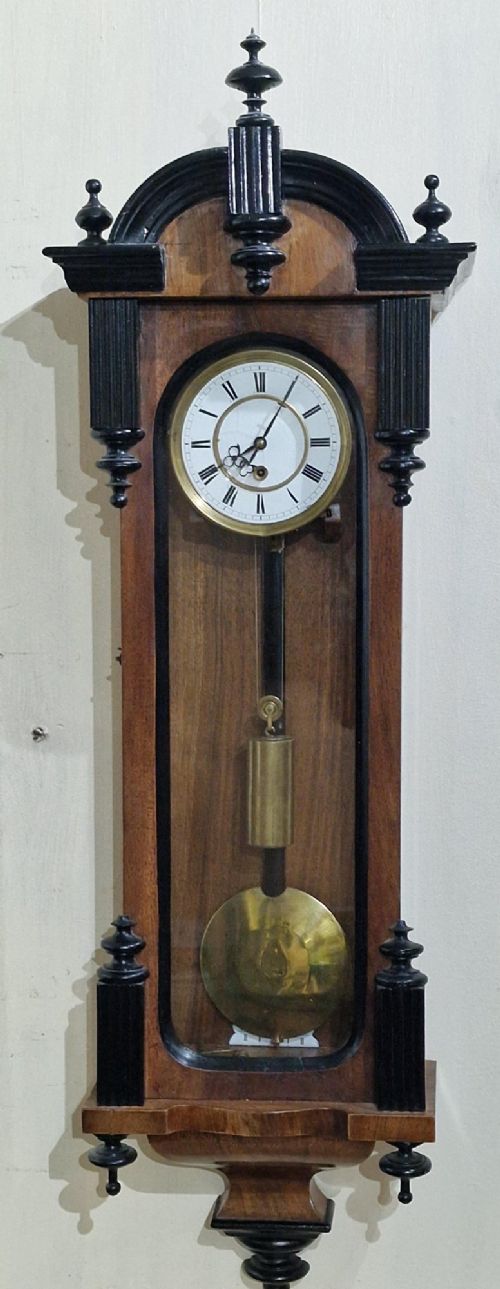
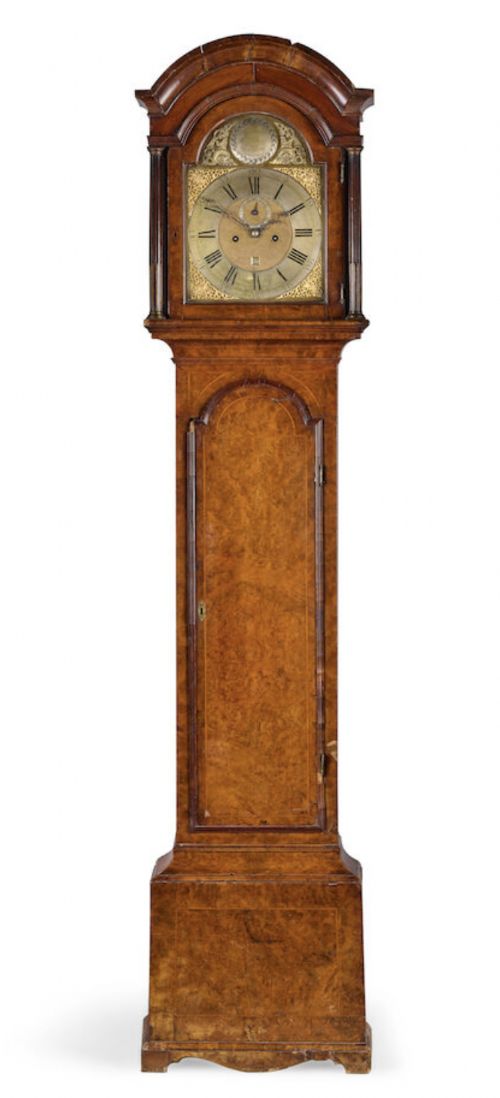
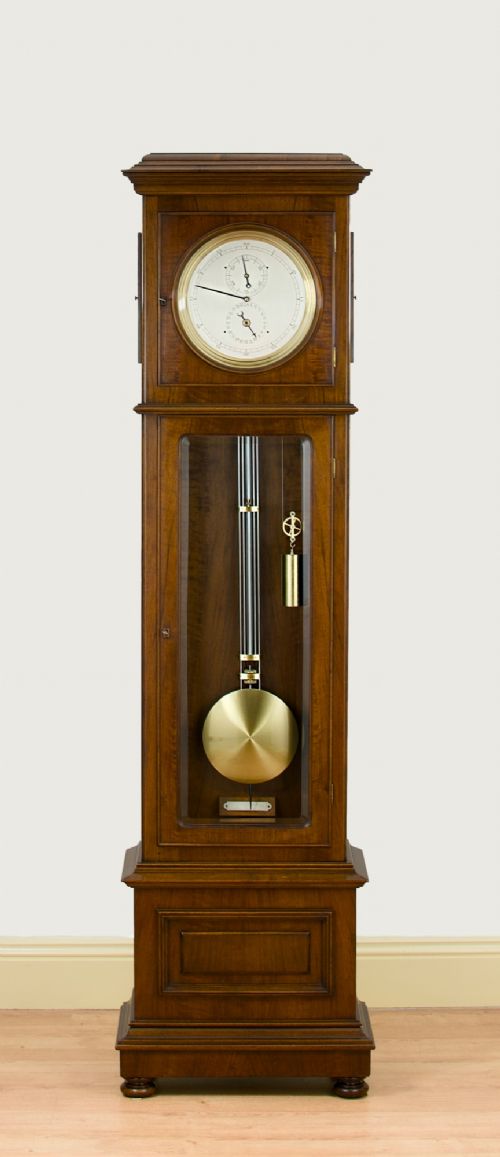
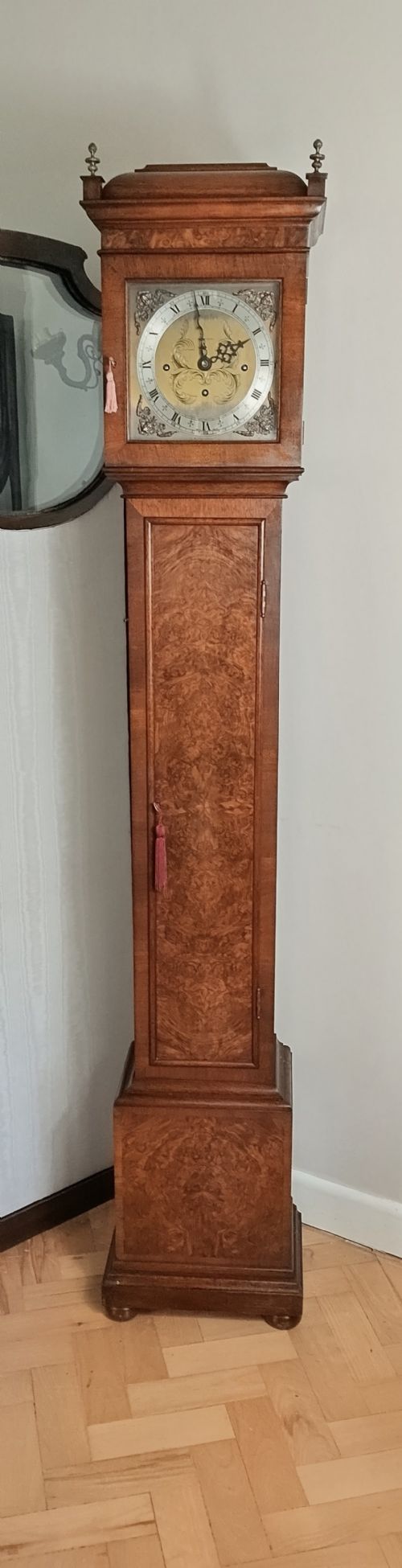
When searching for a walnut cased clock, buyers encounter several distinct formats spanning centuries of domestic timekeeping. The selections include tall longcase and grandfather clocks, wall-hung Vienna regulators, and smaller mantel or desk pieces.
The most common examples on this page bridge the late seventeenth century through the Victorian era and into the Art Deco period. These pieces demonstrate how cabinetmakers housed mechanical movements in richly figured wood cases intended for prominent rooms.
Origins vary from provincial English workshops to London masters and continental makers in Germany and Austria. Each format reflects the prevailing domestic architecture and horological technology of its specific period.
Materials and Construction
Makers utilised solid walnut, burr walnut veneers, and marquetry inlay over secondary woods such as oak to construct durable, decorative housings. Brass dials, cast bezels, and silvered chapter rings provide functional contrast to the dark timber surfaces.
Movements incorporate brass gears, iron plates, and steel pinions, often driven by lead or brass weights suspended by cords or chains, or powered by spring-driven fusee movements.
Glass panels in doors and brass display domes protect delicate escapements and dials while allowing a clear view of swinging pendulums.
Materials recorded across current inventory include solid walnut, burr walnut veneer, brass, glass, oak, and ebonised wood.
Indicators of Excellence
Quality rests in the crispness of timber figure, the intricacy of marquetry, and the finesse of dial engraving by named makers. Well-executed cases show seamless veneer matching and balanced proportions without clumsy timber repairs.
Mechanical standard distinguishes everyday timepieces from precision regulators and quarter-chiming movements produced by renowned horologists. The integration of moonphase dials, month-duration movements, and complex striking trains elevates a piece.
Originality of components, from the pendulum and weights to the hands and dial fixings, governs the integrity of any clock.
Richard Corless·Windmills and Wightman·Lenzkirch·Thomas Vernon·Nathaniel Pyne·Edin Burgis·Edward East·Joseph Knibb·Samuel Young·Edward Stanton·John Harrington·Gustav Becker·Joseph Saer·Joseph Windmills·Jonathan Marsh·Peter Wise·Junghans
The Walnut Cased Clock Glossary
- Longcase clock
- A tall, floor-standing clock enclosed in a wooden case with a pendulum and weights.
- Vienna regulator
- A precision pendulum wall clock developed in Austria, prized for accurate timekeeping and visible movement.
- Fusee
- A conical pulley used in spring-driven clocks to equalise the declining power of the mainspring as it unwinds.
- Burr walnut
- A figured timber veneer sliced from walnut tree growths, creating intricate swirling grain patterns.
- Marquetry
- Decorative veneer patterns formed from thin pieces of wood, metal, or ivory fitted into a contrasting background.
Walnut Cased Clock: Frequently Asked Questions
How do I wind an antique clock?
Most mechanical clocks require a key or crank to lift the internal weights or tension the springs every eight days or thirty hours depending on the movement type.
Care must be taken not to over-wind the mechanism, stopping gently when resistance is felt against the key.
Where should I place a longcase clock?
Longcase clocks need a stable, dry interior wall away from direct sunlight, central heating vents, and heavy vibrations that might disrupt the pendulum swing.
Securing the tall wooden case to the wall using discreet brackets ensures stability and helps the clock maintain an accurate beat.
How do I tell an 18th-century clock from a Victorian one?
Eighteenth-century examples often feature square or arched brass dials with cast spandrels in substantial oak and walnut bodies. Victorian pieces frequently display larger circular enamel dials, Vienna regulator styling, or darker ebonised and carved details.
Examining the internal movement plates, screw types, and timber construction reveals the technological shifts between these eras.
What is a fusee movement?
A fusee is a conical pulley connected to the mainspring via a cord or chain that regulates the pull of the spring. This ingenious device ensures consistent power is delivered to the gear train as the spring winds down.