


Small Dial Clock
A small dial clock brings precision and traditional craftsmanship into domestic spaces, offering compact timepieces from Georgian, Victorian and Edwardian periods.
Small Dial Clock
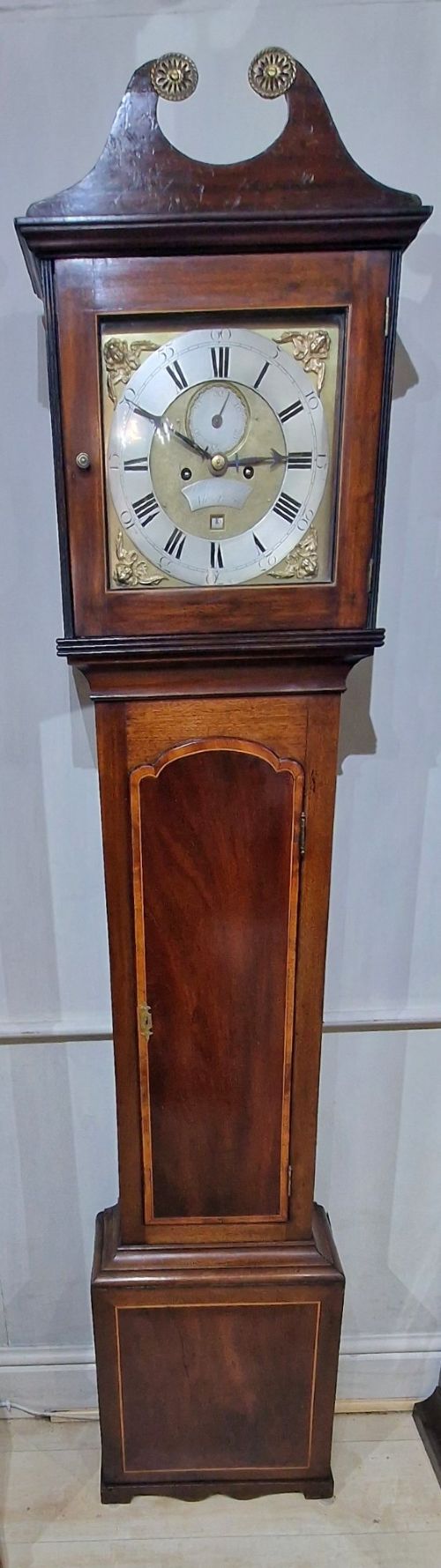
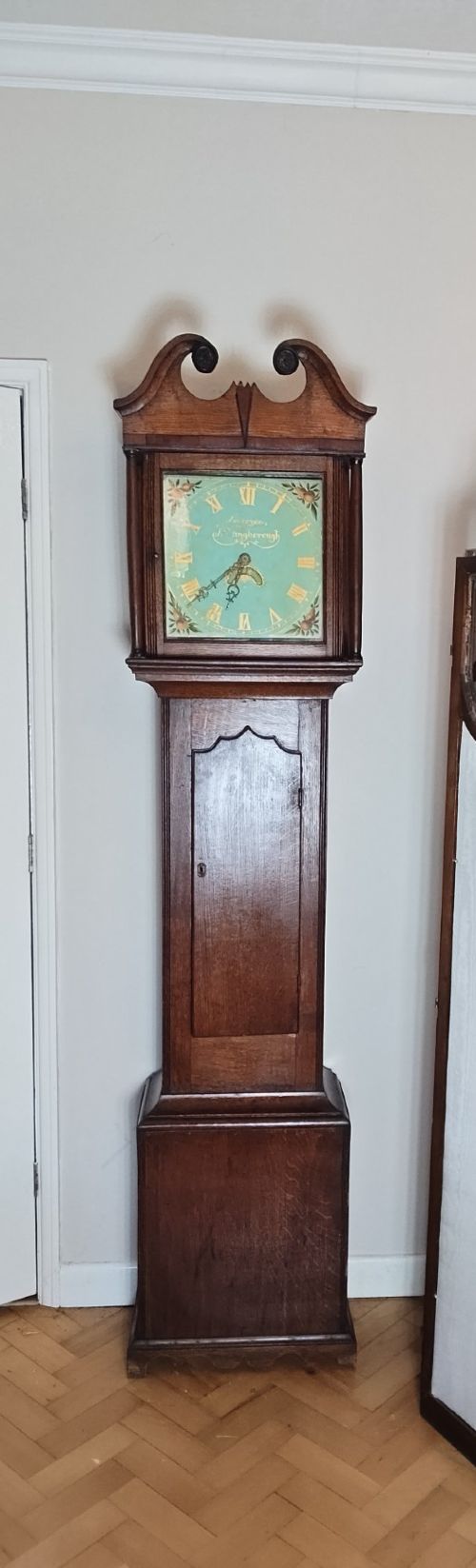
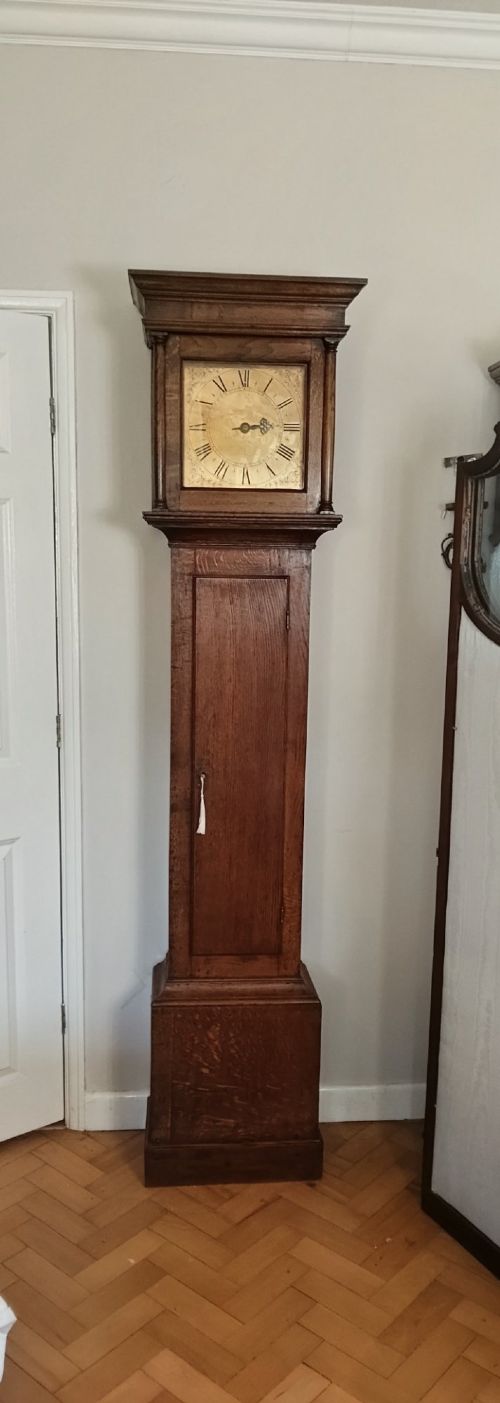
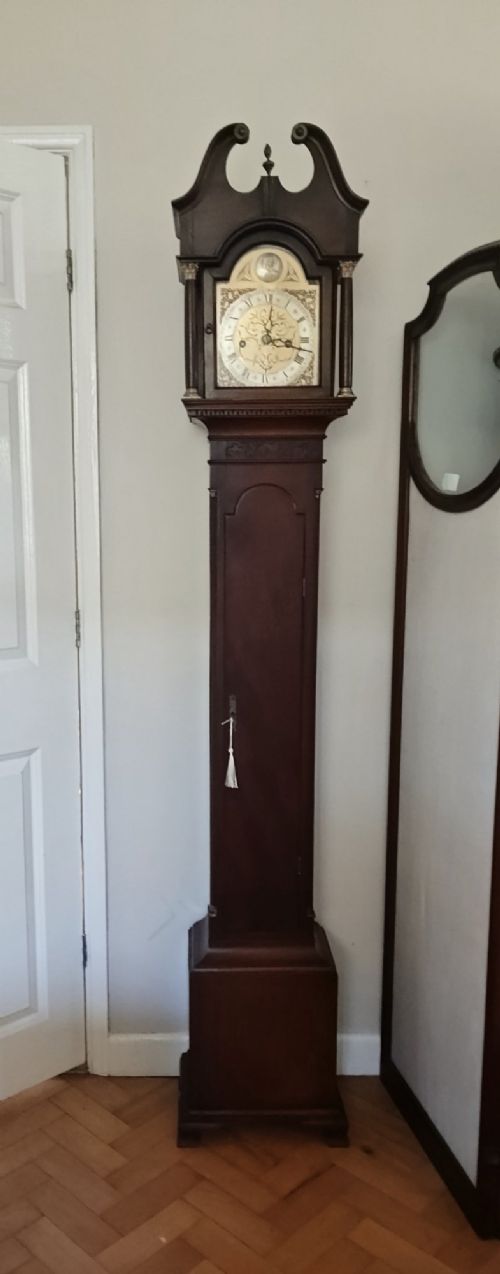
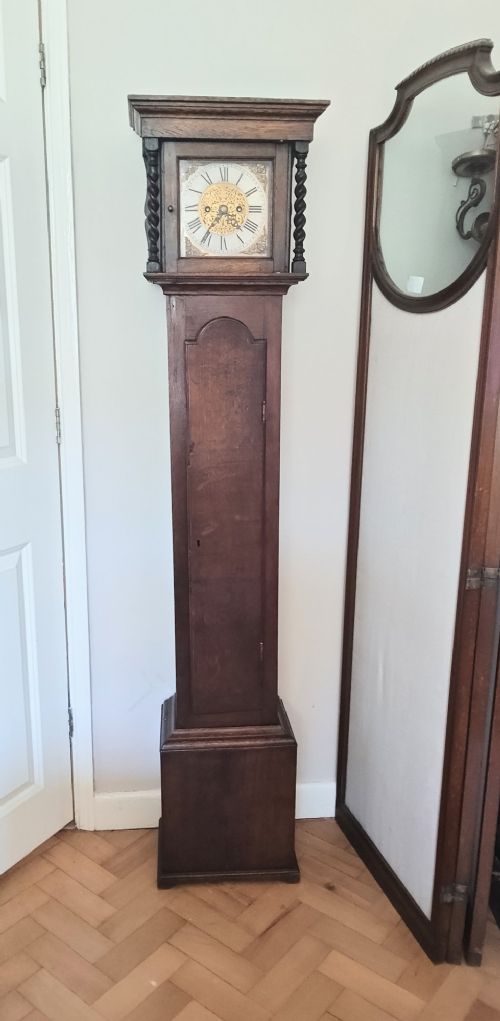
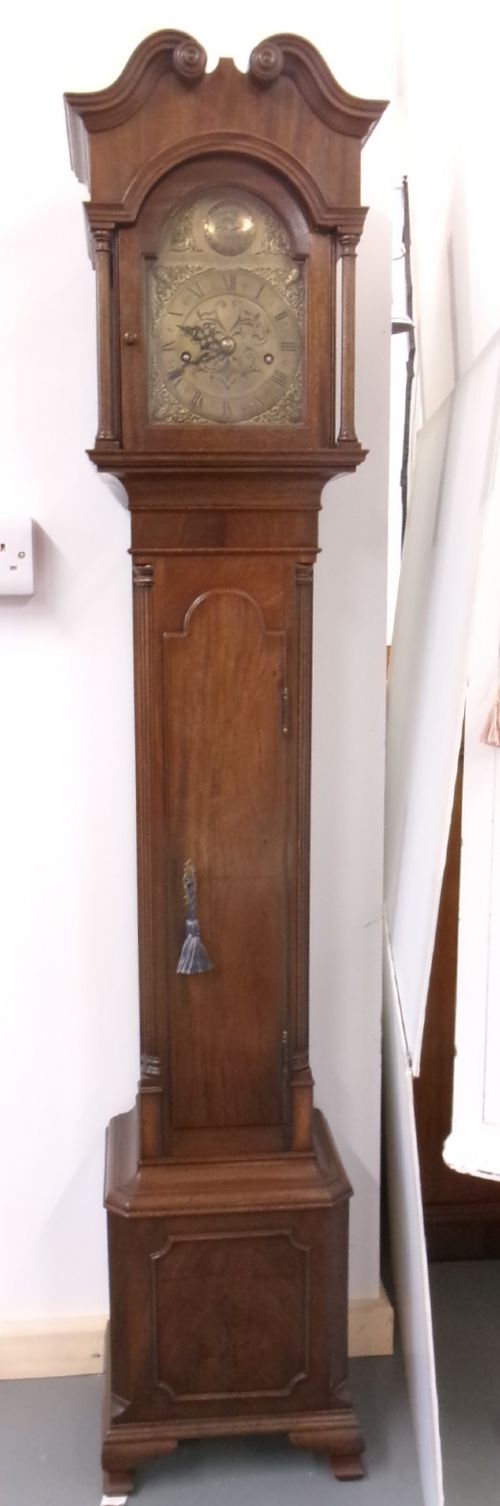
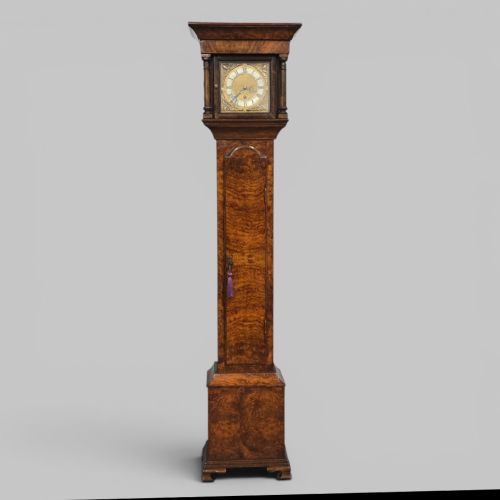
A small dial clock encompasses wall-hung timepieces, fusee wall clocks, drop-dial models and miniature variants designed for domestic interiors across the Georgian, Victorian and Edwardian eras. Buyers exploring this category encounter wooden-cased wall dials, mantel clocks and slender grandfather or grandmother longcase clocks scaled down for smaller rooms.
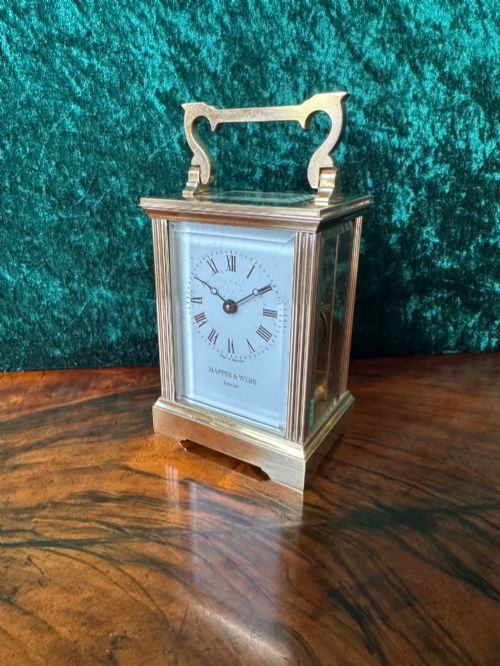
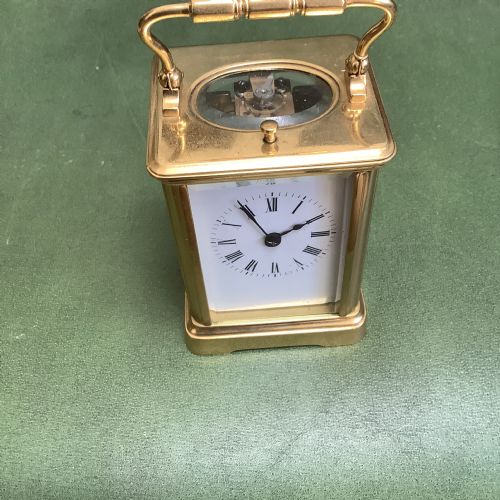
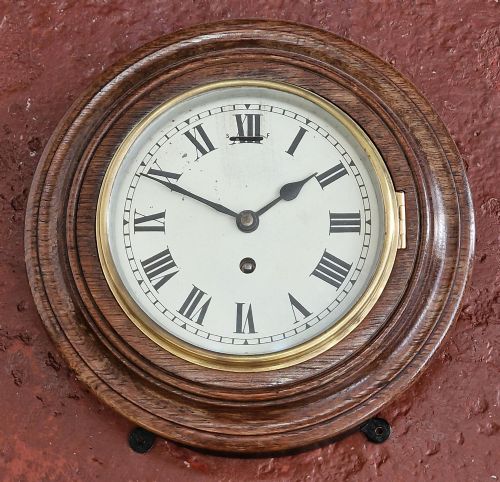
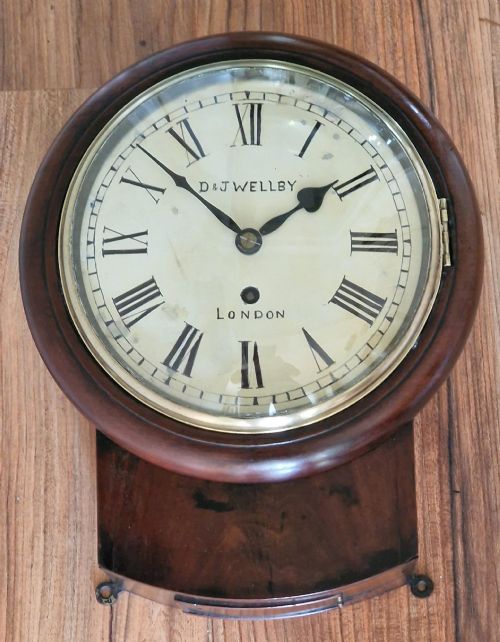
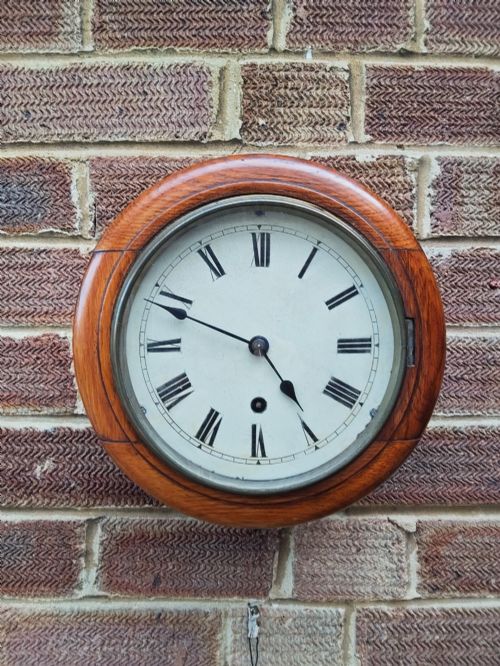
The wall-mounted dial clocks typically feature circular wooden or painted faces housed in mahogany or oak surrounds, while table and mantel variations include brass carriage clocks and four-glass timepiece designs. Longcase versions present slim proportions, often standing under standard ceiling heights while retaining traditional weights and pendulum mechanisms.
Materials and construction
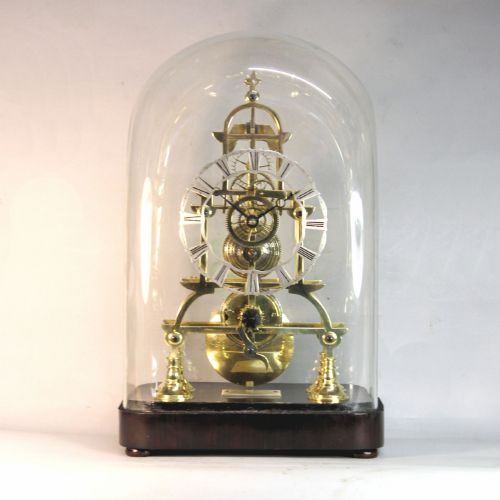
Cases utilise solid timbers such as mahogany, oak, walnut and ebonised wood, frequently paired with brass bezels, glass viewing panels and hand-painted or enamelled dials. Fusee movements rely on chains or gut lines driven by a conical pulley to equalise the force of the mainspring as it unwinds.
Gilt brass and bronze feature extensively in miniature carriage clocks and French mantel pieces, while longcases combine timber trunk construction with brass and silvered dials. Dial construction ranges from bowed wood and painted metal to intricate engraved brass plates.
Listings feature timbers such as oak, mahogany, walnut and ebonised wood alongside brass and glass across Georgian, Victorian and Edwardian periods.
Determinants of quality
Quality rests upon the refinement of the movement, the integrity of the timber case and the clarity of the dial work. Finer examples display signed movements by established makers, crisp engraving on brass dials and robust fusee mechanisms rather than standard spring drives.
Cabinetwork differentiates standard production from superior pieces, seen in the selection of burr walnut, flame mahogany, clean joinery and well-preserved original glass. The legibility and artistry of painted or silvered dials further elevate the standing of an individual clock.
Mappin and Web·D&J Wellby·Richard Winter·Tiffany·Nathaniel Pyne·Payne & Co·Perigal·E Sermon of Torquay·Camerer Kuss·George Pearce·Thomas Field·Partington·George Buckmaster·Turner·Kelsey·Joyce·H Williamson Ltd·Gabriel·Hettich & Sons
The Small Dial Clock Glossary
- Fusee
- A conical pulley used in spring-driven clocks to equalise the decreasing power of the mainspring as it unwinds. This mechanism helps maintain consistent timekeeping throughout the running cycle.
- Drop-dial
- A wall clock featuring a standard circular dial mounted above an extended wooden box or trunk that encloses the pendulum. The lower case often terminates in a chisel bottom or rounded base.
- Grandmother clock
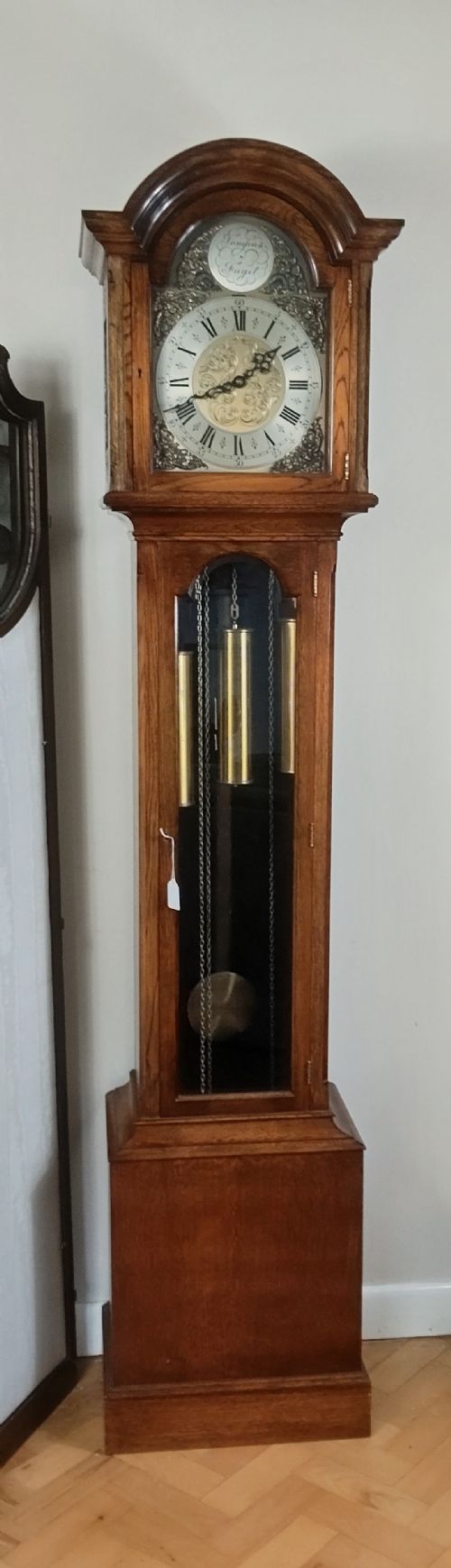
- A smaller, slender version of the traditional longcase or grandfather clock, usually standing under standard heights. These clocks became popular during the Edwardian period and early twentieth century.
- Timepiece
- A clock that indicates the time without possessing a striking or chiming mechanism. These movements focus solely on tracking hours and minutes.
- Silvered dial
- A metal clock face treated with a silver compound to produce a frosted, reflective surface. Numbers and markings are typically engraved and filled with black wax for contrast.
Small Dial Clock: Frequently Asked Questions
What is a fusee movement?
A fusee movement uses a conical pulley and a cord or chain to regulate the pull of the mainspring. This clever engineering ensures the clock receives even power as the spring unwinds.
Clocks with fusee movements are prized by collectors for their superior timekeeping accuracy and traditional British craftsmanship.
Where should I hang a wall dial clock?
Wall dial clocks suit hallways, kitchens and studies where clear visibility and traditional aesthetics are desired. They require a sturdy wall fix to support the weight of the timber case and pendulum.
Ensure the clock is mounted away from direct heat sources and excessive moisture to protect the wooden case and delicate internal brass components.
How do I wind an antique clock?
Winding involves using a matching key inserted into the winding holes on the dial face. Turn the key gently until you feel resistance, taking care not to overwind the mainspring.
Consult the specific requirements of your movement, as eight-day clocks need weekly attention while timepiece models vary according to their gear train.
What distinguishes a grandmother clock from a grandfather clock?
Grandmother clocks feature significantly shorter and more slender proportions than traditional grandfather or longcase clocks. They were often produced during the Edwardian period and early twentieth century to fit smaller domestic spaces.
Despite their reduced height, they frequently house fully functional weight-driven or spring-driven movements with chiming capabilities.