

Walnut Cabinet with Drawers
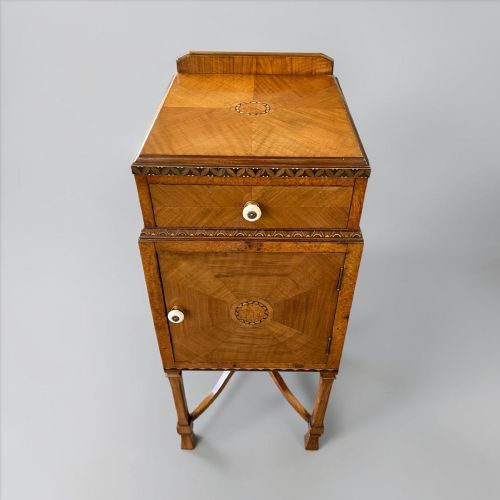
When you search for a walnut cabinet with drawers, you are looking for timber furniture combining storage with a writing surface or display.
Walnut Cabinet with Drawers
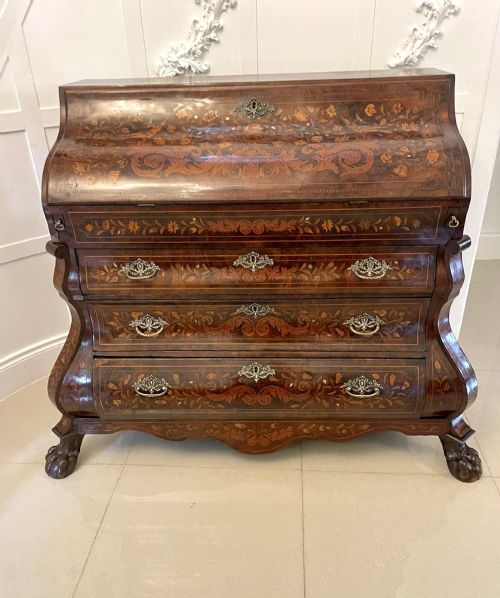
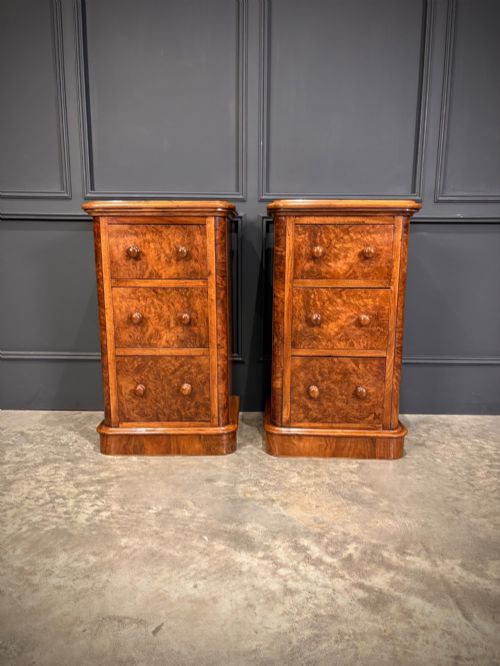
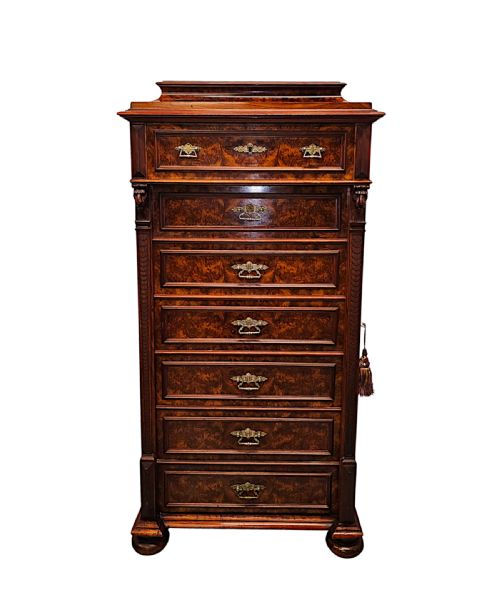
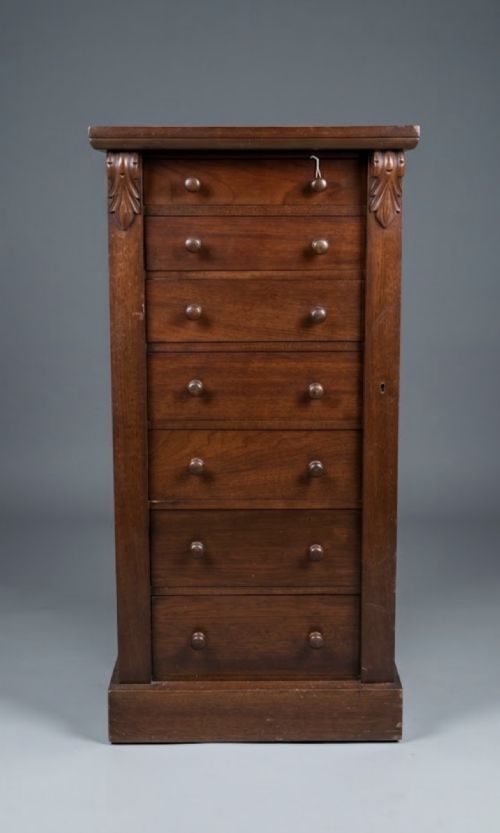
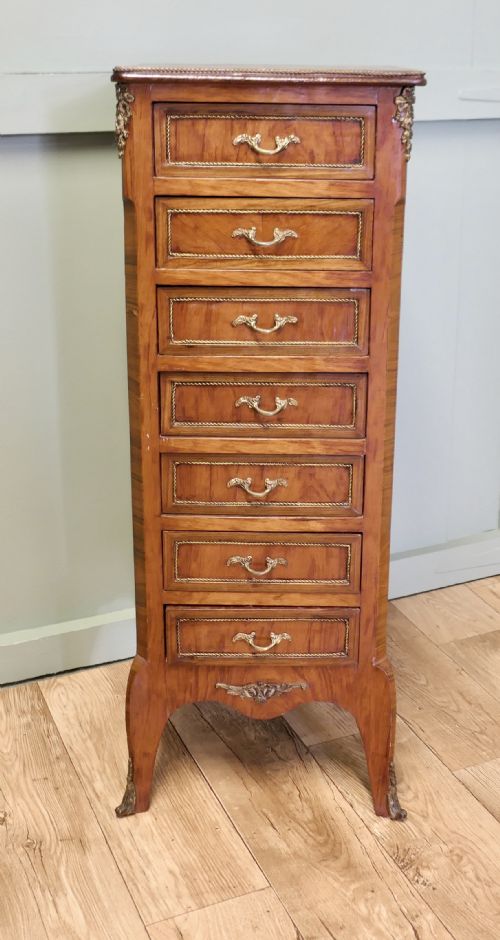
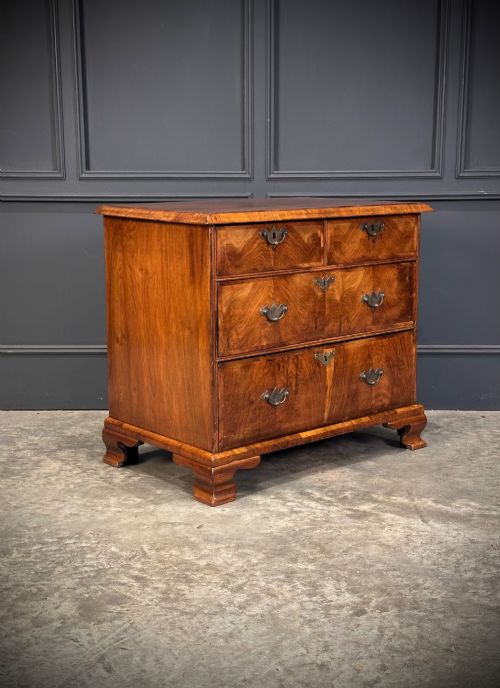
A walnut cabinet with drawers encompasses several distinct forms across multiple centuries, ranging from early escritoires and bureaus to tallboys and bedside tables. You will frequently encounter Georgian and Victorian pieces alongside later Art Deco examples.
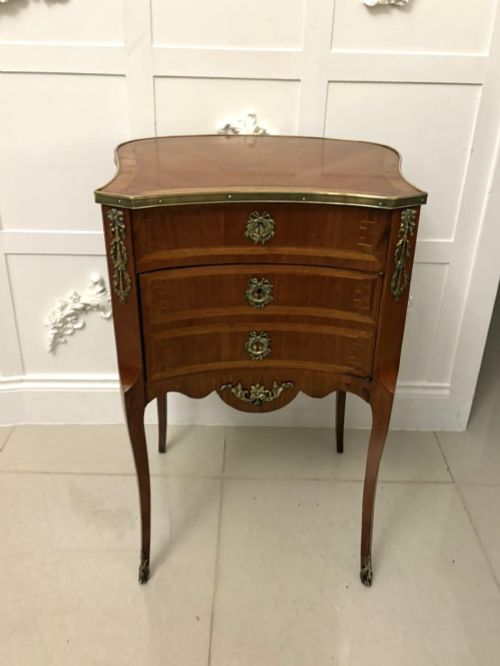
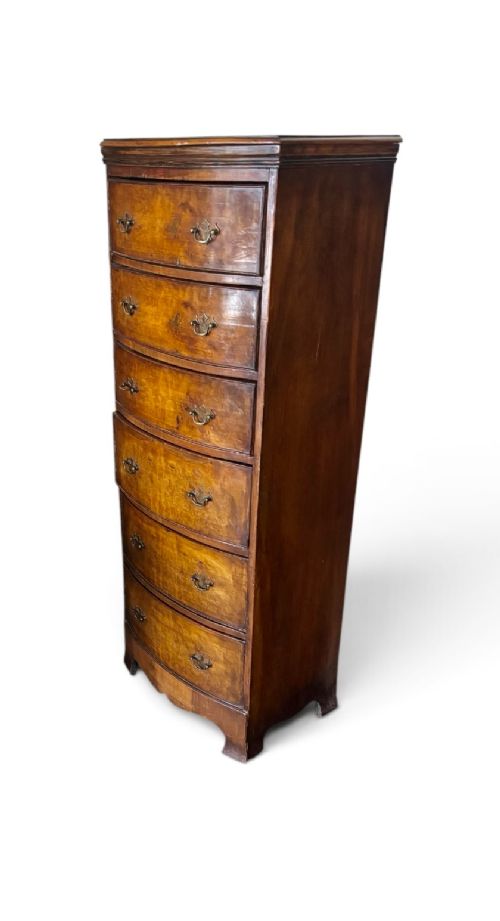
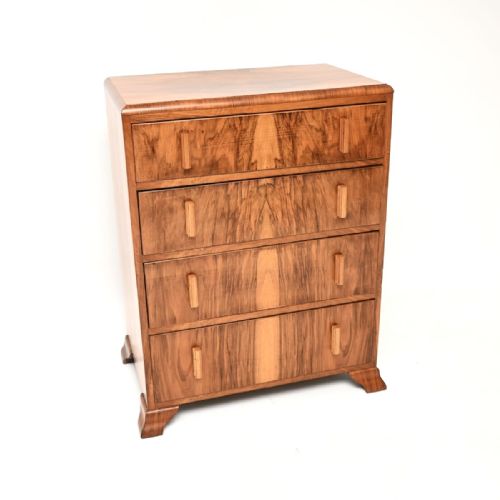
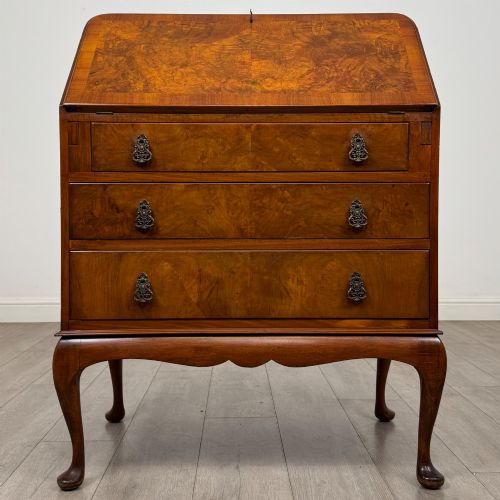
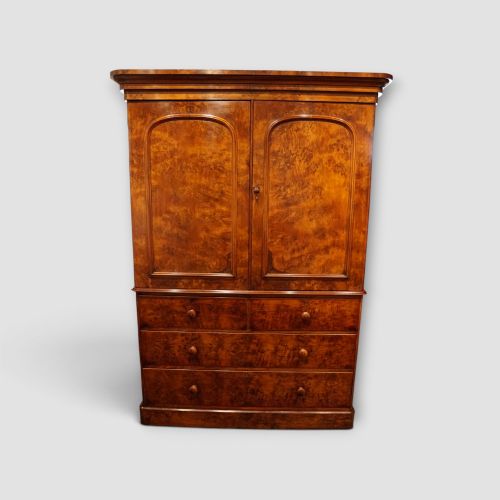
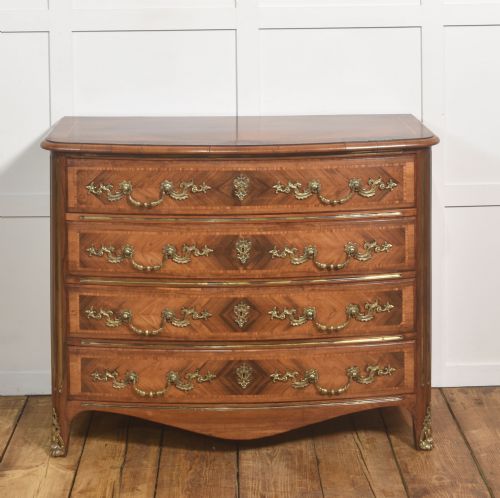
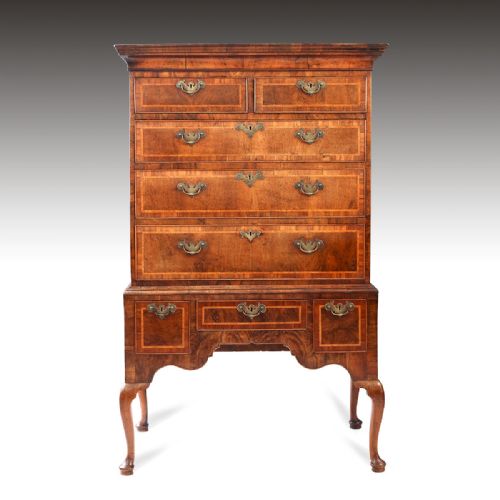
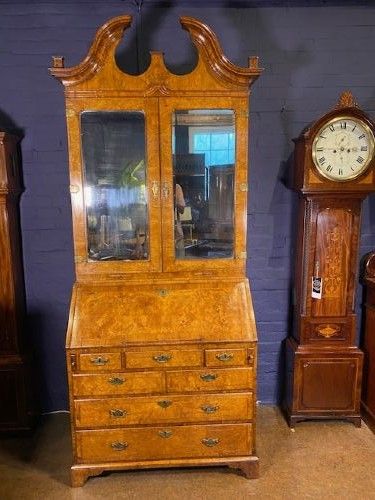
The primary forms on this page include bureaus with fitted interior drawers, tall chests on chests, and marble-topped commodes of Continental origin. Many pieces combine a cabinet section with functional lower drawers for storage.
Earlier examples from the eighteenth century focus on fitted writing compartments, while nineteenth and twentieth-century interpretations often provide compact bedside storage or display shelving.
Assessing Quality and Execution
The distinction between tiers of quality rests upon the selection of figured wood and the precision of the veneer work. Book-matched burr walnut veneers and consistent grain alignment across multiple drawers demonstrate superior craftsmanship.
Interior execution separates standard production from finer cabinet-making, visible in secondary drawer timbers like cedar, hand-cut dovetails, and sophisticated pigeonhole layouts. The crispness of line inlay and the weight of original brass hardware further indicate the standard of the piece.
Bureau interiors frequently conceal secret compartments behind sliding pigeonholes, designed for letters and valuables.
Gillow & Co·James Shoolbred & co
The Walnut Cabinet with Drawers Glossary
- Burr walnut
- A decorative timber veneer sliced from the growths or burls of walnut trees. It yields swirling, highly figured grain patterns favoured for cabinet fronts.
- Bureau
- A sloping-front writing desk that opens to reveal a fitted interior of small drawers and pigeonholes. It usually sits atop a chest of drawers.
- Escritoire
- A tall writing cabinet featuring a fall-front writing surface concealing numerous internal drawers. This form dates back to the seventeenth and eighteenth centuries.
- Commode
- A low French chest of drawers or cabinet with doors, often topped with marble. These pieces frequently feature marquetry or inlaid veneers.
- Lowboy
- A small side table with drawers, raised on tall legs, dating predominantly from the eighteenth century. They serve as compact writing or dressing tables.
Walnut Cabinet with Drawers: Frequently Asked Questions
How do I date a walnut cabinet?
Dating relies on observing construction methods, timber choices, and hardware styles across the piece. Secondary woods and drawer dovetailing provide reliable clues to the period.
Earlier eighteenth-century pieces often display fine line inlay and feather banding, whereas Victorian items utilise heavier burr walnut veneers and distinct lock mechanisms.
Where should I place a bureau cabinet?
A bureau cabinet suits living rooms, studies, or hallways where its drop-front desk can fold down for writing. Ensure adequate clearance around the piece for the fall-front flap.
Keep wooden furniture away from direct sunlight and heat sources to prevent the walnut veneer from drying out or splitting over time.
How do I clean walnut furniture?
Dust the timber regularly with a soft, dry cloth along the grain. Avoid silicone-based polishes that build up and attract dust on antique surfaces.
Feed the walnut timber occasionally with an appropriate wax to preserve the moisture and depth of the grain without creating a greasy film.
What is the difference between a bureau and a commode?
A bureau incorporates a sloping writing flap that opens to reveal internal compartments and small drawers. It is designed primarily for correspondence and desk work.
A commode functions strictly as a chest of drawers or a low cabinet, often finished with a marble top. These pieces originated in France and focus entirely on storage.