
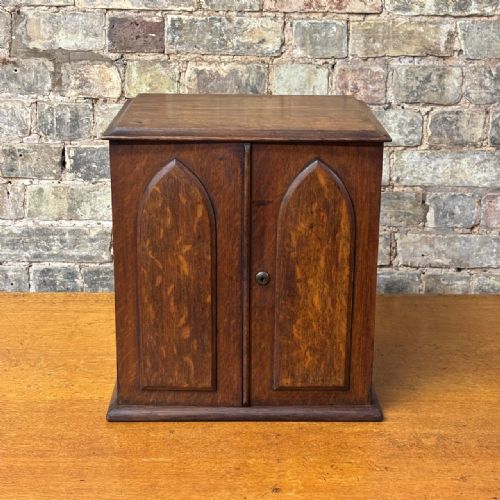
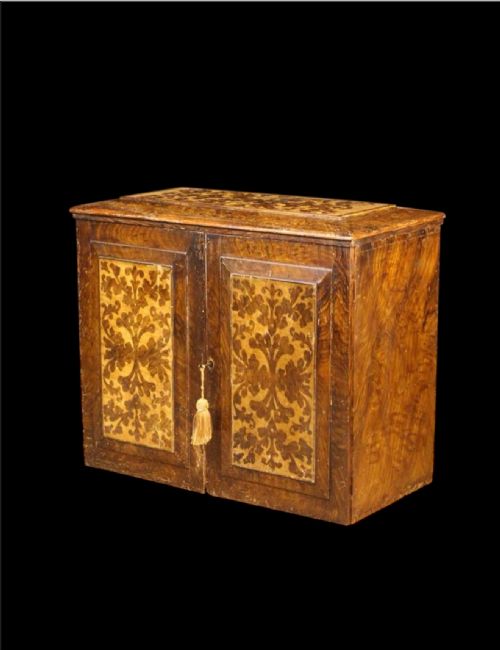


Victorian Tabletop Cupboard
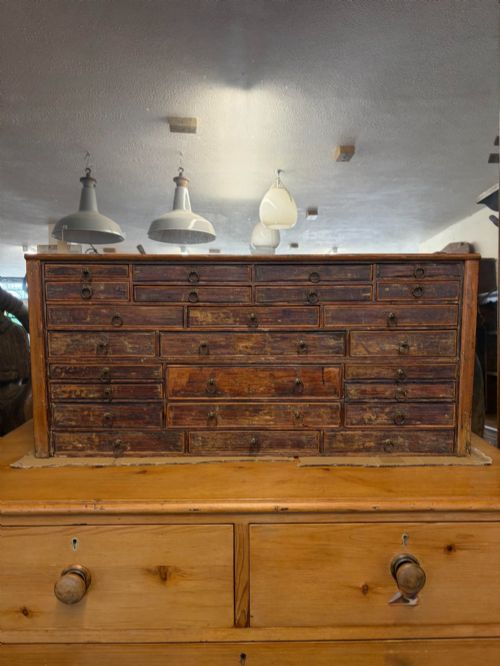
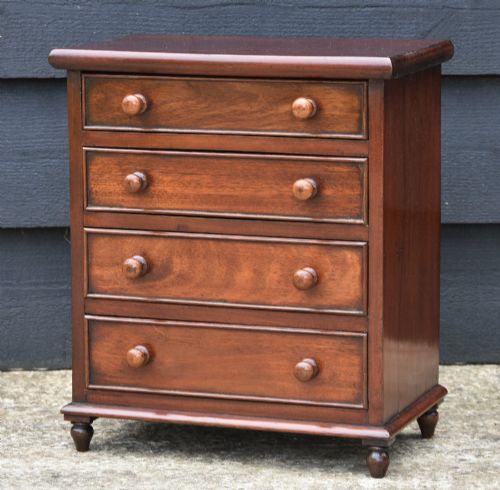
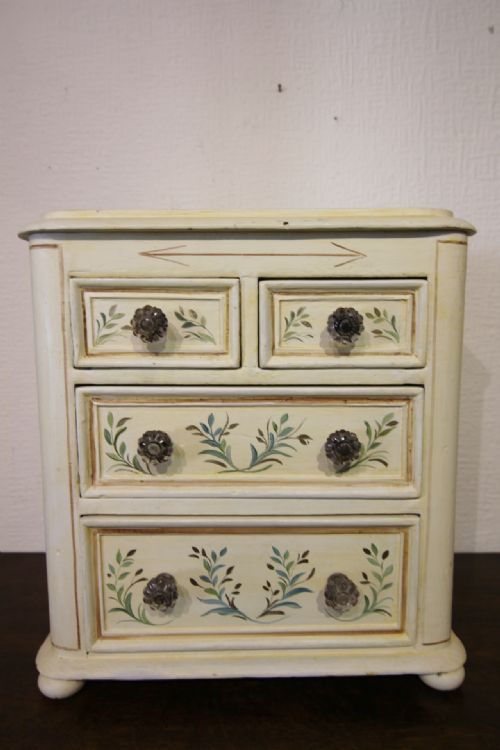
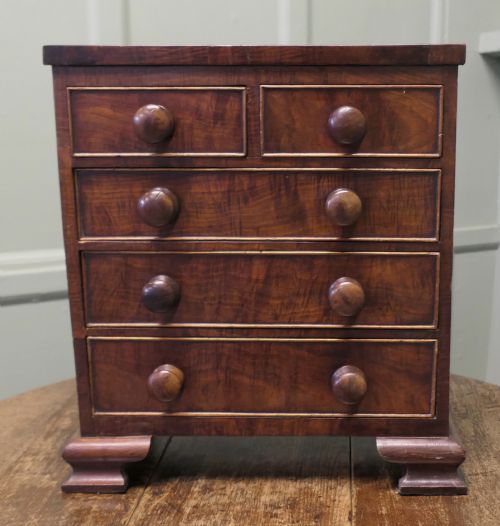
A victorian tabletop cupboard offers compact storage for small treasures, combining miniature scale with the robust construction of full-sized furniture.
Victorian Tabletop Cupboard
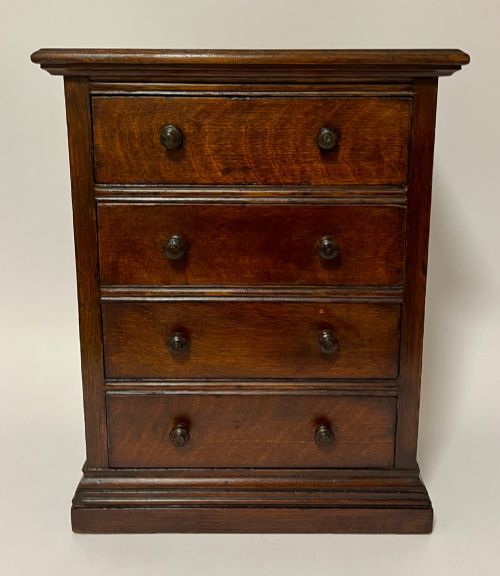
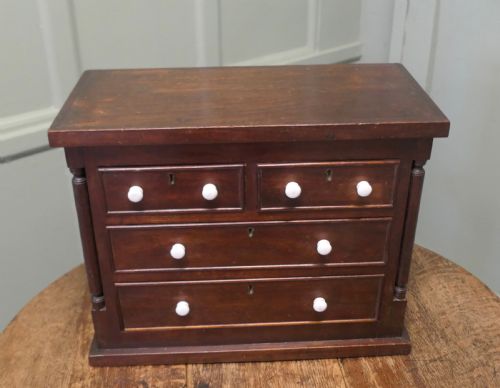
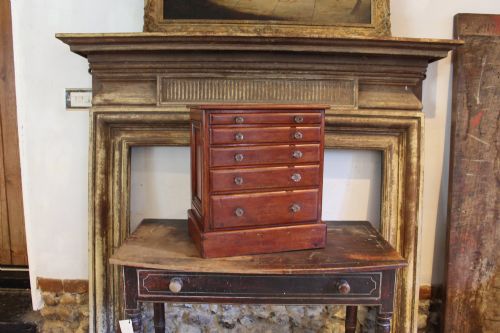
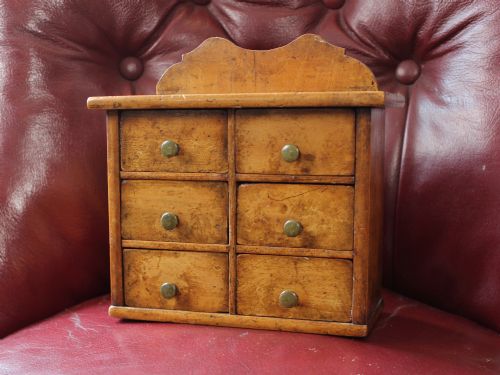
When you search for a victorian tabletop cupboard, you encounter a diverse selection of miniature furniture, collectors' cabinets, and spice drawers designed for desktop use. These pieces mirror the architectural styles and proportions of larger furnishings scaled down for specific domestic or professional tasks.
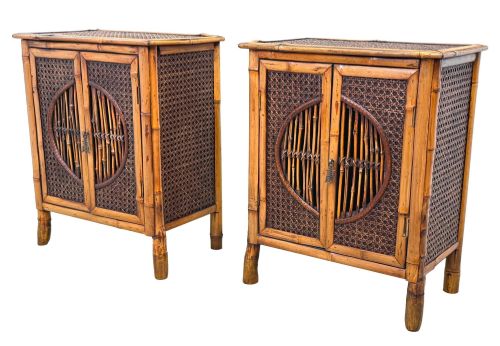
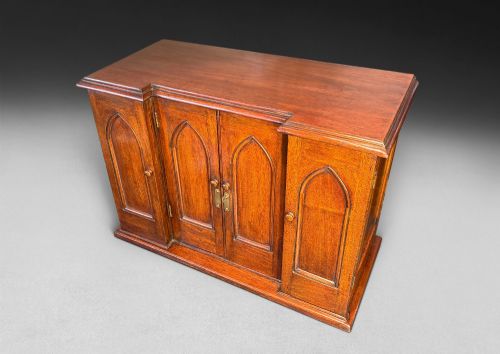
Materials vary widely across the selection, ranging from dense hardwoods like mahogany and oak to decorative veneers such as burr walnut and satinwood. Regional and stylistic influences stretch from Gothic Revival panels to Aesthetic bamboo designs and Anglo-Indian linen presses.
Materials and construction
Cabinet makers utilised durable timbers like mahogany, oak, and walnut to build the primary carcass and drawer structures. These woods provided the necessary stability for intricate joinery and repeated daily use on a tabletop.
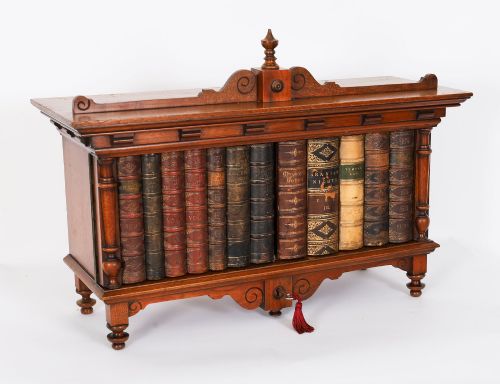
Decorative surfaces frequently featured contrasting veneers such as burr walnut, satinwood, and kingwood, occasionally enhanced with mother-of-pearl inlay or brass hardware. Carved details and panel doors reflected prevailing aesthetic movements including Gothic Revival and Victorian Country styles.
Some miniature chests hide secret drawers behind false bottoms, offering miniature hiding spots for very small secrets.
Evaluating quality and craftsmanship
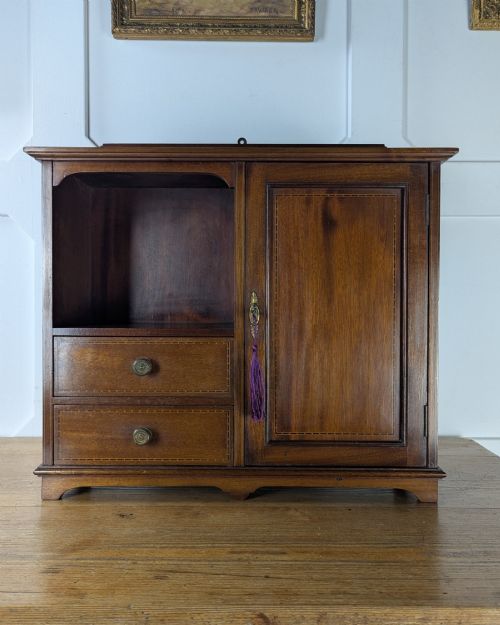
The distinction between ordinary and superior pieces rests on the precision of the joinery and the selection of timber veneers. Finer examples display careful attention to drawer linings, secret compartments, and original brass fittings that remain fully functional.
Proportion and decorative restraint set the better cabinets apart from simpler utility boxes. Pieces that retain their original polished finish and exhibit crisp carving or deliberate inlay show the hand of a skilled maker rather than hurried production.
Manoah Rhodes & Sons Ltd
The Victorian Tabletop Cupboard Glossary
- Apprentice piece
- A small-scale item demonstrating a craftsman's skill to gain master status within a guild. These miniature chests and cabinets showcase the exact construction methods used on full-sized furniture.
- Collector's cabinet
- A specialised storage unit fitted with multiple shallow drawers for housing natural history specimens, coins, or stamps. They often feature glass doors or secure locking mechanisms.
- Burl walnut
- A highly figured wood veneer taken from the growth on a walnut tree. It creates swirling, organic patterns across the surface of tabletops and drawer fronts.
- Campaign style
- Furniture designed for easy transport, typically featuring recessed brass handles and reinforced corners. Tabletops in this style prioritize practical durability and modular organisation.
- Linen press
- A tall storage cupboard originally intended for folded textiles, scaled down in miniature versions to serve as compact drawer units. They often combine upper cabinet doors with lower drawer tiers.
Victorian Tabletop Cupboard: Frequently Asked Questions
What were tabletop cupboards used for?
These miniature cabinets served various practical purposes in nineteenth-century homes and offices, from storing jewellery and writing accessories to housing small collections of natural history specimens or coins. They kept valuable or delicate items organised and secure on a desk or table.
Craftsmen also produced them as demonstration pieces to prove their woodworking capabilities to prospective employers or guilds. Their compact size made them suitable for smaller Victorian parlours where full-sized furniture would not fit.
How do I identify a Victorian piece?
Look for construction characteristics typical of the nineteenth century, such as hand-cut dovetail joints on the drawers and secondary timbers appropriate to the period like oak or pine. The presence of specific revival styles, including Gothic panels or Aesthetic movement details, helps narrow down the date.
Hardware provides another clue, as original brass locks, escutcheons, and pulls match the manufacturing techniques of the era. Examining the underside and interior surfaces often reveals the ageing and tool marks consistent with nineteenth-century hand tools.
How should I care for wood cabinets?
Keep the wood conditioned by maintaining stable humidity levels in your home and avoiding direct placement near heat sources or bright sunlight. Natural beeswax applied sparingly helps preserve the polish and protects the antique timber.
Dust the surfaces regularly with a soft, dry cloth rather than using modern chemical sprays. Handle drawers carefully to protect delicate internal runners and original stops.
Are apprentice pieces different from regular cabinets?
Apprentice pieces are miniature representations of full-sized furniture built by trainees to demonstrate mastery of complex woodworking techniques. They share the same joinery and material quality as larger items but exist on a reduced scale.
Distinguishing them from commercial miniature chests involves looking for exceptional attention to detail in areas like hidden drawers or challenging joints. Not every small cabinet is an apprentice piece, as many were simply made as luxury novelty items for domestic use.