
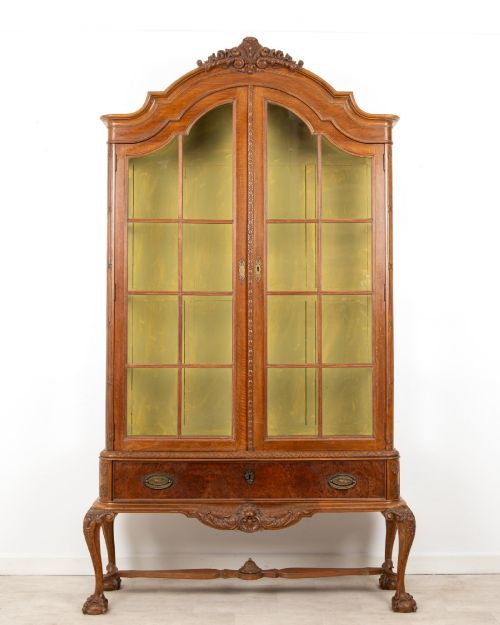
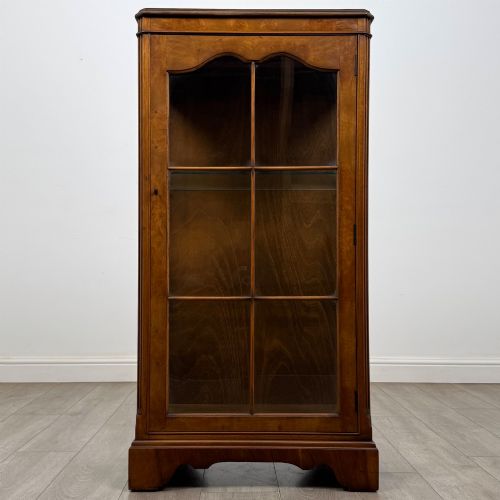


Queen Anne Glazed Bookcase
A queen anne glazed bookcase brings warmth to a room through figured timbers and tall glass doors.
Queen Anne Glazed Bookcase
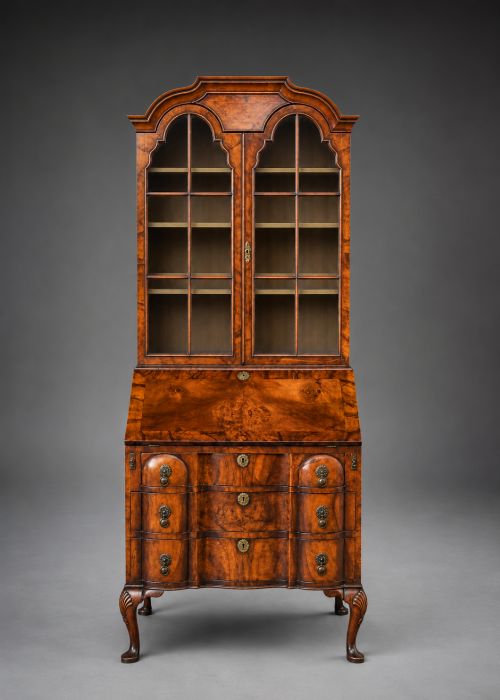
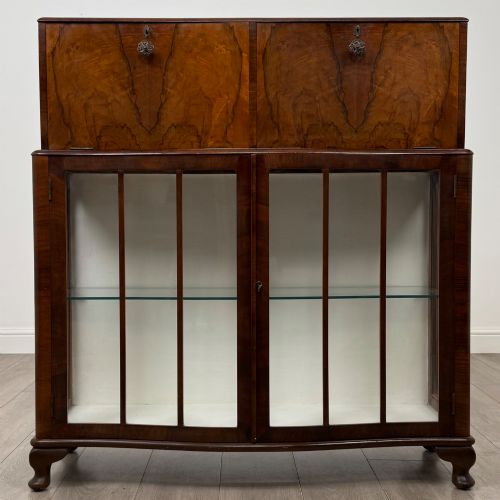
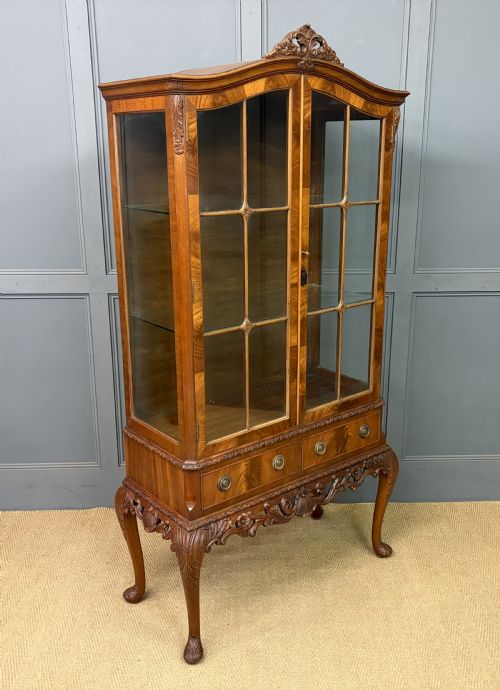
A queen anne glazed bookcase combines practical shelving with enclosed display space, predominantly appearing in revival styles alongside earlier examples from the eighteenth century. These pieces span display cabinets, bureau bookcases, and corner cupboards designed to house libraries or show precious items.
The materials recorded across these items centre on walnut and burr walnut, accompanied by mahogany and oak. Makers adopted styles ranging from Queen Anne revival and Georgian to Edwardian and Art Deco, reflecting decades of reinterpretations.
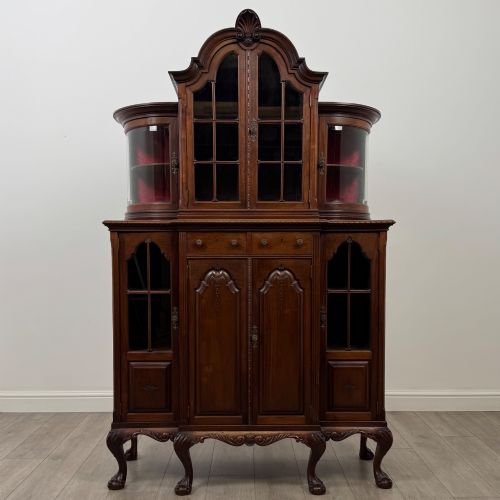
Buyers encounter diverse forms on this page, including breakfront cases, dwarf bookcases, and two-part corner display cabinets. Each variation offers specific proportions suited to different room scales while maintaining the characteristic glazed upper sections.
Materials and Construction
Cabinet makers utilised walnut, burr walnut, mahogany, and oak as primary woods, often selecting figured grains to enhance visual depth on flat surfaces and doors. Glass panels were fitted into wooden frames to protect books and collectibles from dust while maintaining visibility.
Metalwork played a functional role through brass handles, hinges, and escutcheons that complemented the dark tones of the timber. Selected examples incorporate fabric linings behind glass or internal fittings such as fitted bureau compartments.
Listings span from the 18th century through Victorian, Edwardian, and 1930s periods, executed primarily in walnut and burr walnut.
Distinctions in Quality
The refinement of a queen anne glazed bookcase depends heavily on the selection of timber veneers, where highly figured burr walnut contrasts with plain walnut surfaces. Finer examples display balanced grain matching across doors and drawer fronts.
Proportion and execution of revival styles distinguish the craftsmanship, from simpler Edwardian interpretations to detailed George I forms. Superior joinery ensures doors hang true and internal shelving accommodates heavy volumes without sagging.
Maple & Co.·Waring & Gillow·Epstein
The Queen Anne Glazed Bookcase Glossary
- Burr walnut
- A wood veneer taken from walnut tree growths, producing an intricate swirling pattern. It appears frequently on cabinet doors across Edwardian and later revival pieces.
- Bureau bookcase
- A combination form featuring a sloping fall-front desk section beneath glazed upper shelving. This dual-purpose furniture type served for writing and book storage.
- Breakfront
- A cabinet design where the central section projects forward from the flanking wings. This configuration adds architectural depth to large bookcases.
- Queen Anne revival
- A design movement popular during the late nineteenth and early twentieth centuries that reinterprets eighteenth-century furniture forms. It relies on characteristic walnut timbers and glazed display doors.
Queen Anne Glazed Bookcase: Frequently Asked Questions
How do I identify a revival piece?
Revival pieces often date from the Edwardian era or the 1920s and 1930s, using machine-sawn secondary timbers alongside traditional hand-cut joints. They emulate earlier eighteenth-century proportions while utilising contemporary construction methods of their manufacturing period.
Examination of the interior drawer linings and backboards helps distinguish twentieth-century interpretations from earlier furniture. The presence of specific hardware styles also points toward the revival eras.
Where should I place a corner bookcase?
Corner display cabinets and cupboards fit directly into room angles, making efficient use of otherwise wasted space. They work well in smaller studies or drawing rooms to house specialised collections.
Two-part corner cabinets offer additional flexibility during placement and transport. Ensure the wall angles match the cabinet back before positioning.
What is burr walnut?
Burr walnut comes from a tree growth that creates dense, swirling grain patterns filled with knots and eyes. Craftsmen slice this wood into thin veneers to cover larger panels.
Because of its decorative nature, burr walnut appears on the prominent exterior surfaces of display cabinets and bookcases. It creates a striking contrast against plain walnut borders.
How are bureau bookcases used?
A bureau bookcase combines a drop-down writing surface with upper shelving enclosed by glass doors. The fall-front opens to reveal small pigeonholes and drawers for correspondence.
This format allows owners to write letters and store books within a single piece of furniture. The upper glazing keeps volumes visible yet protected.