
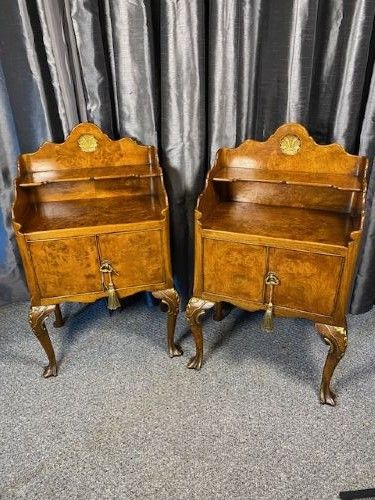
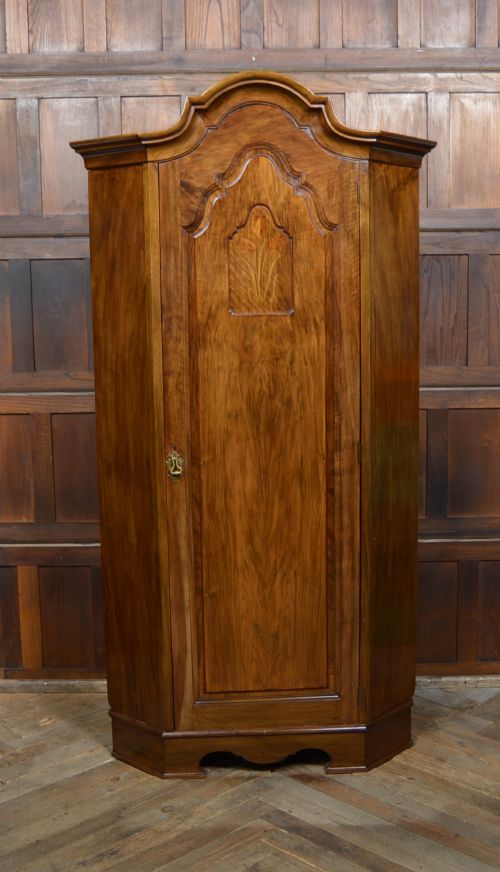
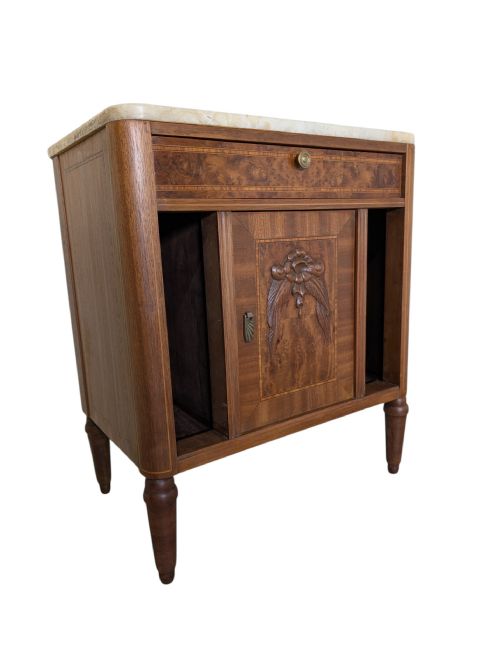
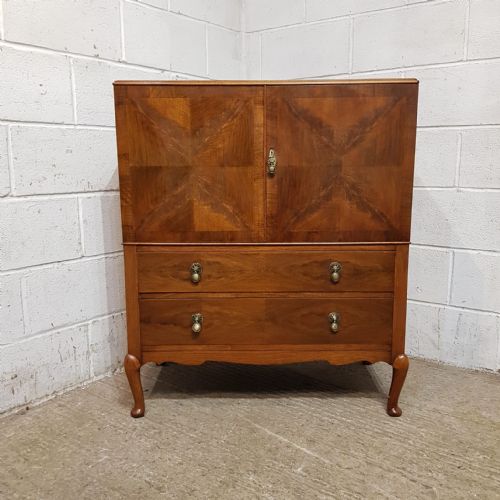
Walnut Bedroom Cabinet
When you search for a walnut bedroom cabinet, you encounter everything from compact bedside pieces to large wardrobes spanning multiple eras.

Walnut Bedroom Cabinet
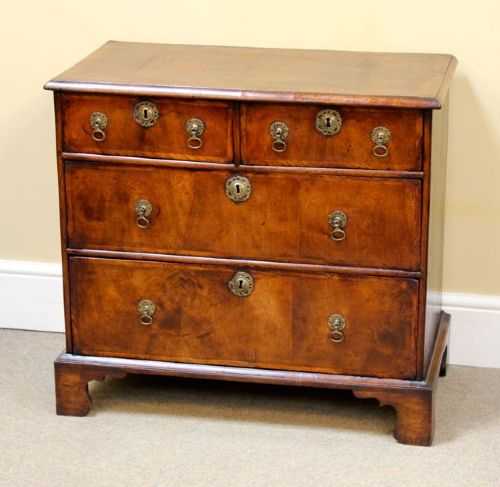
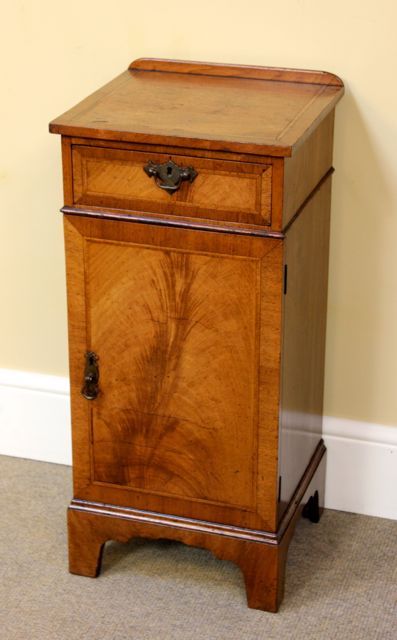
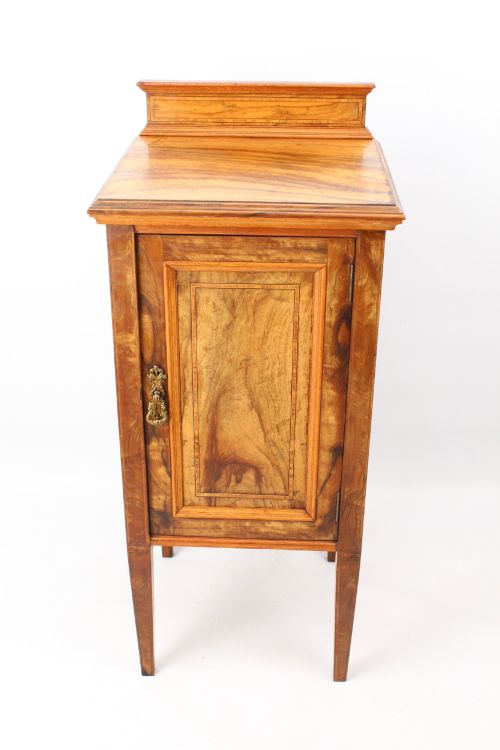
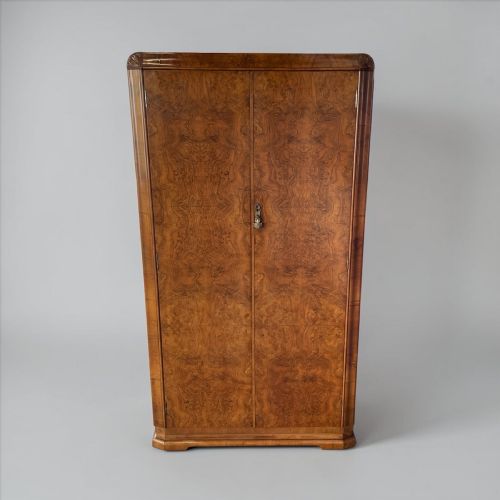
A walnut bedroom cabinet encompasses diverse sleeping-chamber storage forms, including bedside tables, chests of drawers, tallboys, linen presses and full wardrobes. These pieces appear across various historical periods, notably the eighteenth, nineteenth and early twentieth centuries, reflecting changing domestic requirements for garment and personal storage.
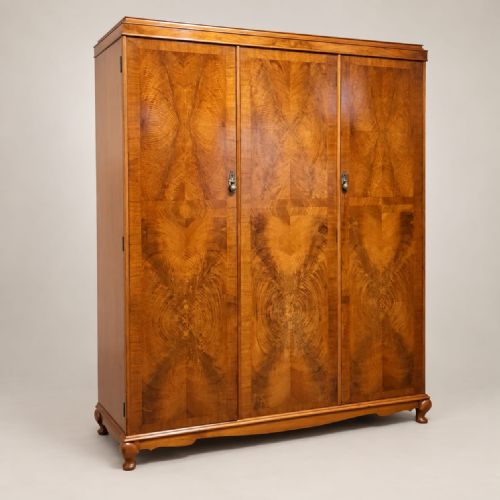
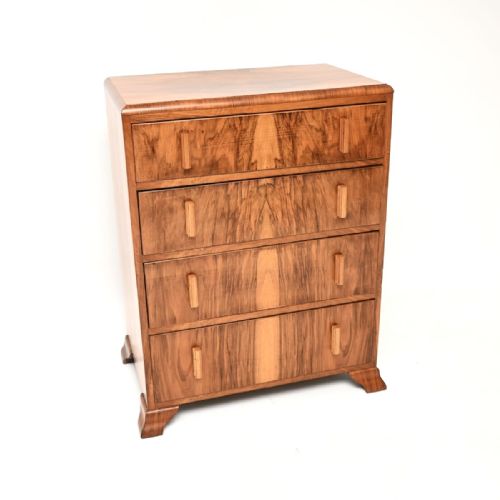
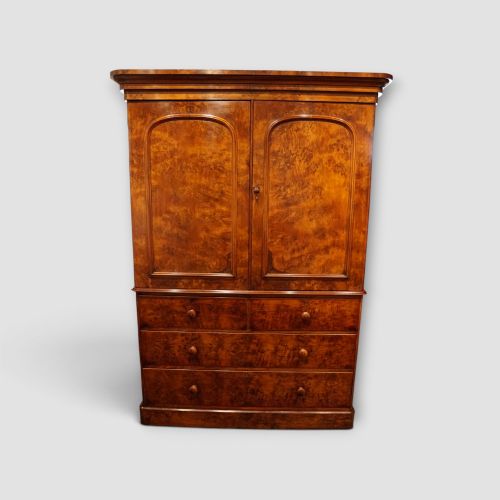
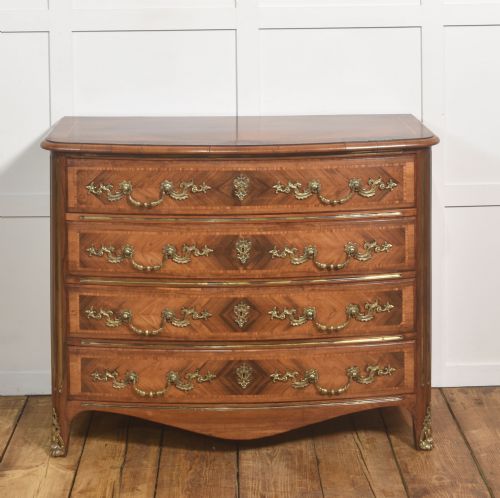
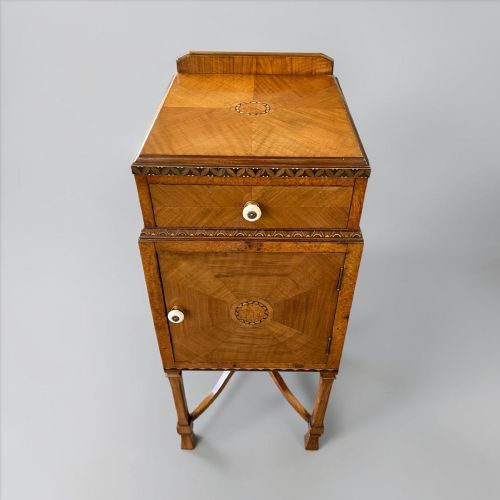
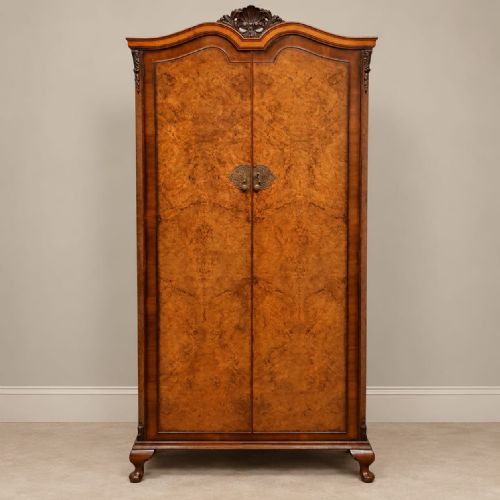
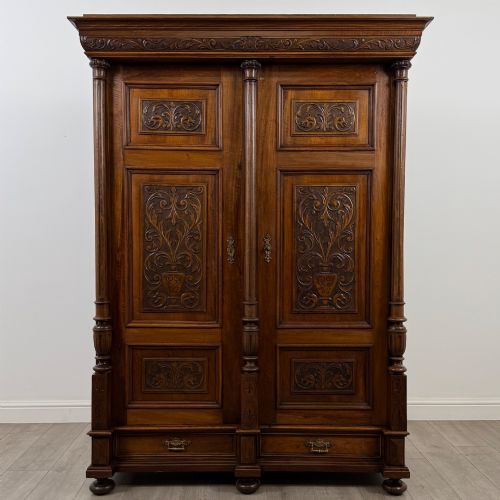
The versions most frequently met on this page range from compact Art Deco bedside cabinets and tables to larger Victorian and Edwardian wardrobes and chests. Many utilise burr walnut veneers or solid timber, often displaying distinct stylistic revivals such as Queen Anne, Georgian and Louis XV influences.
Buyers select these items to bring functional storage and rich timber grain into a bedroom scheme. The sheer variety of forms allows a collector to find everything from a small bedside cupboard to a fitted triple wardrobe.
How they were made
Cabinet makers utilised solid walnut alongside burr walnut veneer to create richly patterned surfaces on these bedroom pieces. Carpenters applied these figured veneers over secondary timbers to showcase the natural swirls and knots of the grain.
Hardware such as brass handles and hinges complemented the dark timber, while occasional pieces incorporated marble tops or Bakelite details. Construction methods varied from eighteenth-century dovetailed drawer boxes to twentieth-century fitted wardrobe frames.
Walnut Bedroom Cabinet Retail Price Guide 2026
Typical asking prices for walnut bedroom cabinet among the pieces listed under this phrase on Sellingantiques today, from the lower quarter to the upper quarter. They describe what is for sale here now, not the wider market.
Listings feature walnut bedroom cabinets spanning from the eighteenth century through the Victorian and Edwardian eras into Art Deco designs.
What varies in quality
Quality rests primarily on the choice of timber figure, particularly the selection and matching of burr walnut veneers across drawer fronts and cabinet doors. Skilled cabinet makers arranged these grain patterns symmetrically to create pleasing visual harmony.
Construction integrity separates standard production from finer examples, evident in the snugness of drawer joints, the weight of the brass hardware and the overall stability of the carcase. Well-executed revival styles demonstrate careful adherence to historical proportions.
Maple & Co·Gillows·Waring & Gillows·Walter Carter Harrods
The Walnut Bedroom Cabinet Glossary
- Burr walnut
- A specialised wood cut from the abnormal growth of a walnut tree, producing highly intricate and swirling grain patterns. Cabinet makers prized this timber for creating decorative veneer panels on prominent surfaces.
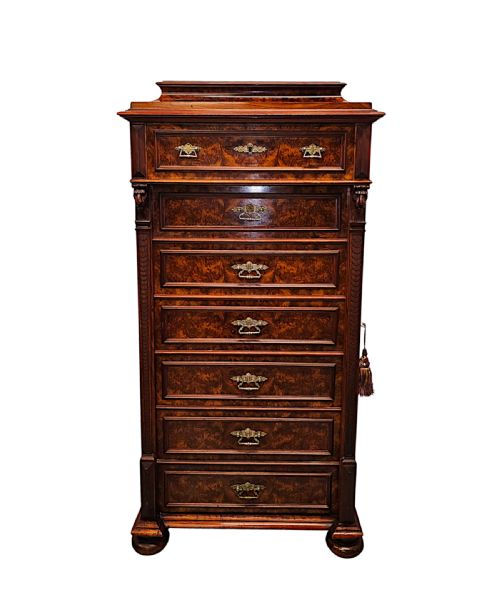
- Wellington chest
- A tall, narrow chest of drawers secured by a locking hinged side stile that fastens over the drawer edges. This form originated in the nineteenth century and provided secure storage for small valuables.
- Linen press
- A tall storage piece featuring upper cabinet doors enclosing sliding trays or shelves, above a lower section of drawers. Originally designed for storing household linens before the widespread use of fitted wardrobes.
- Serpentine
- A furniture front or surface curved in a continuous wave, convex at the centre and concave at the sides. This shape required advanced woodworking skill to achieve fluid lines in solid timber or veneer.
Walnut Bedroom Cabinet: Frequently Asked Questions
How do I date a walnut bedside cabinet?
Dating relies on observing construction methods, timber thickness and stylistic cues such as Art Deco geometric lines or Victorian mouldings. Secondary woods inside the drawers also offer clues to the period of manufacture.
Examining the hardware, hinges and backboards helps confirm whether a piece belongs to the eighteenth, nineteenth or twentieth century.
How do I care for antique walnut furniture?
Maintaining walnut furniture involves keeping pieces away from direct sunlight and sudden temperature shifts to prevent timber splitting or veneer lifting. Regular dusting with a soft, dry cloth preserves the finish.
Occasional application of appropriate wax polish nourishes the wood and maintains a subtle sheen without building up heavy residue.
Are Art Deco walnut cabinets common?
Art Deco walnut cabinets appear frequently in twentieth-century listings, often featuring streamlined shapes and figured veneers. These pieces reflect the modern design sensibilities of the interwar period.
They often match matching wardrobes, dressing tables and bedside chests as part of larger bedroom suites.