

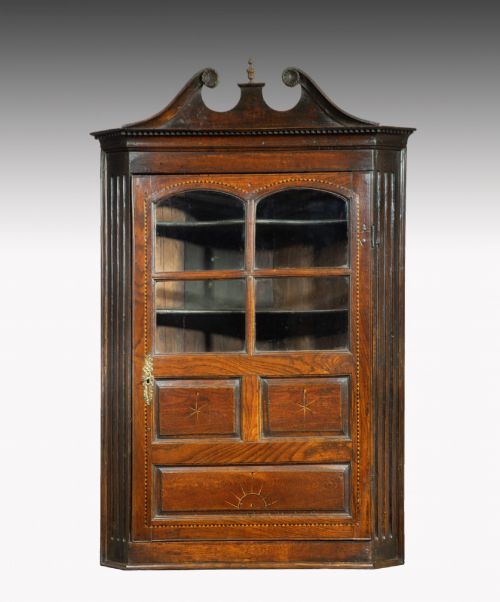
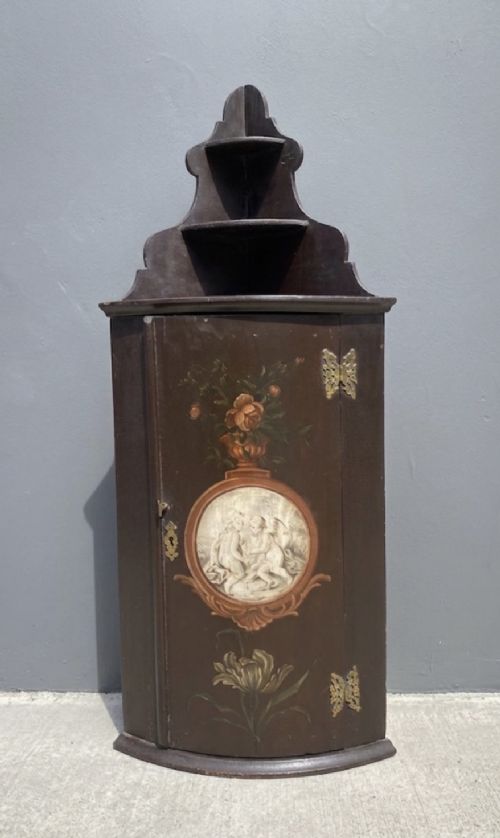

Wall Hanging Display Cabinet
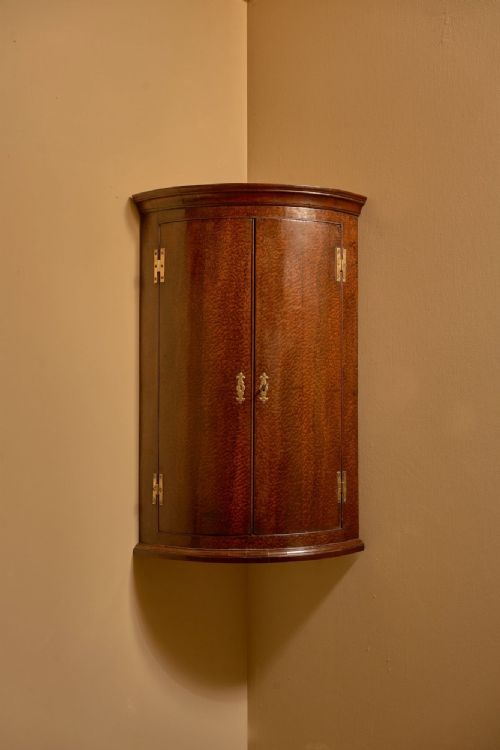
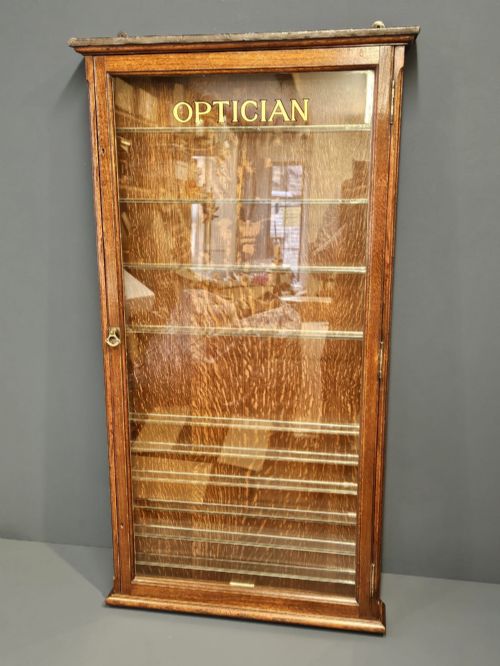
When you search for a wall hanging display cabinet, you are looking at timber frames designed to mount securely and exhibit small treasures.
Wall Hanging Display Cabinet
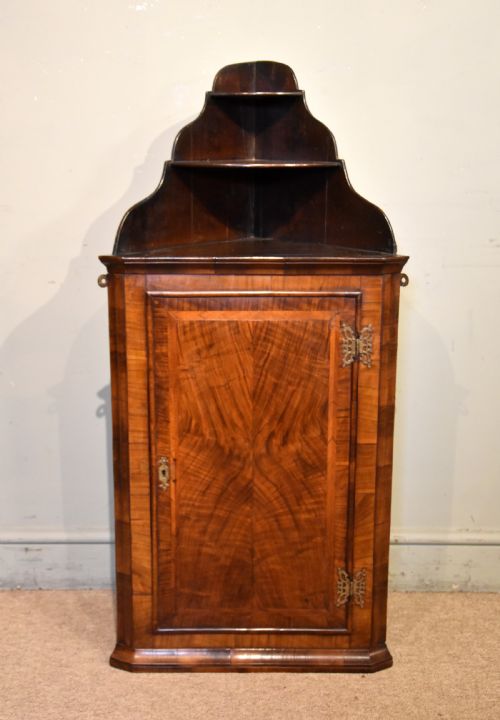
A wall hanging display cabinet brings together timber cabinetry and wall mounting, saving floor space while raising precious objects to eye level. When searching for a wall hanging display cabinet, buyers encounter corner cabinets, flat wall cupboards, and open shelves.
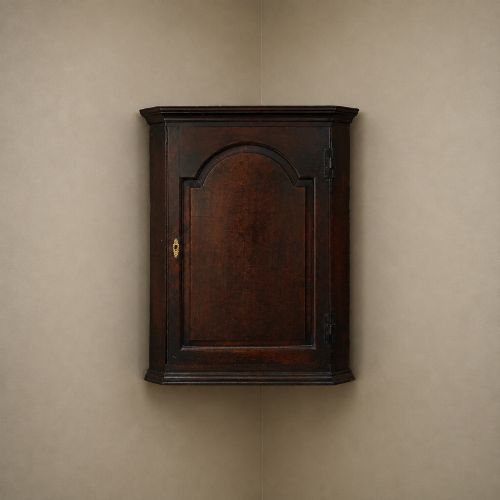
The material record spans the eighteenth century through the Edwardian era, featuring Georgian oak and mahogany, Victorian walnut and rosewood, and lighter Edwardian satinwood and pine. Many examples utilise corner placements to utilise empty room angles.
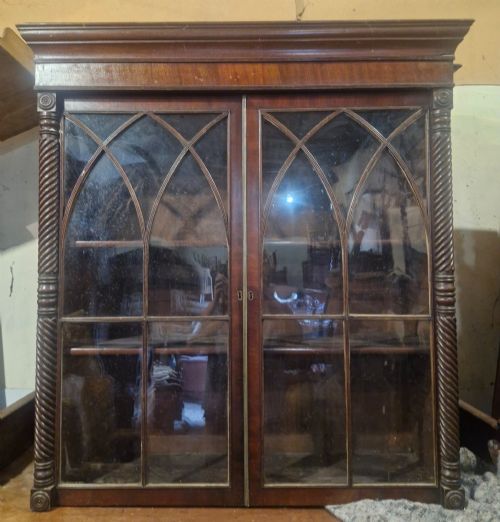
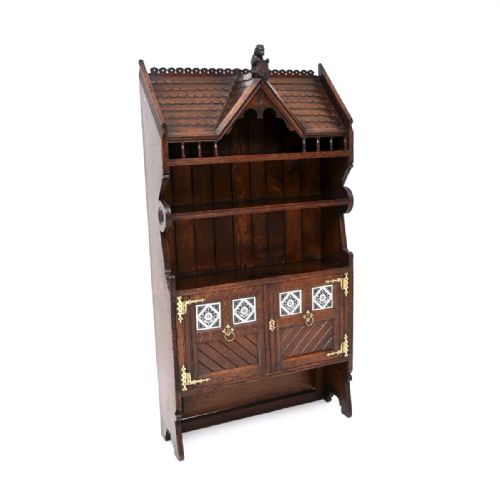
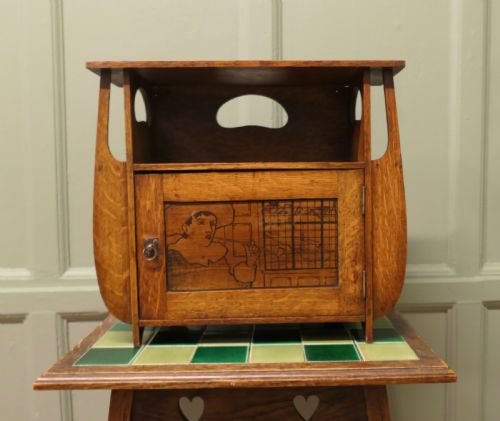
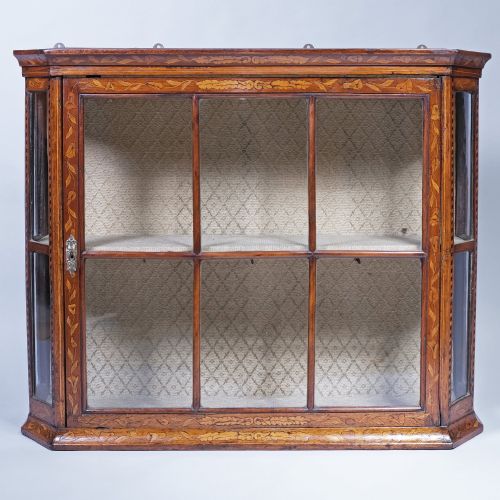
Makers and workshops across Britain and continental Europe produced these pieces in styles ranging from plain Georgian utility to Gothic Revival, Aesthetic Movement, and Arts and Crafts. Glazed doors protect contents from dust while allowing full visibility of the interior.
Materials and construction
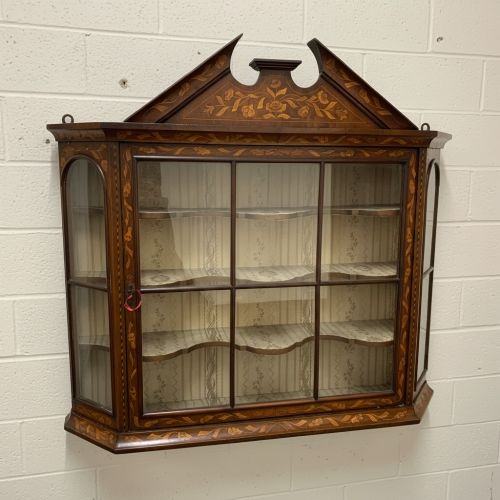
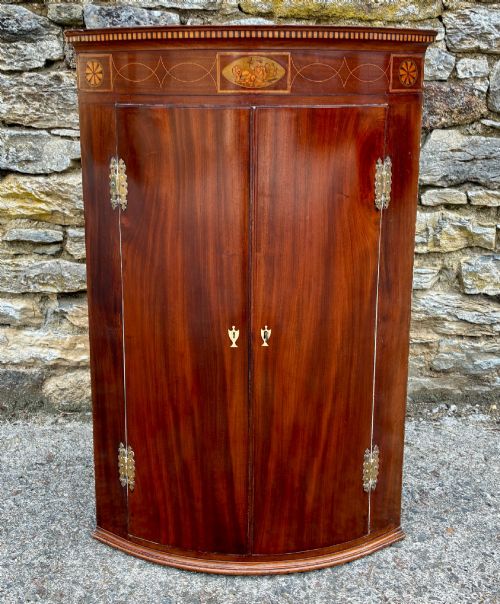
Cabinet makers built these pieces using native and exotic timbers such as oak, mahogany, walnut, and rosewood, frequently employing crossbanding and marquetry inlay to enrich plain surfaces. Glazing bars divide glass panels into distinct panes, securing them within rebated frames.
Brass hinges and latches provide the primary hardware, while fabric linings occasionally adorn the interior backboards of glazed display compartments. Pine and beech frequently serve as secondary woods for internal framing and shelving.
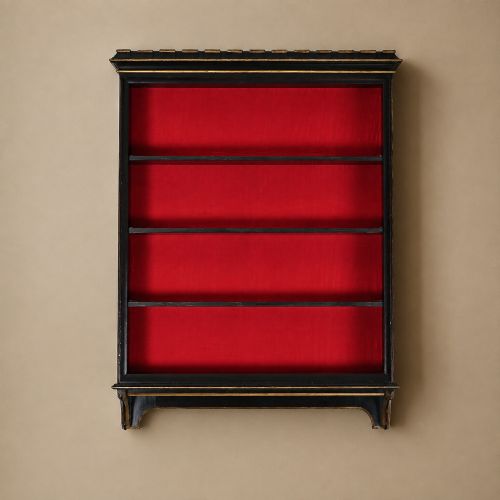
Surface treatments range from clear wax finishes on polished hardwoods to painted and ebonised details, alongside occasional gilt accents found on continental revival pieces.
Wall Hanging Display Cabinet Retail Price Guide 2026
Typical asking prices for wall hanging display cabinet among the pieces listed under this phrase on Sellingantiques today, from the lower quarter to the upper quarter. They describe what is for sale here now, not the wider market.
Listings span eight distinct periods from the eighteenth century to 1930, employing brass, glass, mahogany, oak, walnut, fabric, satinwood, and painted wood.
Judging execution and timber
Quality rests on the selection of timber figures, such as dense mahogany grain or intricate walnut burl, and the precision of the joinery at visible corners and joints. Finer pieces demonstrate careful attention to internal shelving and harmonious proportions.
The execution of decorative elements, including marquetry inlay, crossbanding, and carved pediments, distinguishes standard workshop production from master cabinet work. Original glass panes and period brass hardware further elevate a piece.
Structural integrity depends on sound wall-mounting brackets and well-fitted doors that close flush against the frame without warping over time.
George Edmund Street·John Moyr Smith·William Yale
The Wall Hanging Display Cabinet Glossary
- Crossbanding
- A narrow strip of veneer laid across the grain of the primary surface to form a border. This technique highlights the edges of cabinet doors and drawer fronts.
- Marquetry
- Formed by fitting together small pieces of tinted wood, shell, or ivory to create pictorial designs on furniture surfaces. It appears frequently on eighteenth-century continental pieces.
- Pediment
- The decorative structure positioned above the main body of a cabinet. Examples include broken arch designs that draw the eye upward.
- Glazing bar
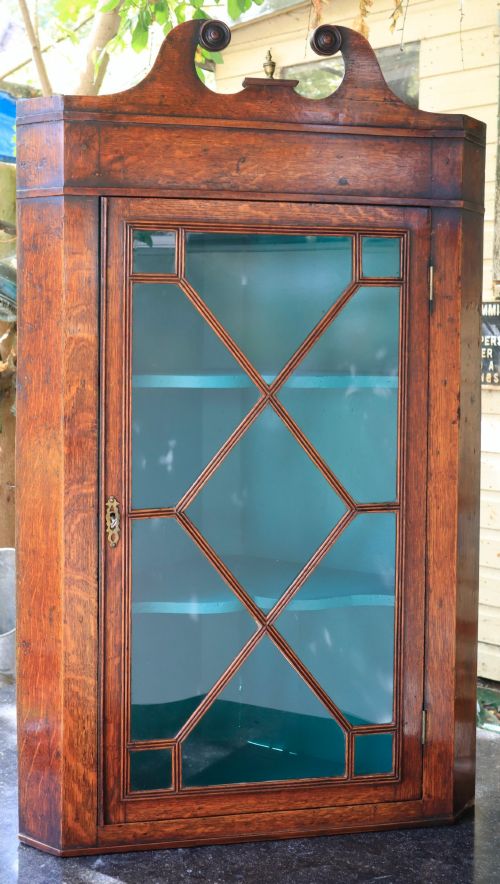
- A slender wooden strip holding individual panes of glass within a door frame. These bars create geometric patterns across the view.
- Ebonised
- Wood treated with a chemical stain or black finish to imitate ebony. This dark surface preparation characterises many nineteenth-century revival styles.
Wall Hanging Display Cabinet: Frequently Asked Questions
How do I hang a heavy cabinet?
Wall cabinets require secure fixings into structural wall studs or masonry rather than plasterboard alone. Professional brackets attached to the internal back frame distribute the weight safely.
Ensure the hanging loops or battens integrated into the cabinet back are structurally sound before lifting the piece into position.
What items fit inside corner cupboards?
Shallow depth and angular shapes suit small ceramics, glassware, and silver miniatures. The enclosed shelving protects delicate collections from household traffic.
Avoid overloading the internal shelves with heavy ceramic sets, as wall hanging frames have weight limits.
How do I tell Georgian from Victorian?
Georgian pieces typically show restrained classical proportions in solid oak or mahogany with simple brassware. Victorian examples introduce darker woods like walnut, ebonised finishes, and more elaborate revival ornamentation.
Construction methods inside the cabinet, such as handmade dovetails and timber seasoning, help clarify the period.
Should the interior fabric be replaced?
Original fabric linings show age through fading and wear, matching the exterior timber history. Many collectors prefer retaining original materials where possible.
If replacement is necessary for display purposes, choose traditional textiles that match the period style of the cabinet.