



Volkstedt Ceramic Figurines
Volkstedt ceramic figurines bring spirited German artistry and fine modelling into your rooms, offering a distinct glimpse into historical porcelain traditions.
Volkstedt Ceramic Figurines
When you search for volkstedt ceramic figurines, you are looking at expressive figures, sweetmeat dishes, and groups shaped in German kilns across the nineteenth and early twentieth centuries. These pieces encompass stately individual characters, musical pairs, and allegorical subjects that reflect the changing decorative tastes of their eras.
On this page, you are most likely to meet Victorian and nineteenth-century examples alongside works from the eighteen-eighties and nineteen-thirties. The selection spans distinct forms such as glazed porcelain figures, parian biscuit pieces, and decorative sweetmeat dishes attributed to the region.
The regional output captures several notable aesthetic shifts, moving from ornate revival styles towards German art porcelain and distinct salon forms. Each piece preserves the specific modelling conventions of Thuringian workshops through various periods.
How they were made
The makers relied primarily on hard-paste porcelain and parian ware, shaping durable clay bodies that accepted fine detail before firing. Artisans applied glazes to seal the surfaces, creating smooth sheens across the modelled forms.
Volkstedt Ceramic Figurines Retail Price Guide 2026
Typical asking prices for volkstedt ceramic figurines among the pieces listed under this phrase on Sellingantiques today, from the lower quarter to the upper quarter. They describe what is for sale here now, not the wider market.
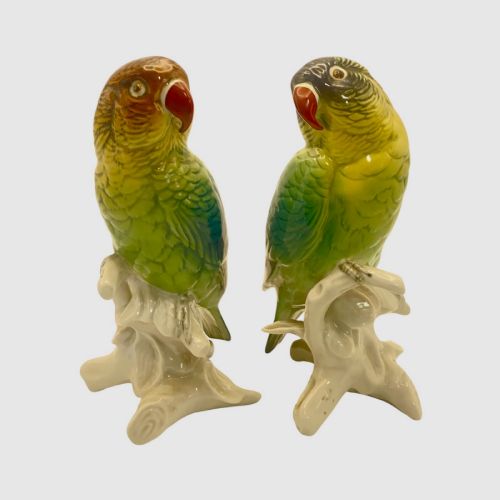
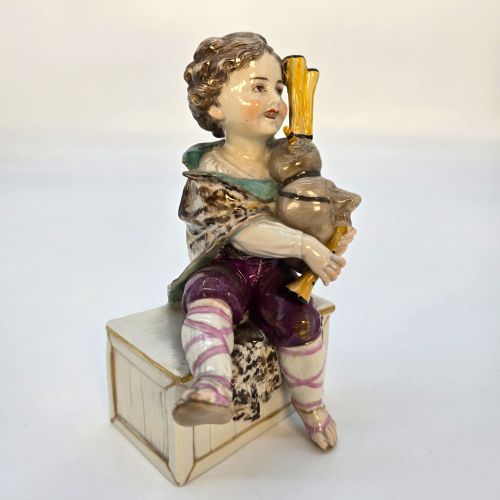
The selected objects range from individual figures and pairs of parrots to complex sweetmeat dishes and salon groupings.
What varies in quality
Quality rests in the crispness of the modelling and the precision of the hand-painted enamels across the figures and sweetmeat dishes. Finer examples display delicate facial expressions and intricate drapery that remain sharp rather than softened by the glaze.
The application of gold leaf and gilt work also separates the output, with superior pieces showing controlled, clean embellishments rather than heavy-handed decoration. The choice of base material, from standard hard-paste porcelain to fine parian biscuit, dictates the underlying texture of the finished work.
Karl Ens·Volkstedt Rudolstadt Factory·Triebner Ens And Eckert·Richard Eckert·Triebner Ens And Co
The Volkstedt Ceramic Figurines Glossary
- Hard-paste porcelain
- A dense ceramic material fired at high temperatures using kaolin and petuntse. This composition creates a durable body with a bright, vitreous finish.
- Parian ware
- A fine unglazed biscuit porcelain resembling marble. It was often utilised for classical or portrait figures to capture subtle details without a glossy surface.
- Sweetmeat dish
- A small decorative vessel or figural grouping designed to hold small confections at a table. These pieces combine sculptural presence with functional shallow bowls.
- Enamel
- Vitreous pigments applied over the glazed porcelain surface and fired a second time to bond the colours. This technique permits rich palettes on historical figurines.
- Gilt
- A thin layer of gold applied to surface details and borders. It provides metallic contrast against the white porcelain and painted enamels.
Volkstedt Ceramic Figurines: Frequently Asked Questions
What are volkstedt ceramic figurines?
These pieces are moulded porcelain figures and sweetmeat dishes produced by German factories and workshops in Thuringia. They capture human figures, allegorical subjects, and animals through distinct historical periods.
The listings here feature nineteenth-century examples, Victorian works, and later twentieth-century interpretations. Each item demonstrates the sculptural focus and painting traditions of the region.
How were these figures used?
Historical owners displayed these figures within parlours, dining rooms, and salons as decorative statements of taste and status. Sweetmeat dishes additionally served a functional role on tables during formal gatherings.
Today, they function purely as cabinet pieces or mantel ornaments. Collectors place them where ambient light can catch the enamel details and gilt highlights.
How do I live with volkstedt ceramic figurines?
Living with these porcelain works requires placing them on stable shelves or within enclosed cabinets away from heavy foot traffic. Their delicate extremities and painted surfaces benefit from secure environments.
Routine maintenance involves gentle dusting with a soft brush. Avoiding direct sunlight helps preserve the vibrancy of the enamel colours and gold leaf over time.
How do I tell periods apart?
Differentiating periods relies on observing stylistic markers, from ornate nineteenth-century revival designs to cleaner early twentieth-century German art porcelain forms. Parian biscuit pieces and hard-paste glazed items also point towards specific manufacturing eras.
Factory marks and signatures on the base provide direct historical context. Comparing the modelling style against dated examples helps confirm whether a piece belongs to the Victorian era or later decades.