



Antique Lute Player Figure
An antique lute player figure captures musical performance in bronze, porcelain or oil paint across nineteenth-century European ateliers.
Antique Lute Player Figure
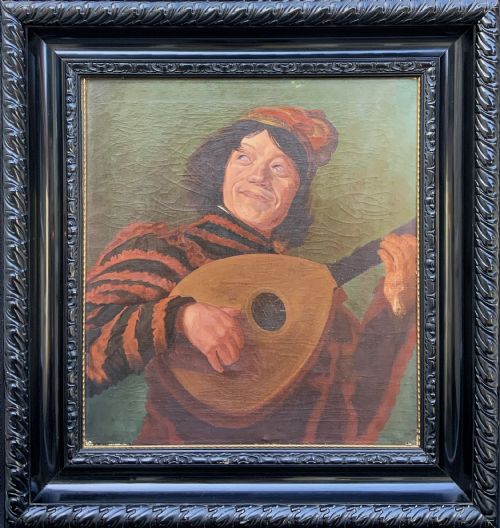
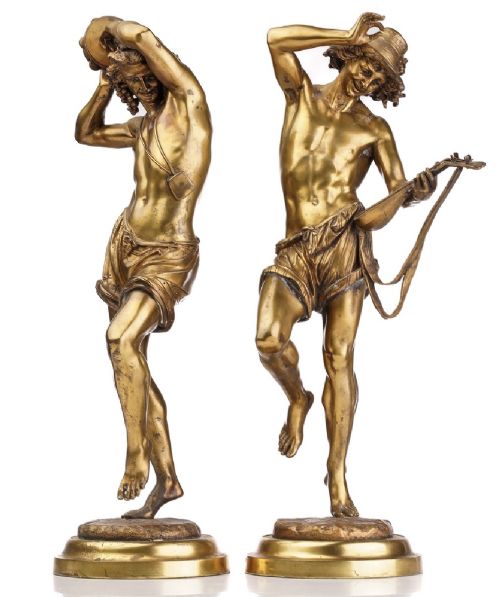
Every antique lute player figure represents musicians and minstrels, originating largely from nineteenth-century European workshops in bronze, hard-paste porcelain and oil paint on canvas. These works range from porcelain figural candlesticks and tabletop figures to large bronze statues and oil portraits after Dutch old masters.
The versions most commonly met on this page combine nineteenth-century styles such as Rococo Revival, Dutch Golden Age and Italian Renaissance Revival with subjects holding stringed instruments. Makers render these figures as solitary minstrels, pairs of Venetian musicians or seated performers in regional attire.
Buyers encounter subjects spanning classical maidens, young girls, Mignon and Neapolitan performers captured by named sculptors and factories. The category bridges sculptural metalwork, delicate ceramic modelling and painted canvas interpretations of musical life.
What varies in quality
In porcelain pieces, the finesse of the enamel painting and the delicacy of modelled fingers, lace and lute frets determine the standard. Finer figures display careful polychrome work without sloppy pigment bleed.
Proportion and stance dictate presence, particularly in larger statues and pairs where balanced weight and expressive posture reveal the sculptor's skill.
Antique Lute Player Figure Retail Price Guide 2026
Typical asking prices for lute player figure among the pieces listed under this phrase on Sellingantiques today, from the lower quarter to the upper quarter. They describe what is for sale here now, not the wider market.
Materials span patinated bronze, gilt bronze, enamel, gold leaf and wood frames across nineteenth-century items.
Volkstedt Richard Eckert·Justo de Gandarias·S. Kinsburger·Sitzendorf·Albert Ernest Carrier-Belleuse·Renzo Colombo·Barbedienne
The Antique Lute Player Figure Glossary
- Patinated bronze
- Metal sculpture treated with chemical solutions to produce a darkened or coloured surface finish. This technique protects the underlying bronze and enhances visual depth.
- Hard-paste porcelain
- A durable ceramic paste composed of kaolin and petuntse fired at high temperatures. It accepts fine enamel painting and holds sharp moulded details.
- Bisque porcelain
- Unglazed ceramic fired once to create a matte, porous finish resembling marble. It allows sculptors to showcase delicate modelling without surface glaze.
- Gilt bronze
- Metal sculpture coated with a thin layer of gold or gold leaf applied for decorative richness. This finish creates warm metallic highlights on garments and instruments.
- Old Master
- A European painter of skill working before the nineteenth century, or a later work executed in that established manner. These paintings often inspire nineteenth-century realisations.
Antique Lute Player Figure: Frequently Asked Questions
How do I identify the period of a bronze musician?
Examine the base, patination and signature style, as nineteenth-century bronzes often carry foundry marks and artist names like Carrier-Belleuse or Barbedienne. Cast quality and mounting methods also help distinguish these nineteenth-century works from later reproductions.
Look closely at the costume details and tooling on the instrument, which reflect nineteenth-century romantic interpretations of historical dress. Comparing the patina to established period bronzes provides further confirmation.
Were these porcelain figures used as candlesticks?
Certain porcelain figures, such as those from Sitzendorf, incorporate candle sockets alongside the musician model. These figural candlesticks combined decorative sculptural appeal with domestic lighting function.
Makers designed them as pairs or single mantel ornaments where the practical socket integrates smoothly into the pastoral or musical composition.
What is the difference between a minstrel and a lute player?
A lute player specifically identifies the musician by the instrument held, whereas a minstrel is a broader term for a medieval or travelling entertainer. Figures titled as minstrels may hold lutes, tambourines or other period instruments.
Both subjects reflect nineteenth-century artistic fascination with historical performance and romanticised wandering musicians.
How should I display a bronze lute player sculpture?
Place bronze statues on stable, level surfaces away from direct heat sources to protect the patinated or gilt finish. Adequate lighting helps reveal the subtle chiselling on the figure and the instrument strings.
Keep them in stable indoor humidity conditions and dust gently with a soft, dry cloth without chemical polishes.