
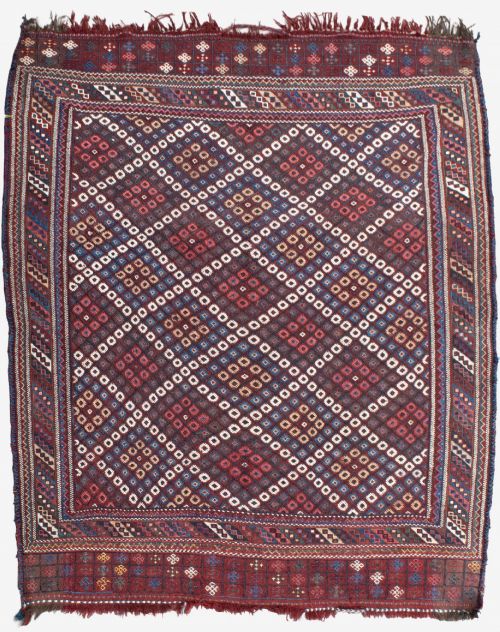


Vintage Wool Kilim
A vintage wool kilim brings flat-woven texture and tribal geometric motifs into a room, offering durability and historical charm.
Vintage Wool Kilim
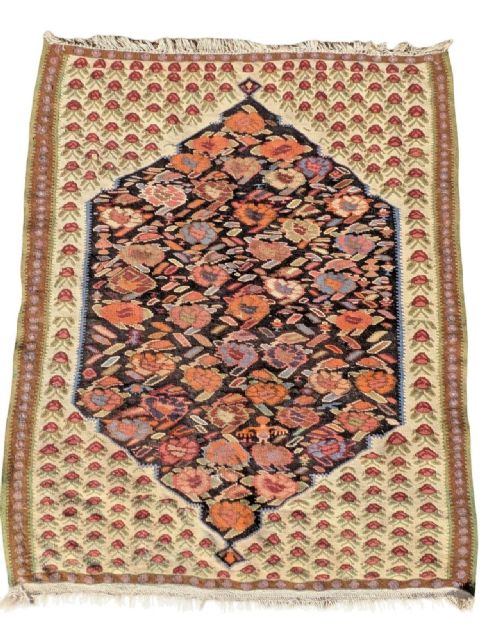
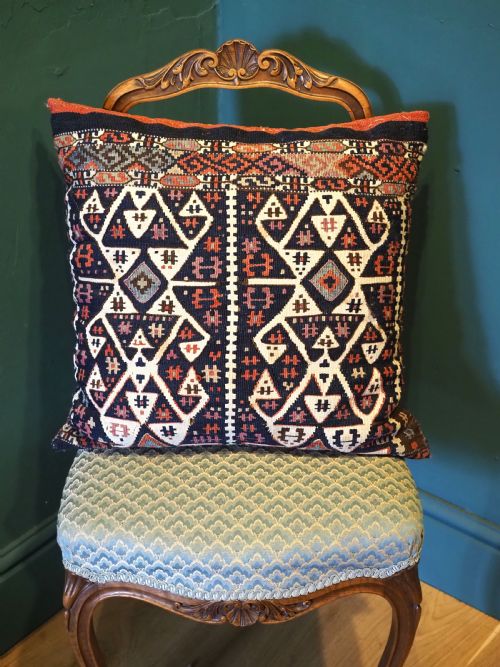
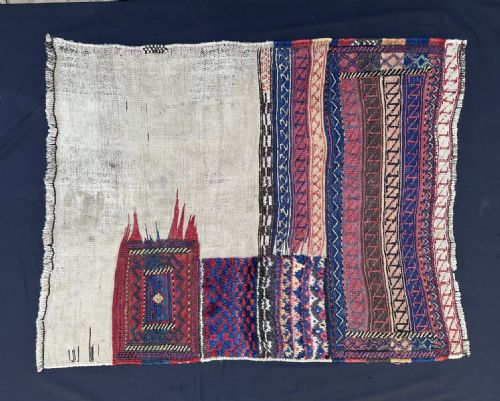
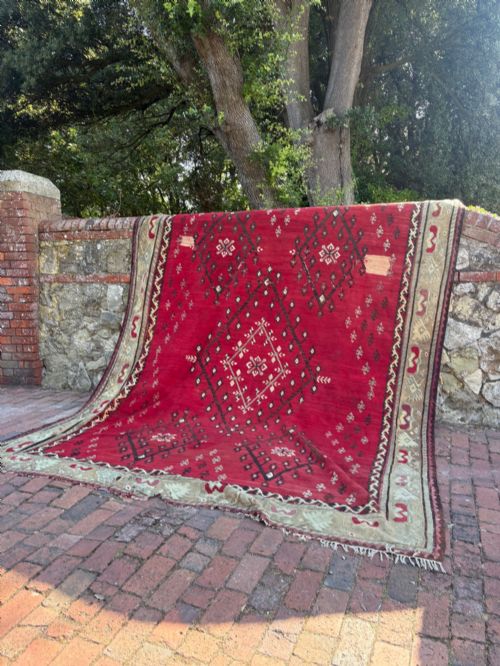
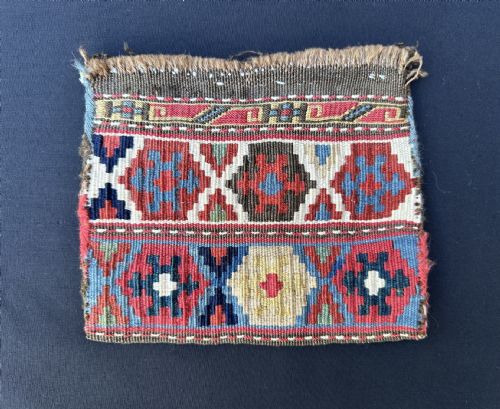
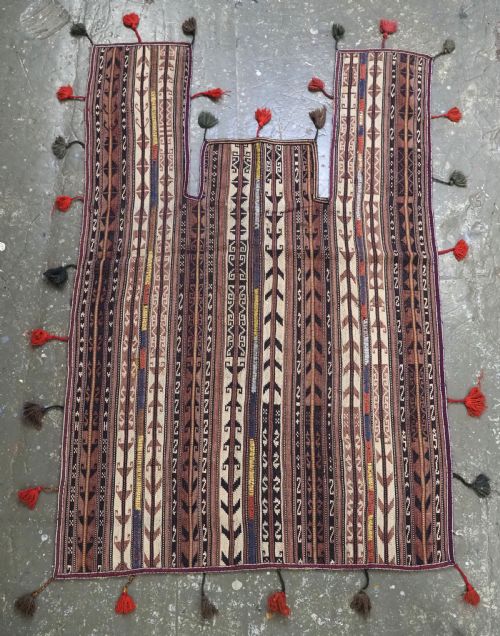
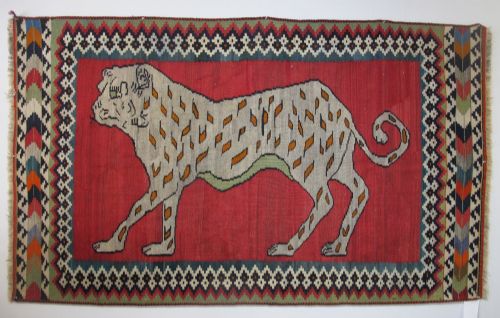
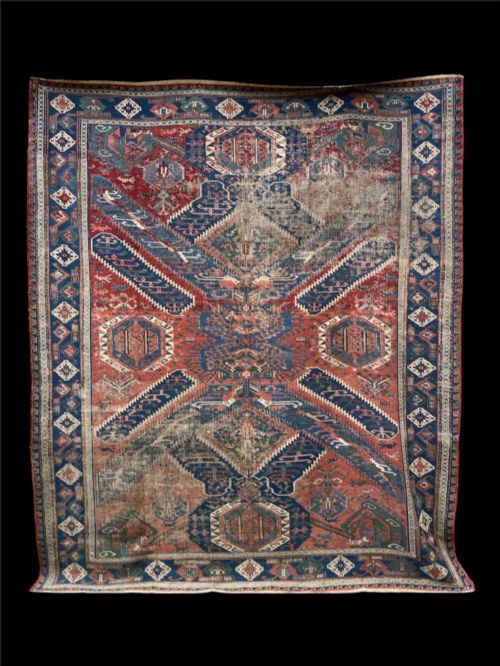
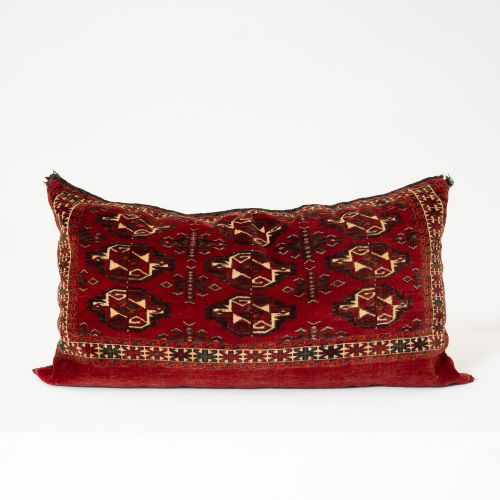
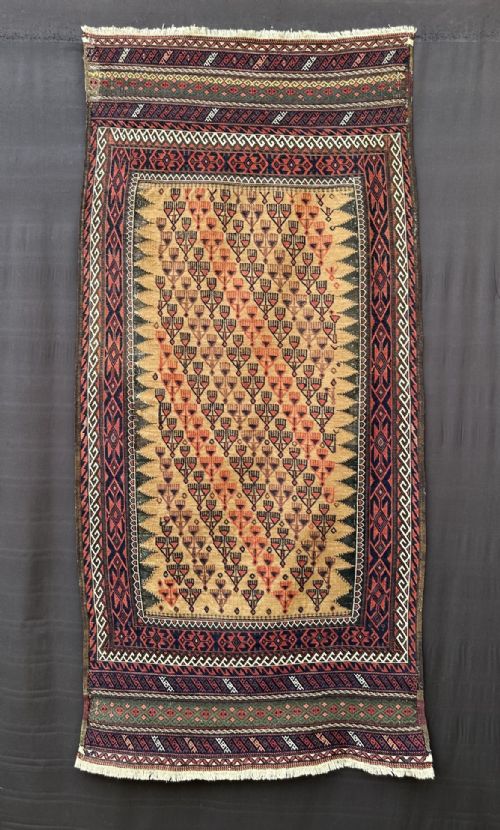
When you search for a vintage wool kilim, you are looking at flat-woven rugs, carpets, and household textiles originating from Persian, Anatolian, Caucasian, and Eastern European weaving traditions. These pieces include floor coverings, large carpets, and smaller functional items such as bread sofreh, horse blankets, saddlebags, and cushions.
The versions you are most likely to meet on this page span the late nineteenth century through to the early twentieth century, reflecting nomadic and village weaving practices. They arrive from specific tribal groups and regions including the Qashqai, Bakhtiari, Shahsevan, Afshar, and various Caucasian and Anatolian districts.
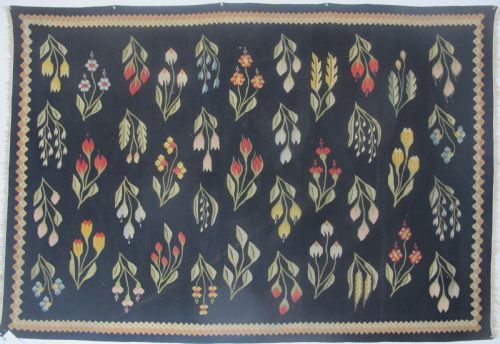
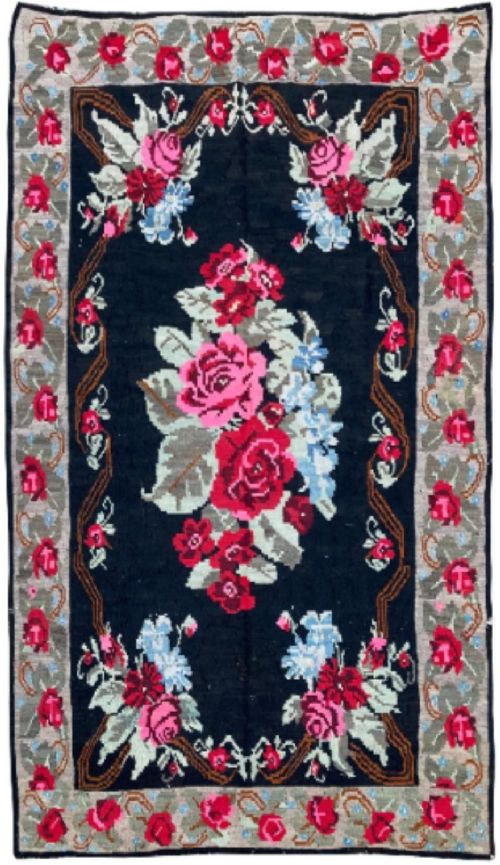
These flatweaves lack a pile, relying instead on interlocking weft threads to create sharp geometric patterns or floral tapestries. Buyers choose them to ground modern interiors with authentic, time-worn character and varied regional designs.
What varies in quality
The fineness of the weave dictates the complexity and precision of the geometric or floral design, with tightly packed wefts separating superior craftsmanship from simpler village work. Structural integrity, the condition of the flat-woven edges, and the subtlety of the natural dye palette also define the hierarchy of these textiles.
The historical significance and scarcity of specific tribal formats, such as ceremonial horse blankets or untouched dining sofreh, elevate certain examples above standard domestic rugs. The balance between original patination and the extent of historical repairs shapes the overall character of each piece.
Vintage Wool Kilim Retail Price Guide 2026
Typical asking prices for vintage wool kilim among the pieces listed under this phrase on Sellingantiques today, from the lower quarter to the upper quarter. They describe what is for sale here now, not the wider market.
Listings feature flat-woven textiles spanning the 1850s to the 1930s, utilising hand-spun wool, cotton, and natural dyes across Persian, Caucasian, and Anatolian traditions.
The Vintage Wool Kilim Glossary
- Sofreh
- A flat-woven cloth used traditionally for dining, kneading bread, or wrapping food items within nomadic households.
- Sumak
- A wrapping technique where pattern wefts are wound around warp threads in a continuous line, creating a textured, braided surface.
- Warp
- The stationary vertical threads stretched across the loom that form the structural foundation of the flatweave.
- Weft
- The horizontal threads passed through the warp to build up the colour, pattern, and fabric of the textile.
- Mafrash
- A large rectangular storage bag or travel chest face produced in flatweave or sumak technique by nomadic tribes.
- Slit-weave
- A flat-weaving method where colour areas meet without interlocking, leaving small vertical openings between motifs.
Vintage Wool Kilim: Frequently Asked Questions
How do I clean a vintage wool kilim?
Regular gentle vacuuming without a rotating brush helps remove embedded dust and keeps the flat-woven fibres clear of debris.
For deeper cleaning, professional specialist washing is recommended to protect the natural dyes and historical wool structures from damage.
Can I use these kilims on the floor?
Most of these flatweaves were originally created for domestic floor use, dining, or storage, making them suitable for moderate traffic areas.
Using a quality underlay prevents slipping and cushions the thin wool structure against hard flooring surfaces.
How are tribal regions identified?
Specific design motifs, border structures, and characteristic colour palettes often point directly to particular nomadic confederations or regional weaving centres.
Structure, wool quality, and traditional regional weaving techniques also provide key clues for attribution.