


Vintage Wooden Trolley
A vintage wooden trolley brings practical mobility and period character to entertaining, spanning utilitarian designs and sophisticated serving pieces.
Vintage Wooden Trolley
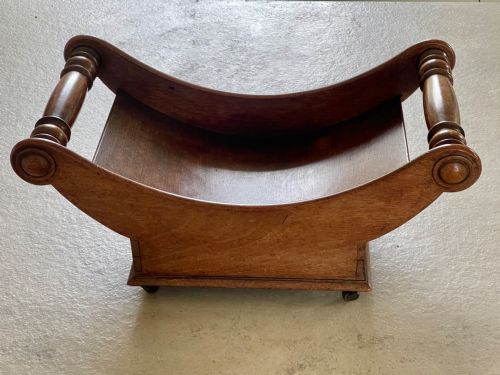
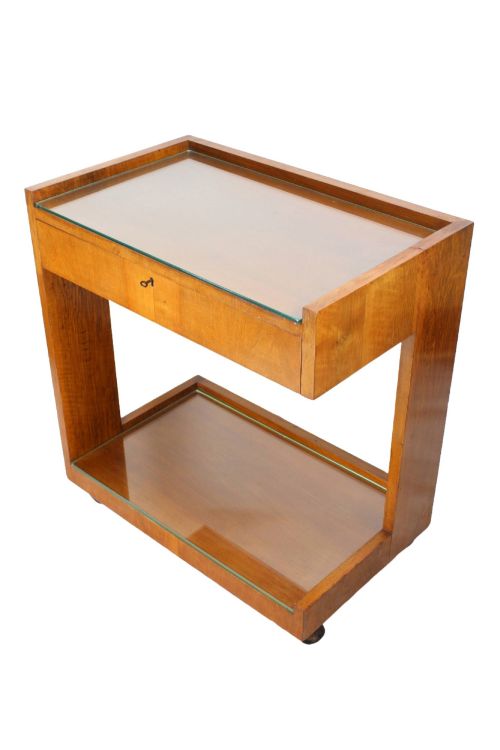
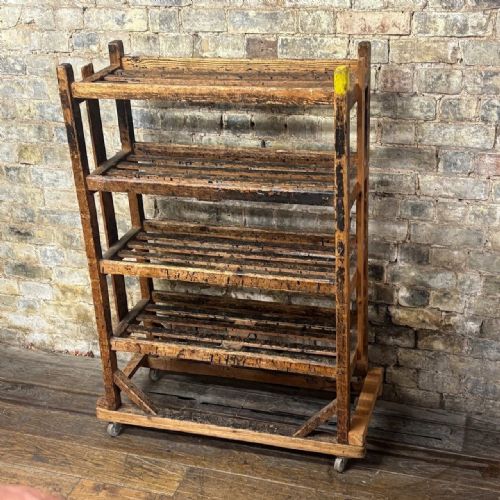
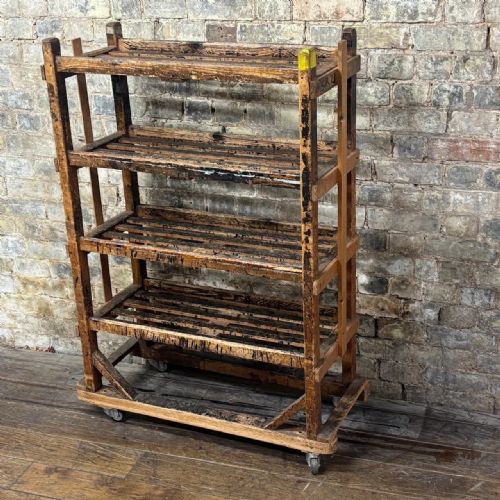
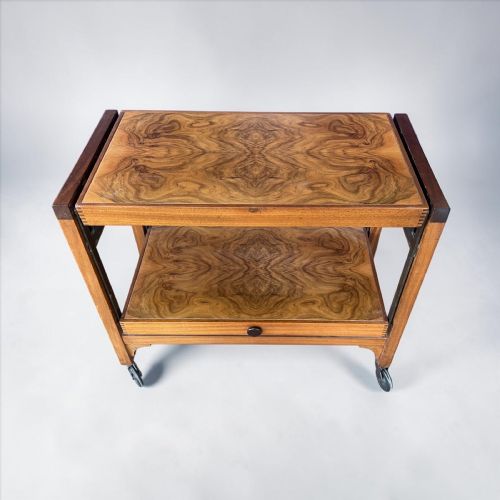
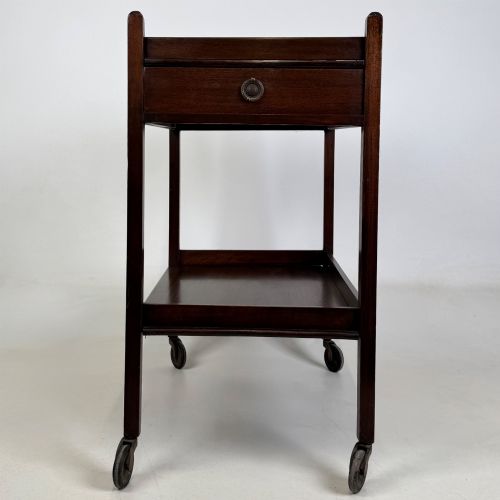
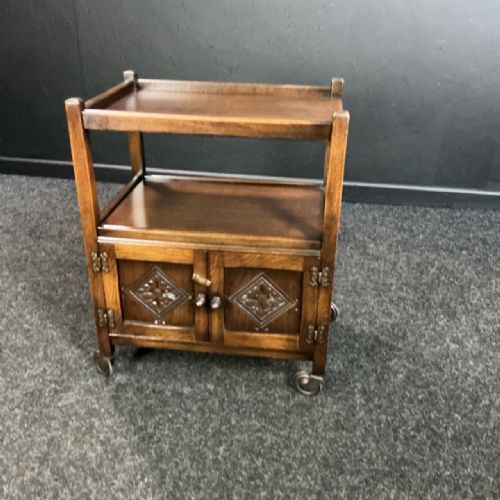
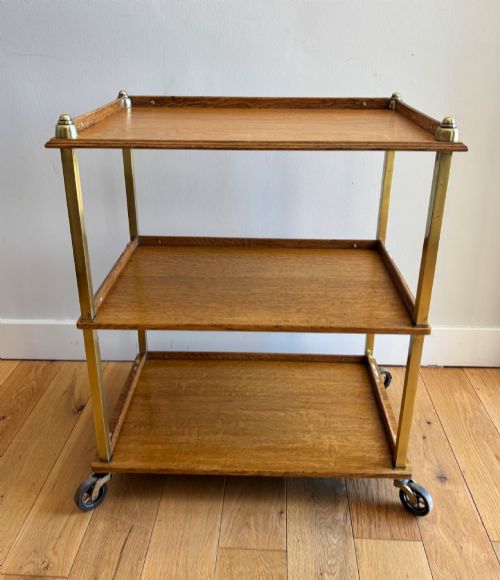
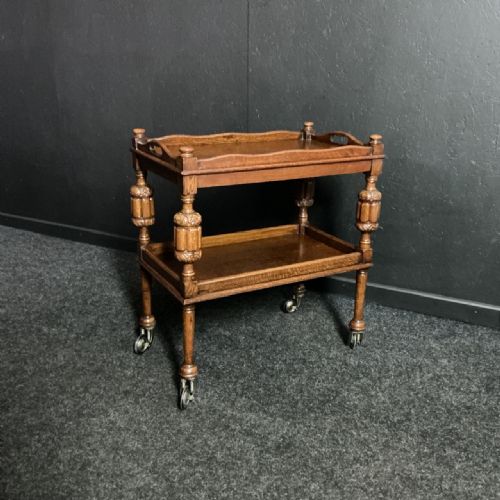
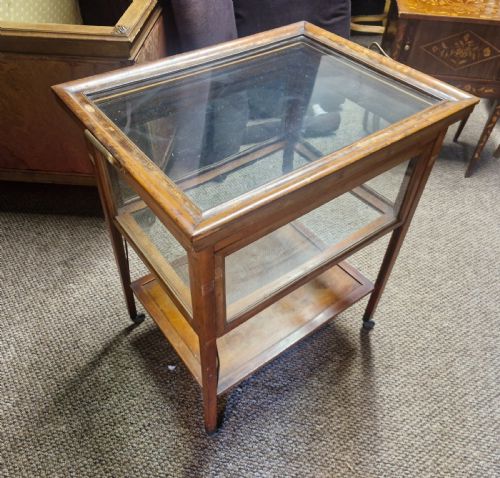
A vintage wooden trolley serves multiple domestic roles, functioning as a tea cart, a drinks cabinet, a butler's tray on a stand, or a serving table. Buyers searching this phrase encounter forms ranging from simple two-tier oak tea tables to elaborate Art Deco walnut drinks carts and utilitarian industrial hand carts.
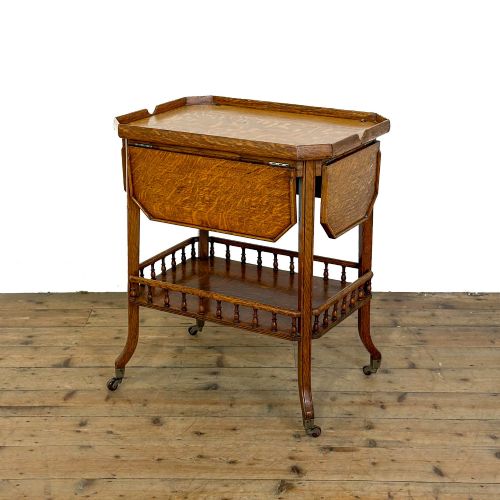
The pieces on this page span several eras, with Edwardian and 1920s examples appearing frequently alongside Victorian, Georgian, and Art Deco designs. Common configurations include drop leaves, removable top trays, and multiple tiers suited for bottles, glassware, and afternoon tea service.
Origins vary from English domestic workshops to French shop displays and industrial settings, utilising traditional timber frames paired with wheels or castors. Whether you seek a folding oak tea trolley for daily use or a circular walnut bar cart for hosting, the selection reflects diverse historical periods of manufacture.
Materials and construction methods
Cabinetmakers and manufacturers built these pieces primarily using solid hardwoods and veneers such as oak, mahogany, walnut, and pine, often complemented by brass castors, iron fittings, and glass elements. Timber selection dictated the character of the piece, from figured walnut in Art Deco designs to sturdy oak in Edwardian and Jacobean Revival examples.
Construction techniques combined traditional joinery like mortise and tenon joints with functional hardware such as folding mechanisms, drop-leaf hinges, and removable serving trays. Industrial variants incorporated robust wooden crates, metal framing, and heavy wheels designed for heavy-duty commercial or workshop tasks rather than domestic drawing rooms.
Listings feature oak, mahogany, walnut, and pine across periods ranging from the Georgian era through Victorian, Edwardian, and Art Deco designs.
Distinctions in construction and design
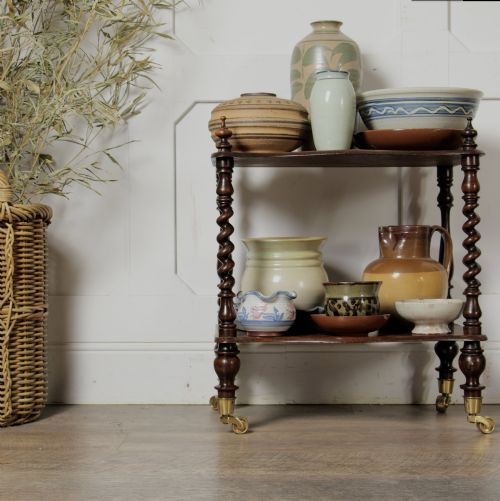
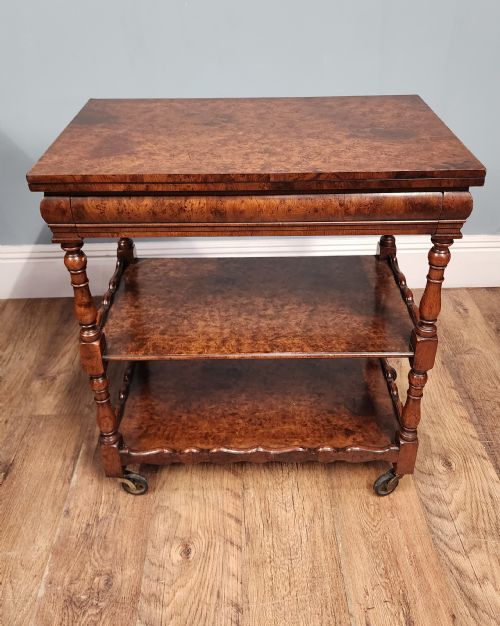
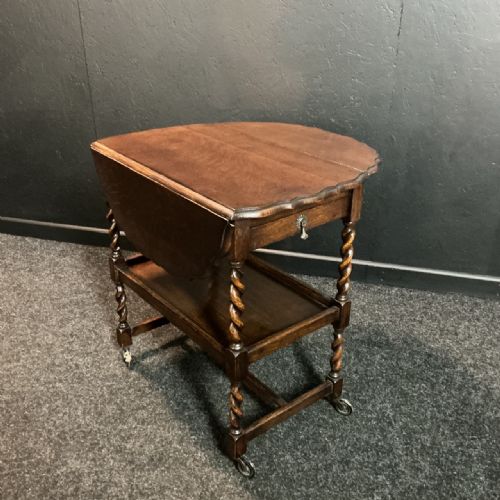
The distinction between standard examples and superior pieces rests on timber selection, decorative detail, and mechanical ingenuity. Figured walnut veneers, inlaid mahogany, intricate barley twist turnings, and well-executed metamorphic mechanisms elevate a simple serving cart into a refined piece of furniture.
Build integrity and original hardware define the enduring utility of a trolley. Smoothly operating drop leaves, secure removable trays, and robust castor fixings separate well-preserved domestic items from heavily worn or altered utility pieces.
Lusty of Leicester·Incorporall
The Vintage Wooden Trolley Glossary
- Butlers tray
- A portable wooden tray with raised sides, traditionally lifted off a folding wooden stand for serving drinks or food. This form evolved into dedicated tea and drinks trolleys.
- Barley twist
- A type of decorative wood turning resembling a twisted rope, commonly found on the legs and upright supports of Edwardian and Jacobean Revival trolleys.
- Metamorphic
- A descriptive term for furniture that transforms its shape or function, such as a side table that expands into a serving trolley or drinks chest.
- Drop leaf
- A hinged section of a tabletop that folds down when not in use and is supported by swing brackets to extend the surface area for serving.
- Tiered trolley
- A serving cart featuring two or more horizontal wooden levels supported by posts or columns, allowing for the transportation of multiple dishes or bottles.
Vintage Wooden Trolley: Frequently Asked Questions
What is a vintage wooden trolley used for?
These pieces function primarily as mobile serving surfaces for afternoon tea, cocktails, and dining accompaniments. Many feature removable trays or drop leaves to facilitate the transfer of food and glassware between rooms.
Beyond entertaining, they serve as side tables, bookshelves, or display stands in living spaces and kitchens. Their mobility allows them to adapt easily to different rooms and uses.
How do I date a wooden tea trolley?
Dating relies on stylistic markers, timber choices, and construction details associated with specific periods. Edwardian and 1920s models often feature oak frames with barley twist legs, while 1930s pieces typically showcase Art Deco geometric lines and figured walnut.
Earlier 19th-century and Victorian examples lean toward heavy mahogany and traditional butler's tray configurations on folding stands. Hardware such as castors and hinges also provides clues to the manufacturing era.
Are the top trays removable on these trolleys?
Many traditional tea trolleys and butler's tray stands feature lift-off top trays designed to carry items independently from the wheeled base. This dual functionality allowed servants or hosts to transport settings directly from the kitchen.
Not all trolleys include this feature, as many Art Deco and modern designs incorporate fixed tiers or integrated cabinet enclosures. Checking the specific description of each piece confirms whether the top surface lifts away.
How do I incorporate a trolley into my home?
A vintage trolley works effectively as a permanent drinks station in a dining room, living area, or study. Placing glassware, decanters, and bottles on the tiers creates a functional display that requires minimal floor space.
They also serve as flexible side tables next to seating areas or as plant stands in sunrooms. Their wheels make it simple to reposition them when hosting guests or rearranging a room.