
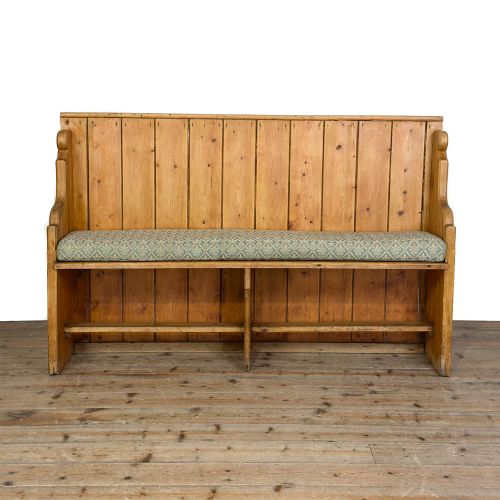
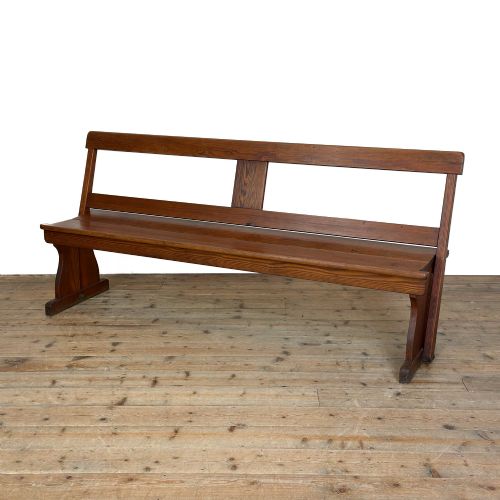
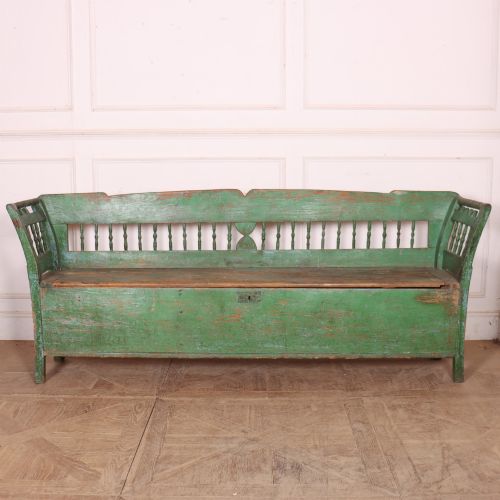
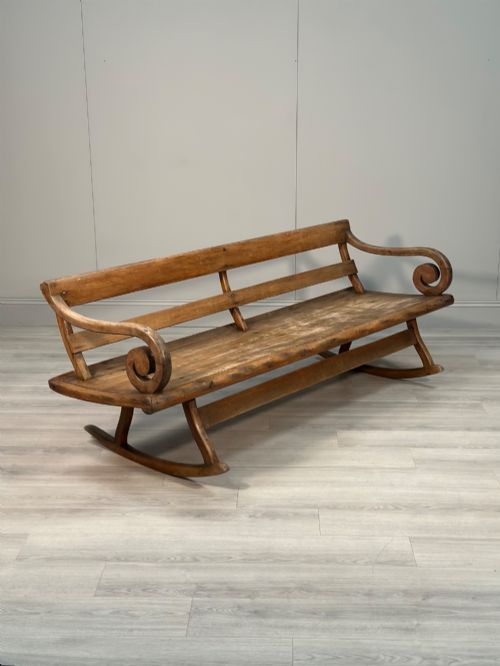
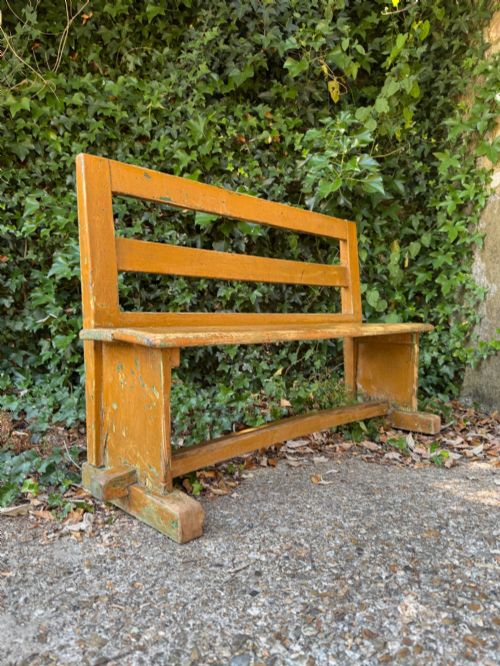
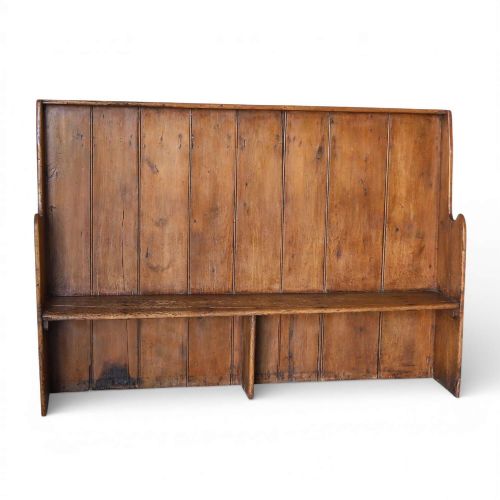
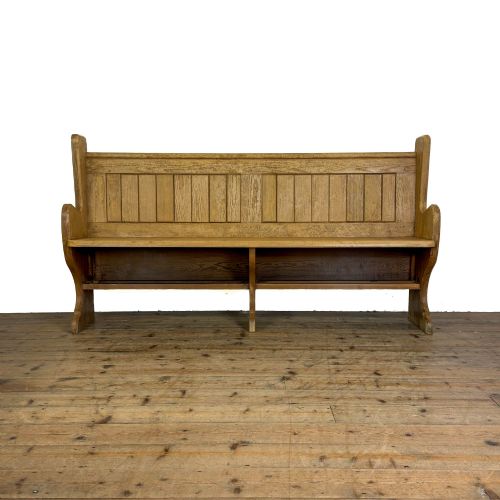
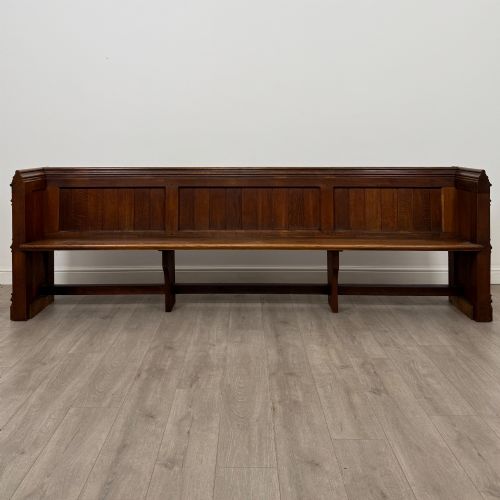
Vintage Wooden Settle
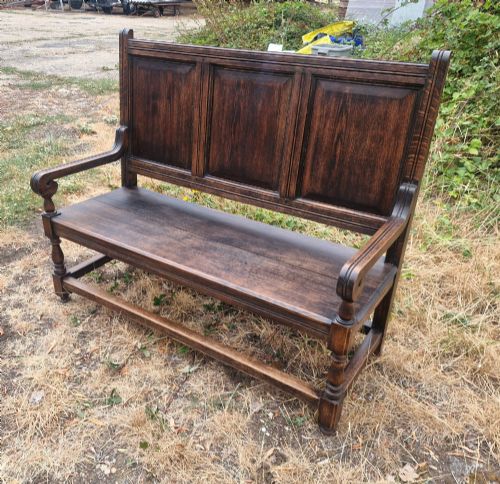
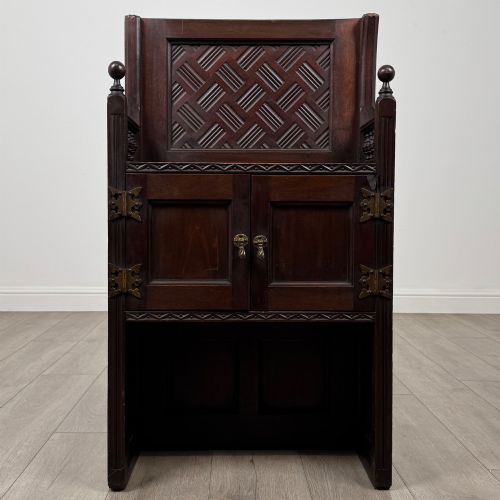
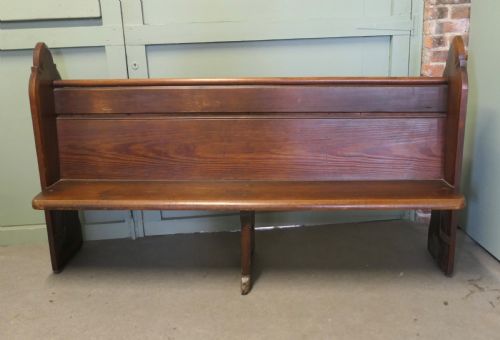
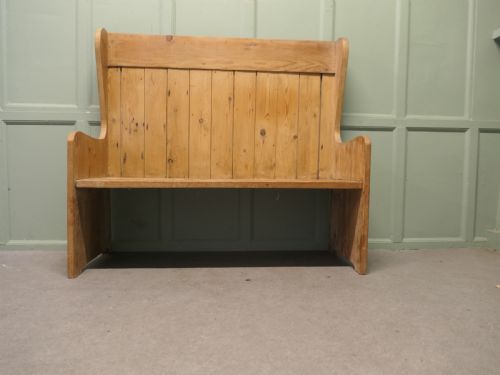
These vintage wooden settle pieces offer solid timber seating with high backs and storage compartments, bringing traditional charm to halls and firesides.
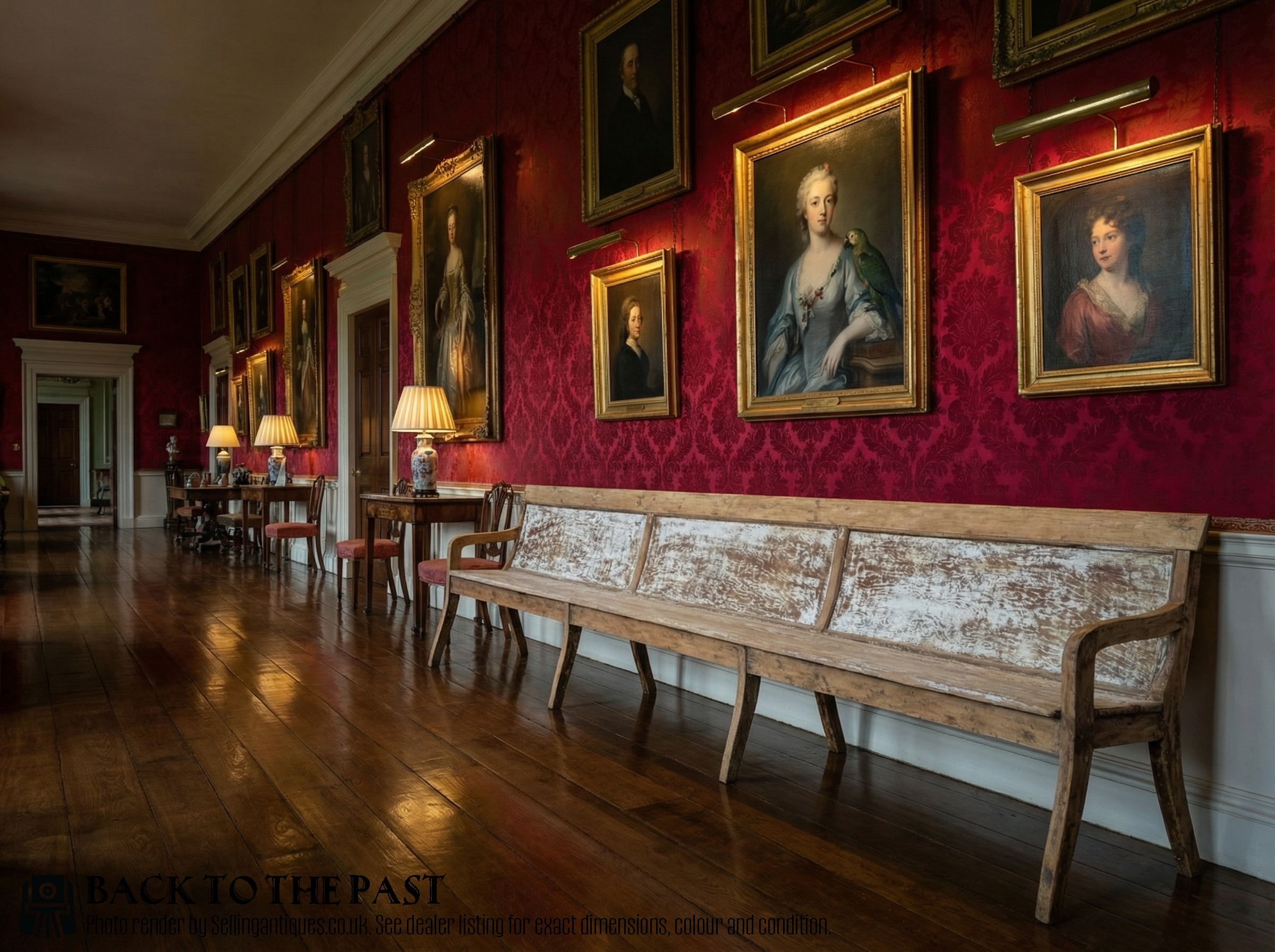
Vintage Wooden Settle
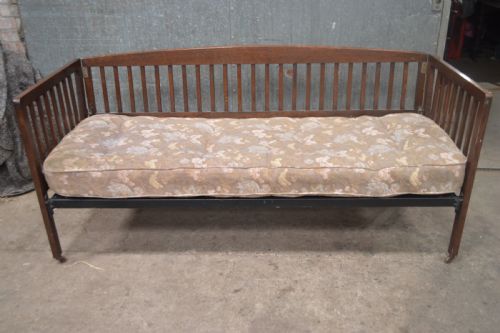
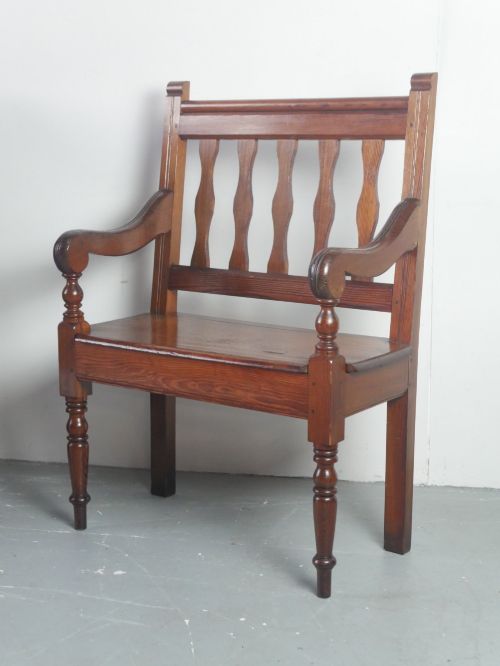
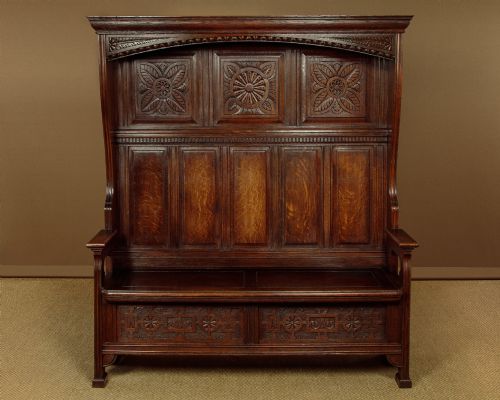
A vintage wooden settle serves as a high-backed seat or hall bench, often incorporating storage compartments, box bases, or fold-over table tops within its heavy timber frame. These pieces originate from domestic dwellings, farmhouses, churches, and public houses across various European regions.
The selections on this page span several periods, including the Georgian era, the Victorian epoch, the Edwardian period, and the 1920s. Common forms include church pews, monks benches, hall seats, and high-back fireside benches.
Pine and oak predominate among the available materials, accompanied by painted finishes, pitch pine, walnut, and mahogany. Stylistic variations draw upon English country, rustic traditions, Arts and Crafts designs, and Jacobean revivals.
How they were made
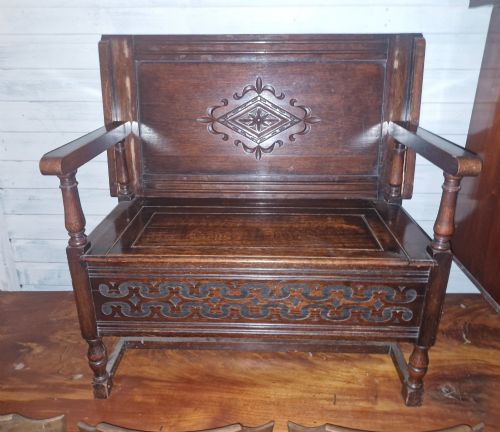
Cabinet makers and vernacular joiners utilised solid timber boards of pine and oak, joined through panel construction, mortise and tenon joints, and pegged framing. Many pieces feature integrated box compartments beneath lift-up seats or hinged flip-over tops that convert the bench into a table.
Surface treatments range from waxed or honey-brown patinated natural wood to applied coats of paint in blue, black, grey, and cream. Details such as carved panels, spindle backs, and applied iron or brass hardware complete the construction.
Some settles double as beds or tables because ordinary furniture had to multitask when rooms were scarce and winters were biting.
What varies in quality
The integrity of the timber framing and the preservation of original joined surfaces set finer examples apart from simpler utilitarian seating. Depth of patina, whether from aged wax on pine or polished grain on oak, reflects the handling and exposure of the wood over centuries.
Structural complexity also distinguishes the range, moving from plain plank pews to sophisticated pieces featuring carved canopy tops, integrated storage cabinets, or complex mechanical fold-over elements.
Liberty·Shapland and Petter
The Vintage Wooden Settle Glossary
- Settle
- A wooden bench with a high back designed to block draughts, frequently fitted with a solid seat that lifts to reveal a storage box underneath. This form served as principal seating in domestic halls and tavern firesides.
- Monks Bench
- A dual-purpose piece of furniture featuring a hinged back that folds down flat over the arms to form a table top. It provides both seating and surface space within compact rooms.
- Cassapanca
- An Italian wooden bench featuring a deep chest base and a backrest, combining storage and seating in a formal domestic form. These pieces often display carved ornamentation.
- Patina
- The surface sheen and softened texture developed on wood through decades of use, cleaning, and waxing. It indicates age and physical history on antique timber.
- Pitch Pine
- A dense, resinous softwood sourced from pine trees, valued for its prominent grain pattern and durability. It saw frequent use in church pews and institutional joinery.
Vintage Wooden Settle: Frequently Asked Questions
What is a wooden settle used for?
A wooden settle provides high-backed seating designed to shield occupants from draughts in hallways, kitchens, and firesides. Many examples also include built-in storage boxes beneath the seat for blankets or boots.
In tighter spaces, versatile variations like monks benches or fold-over chapel pews double as tables or day beds when the top is adjusted.
How do I date an antique settle?
Dating relies on examining the timber species, construction joints, tool marks, and overall style. Georgian and Victorian pieces often display hand-sawn board marks and pegged joinery, while Edwardian and 1920s pieces incorporate machine-cut elements and different hardware.
Comparing the panel style and revival influences, such as Jacobean carvings or Arts and Crafts simplicity, helps place the piece within its historical manufacturing period.
Where should I place a hall bench?
Hall benches and settles suit entrance hallways, boot rooms, and large kitchens where practical seating and storage are useful. Their high backs help define open-plan spaces or anchor an empty corridor wall.
Ensure adequate clearance for any lift-up seats, cabinet doors, or fold-over tabletops before positioning the piece against a wall.
Are painted finishes original on old settles?
Many European farmhouse settles, particularly those from regional traditions in Hungary and Sweden, feature historic painted surfaces in blue, grey, black, or cream. These coats often show wear and craquelure that match the age of the underlying pine or softwood.
Distinguishing between original historic paint, later decorative layers, and modern refinishing involves looking closely at surface oxidation and wear patterns around the edges and seat.