




Green Wooden Bench
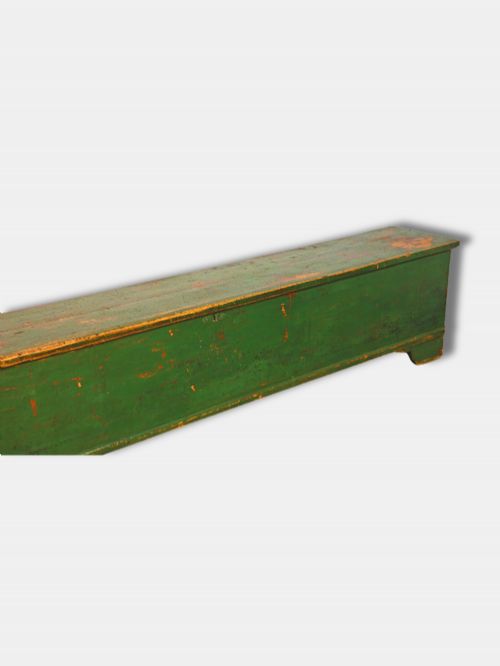
A green wooden bench brings practical seating and character to a room, drawing on centuries of vernacular and formal design.
Green Wooden Bench
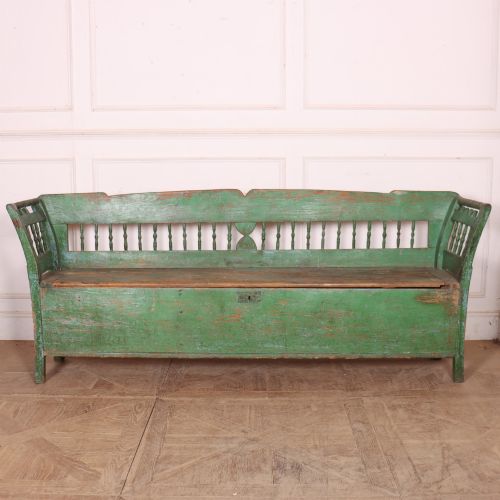
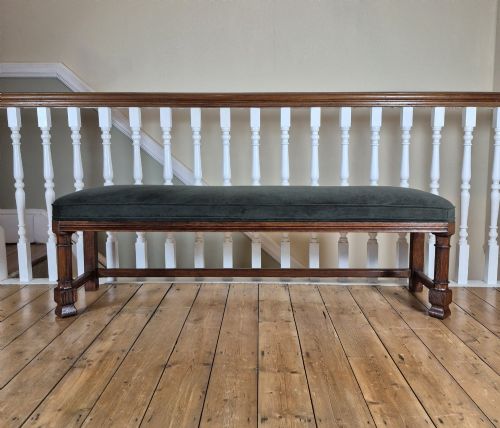
A green wooden bench encompasses various domestic and garden seating options ranging from farmhouse settles to upholstered hall seats. Buyers searching for a green wooden bench will encounter nineteenth-century painted European examples, rustic pine seating, and formal carved oak versions.
The selection includes items from English, Austrian, Swedish, and Dutch traditions, spanning periods from the eighteenth century through the early twentieth century. These pieces function as hallway furniture, dining seating, or focal points in living spaces.
Materials and Construction
Construction relies heavily on timbers such as pine, oak, walnut, and mahogany, chosen for structural strength and grain quality. Many pieces retain original or historic green paint surfaces, while others showcase carved details and turned woodwork.
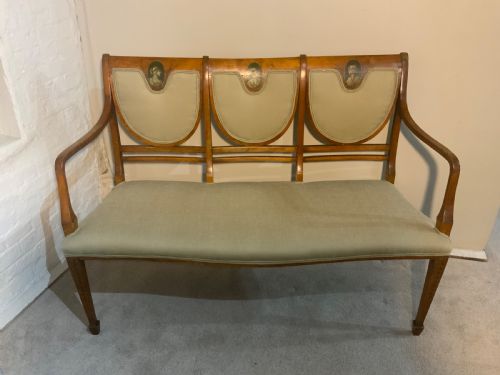
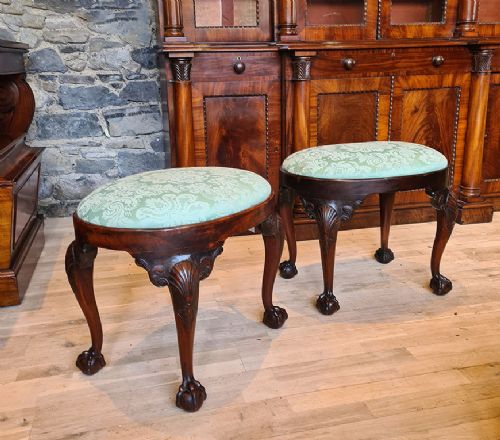
Joinery methods vary from traditional pegged joints in rustic settles to finer cabinet-making techniques in mahogany and satinwood settees. Upholstered variants incorporate fabrics and velvet over supportive frames.
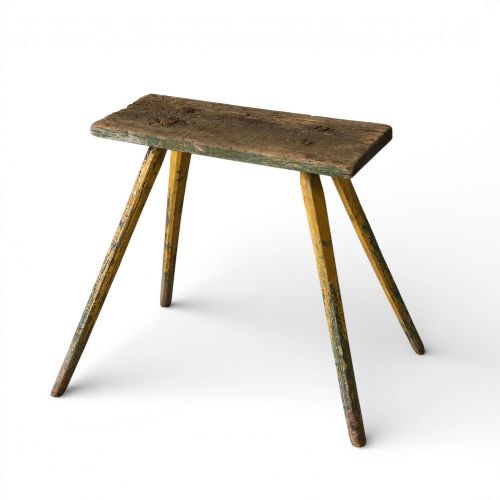
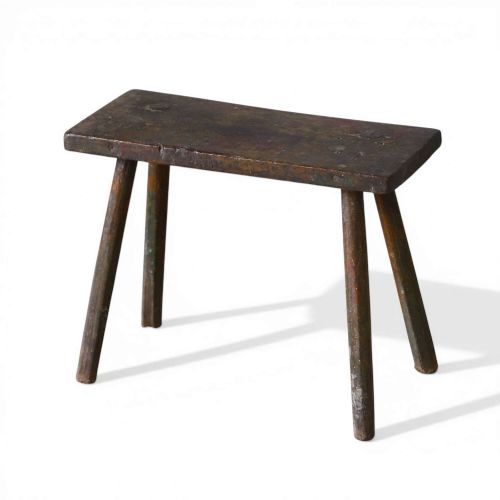
Several milking stools hiding in the inventory prove that cows once enjoyed remarkably stylish seating arrangements.
Assessing Quality
Quality rests in the integrity of the timber frame, the retention of original surface paint, and the crispness of any hand carving. Pieces with honest patination and minimal structural intervention command greater appreciation from collectors.
Proportion and balance distinguish finer workshop creations from everyday utility pieces, ensuring that decorative elements complement the underlying form without crowding it.
Harry & Lou Epstein·John Tesch
The Green Wooden Bench Glossary
- Settle
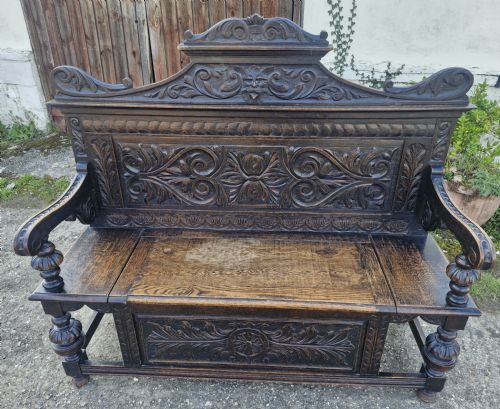
- A wooden bench with high back, solid arms, and often a box base beneath the seat. This form provided draught protection in traditional farmhouse interiors.
- Hall Bench
- A narrow seat designed for an entrance hallway, frequently incorporating carved panels or storage beneath. These items often reflect Gothic Revival or Victorian tastes.
- Patination
- The surface alteration of wood and paint through age, use, and exposure to light. Collectors value this natural darkening and softening of finish.
- Joint Stool
- A low wooden seat constructed with mortise and tenon joints rather than turned legs. These sturdy pieces pre-date modern chair-making methods.
Green Wooden Bench: Frequently Asked Questions
How do I clean an original painted finish?
Dust gently with a dry, soft cloth to remove surface particles without disturbing the underlying layer. Avoid water, harsh detergents, or abrasive cleaners that lift historic pigment.
Consult a professional restorer if the surface shows flaking or active instability. Preserving the original paint layer maintains the historical integrity of the piece.
Where should I place a wooden bench at home?
Position benches in hallways, mudrooms, or living areas where they provide both seating and architectural presence. Ensure they sit away from direct heat sources and strong sunlight to protect the wood and paint.
Pair shorter benches with small side tables or place them against plain walls to let the colour stand out. Heavier settles anchor large spaces effectively.
How do I date a painted wooden bench?
Examine the construction marks, tool traces, and nail types hidden beneath the surface. Hand-sawn timber and forged fixings point towards earlier manufacturing periods.
Compare the style of carving and the composition of the paint layers with documented examples from the same region and era.