





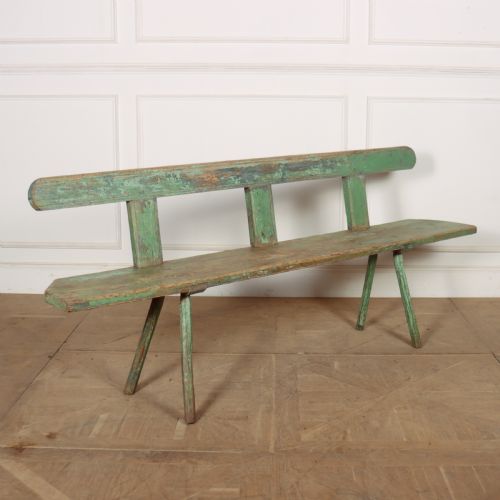

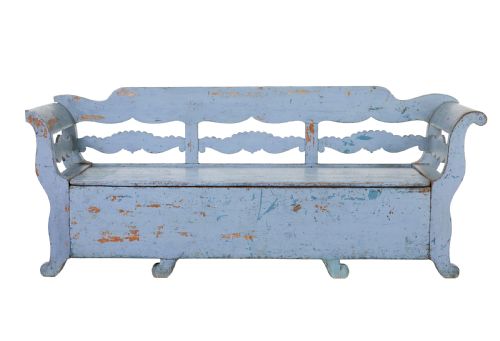
Painted Kitchen Bench
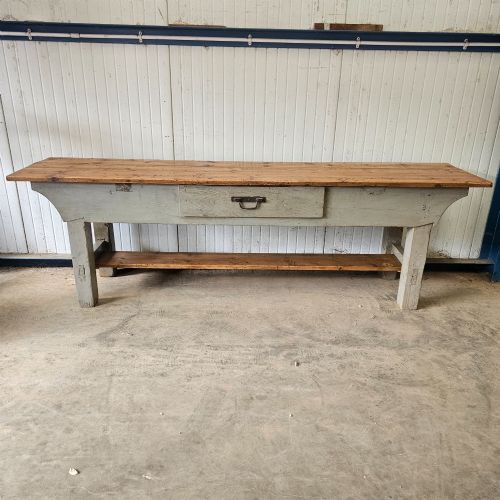
A painted kitchen bench brings honest colour and hard-wearing utility to a room, offering practical seating built from solid timber.
Painted Kitchen Bench
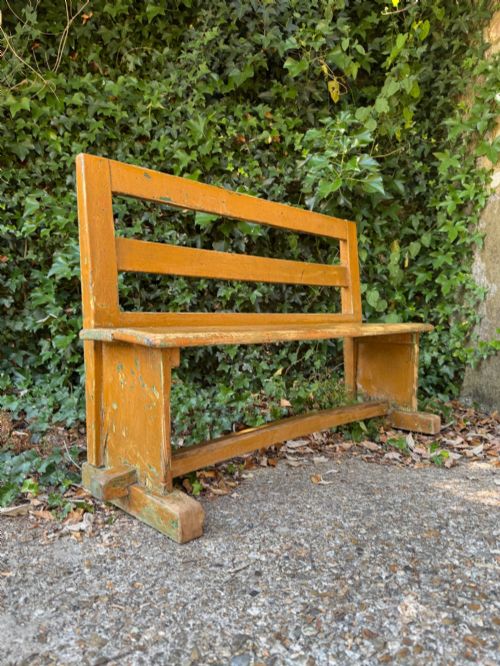
A painted kitchen bench provides sturdy seating formed from timber, often found in nineteenth-century and early twentieth-century formats. These pieces draw on European country, Scandinavian country, and rustic farmhouse traditions, bringing straightforward utility to domestic spaces.
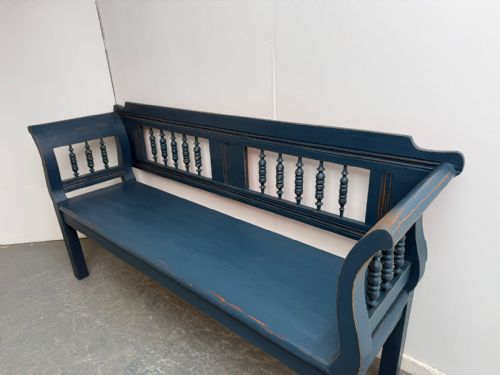
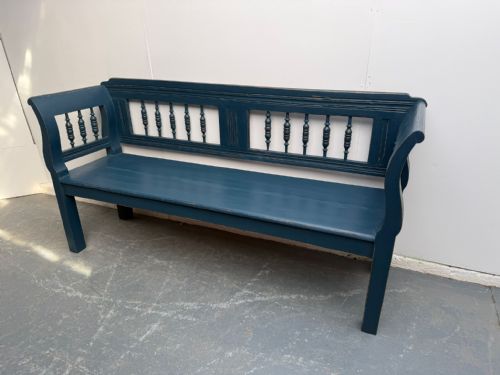
Most examples appearing here are nineteenth-century pieces or Victorian items originating from Hungary, Sweden, and Austria. They range from three-seater painted pine benches to simpler softwood forms, reflecting regional folk art traditions.
Buyers will encounter items finished in original blue or green paint alongside stripped or distressed timber surfaces. These pieces serve primarily as functional seating while offering distinct regional character through their paintwork.
How they were made
Construction relies upon solid pine and softwood timbers, joined to endure heavy daily use in domestic and agricultural settings. Carpenters utilised basic framing techniques suited to regional workshops rather than industrial mass production.
Surfaces received layers of paint, often in blue or green pigments, which aged through decades of domestic application and wear. Cast iron components appear occasionally to reinforce structural joints or support related furniture forms.
Painted Kitchen Bench Retail Price Guide 2026
Typical asking prices for painted kitchen bench among the pieces listed under this phrase on Sellingantiques today, from the lower quarter to the upper quarter. They describe what is for sale here now, not the wider market.
Several benches arrive carrying layers of original blue paint applied in Hungarian farmhouses over a century ago.
What varies in quality
The distinction between standard examples and superior pieces rests largely in the survival of original surface finishes. Benches retaining their early or original painted schemes carry greater integrity than those repainted in later periods.
Proportion and regional detail separate ordinary utility items from finer folk art expressions. Pieces displaying distinct Hungarian or Swedish decorative traits command stronger interest from collectors.
The Painted Kitchen Bench Glossary
- Softwood
- Timber derived from conifers, such as pine, which was widely utilised for vernacular furniture because it was cheap and easy to work. It forms the primary structural material for most country benches.
- Pine
- A common softwood used extensively in nineteenth-century cabinet making and utilitarian joinery. It accepts paint readily and provides a stable base for traditional finishes.
- Folk Art
- Artistic expression originating from rural communities, often created by self-taught makers using local materials. Hungarian and Austrian pieces on this page demonstrate these regional decorative traditions.
- Victorian
- The period spanning the reign of Queen Victoria, running through the nineteenth century. Pieces from this era often show robust construction designed for heavy household use.
- Distressed
- A surface condition showing significant wear, fading, or loss of paint through age and use. This patina is valued for its authentic appearance.
Painted Kitchen Bench: Frequently Asked Questions
How do I clean a painted bench?
Wipe surfaces gently with a damp cloth, avoiding harsh chemical cleaners that might strip the historic paint.
Dry the timber thoroughly afterwards to prevent moisture damage to the softwood structure.
Are these benches comfortable for daily dining?
Most nineteenth-century country benches were built for utility rather than ergonomic luxury, so adding a cushion can improve comfort.
Their solid wooden seats provide sturdy support suited to kitchen tables and breakfast areas.
How do I identify a Swedish bench?
Swedish pieces often feature specific regional proportions and characteristic paint colours applied over pine or softwood.
Documentation or stylistic markers linking the form to Scandinavian country traditions help confirm origin.
Can I place a painted bench outdoors?
These historical pine and softwood items are designed for interior domestic use and lack weather-resistant treatments.
Exposure to damp garden conditions will quickly ruin the historic timber and original painted finish.