
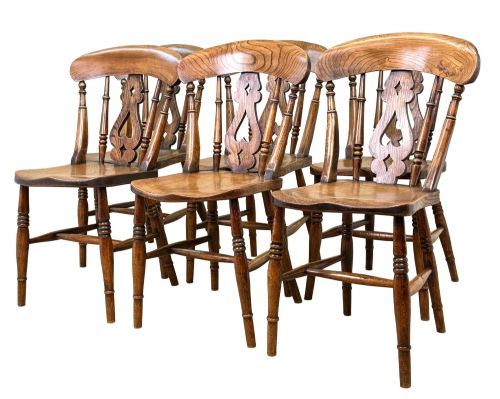
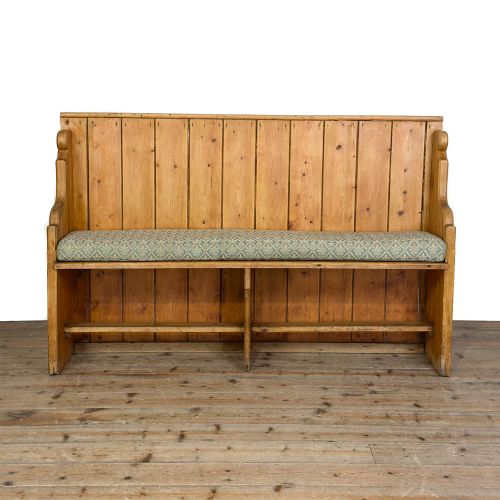
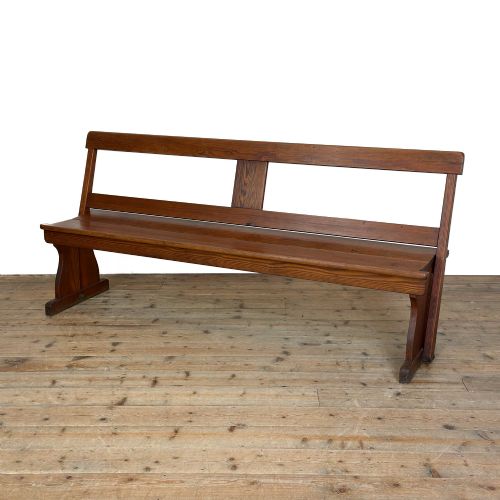
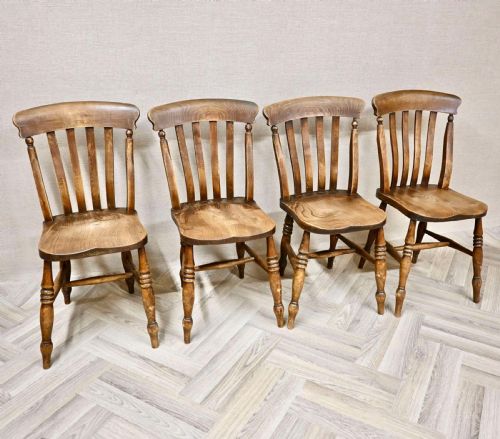
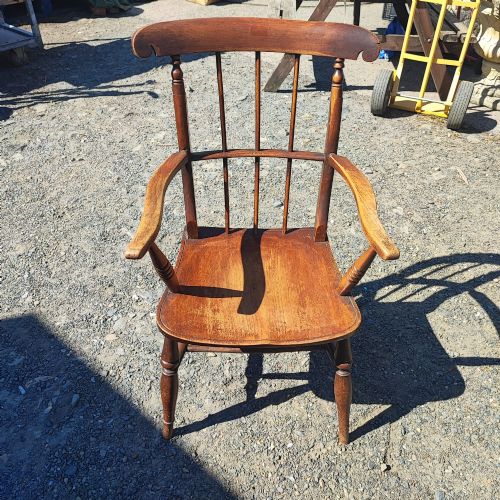
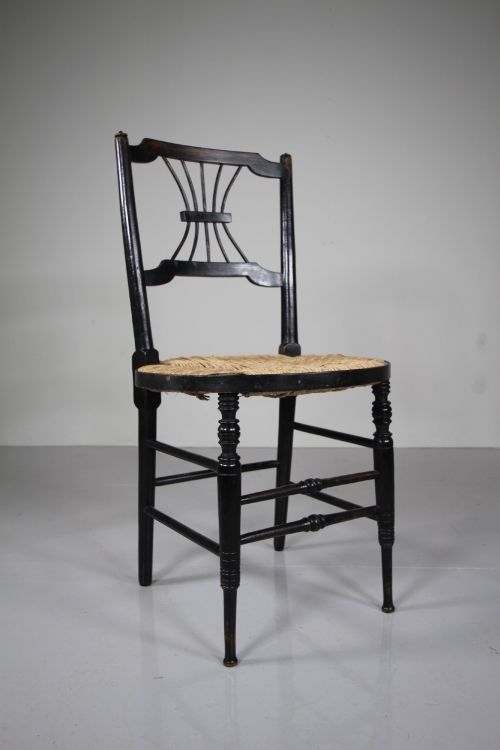
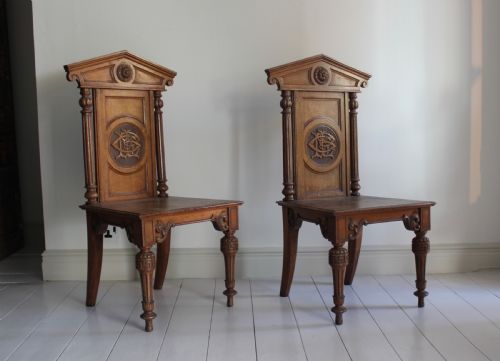

Vintage Wooden Seats
These vintage wooden seats bring character to a room, offering sturdy utility through periods spanning Georgian eras to the twentieth century.
Vintage Wooden Seats
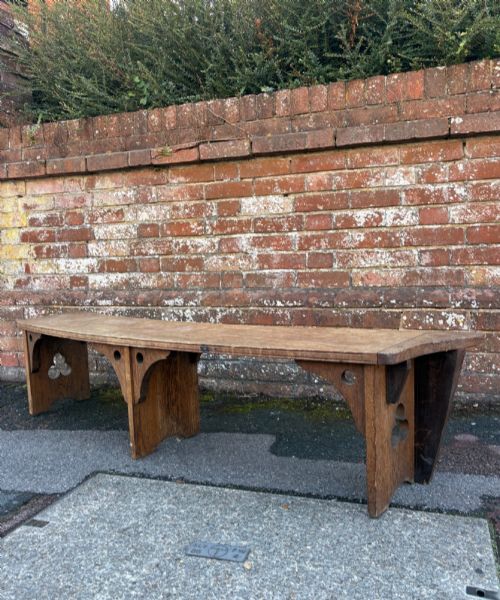
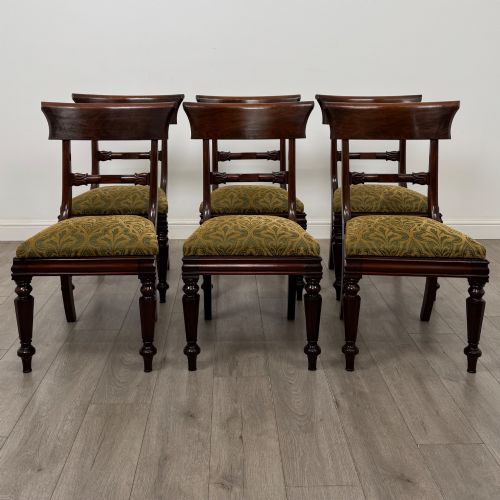
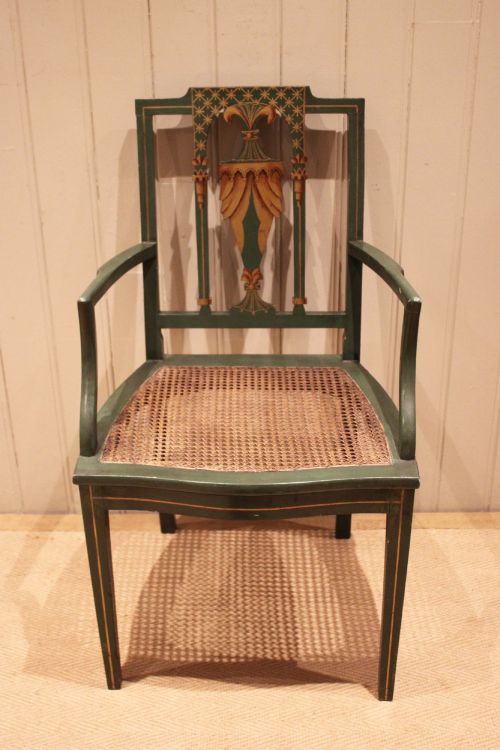
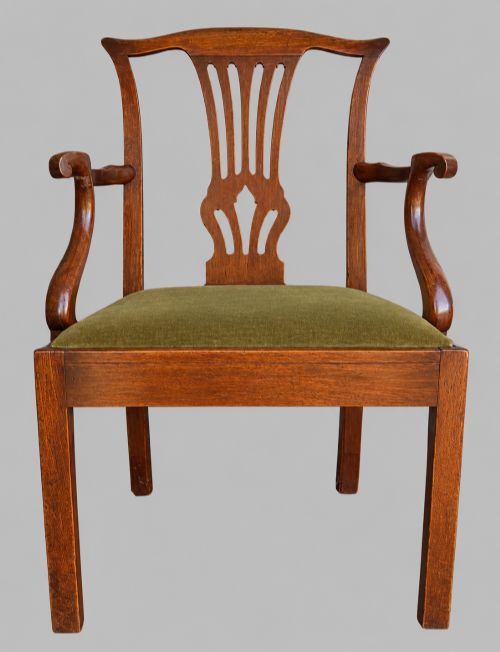
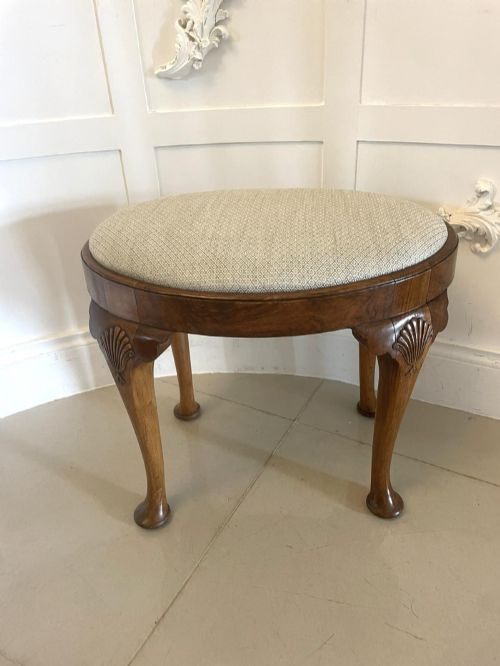
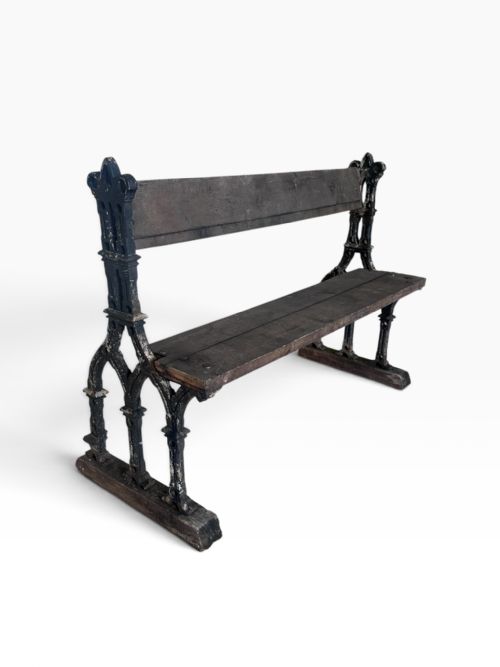
Vintage wooden seats encompass diverse functional forms including dining chairs, armchairs, stools, benches, and settles spanning the nineteenth and twentieth centuries. These items serve everyday domestic and commercial use across various historical periods from Georgian times through to the Edwardian era.
The selection ranges from country kitchen Windsor chairs and tavern stools to formal mahogany dining sets and oak hall benches. English country and Victorian styles dominate the available forms, reflecting regional craftsmanship and domestic utility.
Determinants of quality
Quality rests upon the integrity of the timber selection, such as figured mahogany or well-grained elm, and the retention of original surfaces. Construction methods like traditional joinery without excessive modern intervention distinguish superior examples from standard utility pieces.
Proportion and stylistic execution separate standard items from finer works, particularly where carvers, turners, or specific design movements such as Arts and Crafts influence the piece. The harmonious balance of form and structural retention defines the better specimens.
Listings feature woods including oak, elm, beech, mahogany, pine, ash, and sycamore across various historical periods.
William Morris·Maple and Co·Morris and Co
The Vintage Wooden Seats Glossary
- Windsor chair
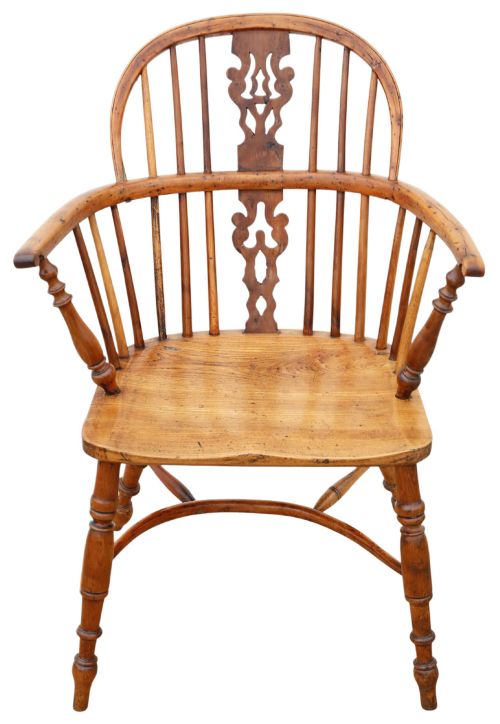
- A wooden chair built with a solid sculpted seat into which the back and legs are wedged directly. These common country chairs frequently utilise ash, elm, and beech.
- Settle
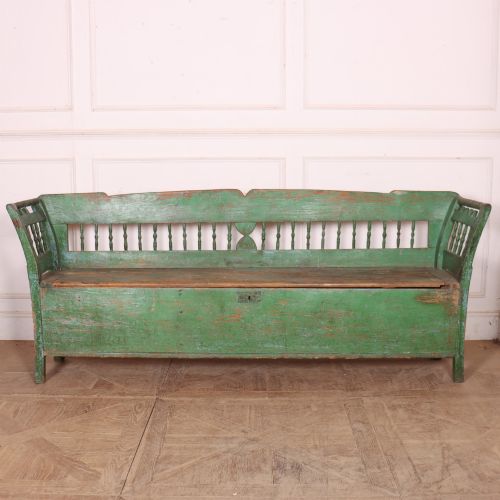
- A wooden bench with a high back, solid arms, and often a storage box beneath the seat. Designed to block draughts in older hallways and kitchens.
- Carver
- An armchair designed to match a set of dining chairs, typically positioned at the head of a table. They share stylistic traits with their smaller side chair counterparts.
- Refectory
- A long, narrow table style frequently associated with oak dining furniture and matching benches. Originally utilised for communal dining in monasteries and large halls.
- Stick back
- A chair construction method where turned wooden spindles form the backrest. This method appears widely in regional and primitive country seating.
Vintage Wooden Seats: Frequently Asked Questions
What is the difference between an armchair and a carver?
An armchair is typically a standalone piece designed for general sitting, reading, or relaxing in a parlour or morning room. A carver is an armchair specifically built to accompany a matching set of dining chairs.
Carvers usually feature arms scaled to fit underneath a dining table edge. They match the side chairs of the set precisely in timber, turnery, and period style.
How do I care for antique wooden seats?
Antique wooden seats require stable indoor humidity away from direct heat sources and strong sunlight to prevent timber shrinkage and cracking. Regular dusting with a soft cloth maintains the surface.
Occasional applications of microcrystalline wax help nourish old finishes without building up heavy residues. Avoid harsh chemical cleaners that strip historical patina.
Where were settles traditionally used?
Settles served as practical seating near fireplaces in farmhouses, cottages, and taverns to shield occupants from cold drafts. The high back and solid wooden sides trapped warmth around the sitter.
Many examples included hinged seats opening to reveal storage space for blankets or household goods. They provided robust, multi-purpose seating before central heating became common.