
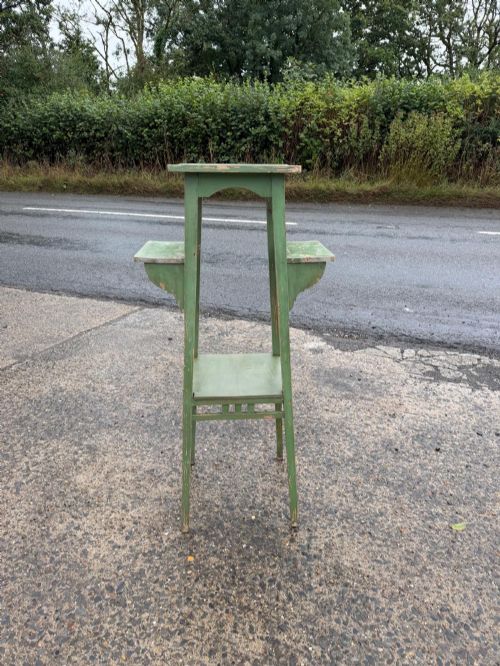
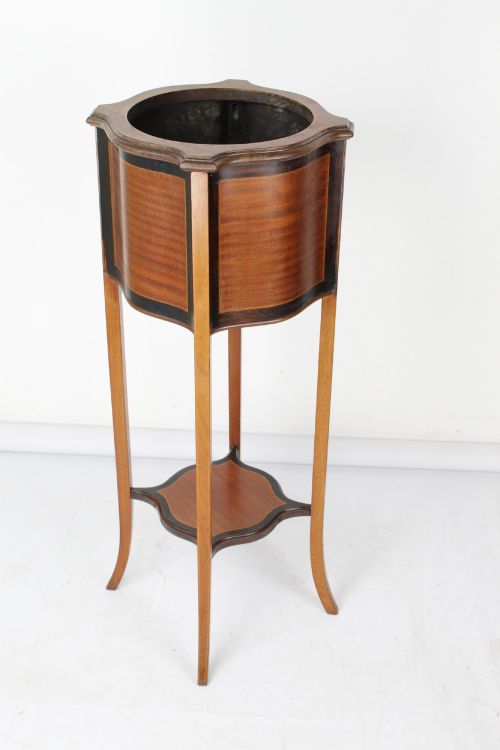
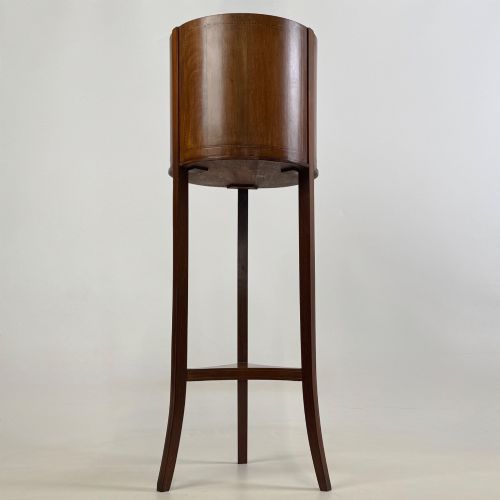
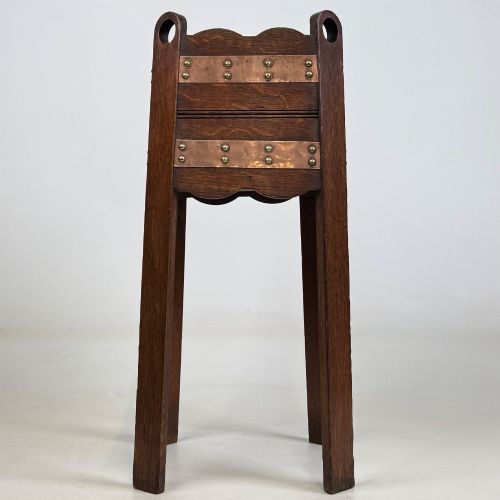

Vintage Wooden Planter
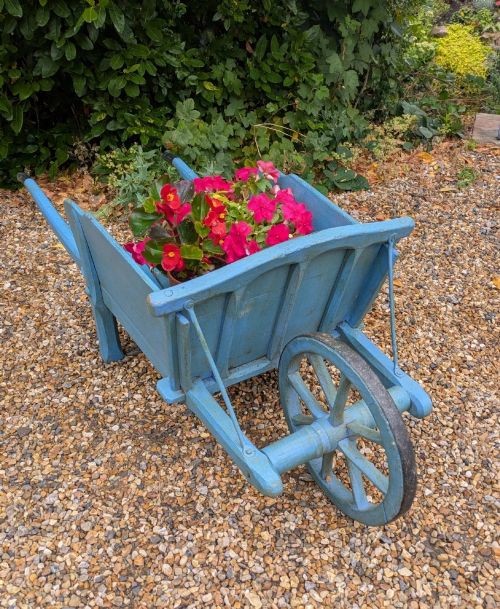
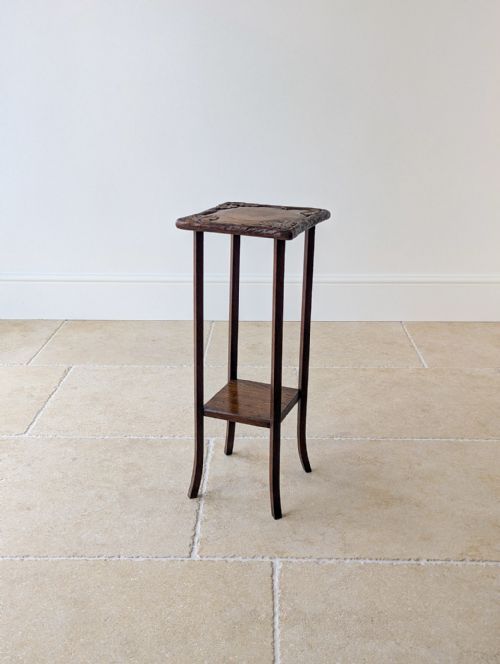
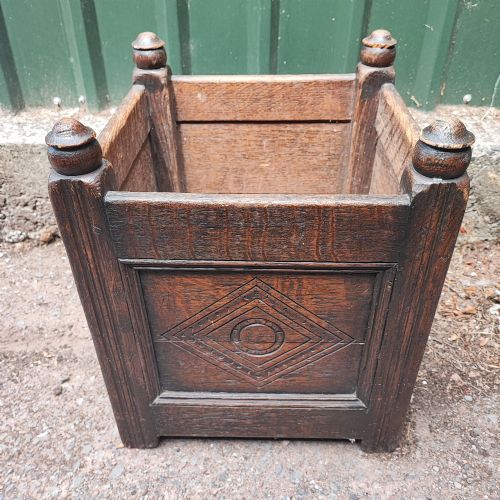
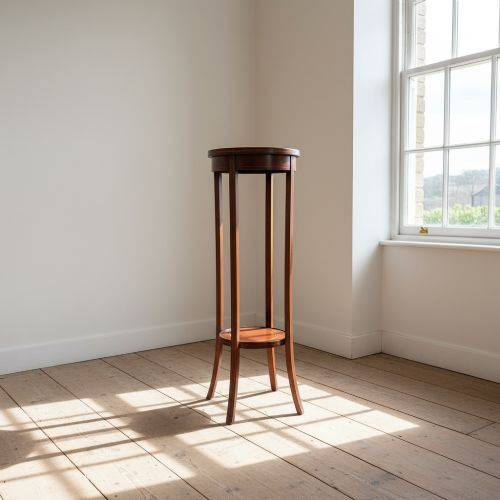
A vintage wooden planter brings organic warmth and horticultural display together, ranging from coopered oak buckets to inlaid mahogany stands.
Vintage Wooden Planter
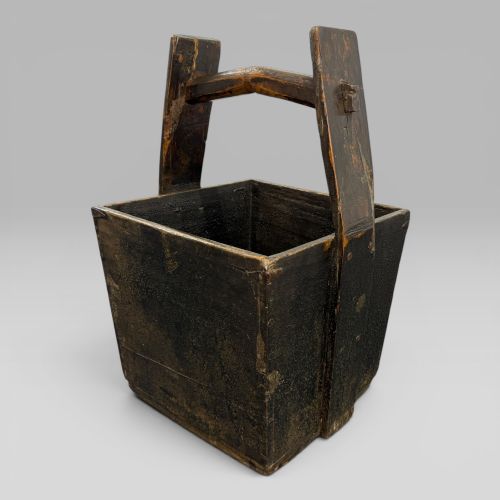
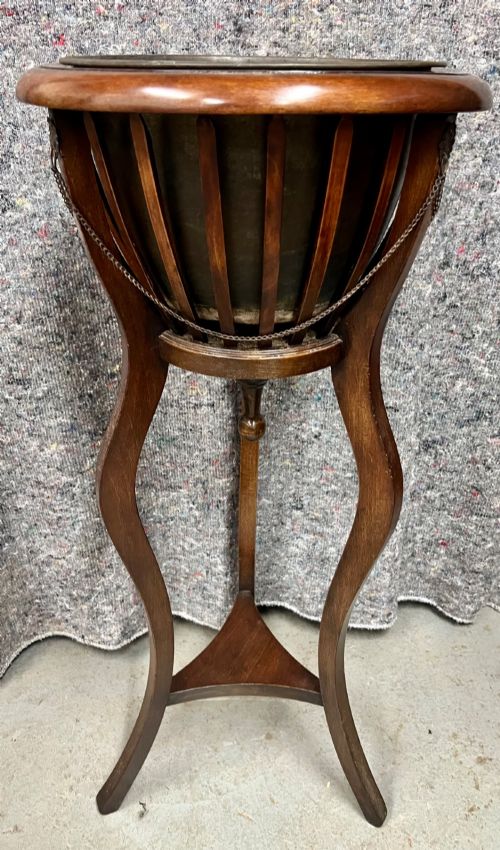
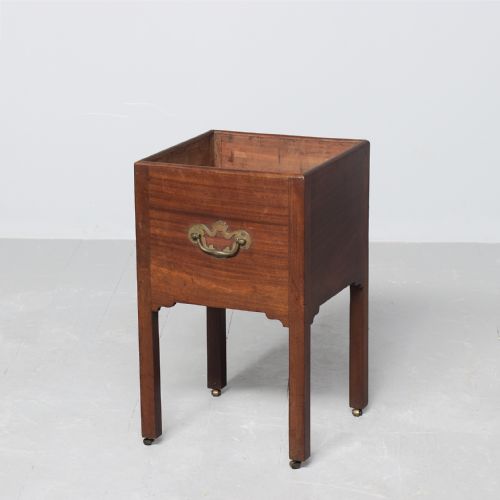
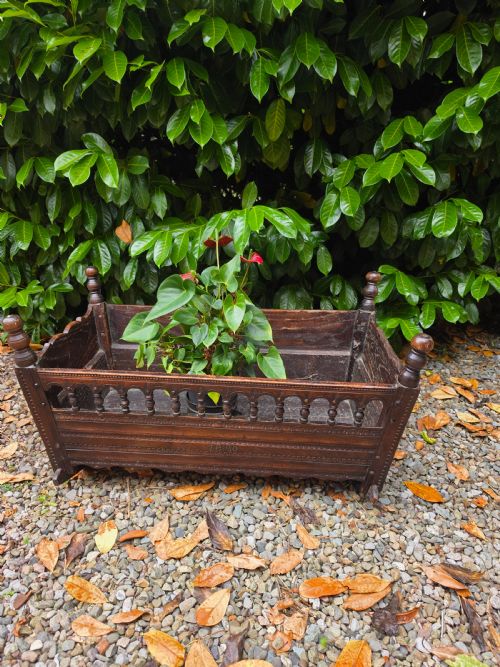
A vintage wooden planter encompasses a diverse group of vessels designed to hold plants, including jardinieres, plant stands, cellarettes, and coopered buckets. These items serve both practical gardening functions and decorative display roles within domestic interiors.
The selections span multiple periods, most frequently appearing in Edwardian and nineteenth-century iterations alongside Georgian and later formats. Common regional expressions include French, Dutch, Scandinavian, and British designs.
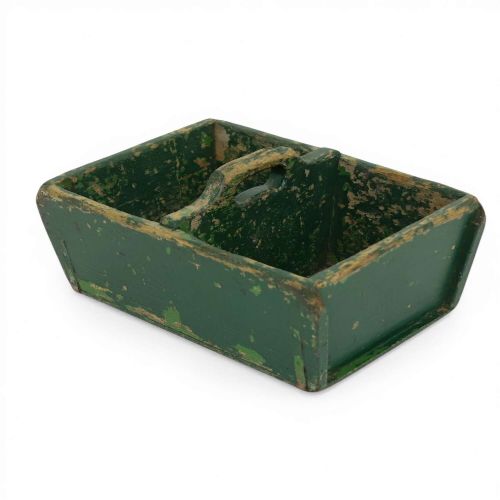
Forms vary significantly based on their original purpose, shifting from tall plant stands to low floor vessels, trugs, and barrels adapted for botanical use.
Materials and construction methods
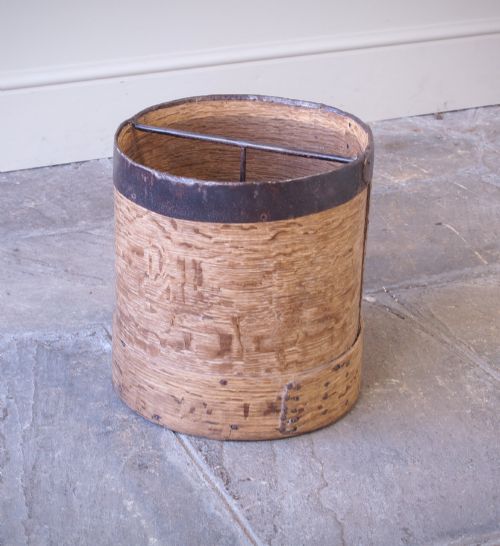
Timbers such as oak, mahogany, walnut, pine, and exotic veneers form the primary structural bodies, often selected for their grain pattern and durability. Cabinetmakers and country artisans utilised traditional joinery alongside coopered stave construction.
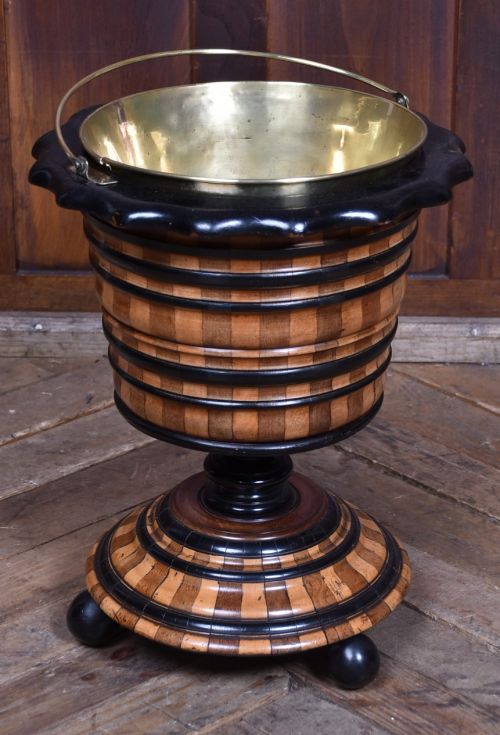
Metal components frequently reinforce the wooden bodies, utilising brass bands, copper liners, and iron fastenings to withstand moisture. Ormolu mounts and inlay work appear on more formal pieces, while painted surfaces and rustic patination define country styles.
The listings span multiple centuries, incorporating oak, mahogany, pine, and walnut alongside brass and copper elements.
Factors influencing quality
The calibre of a piece rests upon the integrity of its timber selection, the precision of its joinery or cooperage, and the survival of original liners and mounts. Finer examples display meticulous attention to secondary woods and decorative detailing such as marquetry or Ormolu.
Proportion and structural balance dictate the visual success of the object, distinguishing utilitarian containers from bespoke salon furniture. The retention of original surfaces, whether polished mahogany or aged paint, preserves the authentic character of the work.
The Vintage Wooden Planter Glossary
- Coopered
- Constructed using tight-fitting wooden staves bound by metal hoops, similar to barrel-making. This method ensures waterproof integrity for holding plants and liquids.
- Jardiniere
- An ornamental pot or stand designed specifically to hold plants or flowers. These items often incorporate interior metal liners to protect the surrounding wood.
- Cellarette
- A bottle cooler or container, frequently lined and brass-bound, which is often repurposed as a planter. They share robust construction and protective linings.
- Ormolu
- Gilded bronze mounts applied to furniture and decorative objects for ornamentation. This technique appears on formal nineteenth-century French pieces.
- Trug
- A shallow horticultural basket traditionally made from split wood. These pieces reflect artisanal craftsmanship and practical agricultural use.
Vintage Wooden Planter: Frequently Asked Questions
How do I care for a wooden planter?
Protect the interior timber by using a suitable waterproof liner or pot to prevent direct contact with soil and moisture.
Maintain the exterior wood with occasional light waxing rather than heavy polishes to preserve the natural patina.
What is the difference between a jardiniere and a plant stand?
A jardiniere is the actual vessel or pot that holds the plant, often featuring a waterproof metal or ceramic liner.
A plant stand is the elevated table or pedestal designed to support the jardiniere and display it at a height.
Are these planters suitable for outdoor use?
Most antique and vintage wooden planters were designed for interior domestic display in parlours and drawing rooms.
Exposing period timbers and historical veneers to modern weather conditions will cause rapid deterioration and damage the finish.
How can I date a wooden planter?
Examine the timber species, construction techniques, and decorative styles such as Arts and Crafts or Edwardian inlay.
Tool marks, metal fittings, and any historical liners provide further clues to the manufacturing period.