




Antique Pine Planter
An antique pine planter brings warmth and functional character to garden rooms and interiors through honest timber construction.
Antique Pine Planter
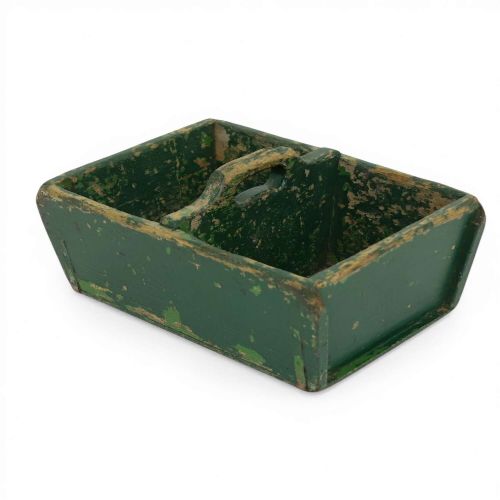
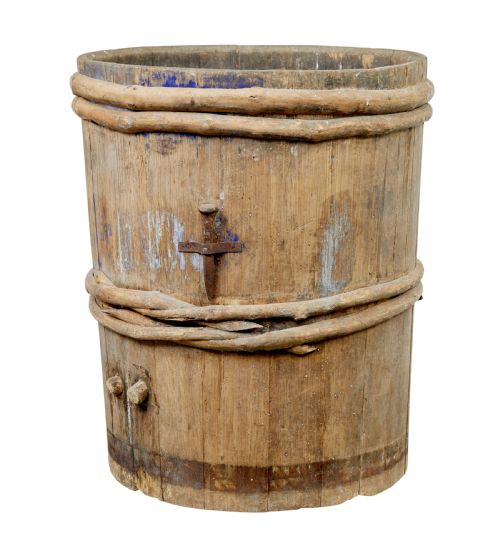
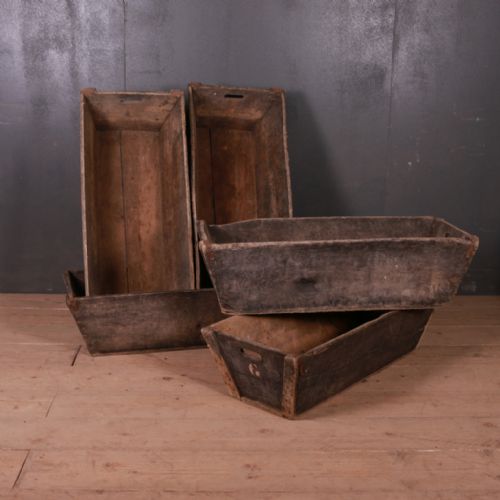
When you search for an antique pine planter, you are looking at utilitarian vessels adapted for modern greenery, spanning dough bins, storage barrels, trugs, and wine coolers. The most common forms on this page originate from nineteenth-century Scandinavian, Welsh, and French rural traditions.
These pieces cross over from domestic and agricultural storage into horticulture. A Welsh artisan trrug, a Swedish pine barrel, or a French grape bin all serve the same purpose of holding plants with vernacular charm.
Makers built these wooden vessels for heavy daily work rather than display, utilising durable softwood and metal hoops. Their simple construction gives them a robust presence suited to both traditional and contemporary spaces.
How they were made
Makers constructed these objects primarily from solid pine, often reinforced with iron or wood hoops to withstand constant moisture and heavy loads. Carpenters utilised traditional stave and barrel-making techniques, shaping timber by hand for agricultural storage and transport.
Surface treatments vary from bare scrubbed wood to remnants of old paint. Some vessels incorporate metal fittings and enamel or stoneware bodies, reflecting the utilitarian needs of nineteenth-century workshops and gardens.
Grape bins and costermonger trugs traded vineyard harvests and market streets for quiet retirement as garden planters.
What varies in quality
Quality in an antique pine planter rests on the integrity of the original construction and the honesty of its surface. Pieces retaining their original iron hoops and untouched timber patination stand apart from heavily restored examples.
Proportion and scale dictate the visual success of each vessel. Tightly coopered barrels with strong structural joins and balanced proportions represent the peak of vernacular craftsmanship.
Makuzu Kozan II
The Antique Pine Planter Glossary
- Trug
- A shallow horticultural basket traditionally used for gathering fruit and seedlings. These wooden garden trays sit on flat bases for stability.
- Dough bin
- A deep wooden box with a lid once used for rising bread dough. Their sturdy pine construction makes them ideal for repurposing as large planters.
- Jardiniere
- An ornamental pot or stand for holding flowers and plants. These vessels often appear in ceramic or wood formats across nineteenth-century interiors.
- Cooperage
- The trade of making wooden staved vessels such as barrels and tubs. Artisans bound these items with wood hoops or iron bands.
Antique Pine Planter: Frequently Asked Questions
Can I plant directly into an antique pine vessel?
Direct planting exposes untreated nineteenth-century timber to moisture and soil, which accelerates decay. Using a plastic or terracotta pot inside the wooden shell protects the antique structure.
Lining the interior with a suitable barrier also prevents water from staining the exterior pine walls.
How do I clean an old pine planter?
Dust the surface gently with a dry cloth to preserve the original dry finish and patination. Avoid harsh chemical cleaners that strip the aged character from the softwood.
If necessary, wipe surfaces with a barely damp cloth and dry immediately to protect the historic timber.
Where should I place these wooden planters?
These pieces suit sheltered garden rooms, conservatories, and interior living spaces where humidity remains controlled. Constant exposure to heavy outdoor rain can degrade nineteenth-century pine.
Keeping them on stable indoor surfaces highlights their vernacular shapes and sculptural proportions.
How do I date a pine planter?
Examining the construction marks, nail types, and hoop materials helps determine the period. Nineteenth-century examples often display hand-sawn timber and forged iron fastenings rather than modern screws.
Comparing the form to documented agricultural and domestic vessels confirms the likely era of manufacture.