
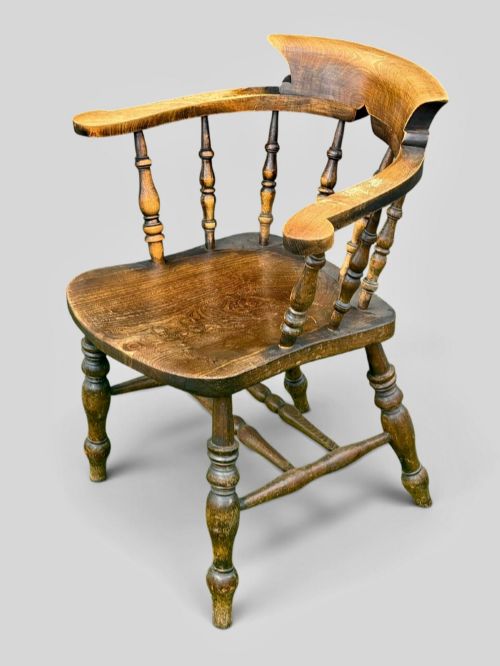
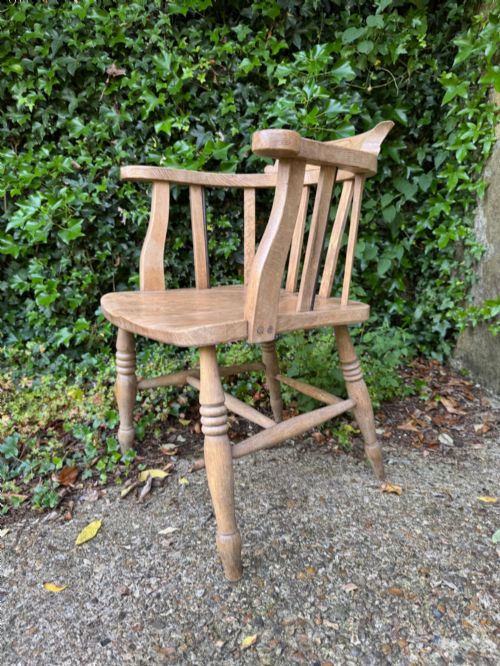






Rustic Wooden Tub
A rustic wooden tub brings honest utility indoors, offering tactile grain and solid historic character to a room.
Rustic Wooden Tub
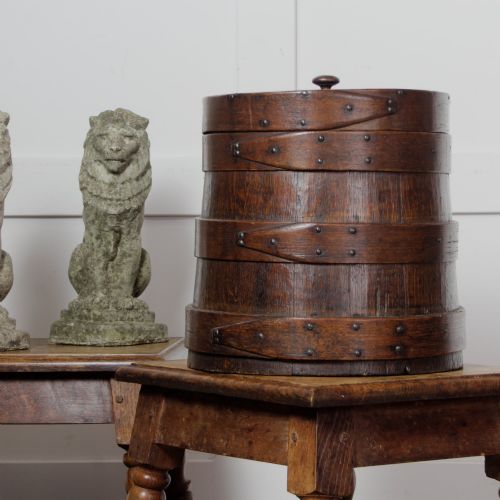
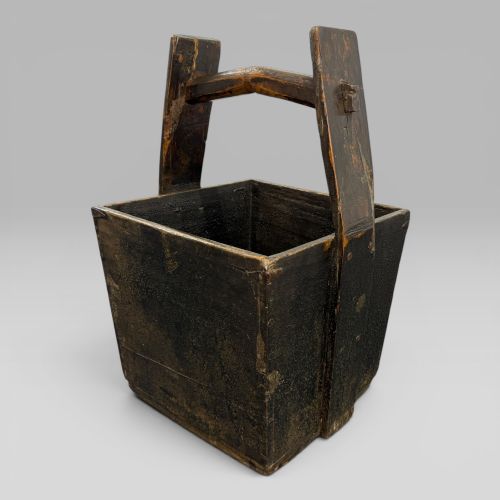
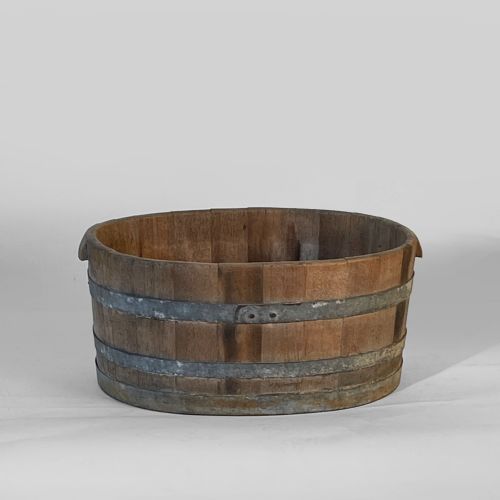
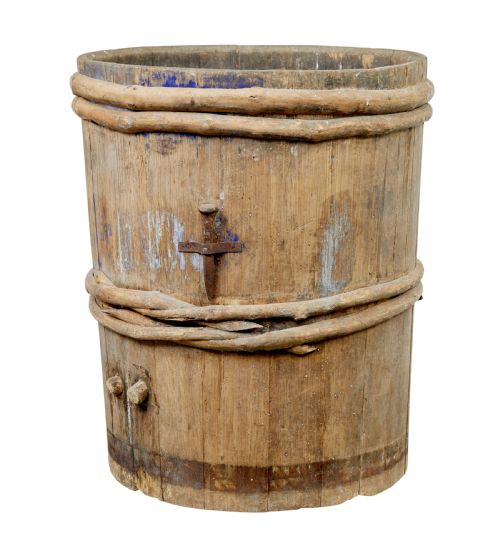
A rustic wooden tub encompasses robust utilitarian vessels made for storage, washing, or gathering grain during the nineteenth century. Buyers searching for a rustic wooden tub encounter coopered storage barrels, butter tubs, well buckets, and washing vessels originating from English, Scandinavian, and Chinese provincial traditions.
These pieces bridge the gap between historic farm life and modern interior styling, serving as log bins, umbrella stands, or planters. The selection spans sturdy oak, pine, elm, and ash examples reflecting Victorian and Georgian country vernacular.
Construction and materials
Makers constructed these vessels using traditional timber staves held together by tight iron bands or metal hoops, a technique known as cooperage. Oak, pine, elm, and ash provided the structural strength required for holding water, grain, or butter.
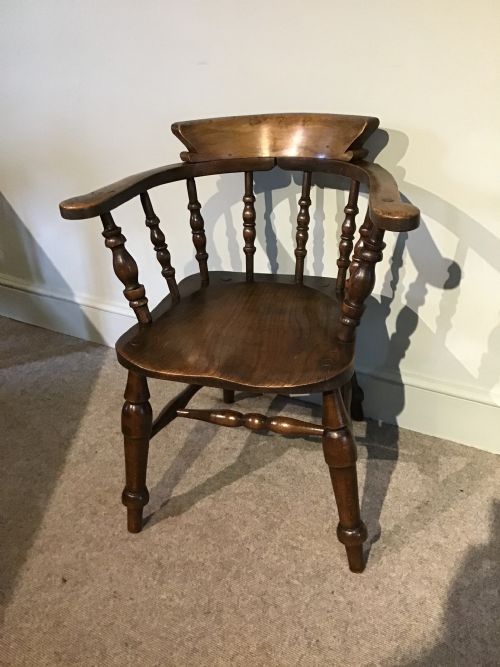
Surface finishes remained largely unpretentious, relying on natural wood grain, hand-weaving in basketry variants, or simple turned elements for chairs and containers associated with these functional forms.
One unusual treen container listed here likely spent its working life collecting wine dregs.
Factors of quality
Quality rests in the integrity of the original construction, particularly the tightness of the stave joints and the preservation of the iron or metal bands. Examples showing honest wear from actual agricultural or domestic use retain more appeal than those with heavy structural repairs or replaced components.
The choice of timber and the clarity of the cooper's work distinguish finer vernacular pieces from standard utilitarian items. Superior specimens display pleasing patination on surfaces like oak and pine that comes from decades of handling.
The Rustic Wooden Tub Glossary
- Coopered
- Made by a cooper using curved wooden staves bound together with hoops. This method ensured watertight integrity for buckets, barrels, and washing tubs.
- Vernacular
- Everyday objects designed for practical use rather than high artistic display. These pieces reflect local building traditions and available regional materials.
- Stave
- One of the narrow vertical blocks of wood fitted together to make the sides of a tub or barrel. Staves are traditionally shaped to create a curved profile.
Rustic Wooden Tub: Frequently Asked Questions
How were wooden tubs used originally?
These vessels served demanding daily tasks on farms and in households, including washing clothes, storing grain, and hauling well water.
Over time, many of these containers transitioned from active agricultural service into decorative storage items within country homes.
Are these tubs waterproof today?
While many retain solid coopered construction, historic timber shrinks and expands with humidity changes. It is safer to use liners if holding water indoors.
Most buyers utilise them dry as log bins, umbrella stands, or planters rather than active water vessels.
How do I date a wooden tub?
Dating relies on examining the method of metal banding, tool marks on the timber staves, and the overall style of the piece. Nineteenth-century examples often combine hand-shaped staves with machine-rolled iron hoops.
Comparing construction details with dated vernacular furniture provides a reliable guide to the era of manufacture.
How do I care for antique wood?
Keep these pieces away from direct heat sources and sudden temperature fluctuations to prevent the wood staves from splitting. A light application of natural wax helps maintain the surface sheen.
Allowing the wood to breathe preserves the historic patination accumulated over generations of use.