
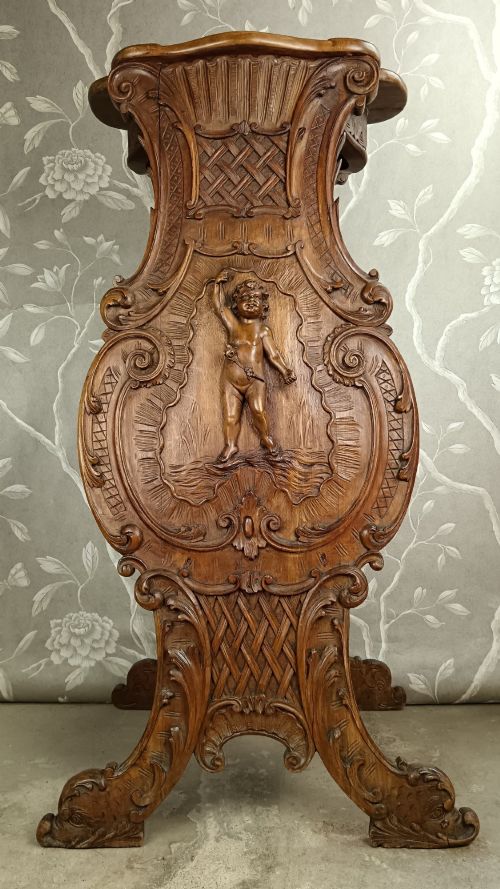
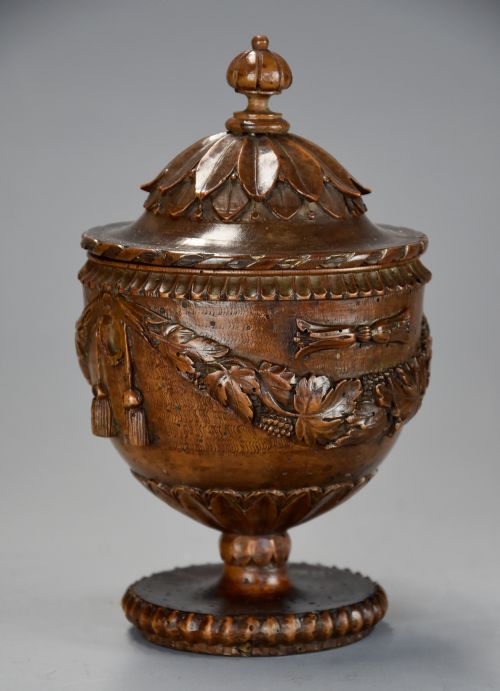
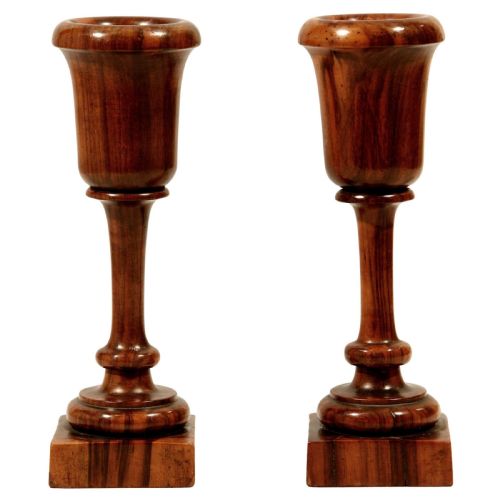


Decorative Wooden Urn
These decorative wooden urns bring classical presence to a room, drawing on centuries of turned walnut, oak and mahogany.
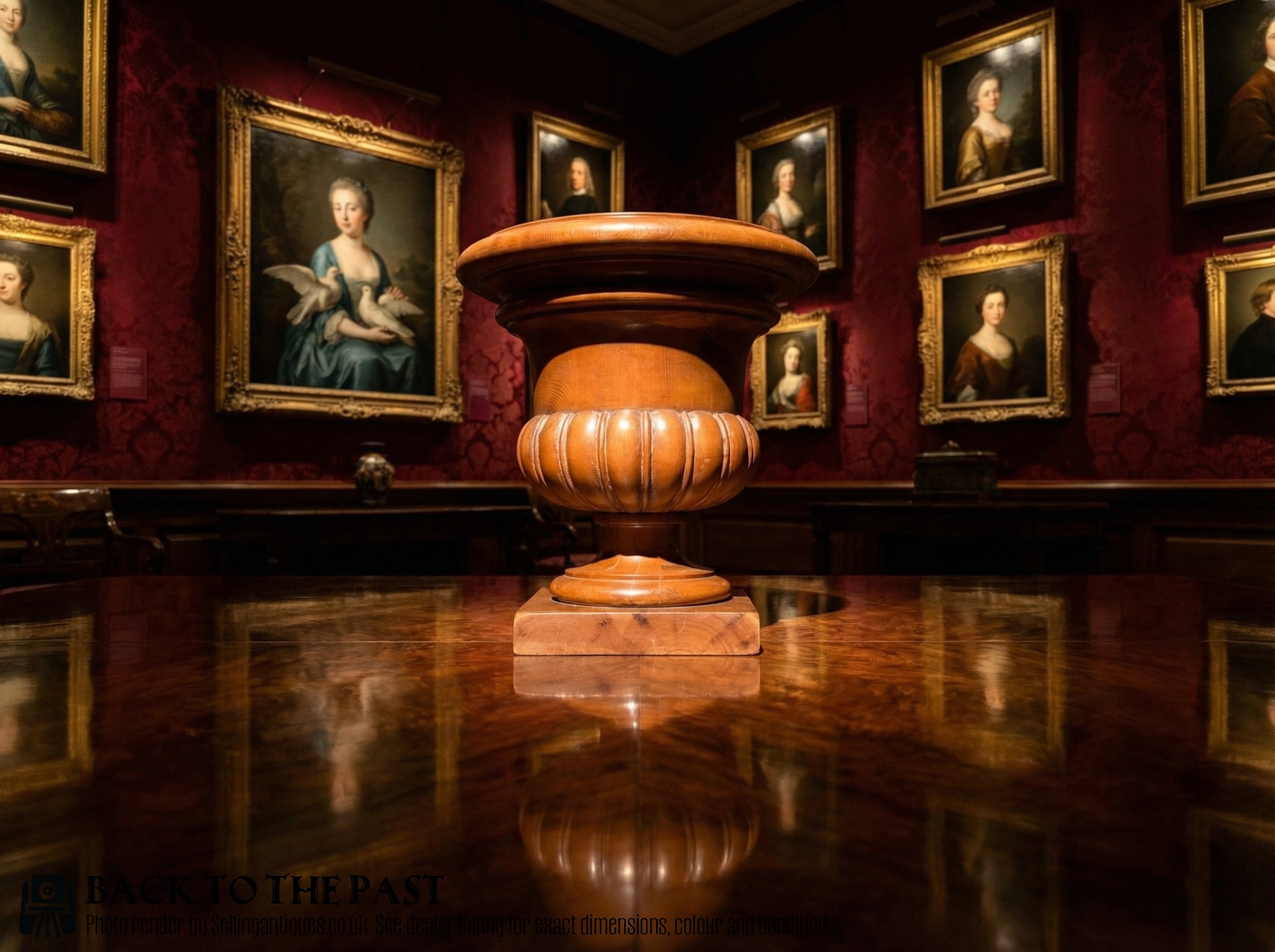
Decorative Wooden Urn
A decorative wooden urn stands as a sculptural centrepiece, often taking the form of a lidded vessel, a turned vase or a mounted garden ornament. These pieces span from the late eighteenth century through the Victorian era and into the early twentieth century, drawing heavily on classical design traditions. Walnut and oak form the backbone of these pieces, alongside carved wood and occasional touches of polychrome paint.
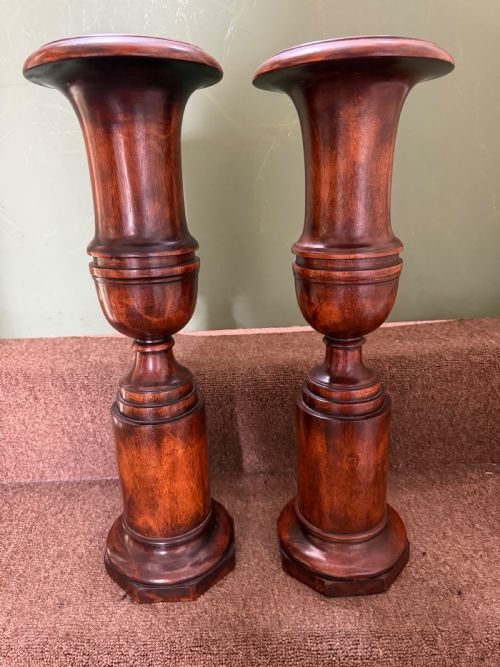
Buyers will encounter pairs of turned walnut vases, lidded urns, and related pedestals or carved planters reflecting styles from Neoclassical to Victorian and Edwardian. The selection leans towards turned walnut and carved wood, occasionally accompanied by metal or fabric elements. These forms served primarily as ornamental display objects rather than functional vessels.
Materials and construction
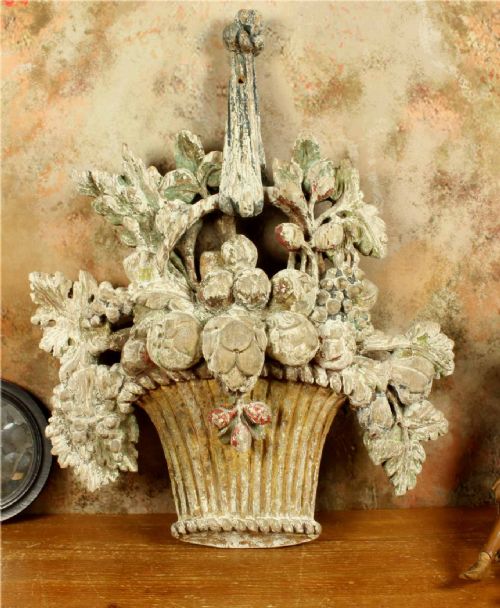
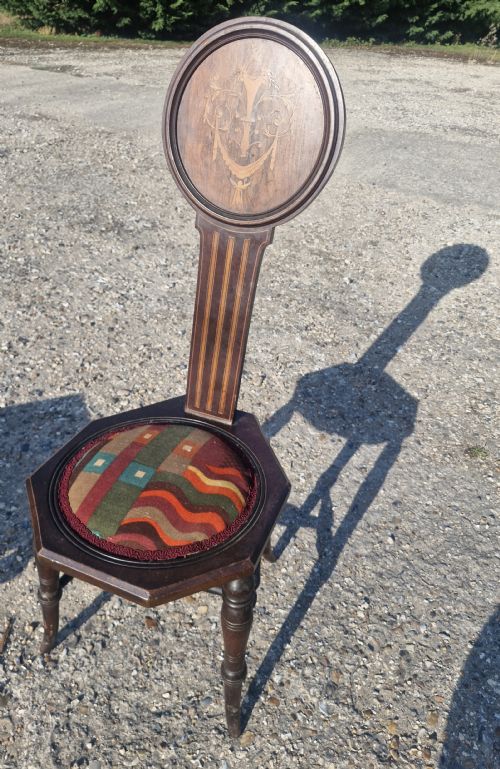
Craftsmen shaped these pieces using timber such as walnut, oak, mahogany, and lignum vitae, frequently employing lathe-turning to achieve symmetrical bodies and slender stems. Carving played a central role, particularly in pieces following Neoclassical or Renaissance Revival styles, where intricate floral and classical motifs emerged from the solid wood. Some examples incorporate inlaid rosewood or painted surfaces to add depth and colour to the turned form.
Joinery and turning techniques varied according to the period, with nineteenth-century pieces often featuring precise hand-turned details and crisp relief carving. Assemblages might combine turned wooden bodies with metal components, such as tole flowers or metal liners in planters. The natural grain of the timber was usually polished or left with a warm finish to highlight the material.
Listings feature woods including walnut, oak, mahogany, and lignum vitae across periods from the eighteenth century to the early twentieth century.
Markers of quality
Quality rests upon the crispness of the turning and the depth of the wood carving, where sharper details and balanced proportions distinguish finer examples. The choice of timber also dictates value, with dense woods like walnut and lignum vitae showing superior retention of fine mouldings and turned profiles over time. Matched pairs command greater attention than single items, particularly when the grain pattern and proportions align closely.
Condition and originality of the surface finish further separate standard items from superior pieces, especially where hand-carved elements remain crisp and intact. The integration of complementary materials, such as subtle inlay or well-executed metal mounts, indicates a higher tier of workshop production. Pieces that retain their original lids or matching pedestals demonstrate a greater degree of preservation.
The Decorative Wooden Urn Glossary
- Lignum vitae
- A dense, heavy wood prized for its dark colour and fine grain, frequently utilised for turned spill vases and small vessels. It takes a high polish and resists splitting.
- Treen
- Small handmade wooden domestic objects and wares, encompassing turned vases, covers and small vessels. Collectors value these items for their tactile qualities and historic tool marks.
- Neoclassical
- A style drawing inspiration from the classical art and architecture of ancient Greece and Rome. It appears on urns through symmetrical forms, urn shapes, and restrained floral carving.
- Pedestal
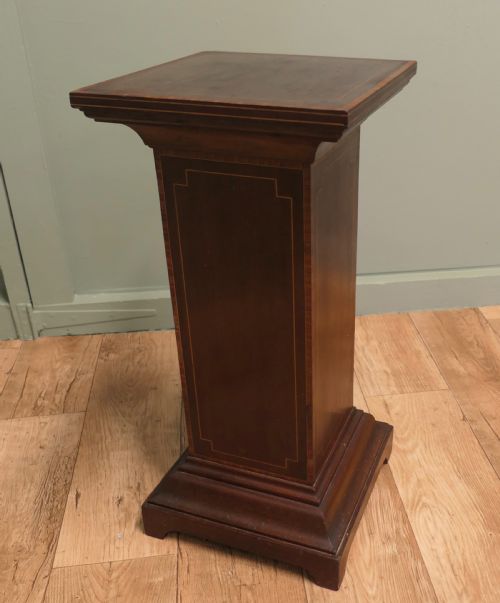
- A structural support or column designed to elevate an urn, vase or planter. These items are often carved from walnut or oak in keeping with the decorative vessel placed above.
- Tazza
- A shallow bowl or cup mounted on a stem and foot, used for display. Rosewood versions with stands appear among nineteenth-century decorative pieces.
Decorative Wooden Urn: Frequently Asked Questions
Where were decorative wooden urns displayed?
These pieces sat upon mantelpieces, sideboards, and dedicated pedestals within principal rooms of nineteenth-century homes. Their primary role was visual ornamentation rather than holding contents.
Pairs of turned vases or lidded urns often balanced either side of a central mirror or architectural feature. Larger examples served as floor-standing ornaments on columns or plinths.
How do I care for antique turned wood?
Keep wooden urns away from direct heat sources and strong sunlight to prevent the timber from drying out and splitting. Dust gently with a dry, soft cloth rather than using liquid polishes.
Applying a light coat of appropriate wax periodically helps maintain the lustre of walnut and oak surfaces. Handle lidded pieces with care to protect delicate turned finials and rims.
What is the difference between an urn and a jardiniere?
An urn is typically a closed or lidded vessel with a decorative body, designed purely for display. A jardiniere functions as a decorative stand or container for plants and flowers.
Jardinites often feature metal liners or waterproof interiors to accommodate damp soil or cut stems. Urns rely on their carved or turned wooden profiles for visual impact.
How can I date a wooden urn?
Dating relies on stylistic clues such as Neoclassical motifs from the late eighteenth century versus the heavier proportions typical of Victorian or Edwardian revivals. The choice of timber, including walnut, oak or lignum vitae, also aligns with prevailing manufacturing periods.
Turn marks and tool evidence visible on the interior or underside provide further indication of workshop methods from the nineteenth century.